Como especificar um fabricante de caixa isolada para um sistema isolado a vácuo
Uma compra defensável precisa de três aprovações. A engenharia deve aceitar o projeto de fluxo de calor, as operações devem ser capazes de embalá-lo de forma consistente, e a qualidade devem aceitar a evidência. Se alguma dessas aprovações estiver faltando, um painel de isolamento premium pode se tornar uma fonte cara de incerteza. O briefing certo para um fabricante de caixas isoladas e um sistema isolado a vácuo começa, portanto, com critérios de aceitação, não é um tamanho de catálogo. De lá, o fabricante pode projetar o layout do painel, proteção, pacote de refrigerante, e programa de teste em torno de uma carga útil real. Essa abordagem também torna as cotações comparáveis porque cada candidato está resolvendo o mesmo trabalho definido.
Portão um: escreva os critérios de aceitação antes de desenhar a caixa
O requisito do usuário deve identificar o que a embalagem deve proteger e os limites de uso. Registre a faixa de temperatura aprovada do produto, sensibilidade ao calor ou congelamento, dimensões e massa da carga útil, cargas mínimas e máximas, trânsito e atraso esperados, condições sazonais, modos de transporte, transferências, restrições de parcelas, e processo de recebimento. Adicione quaisquer requisitos para monitoramento, evidência de adulteração, contenção secundária, limpeza, retornar, ou descarte.
Evite substituir uma duração genérica ou "grau farmacêutico" rótulo para este trabalho. Uma duração térmica solicitada não tem significado técnico até que esteja vinculada a uma exposição ambiente e a uma faixa de carga útil aceitável. Os produtos farmacêuticos não partilham uma faixa de transporte universal. O proprietário do produto e a equipe de qualidade devem estabelecer os limites aplicáveis, documentação, e regras de disposição.
A carga útil deve ser especificada como um envelope tridimensional do produto. O volume interno nominal é inadequado porque os revestimentos protetores, refrigerante ou PCM, espaçadores, posicionamento do registrador, e folgas consomem espaço. Fornecer desenhos de caixa e orientação necessária. Se várias cargas compartilharem o sistema, mostre cada padrão de embalagem em vez de esperar que o fornecedor infira a compatibilidade do volume total.
Definir evidências aceitáveis, como desenhos, registros de inspeção, protocolos e relatórios de teste, registros de sensores, instruções de montagem, e alterar controles. O arquivo exato depende do risco, mas defini-lo antecipadamente evita que uma amostra comercial seja confundida com um sistema qualificado.
Portão dois: leia a caixa como uma rede de caminhos de calor
Um painel de isolamento a vácuo contém um núcleo de suporte poroso dentro de um envelope de baixa permeabilidade. O ar é evacuado e o envelope é selado. A baixa pressão do gás suprime a condução do gás dentro dos poros; o núcleo carrega carga atmosférica e limita a condução sólida. A radiação e alguma transferência de gás residual permanecem, e o calor pode contornar o centro através do perímetro e outras estruturas de caixa. O vácuo melhora uma parte do problema de transferência de calor. Não suspende as leis da transferência de calor.
O envelope é uma barreira funcional. Deve restringir a entrada de ar e vapor de água enquanto sobrevive à formação, vedação, conjunto, e serviço. Um furo, furo de alfinete, microfissuras, selo contaminado, ou vinco severo pode acelerar a perda de vácuo. Mesmo sem danos visíveis, a permeação pode aumentar a pressão interna e a umidade ao longo do tempo. Este é o envelhecimento VIP: o desempenho muda à medida que a condição interna preservada muda.
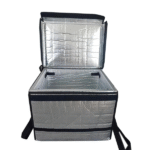
O projeto de proteção deve estar visível no desenho de montagem. Uma concha ou cassete de espuma pode proteger rostos grandes, enquanto as proteções de canto e os revestimentos mantêm o produto e o líquido refrigerante longe das costuras. As cargas estruturais devem contornar o painel sempre que possível. A tampa deve fechar sem raspar ou esmagar a proteção. Porque um painel evacuado geralmente não pode ser cortado ou perfurado sem destruí-lo, penetrações e geometria final devem ser projetadas antecipadamente.
Cada perímetro também é um recurso de fluxo de calor. A barreira envolve a borda do painel, onde conduz de forma diferente do núcleo evacuado. Este efeito de borda significa que o desempenho eficaz do painel depende do perímetro, área, construção de barreira, e geometria da costura. Painéis menores geralmente apresentam maior perímetro em relação à área. Barreiras contendo metal podem resistir bem à permeação, ao mesmo tempo que contribuem com mais condução nas bordas, ilustrando o compromisso entre integridade da barreira e ponte térmica.
Em escala de gabinete, adicione as pontes criadas pelas juntas painel a painel, cantos, interfaces de tampa, travas, dobradiças, alças, costelas, e qualquer reforço. Uma medição térmica no centro do painel omite esses caminhos. O teste de caixa inteira é necessário porque uma caixa é tridimensional., montagem transitória em vez de um material plano e homogêneo.
Pergunte como os painéis se reúnem, o que cobre costuras, como a tampa está localizada, o que protege os painéis, e quais peças suportam cargas estruturais. Seções transversais e observações de teste são mais úteis do que um valor de resistência inexplicável.
Traduzir especificações em consequências na bancada de embalagem
Atributos técnicos tornam-se úteis quando vinculados a decisões. Esta tabela pode ser incluída em uma solicitação de proposta ou revisão de projeto.
| Especificação ou controle | Consequência de engenharia | Consequência das operações | Verificação do comprador |
|---|---|---|---|
| Envelope de carga útil final | Determina o ajuste do produto após a instalação de todos os componentes térmicos | Controla o padrão da embalagem e evita o fechamento forçado | Revise a embalagem dimensionada com as caixas reais do produto |
| Borda VIP e layout conjunto | Influencia a resistência efetiva e a entrada de calor local | Define quais inserções devem ser instaladas em qual orientação | Revise as seções, controles de montagem, e dados da caixa mapeada |
| Proteção de barreira e vedação | Preserva o vácuo e reduz o risco de danos | Limita o contato com ferramentas afiadas, caixas, e refrigerante | Inspecione o protótipo e os critérios de danos documentados |
| Especificação de refrigerante ou PCM | Define o comportamento do armazenamento térmico e o risco de temperatura local | Requer condicionamento controlado, encenação, e posicionamento | Revise a especificação do componente e as instruções de trabalho aprovadas |
| Carga mínima e máxima | Altera a massa térmica, volume vazio, e exposição | Pode exigir diferentes espaçadores ou configurações | Verifique ambos os casos na matriz de teste |
| Fechamento e detalhes estruturais | Afetar pontes, vazamento, e carregar caminhos | Determine a repetibilidade e o esforço de manuseio | Observe o pacote cronometrado e os testes de distribuição |
| Condições de teste térmico | Limite qualquer conclusão de desempenho | Definir o pacote exato que a equipe deve reproduzir | Comparar perfil, sensores, carga útil, e critérios de aceitação com o requisito |
| Controle de lote e revisão | Mantém a produção representada pela qualificação | Impede a mistura de componentes | Rótulos de auditoria, registros, e processo de notificação de alterações |
A tabela expõe conflitos precocemente. Por exemplo, uma inserção de proteção rígida pode melhorar a resistência à perfuração e, ao mesmo tempo, reduzir o espaço do produto. Uma trava de metal forte pode suportar a reutilização, mas criar uma ponte se estiver mal isolada. Uma quantidade generosa de líquido refrigerante pode prolongar o resultado de uma câmara específica, mas reduzir a carga útil vendável e criar risco local de frio. Essas escolhas precisam de resolução em nível de sistema.
Vincule o protótipo aprovado à produção através de dimensões controladas, uma lista de materiais, inspeções, e revisões de desenho; semelhança visual não é suficiente.
Projete a relação refrigerante-carga útil, não apenas a parede
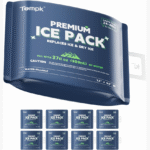
Um expedidor passivo combina resistência ao fluxo de calor externo com armazenamento térmico interno. Pacotes de gel, água bolsas de gelo, ou materiais de mudança de fase podem absorver ou liberar energia conforme as condições mudam. O componente apropriado depende dos requisitos do produto e da configuração qualificada. Nenhum refrigerante é inerentemente correto para todos Produtos sensíveis à temperatura.
A condição inicial é crítica. A instrução do pacote deve especificar como o refrigerante ou PCM é condicionado, como sua prontidão é reconhecida, por quanto tempo pode ser encenado, e onde cada componente é colocado. Se a carga útil precisar ser separada do refrigerante, o espaçador é um componente crítico em vez de material de embalagem descartável. Uma substituição no filme de saco, geometria do pacote, preencher, ou posicionamento pode alterar o contato e a resposta térmica mesmo que o nome do refrigerante pareça inalterado.
A variação da carga útil merece um design deliberado. Uma carga completa pode fornecer massa térmica e ocupar espaço aéreo; uma carga mínima pode expor mais superfície e permitir diferentes movimentos internos. As embalagens dos produtos podem obstruir as lacunas pretendidas ou tocar uma superfície fria. A qualificação deve cobrir os piores casos representativos justificados por raciocínio térmico, não assumir automaticamente que a menor ou maior carga é sempre pior.
Bandejas equipadas, peças chaveadas, rótulos, e uma sequência clara melhoram a repetibilidade. Testes de protótipo com usuários reais podem expor etapas de preparação ou montagem não controladas antes do lançamento.
Considere uma remessa transfronteiriça típica de reagentes de diagnóstico sensíveis à temperatura. As dimensões externas do pacote são fixadas por um serviço de transportadora, e as caixas dos produtos devem permanecer na vertical. Um conceito VIP cria mais espaço interior do que uma alternativa mais espessa, mas o primeiro layout coloca o PCM diretamente ao lado da face da caixa e deixa uma ponte na tampa. O mapeamento de desenvolvimento identifica uma localização do lado frio perto do PCM e um aquecimento mais rápido perto do encerramento.
A equipe adiciona um separador controlado, revisa a junta da tampa, e define o envelope do produto para que as caixas não possam flutuar. Em seguida, desafia cargas úteis mínimas e máximas com o condicionamento PCM especificado e perfis ambientais justificados. O design revisado pode usar um pouco mais de estrutura interna, ainda assim, é mais valioso porque a carga útil se ajusta com segurança e o pacote pode ser reproduzido. Nenhum tempo de espera específico deve ser assumido neste cenário; o resultado pertence ao seu protocolo e dados.
Ferramentas úteis de decisão
Verifique os detalhes antes de escolher a embalagem
Essas ferramentas rápidas podem ajudá-lo a comparar o risco da rota, necessidades de dimensionamento, escolhas de refrigerante, e detalhes da embalagem antes de solicitar um orçamento.
Referência de material de isolamento
Compare as opções de materiais de isolamento para diferentes necessidades de embalagens da cadeia de frio.
Compare materiaisRefrigerante & Referência PCM
Compare as opções de refrigerante e PCM quando uma rota precisar de suporte adicional de temperatura.
Comparar opçõesForro de caixa & Dimensionamento da cobertura de paletes
Verifique a lógica de dimensionamento do forro da caixa e da tampa do palete para projetos de embalagens isoladas.
Dimensionamento estimadoQualificação: construir uma cadeia de evidências
Comece com evidências de componentes, mas não pare por aí. ASTM C1667 aborda a medição do medidor de fluxo de calor das propriedades de transmissão térmica no centro do painel. ASTM C1484 cobre conceitos gerais de especificação VIP, incluindo a distinção entre centro e resistência efetiva. Essas referências ajudam a caracterizar um painel. Eles não capturam uma tampa, refrigerante, carga útil, ou rota.
ISO 16478 aborda certos VIPs de construção e inclui fatores de envelhecimento e pontes lineares de borda. Oferece contexto material, não transporte de cadeia de frio qualificação ou prova de desempenho de pacote completo.
No nível do pacote, ASTM D3103 fornece um método para avaliar o desempenho do isolamento térmico de pacotes de distribuição. ISTA 7E fornece perfis de calor e frio para produtos embalados em sistemas de entrega de encomendas. Padrão ISTA 20 descreve um processo de design e qualificação para contêineres isolados. Selecione métodos porque seu escopo e condições apoiam sua decisão, não porque seus nomes sejam reconhecíveis.
Por tempo- e produtos farmacêuticos sensíveis à temperatura, Orientação técnica da OMS discute qualificação de design, qualificação operacional, e qualificação de desempenho de contêineres de transporte, junto com perfil de rota e monitoramento. Na prática, um programa baseado em riscos passa de requisitos e desafios controlados para evidências no ambiente operacional real. A unidade de qualidade responsável determina as etapas e aprovações necessárias.
Um protocolo deve identificar a lista exata de materiais, condição do painel, carga útil, condicionamento de refrigerante, conjunto, localizações dos sensores, perfil ambiente, contagem de amostras ou estratégia de repetição, Critérios de aceitação, desvios, e método de relatório. Revise os resultados completos, incluindo gradientes inesperados ou execuções com falha. Um gráfico suave sem contexto de teste é uma evidência mais fraca do que um histórico de desenvolvimento imperfeito, mas rastreável.
Os perigos de distribuição também precisam de atenção. O teste térmico não comprova resistência ao choque, vibração, compressão, ou manuseio brusco. Testes mecânicos selecionados para o sistema de distribuição podem revelar danos que posteriormente afetarão o desempenho térmico. Dependendo do risco, sequenciar desafios mecânicos e térmicos ou testar novamente unidades manuseadas pode ser apropriado.
Registradores de temperatura de rotina documentam remessas específicas dentro da estratégia de controle. Confirme a documentação de calibração, configuração, ativação, colocação, sincronização de tempo, recuperação de dados, e tratamento de alarme. O monitoramento fornece evidências de exposição; não cria proteção térmica e não deve ser descrito como qualificação de pacote por si só.
A expansão depende do controle de mudanças e da propriedade do ciclo de vida
A seleção de fornecedores continua após aprovação no teste. Pergunte como os materiais críticos são aprovados, como os lotes são rastreáveis, quais inspeções de entrada e em processo são realizadas, e como as mudanças são comunicadas. Laminado de barreira, essencial, dimensões do painel, espuma protetora, concha, encerramento, refrigerante, adesivo, e montagem podem afetar o estado qualificado. Uma mudança proposta deve ser avaliada antes do envio, com reteste baseado no risco.
Definir critérios de recebimento de novas caixas e, se relevante, unidades devolvidas. Cortes visíveis, cantos esmagados, fechamentos danificados, interiores molhados, proteção distorcida, ou condição incerta do painel deve desencadear uma ação documentada. Porque a perda lenta de vácuo pode não ser óbvia, qualquer método de inspeção ou detecção específico do fornecedor precisa de uma interpretação clara e de um limite de aceitação.
Programas reutilizáveis também exigem propriedade para limpeza, monitorando, perda, reparar, armazenar, e aposentadoria. As alegações de sustentabilidade devem basear-se em ciclos e logística reais, e não na reutilização pretendida. ISO 14040 e ISO 14044 oferecer uma estrutura e requisitos para avaliação do ciclo de vida, incluindo objetivo e escopo claros. Uma comparação pode incluir produção de material, transporte de ida e volta, condicionamento de refrigerante, limpeza, risco de perda de produto, e fim da vida.
Para sistemas unidirecionais, identificar materiais e verificar rotas de destino de resíduos. Envelopes multicamadas e conjuntos colados podem não corresponder aos fluxos de reciclagem locais, então "reciclável" não é uma conclusão universal.
Quando a configuração estiver estável, confirmar amostra específica do fornecedor, ferramentas, pedido mínimo, tempo de espera, capacidade, e detalhes de preço. Verifique se a cotação inclui refrigerante, registrador, caixa externa, suporte de qualificação, e envio.
Perguntas frequentes do comprador
Qual é a especificação de caixa VIP mais importante?
Não existe um número suficiente na compra. A especificação mais pronta para decisão é a configuração aprovada: envelope de carga útil utilizável, Construção VIP e proteção, projeto conjunto, refrigerante e condicionamento, limites de carga útil, conjunto, e condições de qualificação. Os dados térmicos do centro do painel suportam este arquivo, mas não pode substituí-lo.
Como posso saber se um VIP perdeu o vácuo?
Punções óbvias, cortes, ou mudanças físicas anormais são sinais de alerta, mas a perda lenta pode não ser visualmente clara. Use o método de inspeção ou teste documentado do fabricante e defina regras de quarentena e rejeição. Não improvise um teste de compressão ou confie no reparo da fita, a menos que um procedimento validado especificamente o apoie.
Por que a carga útil mínima deve ser testada?
Alterar a carga útil altera a massa térmica, volume de ar interno, exposição da superfície do produto, e a relação com o refrigerante. Uma carga mínima pode se comportar de maneira diferente de uma carga completa, embora não seja automaticamente pior em todos os designs. A matriz de teste deve identificar extremos justificados e usar espaçadores ou suportes destinados à operação de rotina.
Posso mudar de fornecedor PCM após qualificação?
Uma mudança de origem deve entrar na avaliação formal da mudança. Comportamento de transição material, geometria do pacote, preencher, filme de barreira, resposta de condicionamento, e o contato pode afetar o sistema térmico. Compare as especificações e determine se a verificação ou requalificação é necessária para aprovação. Um rótulo ou aparência semelhante não estabelece equivalência.
O que um fabricante deve fornecer antes de um pedido em grandes quantidades?
Solicite a amostra aprovada e revisão, desenho de carga útil, especificações de materiais e componentes adequadas às suas necessidades de qualidade, instruções de embalagem, protocolo de teste e relatório, critérios de inspeção, e abordagem de notificação de alterações. Termos comerciais, como pedido mínimo e prazo de entrega, devem ser confirmados diretamente porque são do fornecedor- e específico do projeto.
Conclusão: aprovar o projeto, processo, e evidências juntas
Um sistema confiável com isolamento a vácuo sobrevive a três avaliações. A engenharia entende o núcleo, barreira, efeitos de borda, pontes, envelhecimento, e proteção contra perfurações. As operações podem reproduzir o pacote de refrigerante e carga útil. A qualidade pode rastrear a configuração fornecida até o pacote apropriado e encaminhar evidências. Manter essas aprovações conectadas é mais importante do que maximizar o valor de qualquer painel único.
Sobre Tempk
Tempk é a marca da Shanghai Tempk Industrial Co., Ltda. Nós oferecemos embalagem da cadeia de frio soluções, incluindo bolsas de gelo em gel e água, PCM, forros e sacos isolados, EPS, PPE, e Caixas VIP, capas térmicas para paletes, refrigeradores médicos, registradores de dados de temperatura, e validação e suporte de pacote. Para um novo sistema isolado a vácuo, Tempk pode participar da discussão prática sobre o uso de carga útil, arranjo de refrigerante, monitoramento, e o plano de evidências, mantendo a adequação final vinculada ao produto e rota definidos.
Passe do conceito à especificação: Envie à Tempk a sua gama de produtos, desenhos de carga útil, suposições de pista, e evidências de aprovação necessárias para discutir uma configuração de caixa isolada a vácuo para avaliação.