O circuito de controle de serviço OEM de caixa isolada: Seis arquivos que evitam desvios
Um projeto OEM é concluído somente quando uma alteração feita meses após o lançamento pode ser avaliada em relação ao uso original pretendido. Isso requer mais do que um protótipo e um pedido de compra. Um confiável caixa isolada O serviço OEM opera como um circuito de controle: requisitos moldam o pacote, testes desafiam uma revisão nomeada, os controles de produção reproduzem-no, suposições de verificação de dados de campo, e a revisão de alterações protege as evidências. Seis arquivos conectados tornam esse loop prático. Cada arquivo registra uma decisão que de outra forma tende a permanecer no e-mail, slides de vendas, ou a memória de um engenheiro individual.
Arquivo 1 captura o caso de uso e os direitos de decisão
O primeiro arquivo descreve o que deve ser protegido e quem tem autoridade para decidir. Deve ser aprovado antes da equipe debater o EPS, PPE, VIP, forros, ou refrigerante.
Descrever as condições de transporte autorizadas do produto, sensibilidade ao calor, congelando, choque, umidade, ou orientação, e quaisquer restrições de segurança aplicáveis. Definir dimensões de carga útil, massa, contar, embalagem secundária, configurações normais e de borda. Mapeie a via de distribuição desde o pré-condicionamento e embalagem até o recebimento, incluindo modos, exposição sazonal, atrasos credíveis, transferências, aberturas, e armazenamento temporário.
Adicione a realidade operacional. Quais equipamentos de resfriamento ou congelamento estão disponíveis? Quantas unidades os operadores devem embalar? Eles podem distinguir componentes condicionados de maneira diferente?? Que espaço está disponível? Como as remessas são inspecionadas, dados recuperados, componentes retornados, e embalagens descartadas ou recuperadas?
Registre incógnitas como riscos ou estudos. Se os extremos da rota forem mal compreendidos, coletar dados da pista ou selecionar um perfil conservador documentado. Se o comportamento de carga parcial for incerto, teste-o em vez de assumir que a carga total é pior. Se um programa de reutilização for proposto apenas, identificar recuperação e limpeza como pré-requisitos em vez de creditar rotações futuras.
Os direitos de decisão pertencem ao mesmo arquivo. Os proprietários do produto ou da qualidade definem a aceitação. A engenharia de embalagens traduz requisitos e avalia o design. Operações aprova executábilidade. A aquisição rege os termos comerciais e do fornecedor. O fornecedor OEM é responsável pelo projeto acordado e pelo escopo de produção. Um laboratório fornece evidências dentro de seu protocolo. Organizações específicas podem alocar funções de forma diferente, mas nenhuma aprovação crítica deve ser sem dono.
Arquivos 2 e 3 converter o conceito em um pacote controlado
Arquivo 2 é o registro da arquitetura. Explica a solução selecionada e as alternativas consideradas. Arquivo 3 é a especificação lançada que uma equipe de fabricação pode construir e um comprador pode solicitar.
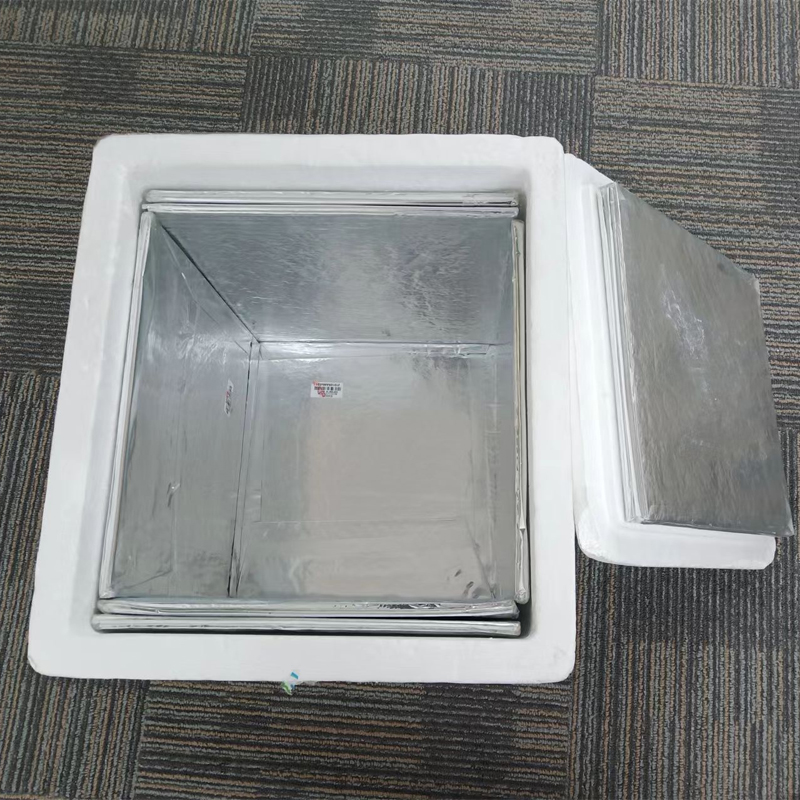
O registro de arquitetura cobre isolamento, refrigerante, posição da carga útil, espaçadores, forros, elementos absorventes ou protetores, caixa externa, encerramento, rótulos, selos, e monitoramento. Ele identifica interfaces críticas e modos de falha. Por exemplo, uma tampa de espuma moldada pode vazar calor na junta; um VIP pode perder desempenho se sua barreira for perfurada; um painel de fibra pode comprimir ou responder à umidade; um pacote de refrigerante pode criar risco de congelamento local; uma etiqueta pode ocultar uma marca obrigatória ou interferir na reciclagem.
O registro deve explicar por que a abordagem escolhida se ajusta à carga útil, cubo de frete, embalagem, manuseio físico, exposição térmica, reutilização ou descarte, e fabricação. Também marca as limitações do protótipo. Uma amostra fabricada à mão pode verificar a geometria, mas não pode representar um processo de produção moldada. Uma maquete impressa pode aprovar a arte, mas não o desempenho do adesivo sob condensação.
Arquivo 3 converte esse raciocínio em resultados controlados:
desenhos de montagem e componentes com dimensões funcionais e tolerâncias;
uma lista de materiais ou especificações de componentes controlados e alternativas aprovadas;
material, mão de obra, encerramento, e requisitos de rótulo;
o pacote completo, incluindo preparação de refrigerante, quantidades, posições, sequência, e casos de carga útil;
configuração e identificação de revisão;
características críticas e métodos de medição;
embalagem, paletização, armazenar, e instruções de manuseio;
um conjunto de referências aprovado, que pode combinar amostras, fotografias, desenhos, e registros.
Não force a divulgação de formulação proprietária onde uma especificação controlada e um acordo de mudança possam gerenciar o risco. Por outro lado, "proprietário" não deve desculpar a ausência de evidências sobre o item adquirido. As partes precisam de informações suficientes para estabelecer a conformidade e avaliar a mudança.
| Arquivo | Pergunta que responde | Liberar evidências | Falha se estiver faltando |
|---|---|---|---|
| 1. Caso de uso e funções | Qual serviço é necessário, e quem aprova? | Requisitos aprovados e mapa de responsabilidades | Suposições do fornecedor; decisões não têm dono |
| 2. Arquitetura | Por que esse sistema deveria funcionar? | Justificativa do projeto, interfaces, riscos, status do protótipo | Material selecionado sem lógica do sistema |
| 3. Especificação lançada | O que exatamente será produzido e embalado? | Desenhos, componentes, pacote, métodos, revisão | Unidades de amostra e a granel se separam |
| 4. Pacote de evidências | O que foi demonstrado, sob quais condições? | Protocolos, dados, relatórios, desvios, aprovações | O título do teste está estendido demais |
| 5. Plano de produção e lançamento | Como a conformidade sobreviverá à escala e à implantação? | Plano de controle, rastreabilidade, treinamento, recebendo, piloto | Operadores e lotes introduzem variação descontrolada |
| 6. Ciclo de vida e registro de alterações | Como o aprendizado de campo e as mudanças propostas serão governadas? | Alterar matriz, história, gatilhos, análises de tendências | Evidências anteriores tornam-se desconectadas do produto atual |
Os seis arquivos não precisam ser seis documentos físicos. Eles podem viver em um sistema de documentos controlado. O que importa é que cada pergunta seja respondida e as ligações entre as revisões sejam claras.
Arquivo 4 torna as evidências específicas o suficiente para serem usadas
A evidência não é a duração de um folheto, uma fotografia de uma câmara, ou uma frase dizendo "passou no ISTA." O pacote de evidências deve identificar a unidade testada e as revisões dos componentes, seleção de amostra, carga útil, refrigerante e condicionamento, pré -condicionamento, detalhes e localizações do sensor, perfil ambiente, condicionamento físico, Critérios de aceitação, dados brutos ou rastreáveis, desvios, Resultados, limitações, e aprovações.
A verificação e qualificação do projeto devem permanecer distintas. A verificação confirma que as saídas atendem às entradas, como uma dimensão de desenho, encerramento, identidade material, rótulo, ou ajuste de carga útil. A qualificação estabelece confiança documentada de que o sistema de transporte definido é adequado para o uso pretendido sob condições aprovadas. A inspeção de rotina ajuda a garantir que a produção permaneça consistente; não repete toda a qualificação em todas as unidades.
Por tempo- e produtos farmacêuticos sensíveis à temperatura, A orientação técnica da OMS descreve a qualificação do contêiner de transporte e as rotas relacionadas e atividades de monitoramento. As boas práticas de distribuição da UE esperam que as condições definidas dos medicamentos sejam mantidas durante o transporte. ISTA 7E fornece perfis padronizados de parcelas de calor e frio, e padrão ISTA 20 fornece um processo padronizado de design e qualificação para contêineres isolados. ISO 22982-1 e ISO 22982-2 atender aos requisitos e métodos de teste para pacotes de pacotes com temperatura controlada.
Utilize apenas referências cujo escopo se ajuste ao projeto. Um perfil padronizado não reproduz todas as pistas. Um laboratório certificado não certifica todas as caixas produzidas por um fornecedor. Um relatório para um arranjo de carga útil e refrigeração não cobre automaticamente outro. Documente a justificativa técnica para os casos de teste e qualquer ponte para os dados existentes.
Os perigos físicos devem ser incluídos quando relevante. Derrubar, vibração, compressão, punção, umidade, e o manuseio repetido pode danificar o fechamento ou o isolamento antes que o desafio térmico ocorra. Sistemas reutilizáveis podem precisar de avaliação após limpeza e desgaste representativo. Testar uma unidade original pode responder a uma pergunta útil, mas pode não responder ao operacional.
Evidências ambientais também pertencem ao Arquivo 4. ISO 14021 apoia reivindicações ambientais autodeclaradas disciplinadas; ISO 14040 e ISO 14044 fornecer estrutura de avaliação do ciclo de vida; ISO 18603 trata embalagens reutilizáveis com seu sistema associado. Um arquivo de reivindicação deve indicar o componente, porcentagem ou atributo quando aplicável, método, escopo de produção, geografia, linha de base, limite do ciclo de vida, e limitações. Um ensaio técnico e uma declaração ambiental são formas de prova distintas, mesmo quando ambos descrevem a mesma caixa.
Ferramentas úteis de decisão
Verifique os detalhes antes de escolher a embalagem
Essas ferramentas rápidas podem ajudá-lo a comparar o risco da rota, necessidades de dimensionamento, escolhas de refrigerante, e detalhes da embalagem antes de solicitar um orçamento.
Resistência à queda de material de isolamento
Revise a resistência à queda e os fatores de manuseio antes de escolher materiais de isolamento.
Verifique a resistênciaSeletor de embalagens
Compare opções de embalagens isoladas por produto, rota, e necessidade de temperatura.
Encontre embalagensReferência de material de isolamento
Compare as opções de materiais de isolamento para diferentes necessidades de embalagens da cadeia de frio.
Compare materiaisArquivo 5 industrializa o design e treina a rede
A liberação da produção começa com a especificação controlada, mas precisa de um processo que a mantenha. O fornecedor deve traduzir características críticas em controles de entrada de materiais, verificações em processo, inspeção final, e tratamento de não conformidades. A identidade e os registros do lote devem ser suficientes para investigar uma reclamação ou alteração.
O controle do processo deve seguir o risco. A densidade moldada ou o tipo de material podem ser importantes para um projeto; integridade da costura ou posição do painel pode ser importante para outro. Um método de medição deve definir o dado, equipamento, condição da amostra, força quando relevante, e aceitação. Materiais flexíveis ou celulares podem fornecer leituras diferentes quando a medição é vaga.
ISO 9001 fornece uma estrutura geral de gestão da qualidade para produtos e serviços consistentes, operações controladas, informação documentada, não conformidade, e melhoria. A certificação pode ser uma entrada para qualificação do fornecedor se seu local e escopo forem verificados. Não substitui a auditoria ou revisão do material específico do item, processo, inspeção, rastreabilidade, e alterar controles.
O plano de produção deverá abranger primeiros artigos ou lotes piloto, comparação entre amostra e produção, embalagem de caixas ou kits vazios, proteção de paletes, condições de armazenamento, e danos no envio. Uma caixa que está em conformidade com a fábrica, mas chega amassada, molhado, ou misturado com outra revisão não chegou ao comprador em estado controlado.
Lançamento vai além da fábrica. Os operadores precisam das instruções de trabalho corretas e dos componentes condicionados. O treinamento deve incluir por que as etapas críticas são importantes, como as variantes são distinguidas, o que fazer com componentes danificados, e como os desvios são registrados. As equipes receptoras precisam de identidade, inspeção, dados de monitoramento, retornar, e instruções de disposição.
Cenário prático: passando do protótipo de espuma para a produção moldada
Imagine uma equipe de biotecnologia que aprova um protótipo de espuma cortada à mão para uma pequena carga útil. Os testes térmicos são encorajadores, e compras solicitam uma versão moldada para volume. A geometria parece idêntica, mas a moldagem pode alterar a distribuição da densidade do material, cantos, ajuste da tampa, e comportamento de superfície. A transição é uma etapa de design e processo, não é uma simples expansão.
Arquivo 2 registra por que a arquitetura moldada deve ser equivalente ou melhorada. Arquivo 3 libera desenhos de produção, controles de materiais, interface da tampa, pacote, e tolerâncias. Arquivo 4 testa unidades representativas da produção sob o protocolo aprovado. Arquivo 5 define a inspeção do primeiro artigo, verificações de processo, identidade do lote, embalagem, e testes de operador. Se a unidade moldada for diferente da amostra cortada à mão, a equipe atualiza as evidências em vez de permitir que o resultado do protótipo siga o nome do produto.
Arquivo 6 mantém o sistema aprovado ativo
Após o lançamento, as informações de campo reforçam ou desafiam as suposições do projeto. Eventos de tendência de temperatura, dano, reclamações de fechamento, desvios de embalagem, componentes faltantes, questões dimensionais, falhas de rótulo, retorna, limpeza de rejeitos, e alterações de rota por revisão e lote, sempre que possível. Um registrador fornece dados, mas não a decisão; procedimentos de qualidade determinam como os dados são avaliados e os produtos dispostos.
O controle de mudanças transforma esse feedback em melhoria controlada. Crie categorias para alterações que o fornecedor possa gerenciar dentro de uma faixa aprovada, alterações que requerem aviso prévio, e alterações que exigem aprovação do comprador ou novas evidências. Considere o tipo ou fonte do material, conteúdo reciclado, construção de espuma ou painel, geometria, ferramentas, adesivo, forro, imprimir, site, refrigerante, pacote, e processo.
Toda revisão de mudança deve perguntar:
Quais requisitos e modos de falha podem ser afetados?
As evidências existentes permanecem aplicáveis?
Que verificação, amostras, testando, ou é necessária requalificação?
Quais desenhos, reivindicações, instruções, e documentos comerciais devem mudar?
Como o inventário antigo e novo será identificado e transferido?
Faça o produto, regulatório, cliente, sustentabilidade, ou as partes interessadas da qualidade precisam de aprovação?
A revisão pode ser proporcional. Uma correção ortográfica de uma obra de arte pode precisar de uma prova controlada. Uma nova fonte VIP ou arranjo de refrigerante pode precisar de uma avaliação extensiva. O que importa é uma justificativa técnica registrada, não é um novo teste completo automático ou uma aceitação automática.
As melhorias ambientais seguem o mesmo ciclo. Reduzindo o material da parede, adicionando conteúdo reciclado, simplificando camadas, ou criar um design reutilizável pode valer a pena, mas cada um altera suposições. O Regulamento de Embalagens e Resíduos de Embalagens da UE 2025/40 geralmente se aplica a partir de 12 Agosto 2026 com inúmeras obrigações encenadas posteriormente, então as embalagens colocadas nesse mercado precisam da categoria atual- e revisão específica da função. As mudanças de sustentabilidade devem preservar o desempenho exigido e atualizar as evidências das reivindicações.
A continuidade comercial também pertence aqui. Concordar com a manutenção e propriedade da ferramenta, fontes alternativas aprovadas, tempo de notificação, desvios de emergência, referências de revisão de pedido repetido, e registrar o acesso. OEM não determina automaticamente a propriedade dos projetos, moldes, relatórios, ou propriedade intelectual; os contratos devem alocar esses direitos explicitamente.
Perguntas frequentes
Todos os seis arquivos devem ser finalizados antes do primeiro protótipo?
Não. O arquivo de caso de uso deve ser maduro o suficiente para orientar o trabalho, enquanto arquitetura, especificação, evidência, produção, e os arquivos do ciclo de vida se desenvolvem através de estágios. Marcar o status do rascunho e as limitações do protótipo. Não libere a produção em volume até que os registros relevantes sejam aprovados e alinhados à mesma configuração.
Quantos protótipos um projeto OEM deve exigir?
Não existe um número universal. As etapas e quantidades do protótipo dependem da novidade, ferramentas, variantes de carga útil, risco de falha, plano de teste, e processo de produção. Definir o que cada amostra pretende comprovar e se é representativa da produção. Mais amostras não controladas não criam evidências mais fortes; aprendizagem planejada faz.
A inspeção pode substituir a qualificação térmica?
Não. A inspeção pode confirmar materiais definidos, dimensões, ajustar, conjunto, ou mão de obra, enquanto a qualificação térmica desafia o sistema completo sob condições específicas. A inspeção ajuda a manter a consistência após a qualificação porque testar cada unidade enviada é impraticável. Ambos devem se conectar ao mesmo design lançado.
O que pertence a uma cláusula de notificação de alteração OEM?
Listar categorias de alteração, observe o tempo, informações necessárias, autoridade de aprovação, regras de avaliação e reteste, desvios de emergência, identificação do lote de transição, registrar atualizações, e tratamento do inventário existente. Materiais de capa, fontes, ferramentas, sites, processos, construção, pacote, rótulos, e reivindicações. Adapte a cláusula ao risco e aos requisitos de qualidade aplicáveis.
Como os compradores devem avaliar um redesenho ambiental?
Primeiro verifique se a proteção do produto e as operações permanecem aceitáveis. Em seguida, defina o atributo ambiental preciso, unidade funcional, linha de base, ciclo de vida e limites geográficos, suposições de reutilização ou recuperação, e evidências. Inclui refrigerante, cubo de frete, perda de produto, retorna, limpeza, dano, e fim da vida, quando relevante. Gerencie o redesenho por meio do controle normal de alterações.
Conclusão
O loop de controle de seis arquivos transforma o OEM de uma promessa de personalização em um sistema sustentável. O uso pretendido estabelece o alvo; arquitetura e especificação definem o pacote; evidência testa uma revisão nomeada; produção e lançamento preservem; dados de campo e controle de alterações mantêm-nos atualizados. Quando esses registros permanecem conectados, os compradores podem escalar, melhorar, e responder às mudanças no fornecimento sem perder a base na qual o remetente isolado foi aprovado.
Sobre Tempk
Tempk é a marca da Shanghai Tempk Industrial Co., Ltda. Isso é embalagem da cadeia de frio soluções incluem gel e água bolsas de gelo, materiais de mudança de fase, forros e sacos isolados, EPS, PPE, e Caixas VIP, capas térmicas para paletes, refrigeradores médicos, registradores de dados de temperatura, e validação e suporte de pacote. Em um projeto OEM, esses elementos podem ser definidos dentro do requisito vinculado, especificação, evidência, produção, e alterar registros. O escopo exato, configuração, responsabilidades, reivindicações, testando, e os termos comerciais devem ser acordados para o caso de uso do comprador.
Envie ao Tempk o primeiro arquivo - sua carga útil, faixa, processo operacional, necessidades de aceitação, e proprietários de decisão - para iniciar uma discussão sobre OEM construída para liberação controlada em vez de uma aproximação de catálogo.