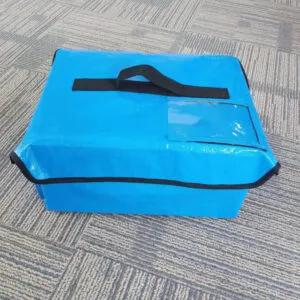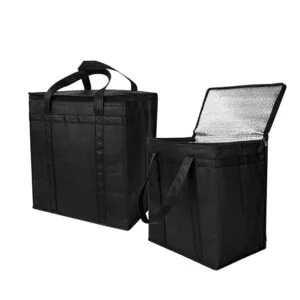
Logotipo de saco de entrega isolado Itália: Da arte ao ativo de frota controlada
Um saco de entrega isolado logo O pedido da Itália deve passar por quatro aprovações antes da produção em volume: a bolsa base deve caber na rota, a arte deve ser autorizada e reproduzível, o produto decorado deve permanecer seguro e funcional, e a frota deve ter um plano credível de utilização e retorno. Tratá-los como uma aprovação de impressão apressada cria uma ambiguidade dispendiosa. O método abaixo os conecta sem confundir a permissão da marca com conformidade do produto ou uma amostra bonita com produção repetível.
Escreva a promessa de serviço antes de projetar a transportadora
A sacola representa uma promessa na porta do cliente. Defina essa promessa em linguagem operacional. Um restaurante pode precisar de recipientes verticais para refeições, acesso rápido ao passageiro, separação de itens incompatíveis, e fácil limpeza. Uma rede de supermercados pode priorizar a identidade dos ativos, organização de ordem mista, ajuste fora do rack, e reatribuição repetida. Um serviço de farmácia pode precisar de reivindicações restritas, entrega rastreável, e alinhamento com um processo de distribuição específico do produto.
Evite transformar a promessa em palavras térmicas não suportadas. Um saco isolado reduz o fluxo de calor; não refrigera ou aquece ativamente seu conteúdo. O resultado da temperatura depende da condição inicial da carga útil, bolsa e fecho, espaço aéreo disponível, refrigerante ou outros componentes quando usados, exposição, padrão de abertura, e rota. Se o serviço depender de um limite de temperatura, definir e avaliar o sistema completo em relação aos requisitos reais do produto.
Observe um ciclo realista antes de desenhar a sacola:
- A carga aguarda na preparação.
- Um selecionador carrega contêineres e quaisquer inserções.
- Um mensageiro fecha e monta ou transporta a unidade.
- A bolsa encontra movimento, clima, para, e aberturas.
- A encomenda é entregue e a transportadora é retida ou devolvida.
- A unidade está limpa, seco, inspecionado, armazenado, e reeditado.
A cada passo, espaço de registro, ações humanas, contaminação, abrasão, flexão, e necessidades de informação. O logotipo deve ficar claro, mas não deve deslocar uma alça, enfraquecer um painel térmico, cobrir um código de ativo, ou dificultar a limpeza.
Defina dimensões internas utilizáveis em torno de contêineres físicos. A capacidade nominal não mostra conicidade, costuras, intrusão de isolamento, divisores, espaço de refrigeração, ou liberação de fechamento. Teste uma pequena carga de rotina e a carga esperada mais exigente. O enchimento excessivo pode impedir o fechamento; o preenchimento insuficiente pode permitir movimento e distorcer painéis de logotipo suave.
Congele o saco base antes de selecionar a impressão
A decoração depende da superfície acabada. Um nome genérico de material como poliéster não revela o revestimento, textura, aditivos, energia superficial, ou sensibilidade ao calor que determinam a compatibilidade de impressão. Solicite a especificação proposta do painel externo e identifique quais atributos são críticos para o processo de decoração.
Revise toda a parede. O tecido externo protege contra manuseio e carrega a imagem. O núcleo de isolamento influencia a resistência térmica e a rigidez. O forro lida com condensação, derramamentos, e limpeza. Laminações e adesivos mantêm a estrutura unida. Costuras, caminhos de zíper, cantos, e as âncoras do cabo podem criar pontos fracos mecânicos e térmicos. Alterar uma camada para melhorar a impressão pode afetar outras funções.
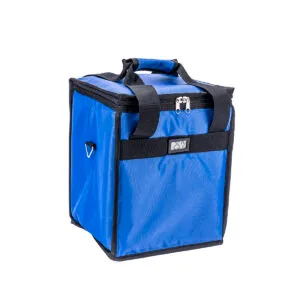
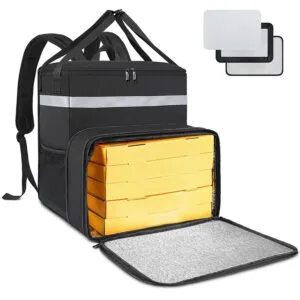
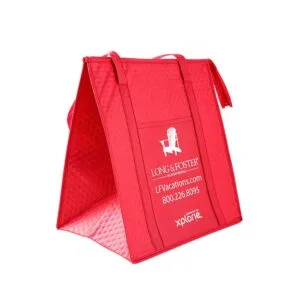
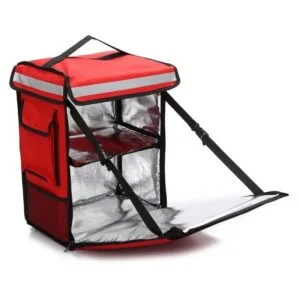
Escolha a geometria final da bolsa antes de colocar a arte. Em uma bolsa dobrável, evite o vinco principal, a menos que o gráfico escolhido se destine a flexionar ali. Em um porta-motocicletas, monte a amostra carregada e identifique os painéis escondidos pelo piloto, quadro, refletores, alças, ou fechamentos. Em um design de transporte manual, observe onde as mãos e as roupas esfregam. Mantenha os detalhes finos longe de costuras e transições texturizadas.
Se a bolsa fizer parte de uma embalagem térmica definida, tratar alterações significativas na construção ou decoração através do processo de mudança técnica do projeto. Uma grande transferência, remendo bordado, ou novo revestimento do painel pode não ser termicamente significativo em todos os projetos, mas a conclusão deve ser revista em vez de assumida.
A aprovação do saco base deve cobrir o ajuste da carga útil, estabilidade carregada, abertura, encerramento, leve conforto, interface do veículo, acesso ao liner, limpeza, secagem, identificação, e mão de obra. Só então uma amostra decorada cara deverá se tornar a referência de produção.
Transforme o logotipo em dados de fabricação controlada
Colete um mestre vetorial, versão de marca aprovada, referências de cores, regra de espaço livre, tamanho mínimo legível, fundos permitidos, e alterações proibidas. Incluir fontes ou texto delineado de acordo com as necessidades de produção. Identifique quaisquer gradientes, regras finas, transparência, base branca, efeitos especiais, ou redação multilíngue que possa alterar a seleção do método.
Os direitos de arte precisam de um proprietário de aprovação nomeado. Se a marca pertencer a um grupo de restaurantes, franquia, varejista, plataforma, patrocinador, ou organismo de certificação, obtenha autorização por escrito adequada antes de imprimir. Esclareça o produto, território, duração, acesso do fornecedor, versões de campanha, e limites de co-branding com aconselhamento jurídico apropriado. Propriedade de arquivo e permissão de impressão não são a mesma coisa.
Atribuir uma revisão e data da arte. O comprovante do fornecedor deverá mostrar a revisão da sacola, tamanho do logotipo, pontos de referência, orientação, cores, método, e cada painel com gráficos. Marca, Compras, operações, e os proprietários legais ou de direitos podem então aprovar o mesmo objeto. As alterações após a amostragem física devem retornar ao arquivo controlado, em vez de permanecerem apenas nos comentários por e-mail.
A cor deve ser aprovada fisicamente quando for importante. As exibições variam, e o resultado percebido muda com a cor do substrato, textura, lustro, opacidade da tinta, iluminação, e processo. Combine uma referência e tolerância prática. Se identidade visual perfeita em papel, telas de aplicativos, pintura de veículo, uniformes, e têxteis revestidos é impossível, o proprietário da marca deve decidir o relacionamento aceitável em vez de pedir à fábrica que adivinhe.
Selecione a decoração pela interface mais fraca
Serigrafia, transferência de calor, impressão digital direta, sublimação, bordado, e painéis removíveis criam interfaces diferentes. A questão útil não é qual método é premium, mas qual falha é mais provável na rota planejada.
As tintas líquidas precisam de umedecimento adequado, adesão, secagem ou cura, e compatibilidade com o revestimento. As transferências dependem de um filme e uma ligação adesiva criada sob calor e pressão controlados. A sublimação requer um substrato compatível e um processo térmico. Bordado adiciona pontos, apoio, compressão, e perfurações. Painéis substituíveis adicionam fixadores, bordas, e um processo de gestão.
| Condição do projeto | Decisão de decoração | Evidências antes da divulgação |
|---|---|---|
| Marca grande em negrito em um painel compatível estável | Tela ou outra impressão direta pode ser prática | Painel de produção decorado, controle de cura, revisão de esfregar e limpar |
| Arte detalhada multicolorida | A transferência ou rota digital suportada pode preservar detalhes | Adesão de borda, flexão, cor, efeito de calor, e use o teste |
| Painel de poliéster imprimível adequado | A sublimação pode integrar o gráfico ao painel | Confirmação de substrato, conversão de cores, verificação de distorção |
| Identidade texturizada premium | Bordado ou crachá podem combinar com a marca | Punção, compressão, obstáculo, higiene, e revisão de parede |
| Frota multicomerciante ou sazonal | Identidade substituível pode reduzir sacos básicos obsoletos | Anexo seguro, controle de perdas, limpeza, processo de expiração de direitos |
| Local de alta flexibilidade ou alta abrasão | Realoque a arte ou redesenhe o painel antes de trocar a tinta | Mapa de dobras carregado, punhos, contato do veículo, e zonas de desgaste |
A tabela direciona os testes para a interface mais fraca. Não é uma afirmação de que um processo sempre superará outro. A química do substrato e o controle de fábrica podem fazer com que dois sacos visualmente semelhantes se comportem de maneira diferente.
Defina durabilidade por meio de modos de falha: desvanecimento, transferência de cores, abrasão, rachaduras, peeling, levantamento de borda, aderência, coloração, delaminação, distorção, agarrar, ou painéis perdidos. Reproduzir flexões relevantes, fricção, umidade, manuseio carregado, armazenar, e o método de limpeza pretendido. Combine os critérios de aceitação antes do teste e registre os materiais, processo, observações, e aprovadores.
Evite reivindicações de ciclo fixo não suportadas. O significado de um ciclo de limpeza depende da química, concentração, temperatura, mecânica, secagem, e avaliação. Use um teste controlado para repetibilidade e um teste representativo de campo para relevância operacional.
Crie um arquivo de versão com decisões de conformidade separadas
O arquivo de liberação deve reunir as decisões, mantendo suas bases jurídicas separadas. No mínimo, deve explicar a autorização de marca registrada, segurança do produto, limite de contato com alimentos, classificação de embalagens, informação ambiental, aprovação de arte, e evidências de desempenho.
Ferramentas úteis de decisão
Verifique os detalhes antes de escolher a embalagem
Essas ferramentas rápidas podem ajudá-lo a comparar o risco da rota, necessidades de dimensionamento, escolhas de refrigerante, e detalhes da embalagem antes de solicitar um orçamento.
Resistência à queda de material de isolamento
Revise a resistência à queda e os fatores de manuseio antes de escolher materiais de isolamento.
Verifique a resistênciaVerificador de risco de rota
Revise as condições da pista antes de selecionar a embalagem para requisitos operacionais reais.
Verifique o risco da rotaCalculadora de bolsa de gelo
Estime a quantidade de bolsas de gelo em gel para remessas refrigeradas e planejamento prático de rotas.
Estimar bolsas de geloPara produtos de consumo abrangidos pelo âmbito em Itália, Regulamento (UE) 2023/988 se candidatou desde 13 dezembro 2024. Empresas relevantes podem precisar de uma análise de risco do produto e documentação técnica, e o produto ou embalagem pode precisar de rastreabilidade, detalhes do fabricante e do operador econômico responsável, e informações de segurança. Ofertas à distância podem trazer requisitos de informação adicionais. O escopo depende do produto e do canal, embora as regras específicas do setor possam acrescentar deveres.
O logotipo do comerciante não é necessariamente a identificação legal do fabricante. Um produto de marca branca pode exibir a marca do cliente e ainda fornecer as identidades e referências do produto necessárias para a rastreabilidade.. Mantenha as informações neutras do produto permanentes quando campanhas removíveis ou painéis comerciais forem usados.
A marcação CE não é um emblema de qualidade universal. Aplique-o apenas quando a legislação que rege o produto real assim o exigir. Uma transportadora passiva pode não estar dentro de um regime de marcação CE; adicionando resfriamento alimentado, aquecimento, baterias, luzes, ou eletrônicos podem alterar a análise jurídica e técnica.
As regras de contato com alimentos seguem o contato pretendido e previsível. Um transportador secundário para recipientes primários selados difere de um revestimento destinado a alimentos soltos. O quadro MOCA da Itália baseia-se nas regras da UE em matéria de contacto com alimentos, incluindo regulamento (CE) 1935/2004 e boas práticas de fabricação sob o Regulamento (CE) 2023/2006, com medidas específicas e nacionais relevantes para determinados materiais. Solicite documentação que identifique o componente acabado exato e as condições de uso. Considere tintas, revestimentos, adesivos, zarpar, caminhos de migração, e limpeza onde o contato pode ocorrer.
A revisão química e de segurança também deve considerar a exposição externa. Resíduos não curados, odor forte, transferir para as mãos ou roupas, emblemas soltos, fixadores afiados, símbolos de temperatura enganosos, e a degradação da limpeza podem tornar-se riscos para o produto. A avaliação da marca por si só não os detectará.
Reserve espaço para informações sobre embalagens italianas
Classifique a transportadora da marca e seus componentes de remessa. A bolsa pode ser um produto, um artigo de transporte reutilizável, embalagem, ou desempenhar funções diferentes em diferentes acordos de fornecimento. A caixa, manga, rótulo, película protetora, inserções, e outros materiais ao seu redor devem ser revisados separadamente.
As regras italianas de rotulagem ambiental para embalagens podem exigir a identificação do material e informações sobre descarte de acordo com o caso aplicável. Um ícone de reciclagem ou logotipo do cliente não substitui esses requisitos. Certifique-se de que o layout gráfico reserve uma área de informações legível e mantenha as mensagens de descarte distintas das reivindicações de marketing.
Regulamento (UE) 2025/40 sobre embalagens e resíduos de embalagens entrou em vigor em 2025 e geralmente se aplica a partir de 12 Agosto 2026. Abrange embalagens colocadas no mercado da UE e resíduos de embalagens, com requisitos e cronogramas de transição que precisam de revisão específica do produto. As especificações da arte e da embalagem devem ser verificadas em relação às regras aplicáveis quando as mercadorias são colocadas no mercado italiano, não apenas quando o projeto foi aprovado.
Trate as alegações ambientais como declarações controladas. “Reutilizável” requer um ciclo operacional; “conteúdo reciclado” deve identificar o componente e a evidência; “reciclável” deve levar em conta a montagem composta e a rota real. Não deixe que um gráfico de folha implique um benefício para todo o produto que o arquivo suporta apenas para uma camada têxtil.
Proteja a aprovação por meio da produção e reutilização
A especificação de produção deve conectar o saco aprovado, painel, preparação de superfície, sistema de decoração, revisão de arte, referência de cor, posição, mão de obra, rastreabilidade, instruções de limpeza, e embalagem. Exigir aviso prévio antes de alterações na fábrica, têxtil, revestimento, espuma, forro, tinta, transferir, adesivo, pré-tratamento, cura, costuras, dimensões, ou método de impressão.
Ao receber a inspeção, verifique a função e a aparência juntas. Verifique a identidade do produto e do lote, dimensões utilizáveis, encerramento, costuras, reforço, forro, limpeza, versão do logotipo, colocação, orientação, cobertura, defeitos de adesão óbvios, e embalagem envolvente. Defina segregação e escalonamento para que um defeito de marca não circule enquanto as equipes debatem responsabilidades.
O processo da frota começa após a aceitação. Atribuir cada operadora, emissão de registro e devolução, aplique o método de limpeza aprovado, seque-o completamente, inspecionar impressão e construção, reparar apenas dentro dos limites definidos, e aposentar unidades que não protegem mais a higiene, manuseio, ou função térmica pretendida. Uma bolsa pode parecer apresentável enquanto as camadas ocultas ou os fechos falham.
Os direitos da campanha e do comerciante precisam de datas de término. Remova painéis obsoletos e controle sacolas de marcas obsoletas para evitar uso não autorizado. Planeje a rota do material para unidades retiradas e evite chamar todo o compósito de reciclável, a menos que exista um caminho baseado em evidências para o mercado pretendido.
Meça a operação, não apenas o material. Devoluções, perdas, falhas de limpeza, reparos, danos na impressão, e os motivos da aposentadoria revelam se o design suporta uma reutilização confiável. Essa evidência torna o próximo pedido mais sustentável e mais econômico, sem depender de reivindicações genéricas do mercado.
Perguntas frequentes
Quando o método do logotipo deve ser escolhido?
Escolha depois da bolsa base, material do painel, revestimento, geometria, limpeza, e as exposições à rota são compreendidas. A arte inicial pode orientar o planejamento do painel, mas a aprovação final do método deve usar uma superfície representativa da produção e uma amostra decorada. Selecionar a impressão antes que o substrato esteja estável cria novos testes evitáveis e risco de cor.
Uma impressora pode alterar meu logotipo para torná-lo fabricável?
Somente através do processo de aprovação da arte acordada. A simplificação técnica pode ser sensata para linhas finas, texto pequeno, gradientes, ou fundos de baixo contraste, mas o detentor dos direitos ou proprietário autorizado da marca deve aprovar a revisão. Mantenha o mestre alterado, prova, e arquivo de produção sob uma nova revisão.
O que torna um teste de durabilidade de impressão relevante?
Deve reproduzir prováveis falhas no uso pretendido: flexão, fricção, condensação, derramamentos, deformação carregada, contato de armazenamento, e o processo de limpeza real. O teste deve identificar materiais, preparação, decoração, condições, e critérios de aceitação. Combine a avaliação controlada com um teste de campo representativo quando o risco justificar.
A sacola isolada é considerada embalagem de alimentos na Itália?
Não automaticamente. Seu status depende da função, modelo de fornecimento, e se entra em contato com alimentos ou serve como embalagem. Um transportador para embalagens primárias seladas difere de um revestimento de contato direto. Classifique o saco e a embalagem envolvente separadamente, em seguida, aplique o MOCA relevante, embalagem, e regras de informação ambiental.
Quem é o responsável quando o logotipo do cliente aparece na sacola?
As responsabilidades podem ser compartilhadas entre o proprietário da marca registrada, fabricante legal, importador, Operador económico responsável da UE, distribuidor, decorador, e empresas que colocam o produto no mercado. O logotipo não substitui essas funções. Defina-os contratualmente, manter autorização de arte por escrito, e preservar a rastreabilidade exigida no produto ou embalagem.
Conclusão: Quatro aprovações criam um produto confiável
Aprovar o ajuste da rota, a obra de arte com direitos controlados, o produto decorado, e o ciclo operacional como decisões separadas. Congelar o substrato antes da seleção de impressão, testar modos de falha em uma amostra realista, e conectar cada reivindicação a evidências. Manter GPSR, contato com alimentos, Rotulagem ambiental italiana, e classificação PPWR visível no arquivo de lançamento. Finalmente, proteja a combinação aprovada com controle de alterações, recebendo inspeção, e reutilização gerenciada. É assim que um logótipo se torna parte de um ativo de frota credível, em vez de um frágil tratamento de superfície.
Sobre Tempk
Tempk é a marca da Shanghai Tempk Industrial Co., Ltda. Apoiamos compradores B2B que avaliam a cadeia de frio e embalagem isolada e produtos de embalagem de controle de temperatura relacionados. Para um projeto de bolsa de marca italiana, podemos ajudar a transformar a carga útil, rota, papel térmico, limpeza, reutilizar, obra de arte, e questões de mercado em um resumo de amostra focado. Compartilhe seu ciclo operacional e canal italiano pretendido com a Tempk para comparar opções práticas e esclarecer as evidências a serem solicitadas antes da produção.