Lancheira isolada em lã a granel: An Approval Blueprint From Brief to Reorder
The risky moment in an lancheira isolada wool bulk project is not the first sample review. It is the reorder, when the original developer has moved on, the supplier proposes a "semelhante" wool pad, and nobody can explain which sample supported the thermal or marketing claim. Prevent that problem by building an approval dossier before mass production. The dossier should define the user, packed lunch, complete bag, applicable claims, controles de produção, and change rules in a form that procurement, qualidade, conformidade, marketing, and the supplier can all follow.
This approach treats approval as a chain of evidence. User fit establishes the design. Complete-bag testing bounds performance. Material and labeling records support claims. A production-representative sample connects development to the purchase order. Incoming inspection and change control keep later lots within the approved state.
Define Success at the Moment the User Opens the Bag
Imagine the intended user at lunch. Which containers, bebida, utensílios, and cold sources must come out? Has the zipper remained closed? Did the bag fit in a locker, commuter tote, office refrigerator, or delivery crate? Can the lining be cleaned after a leak? Is the bag still dry and comfortable to carry? These questions create more useful requirements than a nominal capacity and a logo position.
Build a payload kit with the actual largest and smallest containers. Add the cold sources that instructions will recommend, then include realistic accessories. Measure the kit and weigh the intended loaded condition. Use it for supplier discussions, sample trials, and photographs in the packing instruction. A supplier's internal-volume calculation cannot reveal whether a rectangular glass container catches a curved zipper or whether the cold-source pocket blocks the lid.
Set the user group before selecting features. An adult commuter may value a removable shoulder strap and subtle branding. A child-focused school bag may need smaller proportions, simple hardware, identificação clara, and a specific safety and certification review. A meal-service bag may prioritize stackability, quick wiping, and standardized container orientation. Do not create one feature list by combining all three.
Write intended-use limits. State whether the bag holds only closed food containers or may have direct food contact. Identify whether it is designed for cold lunches, shelf-stable items, ou outro uso. Explain that insulation slows temperature change but does not actively cool food. If perishable lunches are within scope, instructions should be consistent with applicable food-safety guidance. Nos Estados Unidos, USDA guidance recommends using an saco isolado and at least two cold sources for a cold perishable lunch.
Cleaning must fit normal behavior. If the complete bag cannot be immersed, do not use a laundry symbol or phrase that implies machine washing. If only a removable liner is washable, show its removal and drying. Define what happens when liquid penetrates to the wool. A wet hidden pad is a condition decision, not merely a cosmetic complaint.
Translate these observations into pass criteria: the full kit fits without excessive compression; the closure engages completely; the loaded bag can be carried as intended; approved surfaces can be cleaned; the insulation stays located; instructions are understandable; and the final decoration does not interfere with labels or use.
Engineer the Packout Before Making a Time Claim
Wool's crimped fiber network can trap air and slow conductive heat transfer. That mechanism is useful but incomplete. Heat also travels through lining, concha, base reinforcements, costuras, zíper, alças, e lacunas de ar. Warm air enters when the bag is opened. Sunlight and hot surrounding surfaces add radiant exposure. The food and cold sources determine thermal capacity.
Specify the wool pad as an engineered component. Record fiber composition, including any supporting fiber or binder; whether recycled or other content is claimed; relevant treatments; finished mass; thickness under a defined measurement pressure; density or compression condition; formato do painel; cobertura; e retenção. A supplier may manage process settings internally, but the output attributes must be verifiable.
Avoid using building-insulation data as a lunch-bag claim. Laboratory studies help explain why wool can insulate and why density, compressão, and moisture affect behavior. A flat specimen has no zipper, rounded corner, carga útil, or cold source. Use material data to compare and control pads, then test the assembled bag.
The complete-bag protocol starts with a decision. If marketing wants to state a duration, define the lunch or simulant, fontes frias, temperaturas iniciais, perfil ambiente, orientação da bolsa, cronograma de abertura, colocação do sensor, measurement endpoint, and acceptance limit that make the statement meaningful. If the purpose is internal selection rather than a public claim, the same clarity allows candidates to be compared fairly.
Test low and high payloads. The low case may have little thermal mass and more air; the high case may squeeze the lid and displace coolant. Include the final lining, casca externa, zíper, impressão, bolsos, and handles because construction details can create heat paths. Use production-representative units and repeat builds according to the project's risk and quality rationale.
Treat cold sources as part of the configuration. Tipo de registro, unit geometry, quantidade, condicionamento, e posicionamento. Prevent accidental substitutions among similar-looking packs. The bag should generally maintain a correctly prepared meal rather than cool warm food through an uncontrolled process. Instructions should tell users to start with appropriately chilled perishable food and follow current local guidance.
When a test fails, preserve the assembly. Check starting conditions, curve shape, posição do sensor, fechamento com zíper, panel location, base compression, dampness, contato de refrigerante, and payload movement. A thicker pad is not always the best correction; it may consume the space needed for cold sources or complete closure.
Review the Finished Product Through Four Compliance Lenses
The first lens is food contact. FDA considers substances that contact food under intended use within its food-contact framework. A lunch bag holding sealed containers is not the same exposure as a lining intended to touch an unwrapped sandwich. State the intended contact, identify the actual surface and relevant components, and retain documentation that matches the use. "Food safe bag" is too broad if the evidence covers only one lining resin.
The second lens is wool and textile labeling. FTC rules generally require covered wool products to disclose fiber content, country information, and the manufacturer or marketer identity. Textile requirements may also apply, subject to scope and exemptions. Determine whether the finished lunch bag is covered and how hidden wool insulation should be described. The legal analysis should be completed for the target market, not copied from a garment label or another supplier's bag.
The third lens is origin. Raw-fiber source, wool processing, fabric manufacture, impressão, and final assembly may happen in different countries. The finished-product marking must follow the applicable origin standard. Marketing language about local wool or domestic manufacture needs separate substantiation. Keep bills of materials, declarações de fornecedor, registros de produção, and import documentation aligned.
The fourth lens is consumer product safety. If the bag is designed or intended primarily for children twelve or younger in the United States, CPSC requirements for children's products may apply, including applicable rule compliance, third-party testing, certificação, and tracking information. Classification depends on the final design, declarações, promoção, e outros fatores. Child-focused artwork or accessories should be reviewed before approval, not added after testing.
Other markets have different rules for food-contact materials, produtos de consumo, têxteis, chemical restrictions, embalagem, e desperdício. The dossier should contain a destination-market matrix owned by a competent compliance function. Supplier certificates can support the review, but a certificate title is not enough; confirm the issuing body, produto, modelo, materiais, padrões, datas, and current validity.
Care instructions and environmental claims also need legal review. "Limpe," "lavável na máquina," "compostável," "biodegradável," "reciclável," "plastic-free," e "reutilizável" each describe different evidence. A claim about wool should not silently expand to the film, coated shell, zíper, correia, impressão, e refrigerante.
Make the Approval Dossier the Center of the Purchase
Each approval gate should have an owner, evidência necessária, and a defined change trigger. The following table can serve as the dossier index.
| Portão de aprovação | Evidence required for release | Owner's decision | Change that reopens the gate |
|---|---|---|---|
| User and capacity | Payload kit, loaded sample, carry and cleaning observations, approved instructions | Product or operations accepts intended use | Container family, user group, alça, tamanho, método de limpeza |
| Thermal configuration | Final bag identity, wool specification, cold-source packout, protocolo, dados brutos, relatório | Technical or quality function approves bounded use or claim | Tamanho da bolsa, almofada, resina, encerramento, refrigerante, carga útil, exposição |
| Label and claims | Fiber and origin records, revisão de mercado, obra de arte, care and environmental substantiation | Compliance and brand approve exact wording | Composição, fonte, obra de arte, mercado, intended age or use |
| Production reference | Controlled bill of materials, desenho, decorated preproduction sample, workmanship criteria | Procurement and quality release mass production | Fornecedor, grau de material, processo, assembly site, decoração |
| Lot acceptance | Sampling plan, resultados da inspeção, rastreabilidade, nonconformance disposition | Quality accepts, contains, or rejects lot | New lot risk, repeated defect, supplier corrective action |
| Controle de reordenação | Especificação atual, approved changes, análise de reclamação, retained reference | Cross-functional owner confirms approved state | Substitution, revised claim, new market, accumulated field issue |
This table prevents approval from becoming a single signature on a sample tag. Marketing owns its exact words. Compliance owns applicability analysis. Technical staff own the performance boundary. Procurement owns the contracted configuration. Quality owns lot disposition. The supplier provides evidence and controlled production but should not be asked to make the buyer's regulatory or product-release decisions.
Ferramentas úteis de decisão
Verifique os detalhes antes de escolher a embalagem
Essas ferramentas rápidas podem ajudá-lo a comparar o risco da rota, necessidades de dimensionamento, escolhas de refrigerante, e detalhes da embalagem antes de solicitar um orçamento.
Calculadora de gelo seco
Estime as necessidades de gelo seco para remessas congeladas ou ultrafrias antes de embalar.
Estimar gelo secoCalculadora de bolsa de gelo
Estime a quantidade de bolsas de gelo em gel para remessas refrigeradas e planejamento prático de rotas.
Estimar bolsas de geloResistência à queda de material de isolamento
Revise a resistência à queda e os fatores de manuseio antes de escolher materiais de isolamento.
Verifique a resistênciaThe dossier needs version control. Give the specification, obra de arte, rótulo, instrução, protocolo, relatório, and sample a common configuration identifier. A change log should state what changed, por que, which risks were assessed, what verification occurred, and who approved it. Retain superseded versions according to the organization's record policy so an older production lot can be investigated.
Physical reference samples need care. A wool-filled soft bag can compress or age in storage, so the document should carry measurable criteria rather than asking inspectors to match loft by eye. Store a buyer and supplier reference where practical, sealed or marked against unintended use. Photograph construction details and include an approved cross-section sample if it helps verify hidden layers.
Prove Sample-to-Production Consistency
Begin with an engineering sample to resolve geometry. Declare temporary materials so no one mistakes it for an approved unit. After fit is stable, create an artwork sample to review color, método de impressão, posição do logotipo, odor, rub, e limpeza. The final preproduction sample must combine intended production materials, decoração, hardware, rótulos, instruções de cuidados, e montagem.
Compare the preproduction sample with the controlled bill of materials line by line. Confirm wool composition and treatments, pad converter, resina, concha, revestimento, zíper, fio, correia, fivela, impressão, rótulos, individual packaging, and master carton. Measure functional dimensions and pad attributes using agreed methods. Load the sample with the payload kit and cold sources.
Ask the supplier to explain process controls for receiving wool pads, corte, colocação do painel, sewing or sealing, decoração, inspeção final, e embalagem. Natural-fiber variation does not excuse uncontrolled output. Suitable checks may include composition records, massa, grossura, dimensões do painel, cobertura, complete-bag weight as a screen, and destructive audit of selected units.
Inspect the first production run before the entire quantity is shipped when the project risk and logistics allow. Pull samples across production times and cartons. Verify dimensions, encerramento, alças, limpeza, odor, costura, hidden insulation through approved inspection methods, obra de arte, rótulos, e embalagem. If thermal verification is part of the quality plan, use the approved configuration and criteria rather than an improvised quick test.
Define defects before inspection. Missing or false labels, contaminação, isolamento exposto, unsafe hardware, failed straps, or nonclosing zippers may require severe treatment. Dimensional deviations, shifted panels, costuras abertas, color errors, and print defects need agreed classification. An inspection company cannot invent the brand's risk tolerance at the factory gate.
Contractual change control should cover wool source or blend, tratamento, binder, pad construction, grossura, resina, concha, revestimentos, zíper, hardware, tinta, fornecedor, subcontratado, processo, and assembly site. The supplier should request approval before implementation. The buyer should respond through a risk-based path, which may require records, uma amostra, testes direcionados, revisão de etiqueta, or complete requalification.
No recebimento, preserve traceability by lot and carton. Quarantine units if required evidence is missing. A deadline is not a reason to distribute bags with an unresolved fiber label or an unapproved pad. The cost of controlled containment is usually lower than correcting a dispersed bulk program.
Pilot the Service, Then Design the Reorder
A chamber test cannot reveal every behavior. Run a bounded user pilot with representative lunch containers, fontes frias, commutes or storage, hábitos de limpeza, and intended age group. Observe packing without coaching. Record failure modes: omitted cold sources because they do not fit, fechamento incompleto, awkward carrying, condensação, derramamentos, damp storage, danos na impressão, odor, and confusing instructions.
Do not ask users to judge microbial safety by touching or smelling food. If the pilot studies temperature, use a defined measurement plan and qualified interpretation. Separate user-preference feedback from performance evidence. A participant saying "it stayed cold" is useful perception data, not a calibrated result.
For institutional reuse, pilot the reverse flow as carefully as the bag. Rastrear problema, retornar, dirty segregation, limpeza, secagem, inspeção, reparar, liberar, e perda. Determine whether staff and space can support peak inventory. A folding return design may save cube but must not permanently compress or displace wool.
For consumer-owned bags, test care and disposal instructions. Can a recipient identify the wool insert? Can it be removed without cutting? Is the stated recycling or composting route available locally? Se a resposta for não, revise the design or claim. Do not make users responsible for solving a multi-material product the brand did not design for separation.
The first reorder review should combine complaints, retorna, registros de inspeção, mudanças materiais, actual use, and claim performance. It is an opportunity to correct the specification, not merely repeat the purchase order. If the product expands to a new size, mercado, user group, or artwork theme, reopen the relevant approval gates.
Make Environmental Value Verifiable
Wool can contribute renewable fiber and may use grades that have limited apparel demand. The complete bag still has a lifecycle. Map processing, other materials, conjunto, frete, usar, limpeza, substituição, e fim da vida. Compare options by the service delivered, such as an acceptable packed lunch across a defined number of uses, rather than per empty bag.
Product protection belongs in the environmental calculation. A bag that does not fit cold sources or encourages unsafe use can increase food waste. Overspecification also has a cost: excess insulation, large shipping cartons, and unused features consume resources. The best design is the smallest practical system that meets its intended function with an appropriate margin.
Reuse should be measured through completed uses, not a laboratory cycle claim. Track whether recipients actually use the bag, whether institutional units return, and why bags retire. Include cleaning inputs and reverse transport. A high design durability cannot offset widespread loss or nonuse.
End-of-life statements must identify the component and destination. Wool may biodegrade under suitable conditions, but treatments, synthetic binders, filmes, contaminação, and local facility policies affect acceptance. If separation is required, make it visible and easy. If no recovery route is credible, prioritize durable use, repair where practical, and accurate disposal guidance.
Packaging and waste obligations vary by region and continue to evolve. Review how the lunch bag, its retail wrap, shipping carton, and promotional distribution are classified in each market. The European Union's packaging framework, por exemplo, reflects greater attention to lifecycle, rotulagem, reutilizar, e reciclabilidade, but exact duties depend on the item and the business's role. Avoid global claims based on one jurisdiction.
An evidence-led environmental statement is narrower and stronger: it identifies verified wool content, other major components, intended reuse, and available care or end-of-life instructions. It does not promise that every user will achieve the same outcome.
Approve for Use, Produção, and Truth
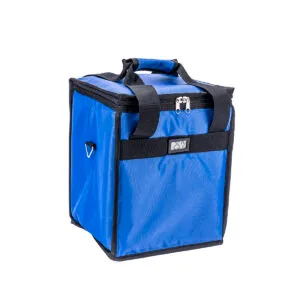
An insulated lunch bag wool bulk purchase is ready when three things align. The bag works for the defined user and packed lunch. The production specification can reproduce the tested construction. The label and marketing describe only what the material and evidence support. An approval dossier keeps those decisions connected through the first shipment and every reorder.
Sobre Tempk
Suprimentos temporários bolsas térmicas, including insulated lunch, remover, and delivery formats, juntamente com pacotes de gel, tijolos de gelo, caixas mais frias, and custom support. Buyers can discuss size, resina, encerramento, marca, divisores, e amostras representativas da produção. For a wool-insulated bag, the available pad composition and construction should be confirmed, and any thermal claim should be evaluated on the final bag with the intended payload and cold sources.
Give Tempk your payload kit, faixa de quantidade, target user and markets, obra de arte, método de cuidado, and approval evidence list. Request a staged sample plan that your product, Compras, qualidade, and compliance teams can sign off together.