Sacolas de compras isoladas: Como você mantém a comida fria no caminho para casa?
Introdução
No mundo de ritmo acelerado de hoje, manter as compras frias no caminho para casa pode ser um desafio, especialmente para itens perecíveis como laticínios, carne, e alimentos congelados. Sacolas de compras isoladas são uma solução simples, mas eficaz. Esses sacos podem retardar o aumento da temperatura, protegendo o frescor de suas compras por um período mais longo. Neste guia, exploraremos como funcionam as sacolas de compras isoladas, os principais recursos a serem procurados, e como você pode otimizar suas viagens de compras em 2025 para minimizar o desperdício e maximizar a segurança alimentar.
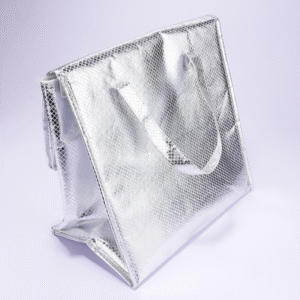
Como as sacolas de compras isoladas mantêm os alimentos frios por mais tempo?
Resposta Direta
Sacolas de compras isoladas mantêm os alimentos frios, reduzindo a transferência de calor entre o ar externo e o conteúdo da sacola. Eles agem como um casaco para suas compras, prendendo o ar frio no interior e minimizando a intrusão de ar quente. Sacos isolados de alta qualidade podem manter os itens frios frescos por 1-3 horas, dependendo de fatores como temperatura externa, a plenitude da bolsa, e a adição de compressas frias.
Explicação expandida
Imagine a temperatura como dinheiro em uma carteira furada. Quanto melhor o isolamento, quanto mais devagar você perde ar frio. O isolamento nesses sacos geralmente é feito de espuma ou materiais em camadas que retêm o ar.. Isto reduz o movimento do calor do exterior para as suas compras, mantendo assim temperaturas mais frias por um período mais longo.
O que mais afeta o desempenho do resfriamento?
| Fator | Desempenho inferior | Maior desempenho | O que isso significa para você |
|---|---|---|---|
| Espessura do Isolamento | Paredes finas | Paredes grossas | Maior retenção de frio |
| Tipo de fechamento | Topo aberto | Tampa com zíper | Menos perda de ar frio |
| Plenitude do saco | Meio vazio | Cheio e embalado | Menos espaço aéreo para aquecer |
| Resfriamento adicional | Nenhum | Pacotes de gelo/gel | Controle de temperatura mais forte |
Dicas práticas para você
-
Use um fecho de correr ao transportar carne, laticínio, ou frutos do mar.
-
Encha bem os sacos para que os itens frios “apoiar” uns aos outros.
-
Adicione uma pequena bolsa fria para viagens mais longas que 30 minutos.
Caso do mundo real:
Um cliente reduziu o sorvete “suavizando reclamações” mudando de uma sacola aberta para uma sacola de compras isolada com zíper.
Por que as sacolas de compras isoladas são importantes para a segurança alimentar?
Resposta Direta
Sacolas de compras isoladas são cruciais para manter a segurança alimentar, evitando que alimentos perecíveis entrem na zona de perigo de temperatura (40-140°F). Quando a carne, laticínio, e alimentos preparados aquecem, bactérias podem proliferar, aumentando o risco de doenças transmitidas por alimentos. Mantendo os alimentos mais frios durante o transporte, você reduz esse risco e prolonga sua vida útil.
Explicação expandida
Você não precisa ser um cientista alimentar para entender que calor, comida úmida estraga mais rápido. Fazer compras depois do trabalho ou fazer tarefas significa que suas compras podem esquentar durante o transporte, especialmente em um dia quente. Sacolas de compras isoladas criam um buffer, ajudando a garantir que sua comida permaneça em uma faixa de temperatura mais segura até você chegar em casa. Para você, isso se traduz em menos preocupações com a segurança alimentar e menos desperdício de alimentos.
Perecíveis comuns que mais beneficiam
-
Carnes frescas e aves
-
Frutos do mar
-
Leite, iogurte, queijo
-
Refeições preparadas
-
Alimentos congelados e sorvetes
Dicas práticas para você
-
Embale os produtos perecíveis por último na finalização da compra.
-
Vá para casa primeiro, antes de outras tarefas, quando estiver calor lá fora.
-
Mantenha as malas no carro para tê-las sempre prontas.
Exemplo prático:
Os compradores que embalam itens congelados em sacolas isoladas com uma bolsa fria relatam visivelmente menos queimaduras de congelamento e menos bordas parcialmente descongeladas.
Quais recursos de sacola de compras isolada você deve procurar?
Resposta Direta
As melhores sacolas de compras isoladas combinam isolamento de alta qualidade, fechamentos apertados, e durável, materiais fáceis de limpar. Embora o tamanho possa parecer importante, são os recursos de desempenho da sacola que realmente garantirão que suas compras permaneçam frias.
Explicação expandida
Sacolas de compras isoladas estão sujeitas a muito desgaste. Eles são derramados, abarrotado de itens pesados, e exposto aos elementos. O saco ideal para você não deve apenas proteger sua comida, mas também sobreviver ao uso diário. Principais recursos como costura forte, um forro limpo, e uma base reforçada garantem que sua bolsa seja durável e eficaz para usos múltiplos.
Lista de verificação de recursos que você pode usar 60 Segundos
| Recurso | O que verificar | Por que você se importa |
|---|---|---|
| Camada de Isolamento | Espuma espessa ou forro multicamadas | Mantém o frio por mais tempo |
| Encerramento | Zíper ou aba apertada | Reduz a perda de temperatura |
| LINHO INTERNO | Limpar, resistente a vazamentos | Menos risco de odor e mofo |
| Costura | Costuras reforçadas | Lida com itens pesados com segurança |
| Base | Plano e firme | Mantém os itens estáveis |
Dicas práticas para você
-
Escolha forros resistentes a vazamentos se você transportar carne ou frutos do mar.
-
Escolha alças reforçadas se você carrega bebidas ou cargas grandes.
-
Evite fechos de velcro fracos para viagens mais longas.
Caso do mundo real:
Uma família reduzida “substituição de bolsa” frequência, atualizando para sacolas de compras isoladas com alça reforçada, projetadas para cargas pesadas de supermercado.
Como você escolhe sacolas de compras isoladas para diferentes cenários de supermercado?
Resposta Direta
Escolha sacolas de compras isoladas com base na duração da viagem, os tipos de comida que você compra, e como você carrega mantimentos. Um único “multifacetado” bolsa pode funcionar, mas muitas pessoas obtêm melhores resultados usando dois tipos: um para congelado, um para refrigerado.
Explicação expandida
Suas necessidades de compras podem variar de tarefas rápidas a viagens semanais maiores. A sacola de compras isolada certa pode ajudá-lo a gerenciar alimentos congelados e resfriados sem comprometer sua qualidade. Combinando suas sacolas com sua rotina típica de compras, você pode obter um melhor controle de temperatura e reduzir a chance de deterioração.
Tabela de seleção de sacolas com base em cenário
| Seu cenário | Melhor tipo de bolsa | Adicionar | O que isso significa para você |
|---|---|---|---|
| 10–20 minutos de deslocamento | Bolsa com isolamento médio | Opcional | Boa comodidade diária |
| 30–60 minutos de deslocamento | Bolsa isolada com zíper | Pacote frio | Mais seguro para laticínios/carne |
| Compras a granel congeladas | Saco com isolamento profundo | 2 pacotes frios | Menos descongelamento e recongelamento |
| Múltiplas tarefas | Dois sacos isolados | Pacotes frios | Separa congelados e resfriados |
Dicas práticas para você
-
Use um saco para congelados, um para itens refrigerados.
-
Leve os ovos e produza separadamente para evitar problemas de esmagamento e umidade.
-
Mantenha uma sacola reserva para compras inesperadas.
Caso prático:
Um viajante que faz compras no caminho para casa melhorou o frescor da carne ao embalá-la em uma sacola de compras isolada com zíper e uma bolsa fria.
Como você deve embalar sacolas de compras isoladas para melhor desempenho?
Resposta Direta
Embale sacolas de compras isoladas como você embala um refrigerador: itens frios juntos, ar vazio mínimo, e os alimentos mais sensíveis à temperatura na zona central mais fria. A ordem de embalagem pode alterar o desempenho mais do que você imagina.
Explicação expandida
Para obter o melhor desempenho, trate sua sacola de compras isolada como um mini refrigerador. Itens frios devem apoiar uns aos outros, e você deseja minimizar as lacunas de ar que permitem a circulação do ar quente. Embalando adequadamente, você pode manter uma melhor qualidade dos alimentos ao desempacotar em casa.
Regras simples de embalagem que funcionam
-
Itens congelados vão para baixo (base fria).
-
Laticínios e carne vão no centro (zona mais protegida).
-
Itens macios vão por cima (evitar esmagamento).
-
Feche o zíper imediatamente (não “vazar” ar frio).
Mesa de suporte de embalagem
| Escolha de embalagem | Boas Práticas | Má prática | O que isso significa para você |
|---|---|---|---|
| Produtos congelados | Agrupar juntos | Espalhe pelas sacolas | Menos descongelamento |
| Colocação de bolsa fria | Na parte superior ou nas laterais | Sob itens quentes | Melhor cobertura de resfriamento |
| Plenitude do saco | Bem embalado | Meio vazio | Aquecimento mais lento |
| Separação | Carne crua isolada | Produtos que tocam carne | Melhor higiene |
Dicas práticas para você
-
Adicione uma pequena camada de toalha entre as bolsas de gelo e os produtos delicados para evitar manchas de congelamento..
-
Use um saquinho separado para carne crua se você compra com frequência.
-
Desembale imediatamente quando chegar em casa.
Caso do mundo real:
Um comprador reduzido “bagas congeladas aguadas” embalando itens congelados firmemente em uma sacola de compras isolada, em vez de dividi-los em várias sacolas.
Como você limpa e mantém sacolas de compras isoladas?
Resposta Direta
Limpe regularmente sacolas de compras isoladas para evitar odores, mofo, e contaminação - especialmente depois de transportar carne, frutos do mar, ou laticínios. Uma limpeza após cada uso e uma limpeza mais profunda semanalmente podem manter as bolsas higiênicas e duradouras.
Explicação expandida
A umidade presa dentro de sacolas de compras isoladas pode causar odor e mofo. Mantendo uma rotina de limpeza consistente, você pode prolongar a vida útil de suas malas e, ao mesmo tempo, garantir que elas permaneçam seguras para contato com alimentos.
Tabela de Limpeza e Manutenção
| Tarefa | Freqüência | Como fazer | Beneficiar para você |
|---|---|---|---|
| Limpeza rápida | Depois de cada viagem | Sabonete suave + água morna | Evita o acúmulo de odores |
| Limpeza profunda | Semanalmente | Lavar forro + seque completamente | Reduz o risco de mofo |
| Secagem | Cada limpo | Secar ao ar com o saco aberto | Prolonga a vida útil da bolsa |
| Inspeção | Mensal | Verifique costuras e zíper | Evita falhas repentinas |
Dicas práticas para você
-
Seque os sacos completamente antes de dobrá-los ou guardá-los.
-
Evite cheiros fortes de alvejante, a menos que você enxágue bem.
-
Armazene com o zíper aberto para reduzir a umidade presa.
Caso prático:
Uma família eliminou o “cheiro azedo” recorrente mudando para a secagem completa ao ar após cada limpeza.