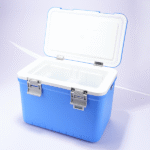
grande caixa EPP para envio de produtos perecíveis: Como escolher a caixa certa sem exagerar no desempenho
Um grande Caixa EPP para produtos perecíveis, vale a pena considerar o envio quando você precisar de isolamento reutilizável, proteção contra impacto, e manuseio prático em um fluxo de trabalho sensível à temperatura. Não deve ser tratado como uma resposta mágica para todos os problemas da cadeia de frio. A caixa, refrigerante, carga útil, encerramento, exposição da rota, e o processo de documentação funcionam juntos. Para um comprador sério, o objetivo é definir primeiro as condições de operação, depois pergunte se a caixa do EPP pode apoiá-los com evidências, amostras, e produção consistente.
A resposta prática: escolha-o quando sua remessa ou programa de entrega se beneficiar de isolamento reutilizável, resistência ao impacto moldada, e manuseio manual mais fácil. Não escolha apenas porque o nome do produto parece atraente. Confirme a carga útil, faixa de temperatura necessária, duração da rota, plano de refrigeração, rotina de limpeza, e suporte ao fornecedor antes de fazer um pedido em grandes quantidades.
O quadro de decisão: material, rota, carga útil, e prova
Uma caixa grande de EPP para remessa de produtos perecíveis deve ser avaliada em relação a toda a pista de trabalho, não só contra o momento da entrega. Antes do envio, a caixa pode ser guardada em um armazém. Durante o transporte, pode ficar em uma van, caminhão, área de aceitação de aeronaves, rack de restaurante, ou espaço para eventos ao ar livre. Após a chegada, pode esperar novamente antes que a carga seja descompactada. Cada ponto de espera é importante.
Se a remessa envolver produtos farmacêuticos ou outros produtos regulamentados, a revisão da rota fica ainda mais rigorosa. Os limites de temperatura do produto devem ser confirmados, e as equipes de qualidade podem esperar procedimentos de manuseio documentados, monitoramento, e evidência de que o sistema de embalagem escolhido foi revisado para o uso pretendido. Para comida e take-away, a linguagem regulatória pode ser diferente, mas a higiene e a qualidade dos produtos ainda dependem de um processo disciplinado.
O hábito de compra mais seguro é anotar as suposições da pista antes de solicitar um orçamento. Indique a carga útil, uso desejado, frequência de manuseio, perfil de rota aproximado, processo de limpeza, e se a caixa faz parte de um sistema de temperatura controlada. Isso dá ao fornecedor a oportunidade de recomendar com responsabilidade, em vez de adivinhar.
Onde uma caixa EPP ajuda e onde não é suficiente
O EPP é atrativo em embalagens de transporte porque combina diversas características difíceis de equilibrar na logística diária. É leve o suficiente para carregar na mão, resistente o suficiente para manuseio repetido, e isolante o suficiente para suportar um pacote passivo. Em uma grande caixa EPP para envio de produtos perecíveis, essas características são mais valiosas quando os trabalhadores precisam movimentar mercadorias com frequência, em vez de tratar a caixa como um invólucro de transporte descartável.
A palavra isolado deve ser lida com atenção. O isolamento retarda o movimento do calor; não mantém automaticamente uma temperatura escolhida. Se os seus produtos forem sensíveis ao calor ou ao congelamento, a caixa grande de EPP para remessa de produtos perecíveis deve ser combinada com o refrigerante ou PCM correto, um layout de embalagem claro, e um processo de recebimento que verifica a condição do produto. Isto é especialmente importante para os cuidados de saúde, frutos do mar, laticínio, refeições preparadas, ou outras cargas de alto risco.
Confirme se o volume listado é espaço interno bruto ou espaço de carga útil após a inclusão do líquido refrigerante e dos divisores. Esta pergunta simples separa uma conversa real sobre embalagens de um discurso de vendas superficial. Um fornecedor que pode discutir limites de materiais e condições operacionais é geralmente mais útil do que aquele que apenas repete afirmações amplas.
Pontos de verificação antes de fazer o pedido
| Decisão de compra | O que verificar | Por que isso afeta o resultado |
|---|---|---|
| Ajuste de rota | Duração, pontos de espera, condições do veículo, e transferências | O desempenho do isolamento é afetado pela forma como a caixa é manuseada em movimento real. |
| Ajuste de carga útil | Forma, peso, fragilidade, e espaço restante após o refrigerante | Uma caixa muito grande ou muito apertada pode criar erros de embalagem. |
| Disciplina de fechamento e tampa | Assento da tampa, pressão de vedação, comportamento de trava, e hábito do usuário | O ganho de calor geralmente acontece através de lacunas, abertura repetida, ou mau fechamento. |
| Programa de reutilização | Limpeza, inspeção, armazenamento de retorno, e controle de danos | O valor reutilizável depende da disciplina operacional, não apenas reciclabilidade de materiais. |
| Evidência do fornecedor | Amostras, fichas técnicas, base de teste, e consistência de produção | As evidências ajudam a evitar alegações de desempenho ou qualidade não suportadas. |
Uma grande caixa EPP para remessa de produtos perecíveis é um contêiner prático, mas a decisão deve ser tomada como uma decisão do sistema. A tabela ajuda a separar os recursos visíveis das verificações que realmente afetam o desempenho em campo. Também fornece compras, operações, e equipes de qualidade uma linguagem comum para revisar amostras.
Usando a caixa dentro de uma embalagem real
A embalagem é o verdadeiro arranjo de trabalho dentro da grande caixa EPP para envio de produtos perecíveis. Inclui colocação de produto, refrigerante ou bolsa de gelo posição, divisores, forros, documentos, espaço vazio, e a ordem em que os trabalhadores fecham a tampa. Dois compradores podem usar a mesma caixa e obter resultados diferentes se uma embalagem for disciplinada e a outra improvisada.
O contato do refrigerante é um exemplo comum. Alguns produtos não devem ficar diretamente encostados em embalagens congeladas; outros precisam de um buffer térmico mais próximo. Alimentos perecíveis, restaurante para levar, bebidas ao ar livre, materiais médicos, e amostras de laboratório se comportam de maneira diferente. É por isso que o fornecedor deve saber se o objetivo é a retenção refrigerada, suporte congelado, proteção térmica simples, ou manuseio isolado geral.
A abordagem mais segura é documentar um procedimento simples de embalagem durante o teste de amostra. Marque para onde vai a carga útil, como o refrigerante é condicionado, quanto espaço livre é aceitável, quando a caixa está fechada, e como é verificado no recebimento. Uma grande caixa EPP para remessa de produtos perecíveis torna-se mais confiável quando as pessoas que a utilizam não precisam adivinhar.
Notas de aquisição para controle da amostra até a produção
O setor de compras não deve tratar uma caixa grande de EPP para remessa de produtos perecíveis como uma simples mercadoria até que o fluxo de trabalho seja definido. A mesma caixa pode ser uma boa escolha para um comprador e uma escolha inadequada para outro, devido ao formato da carga útil., comprimento da rota, processo de devolução, limpeza, armazenar, e as expectativas de qualidade variam.
Ferramentas úteis de decisão
Verifique os detalhes antes de escolher a embalagem
Essas ferramentas rápidas podem ajudá-lo a comparar o risco da rota, necessidades de dimensionamento, escolhas de refrigerante, e detalhes da embalagem antes de solicitar um orçamento.
Forro de caixa & Dimensionamento da cobertura de paletes
Verifique a lógica de dimensionamento do forro da caixa e da tampa do palete para projetos de embalagens isoladas.
Dimensionamento estimadoCalculadora de bolsa de gelo
Estime a quantidade de bolsas de gelo em gel para remessas refrigeradas e planejamento prático de rotas.
Estimar bolsas de geloResistência à queda de material de isolamento
Revise a resistência à queda e os fatores de manuseio antes de escolher materiais de isolamento.
Verifique a resistênciaUma solicitação útil de cotação inclui mais do que um preço-alvo. Inclui o uso esperado, dimensões internas e externas, se conhecidas, tipo de carga útil, método de transporte, personalização desejada, faixa de quantidade do pedido, expectativas de amostragem, e se a caixa será emparelhada com pacotes de gel, tijolos de gelo, PCM, gelo seco, ou outra fonte fria. Se esses detalhes forem desconhecidos, declare a incerteza e peça opções.
A melhor resposta do fornecedor geralmente será específica e não dramática. Procure explicações sobre compensações: mais leve versus mais forte, maior capacidade versus margem de temperatura, lidar com conforto versus empilhabilidade, aparência premium versus custo, e design reutilizável versus carga de trabalho de limpeza. A linguagem de trade-off é um sinal de que o fornecedor entende as operações.
Notas de risco que os compradores não devem ignorar
Vários erros aparecem repetidamente quando os compradores avaliam uma grande caixa EPP para envio de produtos perecíveis. A maioria não são falhas técnicas a princípio; são falhas de suposições. Espera-se que a caixa resolva problemas que deveriam ter sido definidos anteriormente pelo planejamento de rotas, revisão de pacote, ou qualificação de fornecedor.
- Não presuma que a frase caixa grande de EPP para remessa de produtos perecíveis prova que a caixa está qualificada para sua remessa exata. A qualificação depende da aplicação, rota, pacote, e evidências.
- Não compare preço sem comparar o volume utilizável. Refrigerante, documentos, divisores, e a proteção da carga útil pode transformar uma caixa de aparência grande em uma embalagem compacta.
- Não ignore o comportamento de fechamento. Assento ruim da tampa, abertura repetida, ou superfícies de vedação sujas podem reduzir o valor prático do isolamento.
- Não aprove um design personalizado apenas com base em desenhos. Alças, tampas, cantos, e linhas de dobra devem ser verificadas com amostras carregadas sempre que possível.
- Não deixe que as reivindicações de sustentabilidade substituam o planejamento operacional. Reutilizar, limpeza, logística de retorno, e a classificação em fim de vida determinam se a ideia mais ecológica funciona na prática.
Cenário típico: corrigindo a especificação antes da compra em massa
Imagine um comprador se preparando para usar uma grande caixa EPP para envio de produtos perecíveis para produtos frescos, frutos do mar, ingredientes refrigerados, pacotes congelados, refeições preparadas, e lotes maiores de entrega de perecíveis. A primeira amostra parece forte, e a caixa vazia é fácil de transportar. Durante um julgamento, a equipe descobre que depois que o refrigerante e os divisores são adicionados, o espaço de carga útil real é menor que o esperado. Um segundo problema aparece durante a limpeza: resíduos de alimentos ou adesivo de rótulo se acumulam em torno de um recesso da alça. A caixa não é um produto ruim, mas a primeira especificação perdeu os detalhes de trabalho. O comprador atualiza o pacote, pede ao fornecedor para confirmar as opções de alça e superfície, e registra uma lista de verificação de recebimento simples antes de fazer um pedido maior. Esse tipo de teste é mais útil do que confiar em uma manchete porque mostra como a caixa se comporta dentro do processo real do comprador..
A lição não é que todos os compradores enfrentarão o mesmo problema. A lição é que um reutilizável Recipiente isolado deve ser aprovado através de um teste de trabalho, não só pela aparência, preço, ou uma ampla reivindicação material. Quando o teste captura o manuseio real, a especificação se torna mais útil tanto para o comprador quanto para o fornecedor.
Detalhes operacionais que geralmente decidem o valor a longo prazo
O valor a longo prazo depende do ritmo de uso. Uma grande caixa de EPP para remessa de produtos perecíveis pode funcionar bem durante um teste controlado, mas apresenta dificuldades quando os trabalhadores estão apressados, os veículos estão lotados, ou as caixas devolvidas são empilhadas sem inspeção. Defina quem é o dono da caixa após a entrega, onde está armazenado, quem limpa, quem verifica os danos, e como são registradas tampas faltantes ou alças quebradas. Estes controlos normais muitas vezes decidem se embalagem reutilizável torna-se um trunfo ou uma fonte de confusão.
A rotulagem merece mais atenção do que muitos compradores lhe dão. Caixas usadas em alimentos, médico, ou programas de entrega podem precisar de identificadores de produto, códigos de rota, instruções de devolução, limpeza de marcas de status, ou marca voltada para o cliente. As etiquetas devem ser legíveis sem bloquear as superfícies de fechamento ou criar resíduos que dificultem a limpeza. Se a caixa for personalizada, planeje a área da etiqueta junto com a alça e o design de empilhamento, em vez de adicioná-la no final.
O armazenamento é outro custo oculto. Caixas rígidas precisam de espaço; dobrável, dobrável, ou sistemas encaixáveis precisam de confirmação de que o recurso de economia de espaço não enfraquece a estrutura de trabalho. Para um pedido em grandes quantidades, as equipes do armazém devem fazer parte da revisão. Eles podem dizer se as caixas são fáceis de contar, pilha, escolha, retornar, e separar quando danificado.
Perguntas frequentes
Uma caixa grande de EPP para remessa de produtos perecíveis é suficiente para remessa com temperatura controlada??
Não por si só. Uma grande caixa EPP para transporte de produtos perecíveis pode fornecer isolamento e proteção contra impactos, mas Envio controlado por temperatura também depende da exigência do produto, refrigerante ou PCM, layout de embalagem, exposição da rota, tempo de manuseio, e monitoramento ou documentação quando necessário. Trate a caixa como um componente de um sistema, especialmente para produtos farmacêuticos, frutos do mar, laticínio, ou outros bens sensíveis.
Qual é a especificação mais importante para comparar?
Não existe uma especificação única que decida a compra. Espaço de carga útil, confiabilidade de fechamento, conforto de transporte, empilhabilidade, ajuste de limpeza, e a compatibilidade do pacote geralmente é mais importante do que uma única dimensão do título. Se a caixa suportará o trabalho da cadeia de frio, pergunte como ele é usado com refrigerante e como o desempenho é verificado para a faixa pretendida.
Como devo testar uma amostra antes da aprovação?
Carregue-o com a carga real ou um substituto próximo, adicione o refrigerante esperado, se necessário, feche a tampa como os trabalhadores fariam, carregue-o, empilhe, limpe-o, e inspecione-o após o uso. O objetivo é ver se a caixa se adapta ao fluxo de trabalho, não apenas se parece correto quando vazio.
O EPP é reciclável e reutilizável??
O EPP é amplamente descrito como reciclável e é frequentemente usado em embalagens moldadas reutilizáveis. O resultado prático da sustentabilidade ainda depende do seu ciclo de retorno, processo de limpeza, taxa de dano, rota de reciclagem local, e plano de aposentadoria. Os compradores devem verificar como as caixas usadas serão coletadas, classificado, e manuseado no final da vida.
Quando devo evitar esse tipo de caixa?
Evite quando sua equipe não consegue definir a rota, exigência do produto, rotina de limpeza, ou ajuste de carga útil. Evite também tratar uma caixa como qualificada embalagem da cadeia de frio sem evidência de embalagem. Se a remessa for de alto valor, regulamentado, ou altamente sensível à temperatura, envolve qualidade, logística, e equipes de embalagem antes da aprovação.
Conclusão
A caixa grande de EPP certa para o transporte de produtos perecíveis é escolhida combinando as vantagens do material com a realidade operacional. EPP pode suportar baixo peso, manuseio reutilizável, isolamento, e proteção contra impactos, mas essas vantagens só se tornam úteis quando a caixa se ajusta ao caminho, carga útil, plano de refrigeração, processo de limpeza, e controles de fornecedores. Antes de comprar, definir o caso de uso, testar uma amostra, verificar qualquer reivindicação de desempenho, e certifique-se de que o projeto aprovado possa ser repetido na produção.