Pacote de gelo seco do fabricante para entrega farmacêutica: Da necessidade ao fornecimento controlado
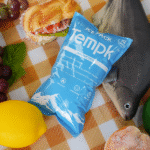
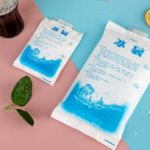
Selecionando um fabricante pacote de gelo seco para entrega farmacêutica é uma decisão do ciclo de vida. O produto aqui considerado é uma folha celular seca que é hidratada com água e congelada antes do uso.. Não é dióxido de carbono sólido. Ele fornece resfriamento armazenado somente quando integrado em um expedidor isolado com uma carga útil definida, separador, método de preparação, rota, e instruções de operação.
O requisito farmacêutico exato rege o design. Uma gama refrigerada comum não pode ser alargada a todos os medicamentos, e uma embalagem congelada não é automaticamente adequada para um produto sensível ao congelamento. Comece com informações aprovadas do produto e termine com evidências do sistema completo.
Defina o limite da evidência antes da fonte
As equipes de compras podem evitar a maior parte da confusão de reclamações, atribuindo a cada parte uma função clara.
O proprietário do produto define as condições necessárias, informações de estabilidade, decisões de excursão, e aprovação de qualidade. A engenharia de embalagem projeta e qualifica a embalagem completa. Operações prepara e monta. A logística gerencia a rota e as entregas. O fabricante controla as especificações da folha de hidratação e fornece informações relevantes sobre os componentes.
Nenhum componente sozinho é "compatível com produtos farmacêuticos." Uma folha pode atender a uma especificação acordada. Um pacote pode ser qualificado para condições definidas. Uma rota pode ser monitorada e controlada. A conformidade depende do produto aplicável, atividade, organização, e exigências do mercado.
Hora da OMS- e a estrutura farmacêutica sensível à temperatura apoia esta visão baseada no risco. A qualidade do produto é protegida através de condições definidas de armazenamento e transporte, sistemas adequados, procedimentos, monitoramento, qualificação, e revisar.
Defina o produto e o movimento
Prepare um resumo técnico conciso:
- Remédio exato, forma farmacêutica, e apresentação
- Condições aprovadas de armazenamento e transporte
- Congelar, aquecer, luz, umidade, ou lidar com a sensibilidade quando relevante
- Autoridade de avaliação de excursões
- Cargas mínimas e máximas
- Remetente isolado em consideração
- Origem, destino, e armazenamento intermediário
- Etapas da rota, transferências, temporadas, e atrasar
- Monitoramento e fluxo de trabalho de dados
- Recebimento e quarentena
- Modelo esperado de compra e preparação
Para operações de portfólio, agrupar produtos somente quando o proprietário do produto justificar condições compartilhadas e suposições de embalagem. Tamanho de caixa semelhante não prova equivalência térmica ou de estabilidade.
Indique claramente se "pacote de gelo seco" significa uma folha ativada por água. O CO2 sólido real é um refrigerante diferente com gás, segurança, e controles de transporte. Pertence apenas a sistemas específicos de produtos projetados para ele.
Mantenha as duas categorias de refrigerante distintas nos dados mestre e no armazenamento. Nomes de fornecedores, descrições de itens, documentos de segurança, instruções de embalagem, e os locais de armazenamento não devem permitir que uma folha de hidratação seja coletada como CO2 ou vice-versa. A equipe que lida com CO2 sólido real precisa do processo de segurança e transporte aplicável; a equipe que prepara lençóis de hidratação precisa de água, congelando, e controles de embalagem. A redação comercial compartilhada nunca deve colapsar esses caminhos de treinamento.
Faça a triagem do fabricante em dois estados
O comprador recebe um componente seco, mas utiliza um hidratado, componente congelado. Ambos os estados pertencem à avaliação do fornecedor.
| Área de revisão | Pergunta do estado seco | Pergunta do estado preparado | Limite de evidência |
|---|---|---|---|
| Identidade | O produto é rotulado como uma folha de hidratação? | A água congelada é o refrigerante de trabalho? | Não estabelece adequação farmacêutica |
| Geometria | O que são dimensões e layout de célula? | O que são hidratados fit, grossura, e flexibilidade? | O ajuste deve ser verificado na embalagem final |
| Integridade | Como os filmes e os selos são inspecionados? | Como eles toleram o congelamento e o manuseio? | Nenhuma vida de reutilização universal deve ser assumida |
| Preparação | Quais instruções de ativação e armazenamento se aplicam? | Como o congelamento e o condicionamento são controlados? | O processo do cliente deve ser verificado |
| Dados térmicos | Quais informações de componentes estão disponíveis? | Qual montagem completa foi testada? | Os resultados aplicam-se apenas às condições divulgadas |
| Produção | Como são controlados os lotes e as alterações? | O material comercial corresponde à amostra? | O cliente aprova alterações por meio de análise de risco |
A matriz ajuda a distinguir um componente controlado de um sistema qualificado. Também expõe lacunas precocemente, antes que a negociação comercial crie pressão para aprovar uma amostra.
Projete o caminho do fluxo de calor
A água congelada absorve o calor que entra à medida que aquece e derrete. O isolamento retarda a entrada de calor vindo de fora. Massa de carga útil, ar interno, separadores, e o contato determinam para onde esse calor se move.
Para um medicamento sensível ao congelamento, uma folha tocando uma caixa pode criar uma condição de frio local. Um sensor de ar central pode não detectá-lo. As opções de controle incluem um separador especificado, posição fixa da folha, condicionamento de refrigerante, material alternativo de mudança de fase, e configurações separadas para extremos de carga útil.
O separador faz parte do design térmico. Seu material, grossura, umidade, compressão, e assunto de cobertura. O mesmo se aplica ao preenchimento de vazios, caixa externa, encerramento, e porta-logger. Preserve-os na lista de materiais e no desenho.
A proteção do lado quente precisa de igual atenção. O calor pode entrar pelas tampas, costuras, e aberturas, e uma carga carregada muito quente pode consumir a capacidade disponível. O projeto deve equilibrar ambos os limites da rota definida.
Não escolha o pior caso por intuição
A carga mínima pode ser severa para congelamento. A carga máxima pode ser severa para aquecimento ou fluxo de ar. O verão pode causar entrada de calor; o inverno pode combinar ambiente frio e líquido refrigerante congelado. O desenvolvimento deve investigar essas possibilidades, e o protocolo deverá testar os casos justificados pelo risco.
Faça da preparação uma etapa de produção controlada
A hidratação transforma a folha seca em sua forma funcional. Isso significa que o local de envio influencia a massa do refrigerante, grossura, e comportamento de congelamento.
Escreva um processo que controle:
1. Lote de componentes liberado
2. Recipiente de hidratação e disposição em lote
3. Acesso e manuseio de água
4. Drenagem
5. Rack do freezer e padrão de carregamento
6. Identidade do lote e status do inventário preparado
7. Verificação do estado requerido
8. Condicionamento quando aplicável
9. Manuseio máximo descontrolado antes do fechamento da embalagem
10. Segregação de folhas danificadas
Verifique o processo no volume máximo. Tanques de hidratação ou freezers lotados podem alterar o preparo. Um site de backup pode usar racks diferentes, equipamento, ou pessoal e precisa de uma transferência controlada.
A higiene e a gestão da humidade são importantes. Definir limpeza, resposta a derramamentos, manuseio de material úmido, e proteção de etiquetas e componentes corrugados. Se um saco de contenção adicional for introduzido, trate isso como uma mudança de embalagem porque pode alterar a transferência de calor.
Desenvolver, Qualificar, e transferir o sistema completo
Ensaios de desenvolvimento comparam componentes e expõem riscos. Use-os para refinar separadores, colocação de refrigerante, variantes de carga útil, e localização dos sensores. Eles não são evidências finais.
A qualificação formal começa com critérios de aceitação aprovados. O protocolo identifica a lista exata de materiais, carga útil ou simulador justificado, condição inicial, preparação de refrigerante, perfil ambiente, duração, mapa de sensores, repetições, e desvios. A instrumentação deve ser adequada e apoiada pelo processo de calibração da organização.
Sensores testam hipóteses. Coloque-os perto de zonas de contato frio previstas, prováveis caminhos de entrada quentes, e regiões de carga útil representativas. Identifique se cada ponto mede o ar, superfície, ou resposta do simulador.
Ferramentas úteis de decisão
Verifique os detalhes antes de escolher a embalagem
Essas ferramentas rápidas podem ajudá-lo a comparar o risco da rota, necessidades de dimensionamento, escolhas de refrigerante, e detalhes da embalagem antes de solicitar um orçamento.
Calculadora de bolsa de gelo
Estime a quantidade de bolsas de gelo em gel para remessas refrigeradas e planejamento prático de rotas.
Estimar bolsas de geloResistência à queda de material de isolamento
Revise a resistência à queda e os fatores de manuseio antes de escolher materiais de isolamento.
Verifique a resistênciaRefrigerante & Referência PCM
Compare as opções de refrigerante e PCM quando uma rota precisar de suporte adicional de temperatura.
Comparar opçõesAs informações da rota informam o desafio. Mapeie a sala da mochila, doca, veículos, centros, residência transfronteiriça, quando relevante, última milha, e recebendo. Considere atrasos credíveis e mudanças de custódia. Perfis históricos são evidências úteis, mas não promessas.
A qualificação operacional ou um teste de envio controlado confirma que a equipe de rotina pode reproduzir o método e que as interfaces de transporte e recebimento funcionam. O relatório final deve apontar para a instrução de embalagem aprovada. Ajustes de engenharia não escritos não devem se tornar requisitos ocultos.
Transfira o projeto qualificado para dados mestre e treinamento
Um relatório de qualificação não controla o trabalho de rotina por si só. Converter o projeto aprovado em informações que a compra, inventário, o armazém, transporte, e sistemas receptores podem usar.
Dê a cada configuração um identificador exclusivo. Mantenha uma lista de materiais aprovada com a folha de hidratação, isolamento, separador, preenchimento vazio, caixa externa, registros mantidos, e fechamento. Um desenho controlado ou instrução visual deve mostrar orientação e áreas onde as folhas não podem se sobrepor ou entrar em contato com a carga útil.
As regras de seleção de pacotes precisam abordar o produto, carga útil, temporada, rota, e nível de serviço conforme aplicável. Se um pedido não se enquadrar em um caso definido, o sistema deve interrompê-lo ou encaminhá-lo para revisão, em vez de encorajar o embalador a improvisar. A disposição dos componentes e a folga da linha podem impedir que materiais de configurações adjacentes entrem na caixa.
O treinamento deve combinar a tarefa com sua razão térmica. Os funcionários que entendem que um separador diferente altera o fluxo de calor ou que o líquido refrigerante extra pode criar um ponto frio são menos propensos a fazer substituições informais. As verificações de competência podem usar pedidos de amostra, componentes danificados, uma coleção perdida, e um registrador errado para testar decisões.
O registro da remessa deve capturar informações suficientes para reconstruir a embalagem de acordo com o plano de qualidade do cliente. Dependendo do risco, que pode incluir configuração, caso de carga útil, lote de componentes, lote de preparação, verificação do empacotador, monitorar identidade, e hora de fechar. Evite coletar campos que ninguém analisa; todo registro deve servir à rastreabilidade, liberar, ou investigação.
Observe a embalagem de rotina após o lançamento. Soluções alternativas geralmente sinalizam que o método oficial é lento, pouco claro, ou fisicamente difícil. Corrija o processo subjacente e atualize os documentos controlados por meio do gerenciamento de mudanças, em vez de permitir o desenvolvimento de um procedimento sombra.
Conecte o monitoramento de remessa à disposição
A qualificação mostra o comportamento esperado do sistema; monitoramento fornece evidências de jornada. Definir dispositivo, status de calibração, configuração, amostragem, colocação, começar e parar, associação de remessa, recuperação, revisão de alarme, e tratamento de registros.
O destino precisa do leitor, acesso, treinamento, e autoridade exigida pelo procedimento. Se a revisão não for imediata, definir como o medicamento é armazenado e segregado. Preservar o registro completo e as observações da embalagem após um evento.
Um alarme de registrador não decide a adequação do produto. O proprietário autorizado analisa as informações de estabilidade específicas do produto, magnitude e duração da exposição, localização do sensor, condição do pacote, e desvios. O fabricante do refrigerante não libera ou rejeita o medicamento.
Liberar produção no atacado através de portões
Volume comercial deverá seguir aprovação técnica.
Portão 1: especificação
Aprovar a identidade do produto, atributos secos, instruções de preparação, codificação de lote, embalagem, inspeção, não conformidade, e expectativas de notificação de mudança.
Portão 2: equivalência amostral
Registrar a amostra avaliada e comparar material comercial em seco, hidratado, congelado, e estados tratados. Resolva as diferenças antes de usar.
Portão 3: prontidão do site
Verifique o espaço de hidratação, capacidade do congelador, controle de material liberado, treinamento, registros, Dispositivos de monitoramento, e contingência. Incluir expedição de pico.
Portão 4: lançamento controlado
Observe os primeiros pacotes e recebimento. Revise a variação da preparação, dano, desvios, desempenho da rota, e recuperação de dados.
Portão 5: revisão contínua
Reclamações de tendências, vazamento, hidratação incompleta, soluções alternativas para empacotadores, excursões, mudança de rota, e notificações de fornecedores. Decidir se é necessária ação corretiva ou requalificação.
Essas portas alinham a compra com o ciclo de vida da qualidade e evitam que um pedido grande ultrapasse as evidências.
Gerencie mudanças e alternativas antes que sejam necessárias
Uma mudança no padrão celular, filme, costuras, estrutura absorvente, dimensões, processo de fabricação, ou as instruções podem afetar a hidratação e a transferência de calor. Exigir notificação apropriada e avaliar o impacto.
Mudanças no isolamento, separador, carga útil, registrador, equipamento local, rota, operadora, e o destino também importam. Use um processo baseado em risco para decidir se a revisão de documentos, teste de amostra, estudo de engenharia, ou requalificação é necessária.
A resiliência da oferta vem de alternativas qualificadas. Um segundo fabricante ou pacote deve ser avaliado antes da interrupção. Mantenha os componentes e as instruções identificáveis para que a equipe não os misture.
Os procedimentos de contingência devem cobrir a interrupção do freezer, coleta perdida, folha danificada, configuração de carga errada, monitorar falha, e encerramento do destino. Indique quem pode parar, reembalar, expedição, quarentena, ou escalar.
Compare Custo e Sustentabilidade no Nível do Sistema de Entrega
O preço da folha seca é apenas uma linha. Adicione trabalho de hidratação, água, uso do freezer, prateleiras, separadores, isolamento, monitoramento, treinamento, inspeção, registros, materiais danificados, logística reversa, e tratamento de desvio.
O transporte e armazenamento a seco podem reduzir a massa de água que entra. A reutilização pode reduzir o consumo de material em circuitos fechados adequados. Nenhum dos benefícios é automático. Avalie a energia do freezer, taxa de retorno, limpeza, inspeção, reidratação, perda, dano, e aposentadoria.
Acompanhe indicadores reais:
- Folhas preparadas, mas não utilizadas
- Rejeições de hidratação ou integridade
- Danos por estágio de manuseio
- Reembalar eventos
- Retorno e aposentadoria onde a reutilização se aplica
- Monitorar a recuperação
- Excursões associadas a desvios de embalagem
Proteger o produto farmacêutico continua a ser a primeira porta de sustentabilidade. As melhorias de processo devem permanecer dentro dos limites qualificados.
Perguntas frequentes
O que deve constar na cotação do fabricante?
Solicite uma identidade clara do produto, especificação seca, instruções de ativação e congelamento, informações de estado preparado, controles de integridade, codificação de lote, aviso de alteração, embalagem, e condições comerciais. Solicite o contexto completo do teste por trás de qualquer afirmação de desempenho.
Uma folha de hidratação pode ser chamada de expedidor farmacêutico qualificado??
Não. É um componente refrigerante. A qualificação se aplica a um sistema completo definido sob condições estabelecidas. A folha, isolamento, carga útil, separador, preparação, perfil ambiente, e procedimento trabalham juntos.
Quando o contato direto é aceitável?
Somente quando o design qualificado específico e os requisitos do produto o apoiarem. Não presuma contato direto com um medicamento sensível ao congelamento. Avalie pontos frios e preserve o posicionamento e o separador testados.
Como um padrão de célula personalizado deve ser introduzido?
Trate-o como um novo componente. Revise desenhos e amostras, avaliar hidratação, congelando, ajustar, integridade, e implicações de transferência de calor, em seguida, determine os testes e aprovações de embalagem necessários antes da expansão.
A orientação da OMS aprova produtos refrigerantes individuais?
A orientação da OMS fornece princípios baseados em riscos e expectativas técnicas para armazenamento e transporte. Não torna uma folha de hidratação universalmente aprovada. Os proprietários de produtos devem aplicar orientações relevantes e requisitos locais ao seu sistema específico.
Conclusão: Compre um estado controlado, Não é um nome de produto
Uma bolsa de gelo seco para hidratação só se torna útil depois que o componente do fabricante e o processo de preparação do cliente produzem uma folha congelada consistente. Essa folha deve então ficar dentro de um espaço definido, embalagem qualificada para um requisito farmacêutico exato e rota.
Mantenha o CO2 sólido separado, design para risco de calor e frio, transferir o método para operações de rotina, e governar a produção e as mudanças por meio de evidências. O resultado não é um componente universalmente compatível; é um sistema de entrega controlada com um escopo claro.
Sobre Tempk
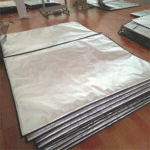
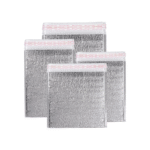
A Tempk fornece folhas de refrigeração de hidratação e placas isoladas embalagem da cadeia de frio opções para clientes empresariais. Podemos revisar o formato do componente, ativação, congelando, posicionamento pretendido, isolamento, arranjo de carga útil, suposições de rota, e preparação de volume como parte de uma discussão focada no fabricante. Os clientes mantêm a responsabilidade pelos requisitos do produto, qualificação de sistema completo, monitoramento, e aprovação de qualidade.
CTA: Forneça à Tempk a condição do seu produto, faixa de carga útil, design de embalagem, contorno da pista, e limites de preparação do local para planejar uma revisão controlada da amostra até a produção.