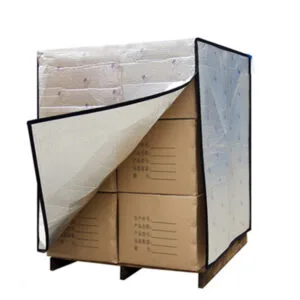
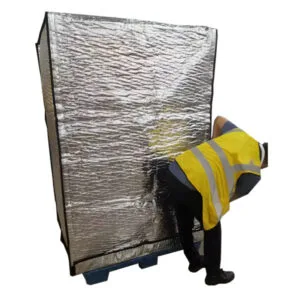
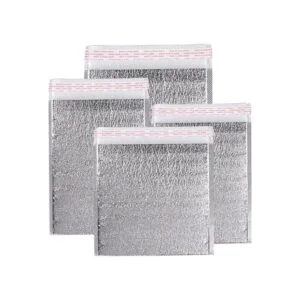
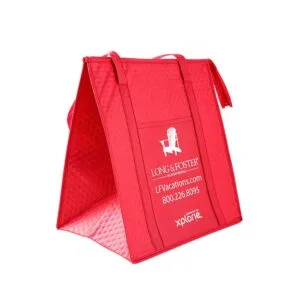
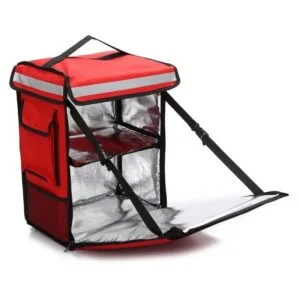
Coberturas térmicas para paletes são camadas de proteção passiva para cargas paletizadas sensíveis à temperatura. Eles são usados quando os produtos podem sair do armazenamento controlado e enfrentar exposição temporária durante o preparo, transferência de caminhão para aeroporto, filas de segurança, Acúmulo de ULD, habitação asfaltada, carregando, descarregamento, inspeção aduaneira, ou transferência de armazém. Eles não substituem transporte refrigerado ou controle de temperatura ativo. Seu papel é reduzir o ganho de calor, choque frio, exposição solar, deriva impulsionada pelo fluxo de ar, e picos curtos de exposição durante janelas de transferência vulneráveis.
Este artigo explica como escolher e especificar coberturas térmicas de paletes para programas de cadeia de frio de frete aéreo, incluindo comida, frutos do mar, flores, produtos farmacêuticos, Biologics, produtos químicos, e outros produtos paletizados sensíveis à temperatura.
Por que o frete aéreo cria risco de excursão devido à temperatura
O frete aéreo pode ser rápido, mas inclui muitas transferências curtas onde as condições controladas podem pausar. Paletes podem esperar em um armazém, mover-se através de uma doca de carga, sente-se perto de aeronaves, passar pela inspeção, ou fique em uma área não refrigerada antes de ser carregado. A IATA descreve regulamentos e orientações de manuseio de cargas perecíveis como ferramentas para desenvolver processos de minimização de perdas para remessas perecíveis, e os Regulamentos de Controle de Temperatura da IATA abordam o gerenciamento de temperatura para cargas de saúde, incluindo embalagem, documentação, e requisitos de manuseio.
Uma cobertura térmica para paletes é mais valiosa durante essas janelas de exposição. Não é um substituto para o planejamento de rotas, pré-resfriamento, contêineres ativos, caminhões refrigerados, ou qualificado armazenamento refrigerado. É uma camada de redução de risco entre ambientes controlados.
Mesa 1. Onde ocorre o risco de variação de temperatura do frete aéreo.
| Ponto de risco de frete aéreo | O que pode acontecer | Como uma cobertura térmica para paletes ajuda |
|---|---|---|
| Preparação de armazém | Palete espera fora da zona de temperatura correta. | Retarda a variação de temperatura durante curtos períodos de espera. |
| Transferência do caminhão para o aeroporto | A carga experimenta uma doca quente ou uma exposição externa fria. | Adiciona uma camada de isolamento passivo ao redor do palete. |
| Morada no asfalto | Sol, vento, chuva, ou o ar frio afeta as superfícies dos paletes. | Reduz a exposição solar direta e ambiental dependendo do design da cobertura. |
| Acúmulo de ULD | A palete é consolidada antes do carregamento da aeronave. | Protege a carga paletizada durante o manuseio e filas. |
| Alfândega ou inspeção de segurança | A tampa pode ser removida ou aberta. | O projeto deve suportar abertura e religamento rápidos para reduzir o tempo de exposição. |
| Descarga de destino | A carga espera antes da coleta ou transferência da câmara fria. | Ajuda a preencher a janela de transferência final. |
O que as coberturas térmicas para paletes podem ou não fazer
Uma cobertura térmica para paletes pode reduzir a taxa de exposição; não pode criar refrigeração. Se a carga entrar na rota muito quente, a capa não vai consertar. Se o palete permanecer por muitas horas sob calor extremo, uma cobertura passiva por si só pode não ser suficiente. Se o produto exigir controle rigoroso de 2-8°C através de um longo percurso, a tampa pode precisar ser usada junto com armazenamento refrigerado, contêineres ativos, Remetentes PCM, Monitoramento de temperatura, e controles de nível de serviço.
Mesa 2. Papel prático das coberturas térmicas para paletes.
| Pode ajudar com | Não é possível substituir |
|---|---|
| Ganho de calor de curto prazo ou choque frio durante transferências. | Armazém ou caminhão refrigerado quando é necessário controle contínuo. |
| Radiação solar e exposição direta às intempéries quando são usadas camadas refletivas ou resistentes às intempéries. | Pré-condicionamento correto do produto e planejamento de rotas. |
| Proteção em nível de palete durante preparação e carregamento. | Remetente de encomendas qualificado ou contêiner farmacêutico validado quando necessário. |
| Reduzindo o risco de mercadorias paletizadas durante a permanência no aeroporto. | Monitoramento de temperatura, qualificação de pista, ou procedimentos de conformidade regulatória. |
| Disciplina de marca e manuseio por meio de identificação visível de paletes. | Documentação da transportadora e manuseio treinado da cadeia de frio. |
Principais parâmetros de especificação
Uma cobertura térmica do palete deve ser especificada do palete para fora. Os compradores devem definir a pegada do palete, altura carregada, faixa de temperatura do produto, janelas de exposição, faixa de rota, condições ambientais, riscos climáticos, material de cobertura, método de fixação, proteção inferior, reutilização, e documentação. A cobertura deve ser fácil para as equipes do armazém e da rampa instalarem corretamente. Se for difícil de usar, ele pode ser removido ou instalado mal.
Mesa 3. Campos de especificação da cobertura térmica do palete.
Ferramentas úteis de decisão
Verifique os detalhes antes de escolher a embalagem
Essas ferramentas rápidas podem ajudá-lo a comparar o risco da rota, necessidades de dimensionamento, escolhas de refrigerante, e detalhes da embalagem antes de solicitar um orçamento.
Forro de caixa & Dimensionamento da cobertura de paletes
Verifique a lógica de dimensionamento do forro da caixa e da tampa do palete para projetos de embalagens isoladas.
Dimensionamento estimadoSeletor de embalagens
Compare opções de embalagens isoladas por produto, rota, e necessidade de temperatura.
Encontre embalagensReferência de material de isolamento
Compare as opções de materiais de isolamento para diferentes necessidades de embalagens da cadeia de frio.
Compare materiais| Campo de Especificação | Opções para definir | Por que isso importa |
|---|---|---|
| Pegada de palete | Palete dos EUA, Euro palete, palete de carga aérea, derrapagem personalizada, ou formato compatível com ULD. | O mau ajuste deixa lacunas ou cria problemas de manuseio. |
| Altura carregada | Altura total da cobertura, comprimento da saia, e folga para etiquetas ou tiras. | A tampa deve proteger o palete carregado, não apenas uma pegada vazia padrão. |
| Camada térmica | Bolha de folha, espuma, isolamento multicamadas, superfície reflexiva, ou laminado personalizado. | A escolha da camada afeta a resistência térmica, peso, durabilidade, e custo. |
| Fechamento e fixação | Velcro, zíper, fivela, aba de fita, saia elástica, alças, ou fecho reutilizável. | A instalação rápida e o fechamento seguro reduzem a exposição e os erros de manuseio. |
| Proteção inferior | Capa somente superior, cobertura completa de paletes, folha base, ou integração de embalagem de paletes. | O ganho de calor pode ocorrer pela parte inferior se o palete ficar em solo quente ou superfícies metálicas. |
| Reutilização | Uso único, uso limitado, ou capa reutilizável. | Capas reutilizáveis precisam de recuperação, inspeção, limpeza, e controle de perdas. |
| Monitoramento | Janela do registrador, janela de etiqueta, acesso ao sensor, ou aba de inspeção. | Os dados de temperatura e as etiquetas de envio devem permanecer acessíveis. |
Escolha a Cobertura por Tipo de Carga
Mesa 4. Cubra as prioridades por tipo de carga.
| Tipo de carga | Preocupação comum com a temperatura | Prioridade de design de capa |
|---|---|---|
| Farmacêuticos e biológicos | 2-8°C ou variações controladas de temperatura ambiente. | Avaliação de risco de pista, monitoramento de acesso, fechamento apertado, e documentação. |
| Frutos do mar e alimentos congelados | Ganho de calor, descongelando, condensação, odor, e vazamento. | Materiais resistentes à umidade, costuras fortes, e manuseio rápido. |
| Produtos frescos e flores | Ganho de calor, lesão por frio, efeitos de umidade, e exposição ao fluxo de ar. | Respirabilidade vs isolamento deve ser avaliado por produto. |
| Chocolate e confeitaria | Picos de calor, fusão, florescer, e defeitos de qualidade superficial. | Camada externa reflexiva e proteção contra exposição curta. |
| Produtos químicos e ingredientes | Desvio de temperatura fora da faixa de estabilidade do produto. | Compatibilidade, rotulagem, e documentação de rota. |
Perguntas sobre risco de rota antes de fazer o pedido
A mesma cobertura de palete pode ter um desempenho diferente no verão de Dubai, Inverno de Chicago, Chuva em Miami, ou uma pista de transferência interna legal. Antes de fazer o pedido, mapear os pontos de exposição da rota. Pergunte onde o palete sai do controle refrigerado, quanto tempo espera, se o aeroporto tem carrinhos legais ou carregamento coberto, se a companhia aérea oferece manuseio com temperatura controlada, e se a coleta no destino é imediata.
- Qual faixa de temperatura do produto deve ser protegida?
- Qual é o tempo máximo de exposição esperado fora do armazenamento controlado?
- A exposição é principalmente calor, frio, radiação solar, chuva, vento, ou misto?
- O palete será quebrado, inspecionado, ou aberto durante o trânsito?
- A transportadora fornece manuseio com temperatura controlada na origem e no destino?
- Onde serão colocados os registradores de temperatura?
- A capa será descartável, voltou, ou reutilizado?
- Quais evidências são necessárias para aceitação do cliente ou revisão de qualidade?
Teste térmico e qualificação de pista
Uma cobertura de palete deve ser testada em uma configuração realista. O teste deve incluir o tamanho real do palete, altura carregada, produto ou carga substituta, método de instalação da tampa, duração da exposição, perfil ambiente, e posicionamento do registrador. Se a rota envolver produtos farmacêuticos, Biologics, ou outros bens regulamentados, qualificação e documentação da pista podem ser exigidas pelo sistema de qualidade do cliente. As referências IATA TCR e PCR devem ser revisadas para requisitos de remessa aplicáveis e melhores práticas.
Mesa 5. Dados a serem capturados em testes de cobertura de paletes.
| Elemento de teste | O que gravar |
|---|---|
| Configuração de paletes | Pegada, altura, massa de carga útil, padrão de caixa, envoltório elástico, e ajuste da capa. |
| Perfil ambiente | Temperatura, exposição solar, se aplicável, umidade, vento, e duração da exposição. |
| Posicionamento do registrador | Canto superior, parede lateral, centro, borda inferior, e locais no nível do produto, conforme necessário. |
| Etapa de manuseio | Tempo de instalação, procedimento de abertura/religamento, e visibilidade do rótulo. |
| Critérios de resultado | Temperatura interna máxima, temperatura interna mínima, duração da excursão, e regras de aceitação do produto. |
Erros comuns
- Utilizar uma cobertura de palete como substituto do transporte refrigerado.
- Encomendar apenas por área ocupada pelo palete e ignorando a altura carregada.
- Deixar lacunas ao redor da base do palete ou nos cantos superiores.
- Cobrindo etiquetas de remessa, informações sobre fatura aérea, ou pontos de acesso para registradores de temperatura.
- Não treinar as equipes do armazém sobre como instalar e proteger a cobertura.
- Ignorar o teste de rota e assumir que uma cobertura refletiva protegerá todas as pistas.
Perguntas frequentes
As capas térmicas para paletes são um substituto para caminhões refrigerados??
Não. São camadas de proteção passiva para janelas de exposição. Use caminhões refrigerados, câmaras frias, contêineres ativos, ou expedidores qualificados quando o controle contínuo da temperatura é necessário.
As tampas dos paletes funcionam tanto para calor quanto para frio?
Muitas coberturas são projetadas para retardar o ganho e a perda de calor, mas o desempenho depende do material, ajustar, encerramento, período de exposição, e condições da rota.
As tampas dos paletes podem ser personalizadas?
Sim. Os compradores podem especificar a pegada, altura, material, encerramento, impressão, janelas de rótulos, acesso ao registrador, e construção reutilizável ou de uso único.
Onde os registradores de dados devem ser colocados?
A colocação do registrador depende da carga e dos pontos de risco. Locais comuns incluem cantos superiores, superfícies laterais, áreas centrais, e posições em nível de produto, mas o plano de teste deve defini-los.
As tampas térmicas de paletes precisam de testes?
O teste é recomendado sempre que os produtos são de alto valor, sensível à temperatura, enviado repetidamente, ou exposto a condições de transferência de carga aérea longas ou severas.