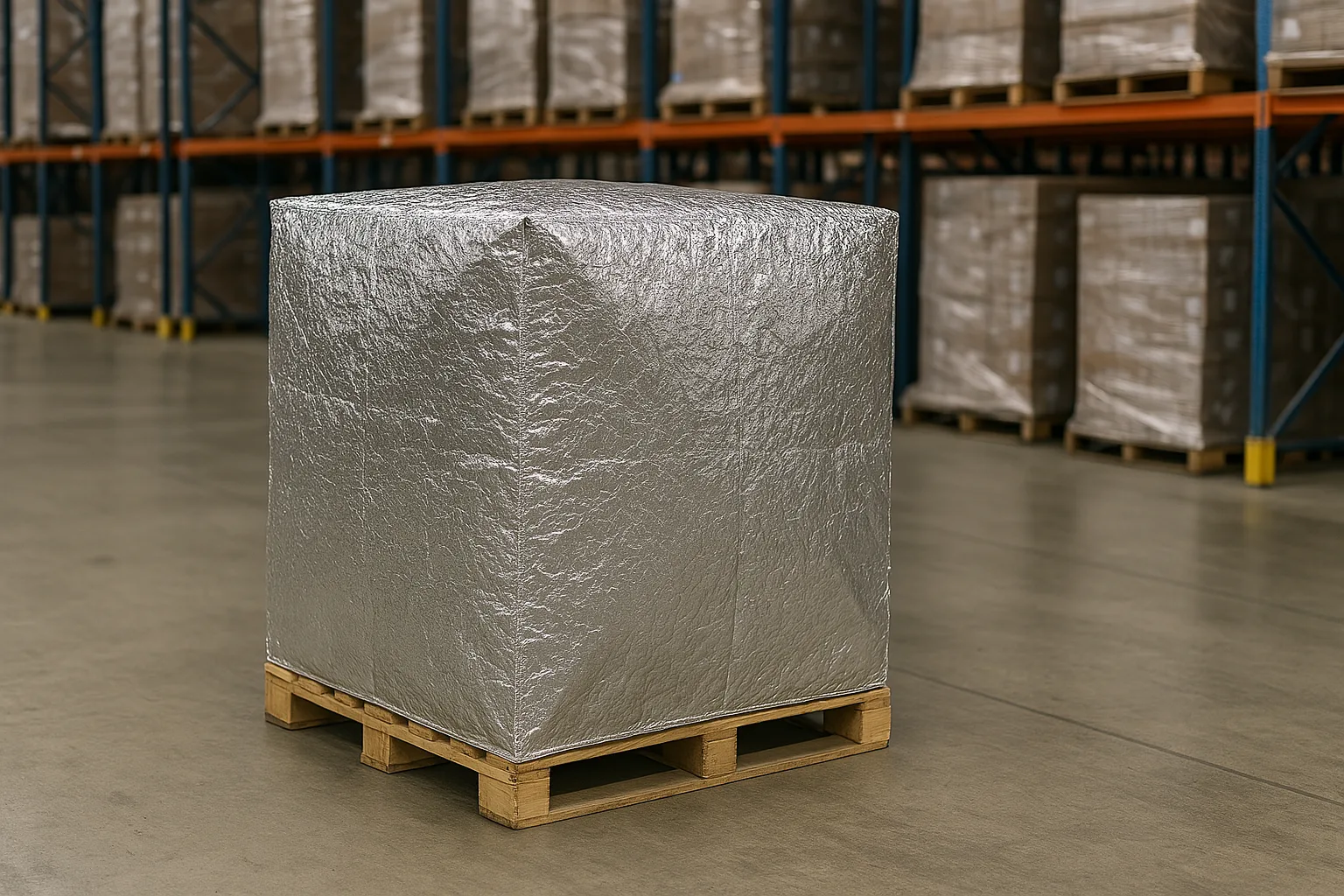
How to Choose Pallet insulation covers for supply chain management for Real Shipment Conditions
Coberturas de isolamento de paletes for supply chain management should be chosen by matching product sensitivity, exposição da rota, geometria da palete, e requisitos de prova. For temperature-sensitive goods across multi-party supply chains, uma cobertura pode reduzir o estresse térmico de curto prazo durante a preparação ou transferência, mas não pode corrigir o mau pré-condicionamento, manuseio inseguro, ou um modo de transporte inadequado. A melhor decisão de compra conecta a capa a um fluxo de trabalho escrito: quando ele for aplicado, como é protegido, que evidências apoiam seu uso, e o que a equipe receptora verifica.
Resposta rápida: use pallet insulation covers for supply chain management when your palletized load needs temporary passive protection during transfer, encenação, ou receber atrasos. Não os use como prova de conformidade de temperatura, a menos que todo o processo de embalagem tenha evidências do seu produto, rota, e critérios de aceitação.
O limite útil: proteção, não é mágica
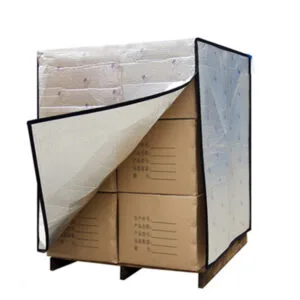
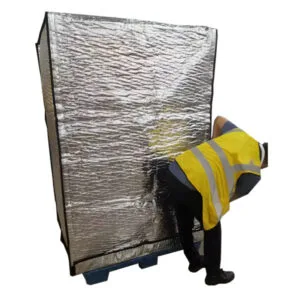
UM cobertura de palete é uma camada protetora passiva. Pode reduzir o calor radiante direto, troca convectiva lenta em torno das caixas, e adicione uma barreira removível durante a exposição. Não gera ar frio, aquecer ativamente a carga, ou verifique se a remessa ficou dentro da faixa exigida. That is why pallet insulation covers for supply chain management should be described as part of a temperature-management process, não como todo o processo.
The operational boundary is especially important for temperature-sensitive goods across multi-party supply chains. Supply chain management is less about one cover and more about repeatability across people, sites, and routes. Se o produto sair do armazém já quente, molhado, danificado, ou fora da condição exigida, a capa pode simplesmente esconder o problema até receber. Um fluxo de trabalho mais forte começa antes da aplicação da cobertura: confirme a condição do produto, confirme se o palete está estável, em seguida, cubra a carga para uma janela de exposição definida.
Use a cobertura onde ela corresponde ao risco: standardizing passive pallet protection across suppliers, transportadoras, armazéns, e recebendo equipes. Evite tratá-lo como um substituto para armazenamento controlado, embalagem qualificada, controle de temperatura do veículo, ou instruções específicas do produto. They do not replace a temperature-controlled route design, POPs escritos, or product-specific quality review.
Comece com a pista, não a foto do catálogo
A especificação correta da cobertura é mais fácil de definir quando você desenha a rota no papel. Incluir cada local onde um palete está estacionado, inspecionado, renomeado, consolidado, ou movido entre zonas de temperatura. Para este tópico, a rota comum pode incluir armazéns de fornecedores, centros de distribuição regionais, air and road freight lanes, customer receiving docks, and return networks. Esses locais não são idênticos. Alguns têm portas de doca abertas, alguns têm sol direto, alguns têm congestionamento de empilhadeiras, e alguns têm atrasos na documentação.
Um mapa de rotas útil deve identificar quem é o proprietário do palete em cada etapa. O expedidor poderá aplicar a cobertura, uma transportadora pode removê-lo para inspeção, um armazém pode reembalar o palete, e o receptor pode precisar devolver a capa. Se ninguém for dono dessas etapas, o programa de cobertura torna-se inconsistente. Você pode ver resultados fortes em uma pista e resultados ruins em outra, mesmo com o mesmo produto e a mesma capa.
Peça às equipes para relatarem os pontos reais de permanência, não os pontos de permanência planejados. Uma programação pode mostrar uma transferência curta, enquanto as operações reais incluem compromissos perdidos, verificações alfandegárias, filas de caminhões, ou encenação em uma zona mais quente. Essa realidade deve influenciar o tamanho da capa, projeto de fechamento, rotulagem de acesso, e se é necessário monitoramento adicional.
Risk notes for temperature-sensitive goods across multi-party supply chains
The main risks to watch are inconsistent supplier packing, unclear handover ownership, untracked dwell time, different pallet formats, and cover loss in returns. Estes riscos não são resolvidos apenas com o isolamento. Eles exigem uma decisão sobre quando a carga está pronta para cobrir, quanto tempo isso pode esperar, como a rota é monitorada, e o que as equipes de recebimento fazem se a condição da embalagem parecer questionável.
For temperature-sensitive goods across multi-party supply chains, a capa deve apoiar as instruções do produto em vez de substituí-las. Se o rótulo, ficha de dados de segurança, especificação do cliente, ou acordo de qualidade define uma condição necessária, use esse documento como ponto de partida. Quando a condição exigida não é clara, não selecione uma cobertura com base em uma reivindicação geral. Peça ao proprietário do produto ou à equipe de qualidade para confirmar a faixa aceitável e as condições de manuseio permitidas.
A questão mais prática sobre adequação do produto é simples: que problema você está tentando reduzir? Uma capa pode ajudar na exposição temporária ao sol, curta encenação fora de uma sala controlada, ou oscilações de temperatura durante a transferência. Pode ser a ferramenta errada quando a rota requer refrigeração ativa, um expedidor validado, um pacote de refrigerante, ou registros de temperatura documentados em um nível que a cobertura não pode fornecer.
Perguntas do fornecedor que evitam incompatibilidades dispendiosas
| O que confirmar | Razão para perguntar | Bom sinal de compra |
|---|---|---|
| Tamanho do palete e ajuste de altura | As lacunas reduzem a proteção e tornam o manuseio complicado. | Fornecedor solicita dimensões do palete carregado, não apenas a pegada de paletes. |
| Fechamento e acesso à etiqueta | As tampas podem ser removidas se as etiquetas não puderem ser digitalizadas. | O design permite digitalização, inspeção, e selagem. |
| Evidência térmica | O desempenho depende da exposição e da carga. | O fornecedor explica as condições de teste ou declara claramente os limites. |
| Limpeza e reutilização | Itens reutilizáveis precisam de higiene e controle de condições. | Orientações de limpeza e critérios de inspeção estão disponíveis. |
| Consistência de aumento de escala | Pedidos em grandes quantidades devem corresponder às amostras aprovadas. | Fornecedor define aprovação de amostra e comunicação de mudança de material. |
For temperature-sensitive goods across multi-party supply chains, o melhor fornecedor não é aquele com a promessa mais ampla. É aquele que ajuda você a definir suposições e verificar se essas suposições correspondem ao seu percurso.
A tabela não foi feita para desacelerar as compras. Evita um padrão de falha comum: um comprador seleciona uma capa com base na linguagem geral do produto, então as equipes do armazém descobrem que ele não cabe no palete, rótulos de blocos, fica molhado, ou não possui as evidências necessárias para uma conta confidencial.
Crie um POP de cobertura que os trabalhadores realmente usarão
Um processo viável começa antes que o palete chegue à porta. Confirme a condição do produto, integridade da embalagem, estabilidade da palete, e qualquer instrução especial. Em seguida, aplique a cobertura em uma área definida, fechamentos seguros, mantenha os rótulos obrigatórios visíveis, e registre qualquer exceção. For temperature-sensitive goods across multi-party supply chains, esta etapa geralmente é mais importante do que pequenas diferenças entre capas de aparência semelhante.
Durante o transporte ou preparação, a equipe deve saber se a tampa pode ser aberta para inspeção e como deve ser selada novamente. Se um palete for dividido, retrabalhado, ou renomeado, o processo de cobertura não deve desaparecer. O destinatário deve inspecionar a embalagem do produto e a condição da capa, porque umidade, odor, rasgando, ou a falta de fechamento pode revelar um problema de manuseio.
Um simples registro pode ser suficiente para fretes não regulamentados: tempo coberto, localização, pessoa responsável, condição visível, e recebendo notas. Remessas de alto risco podem exigir registros de temperatura, revisão de qualidade, ou tratamento de desvio documentado. O nível de documentação deve corresponder ao risco do produto e às expectativas do comprador, operadora, e receptor.
Use reivindicações cautelosas em vias regulamentadas ou sensíveis à segurança
Para programas mistos de frete e logística, a conformidade depende do que está dentro do palete. Comida, assistência médica, químico, e cargas de alto valor podem transportar diferentes expectativas de manuseio e documentação. A cobertura deve ser descrita com precisão como proteção passiva, a menos que um teste específico ou pacote de qualificação apoie uma afirmação mais forte.
Regulated or safety-sensitive products may require written procedures, tratamento de desvios, and records that match the product risk. Use linguagem cautelosa em especificações e contratos. Prefira frases como 'apoia proteção contra exposição temporária,' 'usado como parte de um processo de manuseio documentado,' ou 'a ser avaliado em relação à rota de embarque.' Evite declarações que sugiram conformidade universal, manutenção de temperatura garantida, ou adequação para cada rota.
Quando a qualificação formal é necessária, pergunte qual padrão, perfil, carga útil, e critérios de aceitação foram usados. Dados de teste térmico de um expedidor isolado ou um formato de embalagem diferente não deve ser transferido automaticamente para uma cobertura de palete. Se a aplicação for importante, qualificar o sistema em condições que se assemelham à rota real.
Ferramentas úteis de decisão
Verifique os detalhes antes de escolher a embalagem
Essas ferramentas rápidas podem ajudá-lo a comparar o risco da rota, necessidades de dimensionamento, escolhas de refrigerante, e detalhes da embalagem antes de solicitar um orçamento.
Forro de caixa & Dimensionamento da cobertura de paletes
Verifique a lógica de dimensionamento do forro da caixa e da tampa do palete para projetos de embalagens isoladas.
Dimensionamento estimadoVerificador de risco de rota
Revise as condições da pista antes de selecionar a embalagem para requisitos operacionais reais.
Verifique o risco da rotaCalculadora de bolsa de gelo
Estime a quantidade de bolsas de gelo em gel para remessas refrigeradas e planejamento prático de rotas.
Estimar bolsas de geloDa amostra ao lançamento: os cheques que os compradores esquecem
Antes de perguntar o preço, definir as premissas operacionais. Confirme as dimensões do palete carregado, categoria de produto, exposição da pista, vida útil esperada da cobertura, método de limpeza, espaço de armazenamento, e se cobre o retorno à origem. For temperature-sensitive goods across multi-party supply chains, also confirm standard pallet formats, site-by-site responsibilities, e logística de retorno. Esses detalhes determinam se a amostra que você recebe é significativa.
Durante a revisão da amostra, evite aprovar apenas a aparência visual. Permita que os trabalhadores do armazém apliquem e removam a cobertura sob pressão normal de tempo. Mova o palete pelas portas, em cantos apertados, e perto de pontos de digitalização. Verifique se a tampa arrasta, lágrimas, rótulos de blocos, ou cria um problema de segurança. Em seguida, peça à qualidade ou às operações para definir critérios de aprovação ou reprovação antes de passar para um pedido em massa.
Para compras repetidas, pergunte como o fornecedor lida com as substituições de materiais, mudanças de produção, embalagem das próprias capas, e consistência lote a lote. O comprador não precisa transformar cada pedido em um projeto de laboratório, mas a implantação em massa não deve depender de uma única amostra informal se a cobertura fizer parte de um processo de envio controlado.
A sustentabilidade pertence ao modelo operacional, não apenas o folheto
A reusable cover program can support waste goals when recovery rates, cleaning practices, and damaged-cover retirement are measured. Essa é a visão equilibrada. As capas reutilizáveis podem ser uma alternativa sensata aos forros descartáveis ou aos embrulhos de emergência repetidos, mas também exigem logística reversa, trabalho, armazenar, inspeção, e limpeza. Se as tampas desaparecerem após a entrega ou forem devolvidas contaminadas, a história da sustentabilidade se torna fraca.
Quando a sustentabilidade faz parte da decisão de compra, peça respostas práticas em vez de afirmações amplas. Quantas vezes a capa deve ser usada sob suas condições de manuseio? Como serão identificadas as capas danificadas? Onde as capas molhadas secarão? Quem paga o frete de retorno? Qual embalagem é usada para enviar as próprias capas? Essas perguntas ajudam o programa a sobreviver além do primeiro pedido de compra.
For temperature-sensitive goods across multi-party supply chains, a sustentabilidade nunca deve ocorrer às custas da segurança do produto, higiene, ou manuseio documentado. Uma cobertura mais durável só tem valor se permanecer adequada aos bens que protege.. Se limpar, odor, resíduo, ou danos materiais não podem ser controlados, uma abordagem de embalagem diferente pode ser mais segura.
Exemplo prático: uma amostra que parece boa, mas falha no caminho
Imagine a buyer needs pallet insulation covers for supply chain management for temperature-sensitive goods across multi-party supply chains moving through a route with a warehouse staging area, uma transferência de transportadora, e um receptor que frequentemente sofre congestionamento de doca. A primeira solicitação pode parecer simples: fornecer uma capa reutilizável para paletes padrão. Uma solicitação melhor inclui dimensões de paletes carregados, pontos de permanência esperados, se o palete pode ser inspecionado em trânsito, como os rótulos devem permanecer digitalizáveis, e quais notas de recebimento são necessárias se a capa chegar molhada, rasgado, ou faltando.
O fornecedor pode então recomendar um estilo de capa e explicar seus limites. As operações podem testar a velocidade e o ajuste do aplicativo. A qualidade pode decidir se são necessárias mais evidências. A aquisição pode comparar o preço unitário com a reutilização, perda, limpeza, e armazenamento. Este exemplo não é um caso de cliente; é uma maneira prática de evitar um erro comum de compra: tratar uma cobertura passiva como um simples acessório quando na verdade afeta vários departamentos.
Evite esses pontos de falha antes de ampliar
- Covering temperature-sensitive goods across multi-party supply chains before confirming that the load is in the right starting condition.
- Comprar apenas pela pegada do palete e ignorar a altura carregada, saliência, rótulos, e pontos de acesso.
- Deixando lacunas de fechamento que permitem a troca de ar nos cantos, costuras, ou a base do palete.
- Usando uma capa reutilizável sem limpeza, secagem, inspeção, e processo de aposentadoria.
These mistakes matter because pallet insulation covers for supply chain management are usually used at the messy edge of a controlled process: a porta, a fila do caminhão, o cross-dock, o ponto de inspeção, ou a área de recebimento do cliente. É aí que as pequenas ações se acumulam. Uma aba solta, uma capa molhada, ou uma substituição atrasada pode reduzir o valor de um produto razoável.
O método de prevenção não é complicado. Escreva a regra, treinar as pessoas que tocam no palete, e auditar o processo durante remessas reais. Se a capa for importante o suficiente para comprar, é importante o suficiente para tornar visível no fluxo de trabalho.
Perguntas frequentes
Do pallet insulation covers for supply chain management guarantee a specific temperature range?
Não. São produtos de proteção passiva e não criam por si só uma faixa de temperatura garantida. O desempenho depende da condição inicial do produto, massa da palete, ajuste da capa, exposição ambiental, tempo de manuseio, e o resto do sistema de transporte. Se uma faixa de temperatura específica for necessária, confirme nas instruções do produto e pergunte quais evidências apoiam a configuração da embalagem.
When should I use pallet insulation covers for supply chain management?
Use-os quando o principal risco for a exposição temporária durante o carregamento, descarregamento, encenação, inspeção, ou transferência entre áreas controladas. Eles são especialmente úteis quando a rota tem pontos de transferência previsíveis e a equipe pode aplicar e remover a cobertura corretamente. Eles são menos adequados como substitutos da refrigeração ativa, embalagem qualificada, ou uma reformulação completa da rota.
O que devo verificar antes de fazer um pedido em grandes quantidades?
Confirme as dimensões do palete carregado, design de fechamento de tampa, acesso à etiqueta, requisitos de limpeza, logística de retorno, e consistência da amostra à produção. For temperature-sensitive goods across multi-party supply chains, also review standard pallet formats, and site-by-site responsibilities. Um pedido em massa deve ser baseado em um teste real de paletes, não apenas um desenho ou uma foto de produto.
Uma capa reutilizável pode criar problemas de higiene ou contaminação?
Sim, pode se a capa voltar molhada, sujo, odorífero, rasgado, ou exposto a bens incompatíveis. Programas reutilizáveis precisam de orientação de limpeza, critérios de inspeção, regras de armazenamento, e uma maneira de remover tampas danificadas de serviço. Para comida, laboratório, ou remessas industriais sensíveis, a revisão de higiene deve acontecer antes do lançamento.
Que evidências um fornecedor deve fornecer?
Peça uma especificação que explique os materiais, dimensões, estilo de fechamento, uso pretendido, orientação de limpeza, e qualquer avaliação térmica disponível. Se o fornecedor mencionar testes, peça as condições do teste, carga útil, perfil ambiente, e critérios de aceitação. As evidências devem corresponder à sua aplicação o suficiente para apoiar a decisão.
Conclusão
Pallet insulation covers for supply chain management make sense when they are tied to a clear route problem, um risco de produto definido, e um processo de manuseio repetível. For temperature-sensitive goods across multi-party supply chains, concentre-se na condição inicial da carga, os pontos de transferência reais, o ajuste da capa, e as evidências por trás de qualquer reclamação do fornecedor. A decisão mais segura não é a promessa mais dramática; é aquele seu armazém, operadora, equipe de qualidade, e o receptor pode repetir consistentemente.
Antes de comprar, confirme a condição necessária do produto, testar uma amostra em um palete real, documentar o fluxo de trabalho, e decidir o que as equipes receptoras devem verificar. Essa abordagem prática protege a qualidade do produto e a confiança na aquisição.
Sobre Tempk
A Tempk apoia equipes de logística sensíveis à temperatura e à cadeia de frio que precisam de opções práticas de embalagem para frete paletizado. In a discussion about pallet insulation covers for supply chain management, nos concentramos nos detalhes que afetam o uso diário: tamanho da palete, exposição da rota, ajuste da capa, construção de materiais, lidar com fluxo de trabalho, e os limites da proteção passiva. Evitamos tratar uma capa como uma resposta universal, porque produtos diferentes, pistas, e as necessidades de documentação exigem diferentes decisões de embalagem.
CTA
Compartilhe as dimensões do seu palete, tipo de produto, exposição da rota, e etapas de manuseio esperadas com Tempk. We can help you compare pallet insulation covers for supply chain management options before you move from sample review to a larger order.