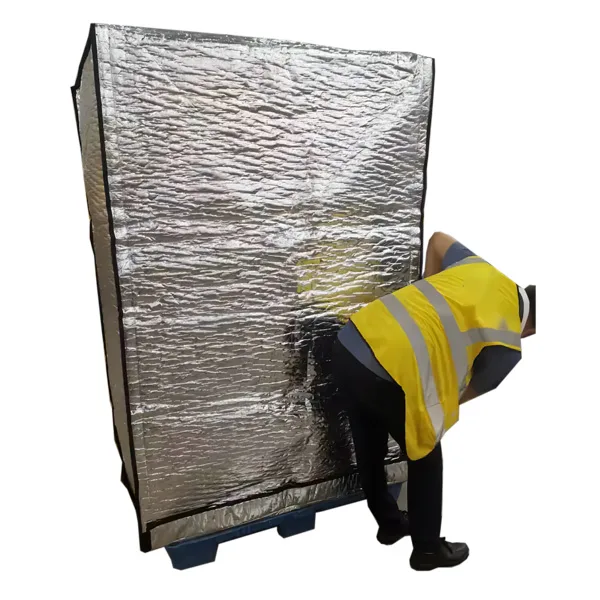
A Practical Guide to pallet thermal covers for vegetables
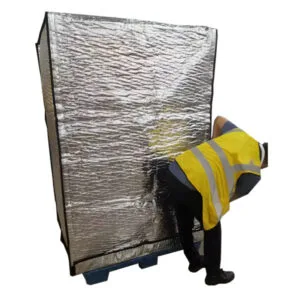
Capas Térmicas para Paletes For Vegetables are best understood as a pallet-level risk control for moments when leafy greens, vegetais de raiz, fresh produce cartons, and mixed vegetable pallets leave the most protected part of the cadeia de frio. Eles podem retardar a transferência de calor, reduzir a exposição durante as transferências, e apoiar um procedimento de envio mais consistente. Eles não devem ser tratados como um substituto universal para equipamentos refrigerados, embalagem qualificada, monitoramento, ou regras de manuseio específicas do produto.
A escolha certa começa com a pista. Pergunte onde fica o palete, quem lida com isso, quanto tempo pode ficar exposto, se a parte inferior e os cantos estão protegidos, e quais evidências sua equipe precisa antes de aprovar o uso repetido. Quando essas perguntas são respondidas, a tampa torna-se uma ferramenta prática em vez de uma camada decorativa ao redor da palete.
Defina o trabalho antes de definir o produto
Um erro de compra comum é começar com uma especificação de produto e depois tentar forçá-la em todas as faixas. Um método melhor é definir o trabalho. For vegetables shipments, o trabalho pode ser proteger um palete durante o carregamento, reduzir a curta exposição à doca, proteger a carga durante uma transferência de aeroporto, apoiar a disciplina de preparação do armazém, ou adicione um buffer durante o calor ou frio sazonal. Cada trabalho aponta para um design de capa diferente.
Se o trabalho for de curta duração, velocidade e facilidade de uso podem ser mais importantes do que isolamento pesado. Se o trabalho for manipulação de exportação, remoção fácil de receber e rotulagem clara podem ser mais importantes. Se o trabalho for repetido distribuição regional, devolução e limpeza podem decidir se as capas reutilizáveis são econômicas. Se o trabalho for saúde sensível ou carga de alto valor, a documentação e a revisão da qualidade podem ter tanto peso quanto a construção do material.
Esta abordagem também evita reivindicações excessivas. Uma tampa pode retardar a transferência de calor na superfície do palete; não cria resfriamento ou aquecimento ativo por si só. Ele suporta o processo somente quando o processo é definido. Antes de perguntar qual capa é melhor, pergunte qual problema a capa deveria resolver e qual resultado contaria como sucesso.
Mapeie a exposição real da palete
O mapa de pistas mais útil começa no momento em que o palete é concluído. De lá, trace every step through packhouse, pre-cool room, doca de armazém, caminhão frigorífico, airport terminal, and retail distribution route. Observe quando o palete sai de uma área controlada, se espera perto de uma porta de doca, como é carregado, se passa por um terminal, e o que acontece ao receber. Muitas equipes descobrem que o principal risco não é o segmento de viagem mais longo, mas um curto período de espera descontrolado.
Para folhas verdes, vegetais de raiz, fresh produce cartons, and mixed vegetable pallets, o mapa deve incluir o estado do produto no início do envio. Uma cobertura é mais eficaz quando a carga já está na condição pretendida. Se o produto ainda estiver esfriando, não totalmente condicionado, ou especificação externa, cobri-lo pode retardar a correção. This is why confirm the crop-specific temperature and humidity target instead of applying a single rule to all vegetables.
O mapa também deve mostrar quem é o responsável em cada ponto. Uma cobertura aplicada pela equipe de origem, mas removida muito cedo pela transportadora, pode não proteger a exposição pretendida.. Uma capa reutilizável que chega ao destinatário sem instruções de devolução pode desaparecer. A propriedade do procedimento transforma equipamentos passivos em controle gerenciado.
Combine a estrutura da cobertura com a rota
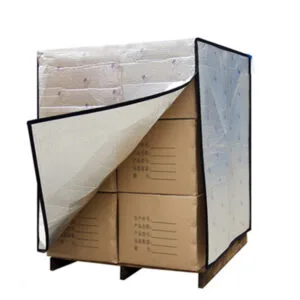
A estrutura da cobertura deve seguir as necessidades da rota. Superfícies reflexivas são úteis onde o calor radiante e a luz solar são importantes. Núcleos isolantes retardam o movimento do calor ao redor do palete. Costuras e fechamentos reforçados são importantes onde os paletes passam pelas empilhadeiras, reboques, ou terminais. Uma estratégia de folha inferior ou base pode ser importante quando o palete fica em pavimento quente, pisos frios, ou placas de encaixe.
For vegetables buyers, os detalhes de ajuste geralmente são mais importantes do que o nome comercial do produto. Verifique a altura do palete embrulhado, protuberância da caixa, protetores de canto, janelas de rótulos, alças, e acesso ao scanner. Pergunte se a cobertura pode ser protegida por trabalhadores que usam luvas ou trabalham rapidamente. Um pequeno problema de ajuste pode criar um canal de ar, código de barras bloqueado, ou atalho do operador.
A decisão material também deve considerar a limpeza e armazenamento. Reuse may fit regular produce lanes, but covers must be easy to clean and must not interfere with crop airflow needs. Se a rota for unidirecional ou o destinatário não puder gerenciar as devoluções, um formato diferente pode ser mais realista. Se a rota for em circuito fechado, pode valer a pena considerar uma capa reutilizável mais durável, desde que a inspeção e a limpeza estejam integradas ao processo.
O que verificar com os fornecedores
| Pergunta do comprador | Por que é importante para esta palavra-chave | Risco se ignorado |
|---|---|---|
| Em que tamanho e altura do palete a tampa realmente cabe depois que a carga é embalada? | Confirma a aptidão física e o papel na rota | A tampa pode deixar lacunas ou ser usada para a finalidade errada |
| O desempenho declarado é baseado em um perfil de teste que se assemelha à rota de envio? | Conecta o desempenho às condições da pista | As reivindicações podem não se aplicar à sua palete ou perfil de exposição |
| Como deve ser o fundo do palete, cantos, e as áreas dos rótulos sejam protegidas? | Mantém as operações viáveis no envio e no recebimento | Rótulos, madeireiros, ou etapas de inspeção podem ser bloqueadas |
| A mesma tampa pode ser limpa, dobrado, voltou, e inspecionados consistentemente? | Suporta repetibilidade e revisão de qualidade | Um material alterado ou um processo de devolução deficiente pode criar inconsistências |
| Que documentação está disponível para materiais, dimensões, e testes térmicos? | Mostra se o fornecedor pode apoiar a revisão de compras | O comprador pode não ter evidências para aprovação ou expansão |
Esta avaliação do fornecedor não tem como objetivo dificultar a compra. Trata-se de evitar que uma amostra barata se torne um problema operacional caro. Se um fornecedor puder responder claramente a essas perguntas, o comprador pode comparar opções de ajuste de rota, em vez de apenas preço.
Quando as tampas dos paletes são adequadas
pallet thermal covers for vegetables are a good fit when the risk is temporary, visível, e repetível. Eles são úteis quando um palete se move através de uma zona curta e não controlada, espera durante o carregamento, passa por um terminal, ou precisa de proteção adicional enquanto ainda depende do processo principal da cadeia de frio. Eles também podem ajudar a padronizar o comportamento do armazém, dando ao pessoal uma ação clara quando um palete sai da área controlada..
Ferramentas úteis de decisão
Verifique os detalhes antes de escolher a embalagem
Essas ferramentas rápidas podem ajudá-lo a comparar o risco da rota, necessidades de dimensionamento, escolhas de refrigerante, e detalhes da embalagem antes de solicitar um orçamento.
Forro de caixa & Dimensionamento da cobertura de paletes
Verifique a lógica de dimensionamento do forro da caixa e da tampa do palete para projetos de embalagens isoladas.
Dimensionamento estimadoRefrigerante & Referência PCM
Compare as opções de refrigerante e PCM quando uma rota precisar de suporte adicional de temperatura.
Comparar opçõesSeletor de embalagens
Compare opções de embalagens isoladas por produto, rota, e necessidade de temperatura.
Encontre embalagensEles não são adequados quando a rota não tem disciplina de controle de temperatura, quando os produtos começam regularmente fora da condição exigida, quando a exposição dura mais tempo do que a capa foi projetada para, ou quando ninguém possui aplicação e remoção. For vegetables cargo, eles também podem ser insuficientes quando o produto precisa de um expedidor qualificado, contêiner ativo, frigorífico monitorado, ou qualificação formal de pista.
A melhor resposta às vezes é uma combinação. Uma cobertura de palete pode ser combinada com transporte refrigerado, forros isolados, pacotes de refrigerante, ou um SOP de preparação mais forte. A capa não precisa resolver todos os problemas para ser valiosa. Precisa resolver a parte certa do problema.
Um fluxo de trabalho de implementação realista
- Identify the product requirement and confirm the acceptable condition for leafy greens, vegetais de raiz, fresh produce cartons, and mixed vegetable pallets.
- Mapeie a rota e marque cada ponto de exposição não controlada ou semicontrolada.
- Meça um palete totalmente embrulhado, incluindo altura superior, cantos, rótulos, e qualquer dispositivo de monitoramento.
- Teste uma capa de amostra com a equipe do armazém durante o fluxo de trabalho real de carregamento ou preparação.
- Revise as evidências térmicas disponíveis e verifique se as condições de teste se assemelham à rota.
- Escreva um procedimento simples cobrindo a aplicação, remoção, inspeção, armazenar, limpeza, e retornar.
- Use o recebimento de feedback e, onde apropriado, monitoramento de temperatura para decidir se deve dimensionar a cobertura para remessas repetidas.
Este fluxo de trabalho mantém a decisão conectada a operações reais. Também cria um registro de que a aquisição, logística, e equipes de qualidade podem discutir juntas. Essa análise compartilhada é especialmente útil quando a primeira amostra parece aceitável, mas a empresa está se preparando para remessas maiores ou mais regulares.
Exemplo prático: da amostra para a faixa de repetição
Imagine a buyer evaluating pallet thermal covers for vegetables after seeing exceptions on one route. A equipe primeiro confirma que os principais equipamentos de armazenamento e transporte estão funcionando. Em seguida, ele analisa a pista e descobre que os paletes aguardam perto de uma porta durante o sequenciamento da rota. Uma amostra de cobertura é testada no palete embrulhado real, com aplicação de cronometragem de equipe e verificação de acesso à etiqueta. O receptor registra se a tampa chega corretamente instalada e se a condição do palete é aceitável.
Depois do julgamento, o comprador não aprova a capa simplesmente porque parecia forte. O comprador verifica se a capa foi usada no ponto certo, se a equipe achou prático, se a documentação era suficiente, e se o comportamento da rota melhorou. Se a resposta for sim, a capa pode ser adicionada ao SOP. Se a resposta for não, a equipe pode ajustar o processo de preparação, escolha outra estrutura de cobertura, ou use um método de controle de temperatura diferente.
Perguntas frequentes
Are pallet thermal covers for vegetables enough for full temperature control?
Não. pallet thermal covers for vegetables provide passive insulation and surface protection, mas eles não resfriam ou aquecem ativamente a carga. Eles são mais úteis quando reduzem a exposição durante pontos de risco previsíveis, como o estadiamento, entregar, e carregando. Para requisitos rigorosos de temperatura, você ainda precisa de regras de manuseio específicas do produto, equipamento de transporte adequado, e um plano de monitoramento.
O que deve ser verificado antes de encomendar coberturas para paletes?
Start with crop sensitivity, pré-resfriamento, fluxo de ar, condensação, loading delay, and retail rejection risk. Em seguida, pergunte as dimensões reais instaladas, construção de materiais, projeto de fechamento, método de limpeza, e qualquer documentação de teste que corresponda à pista esperada. Uma capa que parece adequada a um catálogo pode não funcionar numa embalagem, desigual, ou palete mais alta que o padrão.
Os paletes de alimentos precisam ser pré-resfriados antes de serem cobertos?
Em muitas operações alimentares, a tampa serve para proteger um palete que já se encontra nas condições pretendidas. Não deve ser tratado como uma ferramenta de resfriamento rápido. Se o produto estiver quente, embalado incorretamente, ou esperar muito tempo fora de uma área controlada, uma cobertura só pode retardar o problema em vez de resolvê-lo.
Como devem ser tratadas as tampas reutilizáveis na logística alimentar?
As capas reutilizáveis precisam de um processo de limpeza e inspeção. Os compradores devem verificar se o material pode ser limpo, seco, dobrado, armazenado, e voltou sem criar odor, umidade, ou problemas de contaminação. O processo de devolução é tão importante quanto a construção da cobertura quando a segurança e higiene alimentar são importantes.
Conclusão
The best use of pallet thermal covers for vegetables is not to promise perfect temperature control, mas para reduzir a exposição conhecida ao nível da palete. Comece com os requisitos do produto, mapear a rota, confirmar quanto tempo o palete pode ficar fora da zona pretendida, e verifique se a tampa se ajusta à carga embalada em operação real. Em seguida, peça documentação que comprove o material, dimensões, e uso pretendido. Quando esses princípios básicos estão claros, uma cobertura de palete torna-se uma parte prática do plano da cadeia de frio, em vez de um complemento esperançoso.
Sobre Tempk
Tempk trabalha com compradores B2B comparando embalagem da cadeia de frio Para faixas reais, incluindo Tampas de paletes, sacos isolados, forros, caixas mais frias, e pacotes de resfriamento. Para este tópico, nosso papel é ajudá-lo a fazer as perguntas certas: o que está sendo enviado, onde ocorre a exposição, como o palete é manuseado, e quais evidências sua equipe precisa antes de passar de pedidos de amostra para pedidos repetidos.
Envie para Tempk a categoria do produto, formato de palete, e rota de navegação que você deseja proteger, e nós o ajudaremos a identificar opções práticas de embalagem.