Strap Large Gel Ice Pack – Como escolher, Use e envie 2025
Prenda grandes bolsas de gelo em gel are the workhorses of modern cold therapy and cadeia de frio logistics. Estas embalagens flexíveis combinam uma generosa almofada de gel com alças ajustáveis que os mantêm no lugar, so you can treat injuries handsfree or secure a cooling element inside a contêiner de transporte. Sua popularidade não é apenas uma questão de conveniência – a indústria global de bolsas de gelo deverá crescer a partir de $1.1 bilhão em 2022 para cerca de $1.8 bilhão por 2030, e o pacotes frios sector alone could reach $3.5 bilhão por 2035. Whether you’re an athlete nursing a sore knee or a business shipping temperaturesensitive goods, esse 2025 guia irá ajudá-lo a entender, escolha e use bolsas de gelo grandes em gel com cinta de forma eficaz.

Entenda o que é uma bolsa de gelo em gel grande com cinta e por que as alças ajustáveis melhoram o conforto e a segurança.
Compare pacotes de gel com outros refrigerantes like water packs and gelo seco, destacando os prós e os contras do alívio da dor e da logística.
Escolha o tamanho certo e o comprimento da alça com base em dimensões e recursos comuns.
Aprenda práticas de uso seguras para terapia de frio e calor, incluindo o R.I.C.E. método e tempos de aplicação recomendados.
Navigate cadeia de frio shipping com pacotes de gel passivos versus gelo seco, entendendo o custo, considerações regulatórias e de segurança.
Mantenha-se atualizado com 2025 tendências, como designs reutilizáveis, ecofriendly materials and smart sensors.
O que é uma bolsa de gelo em gel grande com alça e como funciona?
Resposta direta
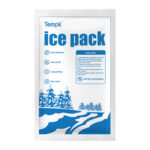
Uma bolsa de gelo em gel grande com tira é um reusable coldtherapy device que combina uma almofada de gel considerável com um sistema de alça ajustável. The pad is filled with nontoxic silica or cellulose gels that remain flexible when frozen. Ao contrário do rígido tijolos de gelo, o gel se molda ao seu corpo ou ao conteúdo do envio, e as tiras prendem a mochila para que você possa se mover sem segurá-la. Em 2025, projetos ergonômicos geralmente incluem alças duplas ou de extensão para caber em torno dos joelhos, costas e caixas de transporte. This handsfree functionality makes strap packs valuable for pain relief, postsurgery recovery and temperaturecontrolled logistics.
Explicação expandida
Pense em uma grande bolsa de gelo em gel como uma combinação de um envoltório e uma fonte fria. The pack’s outer shell is usually made from latexfree vinyl or nylon, e dentro há um refrigerante gelatinoso como sílica gel, poliacrilato de sódio ou hidroxietilcelulose. Esses géis podem armazenar e liberar energia fria; quando congelado por duas a quatro horas, eles permanecem flexíveis, contorno para áreas curvas. Adjustable straps—often made from elastic fabric with hookandloop fasteners—allow you to secure the pad around joints or objects. Isso significa que você pode tratar um joelho inchado enquanto prepara o jantar ou estabilizar um pacote de gel dentro de um refrigerador para envio.. As embalagens modernas integram até sensores para monitorar a temperatura durante o transporte. Because the gels are nontoxic and reusable, strap packs offer a costeffective, ecofriendly alternative to chemical cold packs.
Design e materiais flexíveis para maior conforto
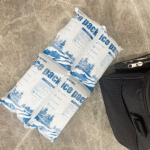
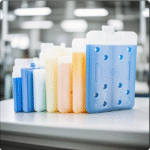
Pacotes grandes de gel para cintas vêm em vários formatos e tamanhos. Por exemplo, KooCare’s 11 × 14inch pack includes a nylon gel pad, um envoltório correspondente e uma alça de extensão. The twodivider design keeps the gel evenly distributed. Medidas do pacote Arctic Flex da Vive Health 12.75 × 11.25 polegadas e tem uma capa removível macia com tiras de fixação que grudam em qualquer lugar do tecido para proteger a mochila. These packs use medicalgrade vinyl filled with nontoxic silica gel and remain flexible when frozen. As tiras normalmente variam de 29 polegadas para mais 43 polegadas, permitindo que você os envolva nos joelhos, ombros, backs or even caixas de transporte. A tabela abaixo compara as especificações comuns dos pacotes de gel para cintas e por que elas são importantes.
| Modelo de pacote & Tamanho | Comprimento da alça | Materiais | Benefício prático |
| 11 × 14 em pacote de gel com envoltório e alça de extensão | As tiras envolventes estendem-se de 33,5 a 43,3 pol.; alça de extensão 23.3 em | Nylon gel pad filled with nontoxic gel; spongelined blue cloth wrap | Grande cobertura para ombros ou costas; a alça de extensão cabe em partes maiores do corpo ou prende o pacote dentro de um refrigerador |
| 12.75 × 11.25 no pacote Arctic Flex | Um 29 em cinta de fixação e um 15.75 no extensor | Latexfree vinyl exterior, nontoxic silica gel; capa de tecido removível | Flexível quando congelado; as tiras ficam em qualquer lugar da capa para posicionamento personalizável; capa removível para lavar |
| Pacotes grandes de gel com duas divisórias | 33–43 em alças | Spongelined cloth; compartimentos duplos mantêm o gel distribuído uniformemente | O resfriamento uniforme evita aglomeração; extended straps allow handsfree therapy |
Dicas e conselhos práticos
Escolha um pacote com várias alças se você precisar tratar áreas maiores ou proteger a embalagem durante o movimento. Alças mais longas (29 polegadas ou mais) pode envolver seu joelho, de volta ou contêiner de transporte.
Procure embalagens com capas removíveis para que você possa lavar o envoltório entre os usos e evitar que a condensação entre em contato com sua pele ou produtos.
Opt for dualuse packs que suportam terapia de frio e calor; muitos pacotes de gel podem ser colocados no micro-ondas para 30 segundos para fornecer calor.
Exemplo do mundo real: Em uma clínica de reabilitação, terapeutas usaram um 11 × 14 in strap gel pack with a 43inch extension strap to treat postoperative knee patients. O comprimento extra permitiu que a mochila se enrolasse com segurança em joelhos de tamanhos diferentes, and the twodivider design kept the gel evenly distributed. Os pacientes poderiam realizar exercícios suaves enquanto aplicavam gelo, acelerando a recuperação e reduzindo o inchaço.
Como escolher a bolsa de gelo grande em gel com alça certa
Resposta direta
A seleção da bolsa de gelo grande em gel ideal se resume a três fatores: tamanho e cobertura, ajuste da alça e qualidade dos materiais. Uma mochila medindo 12–14 polegadas cobre grandes áreas, como costas ou coxas, enquanto as tiras de extensão garantem um ajuste confortável. Highquality packs use latexfree vinyl or nylon with nontoxic gels that stay flexible at –4 °F (–20 °C). Dualdivider designs prevent the gel from clumping and improve conformity. Finalmente, escolha um pacote que suporte terapia de frio e calor se você precisar de um controle versátil da dor.
Explicação expandida
Ao escolher uma cinta grande bolsa de gelo em gel, comece medindo a parte do corpo ou recipiente que você precisa esfriar. Pacotes ao redor 11 × 14 polegadas cobrem o joelho ou ombro médio, enquanto almofadas menores são adequadas para cotovelos ou tornozelos. O comprimento da alça deve ser longo o suficiente para envolver seu corpo ou carga; muitos pacotes incluem uma alça de extensão para acomodar circunferências maiores. A qualidade do material é importante porque a embalagem entrará em contato com a pele ou produtos sensíveis. Conchas duráveis de vinil ou náilon resistem a perfurações, and nontoxic gels ensure safe use even if the pack leaks. Uma embalagem que permanece flexível quando congelada melhora o conforto, enquanto embalagens rígidas criam lacunas e resfriamento desigual. Para terapia térmica, ensure the pack is labeled microwavesafe and follow the manufacturer’s instructions.
Considerações sobre dimensionamento e cinta
Um ajuste adequado garante terapia eficaz ou controle de temperatura. Use a tabela abaixo para combinar o tamanho do pacote e o comprimento da cinta com aplicações comuns.
| Aplicativo | Tamanho de embalagem recomendado | Comprimento recomendado da alça | Por que isso importa |
| Joelho, lesões no cotovelo ou punho | 10 × 12 polegadas | 25–30 polegadas | Fornece cobertura localizada sem volume; a tira envolve a junta para uma colocação segura |
| Ombro, terapia de costas ou quadril | 11 × 14 para 13 × 15 polegadas | 30–43 polegadas (com alça extensora) | Maior área de superfície proporciona resfriamento abrangente; alças mais longas envolvem o tronco ou os ombros |
| Envio de pequenos kits médicos | 10 × 12 polegadas | 25–35 polegadas | Cabe dentro de malas diretas isoladas; as âncoras da cinta são embaladas dentro da caixa para evitar deslocamento durante o transporte |
| Envio de caixas ou paletes maiores | 12.75 × 11.25 polegadas ou maior | 35–50 polegadas com extensão | Permite que a embalagem seja fixada nas paredes da caixa; vários pacotes podem ser interligados para manter a temperatura uniforme |
Dicas e conselhos práticos
Teste o comprimento da pulseira antes da compra, medindo a circunferência da parte do corpo ou recipiente. Deixe comprimento extra para camadas sobre roupas ou isolamento.
Verifique se há compartimentos duplos ou divisórias que mantêm o gel distribuído uniformemente e evitam flacidez durante o uso.
Ensure the pack is latexfree se você tem sensibilidade na pele ou vai usá-lo em pacientes; vinil e náilon são escolhas hipoalergênicas comuns.
Considere a garantia e o suporte ao cliente—many reputable brands offer oneyear warranties or satisfaction guarantees.
Exemplo do mundo real: A homecare nurse needed a versatile pack for multiple patients. Ela escolheu um 12.75 × 11.25 inch pack with a 29inch strap and a 15.75 extensor de polegadas. As alças ajustáveis permitiram que ela prendesse a mochila em diferentes partes do corpo, e a capa removível pode ser lavada entre as visitas, mantendo a higiene.
Usando bolsas de gelo grandes em gel Strap com segurança: Melhores práticas de terapia
Resposta direta
Para usar uma bolsa de gelo em gel grande com alça com segurança, congele a embalagem por pelo menos duas horas, embrulhe-o em um pano ou na capa incluída e aplique-o 15–20 minutos de cada vez. Aguarde pelo menos uma hora entre as sessões para evitar danos à pele. Para terapia térmica, ensure the pack is labeled microwavesafe, heat it in short 20second increments and never exceed 150 °F (65.5 °C). Sempre use uma barreira protetora entre a embalagem e a pele para evitar queimaduras pelo frio.
Explicação expandida
O ARROZ. método-Descansar, Gelo, Compressão, Elevação – continua sendo o padrão ouro para o tratamento de lesões agudas. Depois de uma entorse ou distensão, descanse a área afetada, em seguida, aplique uma compressa fria por 15 a 20 minutos a cada poucas horas durante as primeiras 24 a 48 horas. A compressão pode ser obtida enrolando suavemente as tiras da mochila ao redor da lesão, enquanto a elevação ajuda a drenar o excesso de fluido. A terapia fria funciona causando vasoconstrição – estreitamento dos vasos sanguíneos – o que reduz o inchaço e anestesia a dor. Estudos mostram que curto, o resfriamento intermitente limita a inflamação sem atrasar a cura. Overicing can cause vasodilation (a “reação de caça de Lewis”), então siga as durações recomendadas.
A terapia térmica tem um papel diferente. Após a inflamação inicial diminuir (normalmente depois 48 horas), o calor aumenta o fluxo sanguíneo, relaxa os músculos e alivia a rigidez. Muitos pacotes de gel para cintas podem ser colocados no micro-ondas; dobre o pacote ao meio e aqueça por 20 segundos de cada lado. Sempre deixe a embalagem retornar à temperatura ambiente antes de aquecê-la, e verifique se há expansão, o que pode indicar superaquecimento. Limitar a terapia térmica a 10 minutos para segurança.
Perguntas frequentes e dicas de uso
Quanto tempo a mochila fica fria? Um pacote de gel para cinta congelada normalmente fornece 30 minutos de terapia fria. Storing it in a wellinsulated cooler can prolong its effect.
As crianças podem usar pacotes de gel para cintas? Sim, highquality packs made from nontoxic materials are safe for children; sempre supervisione e limite os tempos de aplicação.
A embalagem é flexível quando congelada? Pacotes de gel cheios de sílica ou celulose permanecem flexíveis mesmo a –4 °F (–20 °C).
Com que frequência posso usar o pacote? Para lesões agudas, aplique 15–20 minutos a cada duas horas, até seis vezes por dia.
Ferramentas úteis de decisão
Verifique os detalhes antes de escolher a embalagem
Essas ferramentas rápidas podem ajudá-lo a comparar o risco da rota, necessidades de dimensionamento, escolhas de refrigerante, e detalhes da embalagem antes de solicitar um orçamento.
Calculadora de acumuladores de frio
Estime a quantidade de bolsas de gelo em gel para remessas refrigeradas e planejamento prático de rotas.
Estimar bolsas de geloGerador de lista de conformidade
Crie uma lista de verificação prática para revisão de embalagens, envio, e documentação.
Lista de verificação de construçãoForro de caixa & Dimensionamento da cobertura de paletes
Verifique a lógica de dimensionamento do forro da caixa e da tampa do palete para projetos de embalagens isoladas.
Dimensionamento estimadoPosso dormir com o pacote? Não. Dormir com uma bolsa fria aumenta o risco de queimaduras pelo frio ou danos nos nervos.
Exemplo do mundo real: Um corredor de maratona usou um pacote de gel na canela após uma longa corrida. Seguindo o R.I.C.E. método - cobertura para 20 minutos, comprimindo com a cinta e elevando a perna – ele reduziu o inchaço e voltou a treinar mais rápido. He avoided leaving the pack on overnight and switched to heat therapy after two days to relieve muscle stiffness.
Strap Gel Packs in ColdChain Shipping
Resposta direta
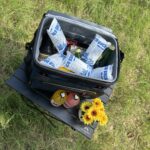
Na logística da cadeia de frio, strap large gel ice packs serve as passive refrigerants that maintain chilled temperatures (2–8 ° C.) for 24–48 hours without requiring power. Unlike dry ice—which is regulated as a hazardous material and can overcool products—gel packs are safe, nontoxic and costefficient. Adjustable straps secure the pack within boxes, preventing movement and ensuring even cooling. Businesses use them to ship meal kits, pharmaceuticals and biologics because they reduce temperature damage and avoid freezing sensitive products.
Explicação expandida
Coldchain shipments face two challenges: maintaining the right temperature and doing so costeffectively. Gel packs address both. Uma bolsa flexível cheia de gel refrigerante permanece por perto 32 °F (0 °C) quando congelado, manter os itens perecíveis frescos sem cair abaixo de zero. As correias evitam que a embalagem se desloque dentro da caixa, que pode criar pontos quentes. Os pacotes de gel têm encargos regulatórios mais baixos do que o gelo seco porque não são classificados como perigosos, então mais operadoras os aceitam. Eles também evitam a sublimação do gelo seco e o risco associado de danos ao produto ou acúmulo de dióxido de carbono. Pacotes de gel reutilizáveis can be cleaned and refrozen, reduzindo custos ao longo do tempo. Bolsas de água oferecem menor custo, mas têm menos massa térmica, enquanto o gelo seco fornece temperaturas extremamente baixas, mas requer manuseio especial. As embalagens reutilizáveis combinam durabilidade e benefícios ambientais.
Refrigerantes e sistemas de embalagem
Escolher o sistema de embalagem certo é crucial. Sistemas passivos (pacotes de gel, mantas de gel, etc.) are the most common and costeffective; eles não requerem energia externa. Os sistemas ativos usam refrigeração alimentada e controle termostático, while hybrid systems combine phasechange materials with power. A tabela abaixo compara refrigerantes para remessa e o que eles significam para o seu negócio.
| Tipo de refrigerante | Prós | Contras | Melhor uso & Significado |
| Pacotes de gel | Melhor retenção térmica do que bolsas de água; seguro e não tóxico; amplamente aceito pelas operadoras | Maior custo por unidade; risco de vazamento se perfurado | Ideal para remessas refrigeradas de 24 a 48 horas; as tiras permitem a colocação segura em kits de refeição ou caixas de amostras clínicas |
| Pacotes de água (bolsas de gelo) | Menor custo; descarte simples; sem toxicidade | Menos massa térmica; mais rígido quando congelado; vazar rapidamente se perfurado | Good for shortduration chilled shipments; pode complementar pacotes de gel para prolongar o resfriamento |
| Gelo seco | Temperaturas extremamente baixas; longduration frozen shipments | Classificado como perigoso; risco de resfriamento excessivo; mais caro | Melhor para o transporte de produtos congelados, como frutos do mar ou vacinas que exigem –70 °C; não é adequado para pacotes de alças |
| Bolsas frias reutilizáveis | Baixo custo a longo prazo; durável; reduzir o desperdício | Exigir logística de devolução e limpeza; alto custo inicial | Adequado para serviços de assinatura e modelos B2B com sistemas de devolução |
Dicas e conselhos práticos sobre remessa
Pré-condicione os pacotes de gel adequadamente: Congele-os por pelo menos duas horas (ou mais para embalagens grandes) antes de embalar. Para remessas que exigem temperaturas geladas, considere refrigerar o gel em vez de congelá-lo para evitar o resfriamento excessivo de produtos sensíveis.
Use pacotes suficientes: Determine o número com base no peso do produto, tempo de trânsito, temperatura ambiente e qualidade do isolamento. A rule of thumb is to use one pound of gel per pound of product for 24hour transit.
Posicione os pacotes estrategicamente: Coloque os pacotes em cima e ao redor dos produtos, usando tiras ou fita para prendê-los e evitar deslocamentos. Air frio afunda, então a colocação superior ajuda a manter uma temperatura estável.
Siga os regulamentos: Gel packs are generally nonhazardous, mas você ainda deve cumprir ASTM, IATA e FDA guidelines for cadeia de frio packaging. Documente perfis de temperatura para remessas farmacêuticas quando necessário.
Combine com isolamento: Use alta qualidade caixas isoladas, forros ou sacos para prolongar a duração do resfriamento. Os pacotes de gel passivos funcionam melhor quando a temperatura ambiente é moderada e o recipiente está bem isolado.
Exemplo do mundo real: A mealkit company replaced dry ice with strap gel packs for its West Coast deliveries. As embalagens mantinham os alimentos a 2–8 °C durante 36 horas sem congelar produtos delicados. Correias ajustáveis fixavam as embalagens nas paredes da caixa, impedindo o movimento. The company saw reduced shipping costs and eliminated hazardousmaterials paperwork, e os clientes apreciaram os pacotes de gel reutilizáveis.
2025 Tendências e insights de mercado
Visão geral da tendência
O mercado de bolsas grandes de gelo em gel está se expandindo rapidamente. A receita global de bolsas de gelo em gel é estimada em dólares 311.2 milhões em 2025 e deverá atingir USD 572.5 milhão por 2032, refletindo um 9.1 % Cagr. As embalagens reutilizáveis dominam o mercado com uma 55.6 % compartilhar, impulsionado pela sustentabilidade e eficiência de custos. Pacotes de gel não tóxicos são responsáveis por 56.8 % de materiais usados. Na indústria mais ampla de embalagens frias, pacotes de gel reutilizáveis representam 65 % da demanda. O envelhecimento da população global e a prevalência de doenças músculo-esqueléticas – que afectam 1.71 bilhões de pessoas – são os principais impulsionadores dos dispositivos de terapia fria. Enquanto isso, the COVID19 vaccine rollout has expanded cadeia de frio infrastructure and highlighted the need for reliable gel packs equipped with IoT temperature loggers.
Último progresso em um olhar
Materiais ecológicos: Os fabricantes estão mudando para plantbased and biodegradable gels, reducing environmental impact and appeal to sustainabilityminded consumers.
Sensores inteligentes: IoTenabled gel packs can monitor temperature in real time, garantir o transporte seguro de produtos biológicos e vacinas.
Projetos ergonômicos: Pacotes com divisores duplos, texturas de contas de gel e alças ajustáveis melhorar o conforto e a experiência do usuário.
Marca personalizada: Empresas como a Gelpax oferecem personalizável, fullcolor branded gel packs para recuperação de saúde e brindes promocionais.
Mudanças regulatórias: As tarifas sobre produtos médicos importados estão incentivando a produção nacional, ensuring quality and supply security.
Expansão do mercado: North America leads the gel pack market with a 36.3 % compartilhar, enquanto a Ásia-Pacífico é a região que mais cresce. As bolsas frias utilizadas em instituições de saúde possuem um 48 % compartilhar 2025.
Insights de mercado
The cold packs market is projected to crescer a partir do USD 1.8 bilhão em 2025 para USD 3.5 bilhão por 2035, with reusable gel packs as the leading segment. Demand is fuelled by the distribution of temperaturesensitive biologics and the growth of ecommerce meal kits. Healthcare institutions remain the largest enduser, contabilidade para 48 % do mercado, while painrelief applications represent more than 42 % da demanda. As preferências materiais estão mudando para Polietileno for its durability and puncture resistance. Empresas líderes como Nortech Labs, Indústrias Pelton Shepherd, Rapid Aid and Cool Shock invest in recyclable packaging and advanced cadeia de frio solutions.
Perguntas frequentes
Q1: Como faço para limpar uma bolsa grande de gelo em gel com alça?
Retire a capa de tecido e lave-a em água fria com detergente neutro. Limpe a almofada de gel de vinil com um pano úmido e deixe secar completamente antes de congelar novamente. Evite submergir a almofada de gel em água para evitar vazamentos.
Q2: Can strap gel packs be used for heat therapy?
Sim. Many packs are microwaveable; fold the pack and heat for 20 segundos de cada lado. Verifique sempre a temperatura entre intervalos e nunca exceda 150 °F.
Q3: As embalagens grandes de gel com cinta são seguras para o transporte de produtos farmacêuticos??
Sim. Gel packs are nonhazardous and maintain chilled temperatures without freezing. Quando usado com embalagem isolada e monitoramento de temperatura, they meet cadeia de frio standards.
Q4: Os pacotes de gel expiram?
Highquality reusable packs can last for years when cared for properly. Inspect the pack regularly for leaks, e substitua-o se o gel ficar irregular ou as tiras perderem elasticidade.
Q5: Quantas vezes devo aplicar o pack para uma lesão?
Inscreva-se por 15 a 20 minutos a cada duas horas durante o primeiro 48 horas. Após a fase aguda, mude para calor ou reduza a frequência conforme a dor diminui.
Resumo e recomendações
As bolsas grandes de gelo em gel Strap são ferramentas versáteis que combinam flexibilidade, nontoxic gel pads with adjustable straps for handsfree cold or heat therapy and reliable cadeia de frio shipping. Eles se moldam ao seu corpo, reduz o inchaço e a dor por meio da vasoconstrição e pode ser recongelado várias vezes, making them costeffective. Na logística, pacotes de gel fornecem segurança, nonhazardous cooling without the regulatory burdens of dry ice. O mercado está se expandindo rapidamente – as embalagens reutilizáveis dominam o segmento, and ecofriendly materials and smart sensors are becoming standard. Escolhendo o tamanho certo, o comprimento e o material da alça garantem conforto e eficácia, se você está se recuperando de uma cirurgia ou enviando kits de refeição.
ACTO ACEDIVO PRÓXIMO PASSOS
Meça suas necessidades: Determine a parte do corpo ou o tamanho do recipiente e escolha uma embalagem com cobertura e comprimento de alça adequados. Opte por embalagens de cerca de 11 a 14 polegadas com alças de extensão para máxima versatilidade.
Invista em qualidade: Select packs made from latexfree vinyl or nylon filled with nontoxic gels. Procure compartimentos duplos, removable covers and warranties for longterm value.
Use com segurança: Congele a embalagem por pelo menos duas horas, embrulhe em um pano e aplique por 15–20 minutos. Siga o R.I.C.E. método para lesões agudas e mudar para calor após 48 horas.
Planeje as remessas com cuidado: For cadeia de frio logistics, calcular o número de pacotes de gel necessários, pré-condicione-os adequadamente e prenda-os com tiras. Cumpra as diretrizes regulatórias e escolha sistemas de embalagem apropriados.
Mantenha-se informado: Acompanhar 2025 innovations like ecofriendly gels, sensores inteligentes e designs ergonômicos. Monitore as tendências do mercado para capitalizar a crescente demanda por embalagens de gel reutilizáveis.
Sobre Tempk
Tempk is a leading innovator in cadeia de frio and hot/cold therapy solutions. Projetamos bolsas de gelo em gel reutilizáveis usando baseado em plantas, géis não tóxicos e durável, BPAfree materials that remain flexible when frozen. Nossos pacotes apresentam indicadores inteligentes de temperatura e formas ergonômicas que se adaptam a diferentes partes do corpo e requisitos de envio. Além da terapia pessoal, fornecemos sistemas avançados de compressão a frio, insulated shipping solutions and custom cadeia de frio packaging for pharmaceuticals, alimentos e dispositivos médicos. Com experiência em saúde, logística e medicina esportiva, Tempk combina inovação com sustentabilidade para manter seus produtos seguros e sua recuperação confortável. Reach out to our team for tailored advice on gel ice packs or cadeia de frio packaging.
Chamado à ação
For personalized guidance or a custom cadeia de frio solution, entre em contato com os especialistas da Tempk hoje. Se você precisa de uma grande bolsa de gelo em gel para terapia domiciliar ou de um sistema de envio abrangente para produtos biológicos, estamos aqui para ajudá-lo a manter as coisas legais.