Tijolos de gelo em gel para embalagens de cadeia de frio: Como escolher o pacote certo para a cadeia de frio
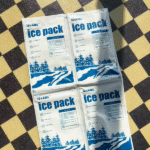
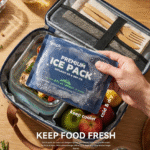
Tijolos de gelo em gel para embalagem da cadeia de frio são úteis quando uma remessa precisa de resfriamento passivo dentro de um contêiner isolado. Eles ajudam a proteger alimentos perecíveis, produtos farmacêuticos, amostras, cosméticos, e outros produtos que necessitam de suporte refrigerado durante o transporte, absorvendo calor durante o transporte, encenação, e entrega. A escolha certa depende da faixa de temperatura necessária, duração do transporte, volume de carga útil, exposição ambiental, e como o tijolo é condicionado e colocado.
O princípio de compra mais importante é simples: um tijolo de gelo é um componente, não é um sistema completo com temperatura controlada. Para gel de tijolos de gelo, o sistema completo inclui o tijolo, o expedidor isolado, a carga do produto, o padrão de embalagem, a rota, o processo de manipulação, e qualquer monitoramento ou recebimento de cheques. Se uma parte mudar, o desempenho pode mudar.
Resposta rápida para compradores
Choose gel ice bricks for cadeia de frio packaging when the product needs controlled cooling and the operation can manage freezing or conditioning, embalagem, recuperação, limpeza, e inspeção. Evite escolher apenas pelo tamanho. Um tijolo muito pequeno pode aquecer cedo, enquanto um tijolo que está muito frio, muito grande, ou colocado diretamente contra mercadorias sensíveis pode criar congelamento local, condensação, peso, ou problemas de volume.
Para alto valor, segurança alimentar, farmacêutico, vacina, biológico, diagnóstico, ou remessas de amostras, trate o tijolo de gelo como parte de uma embalagem verificada. Confirme a faixa de temperatura necessária, execute um teste realista ou piloto monitorado, e documente o método de embalagem. Um bloco reutilizável pode apoiar o trabalho de conformidade, mas não prova a conformidade por si só.
O que os tijolos de gelo realmente fazem
Um tijolo de gelo retarda a mudança de temperatura ao absorver o calor que entra na embalagem. O calor entra pelas paredes do recipiente, tampa, costuras, espaço vazio, e a cada momento que a embalagem é aberta ou exposta. O refrigerante dá à carga mais tempo dentro do alcance, mas não pode parar completamente a transferência de calor. É por isso que o isolamento, padrão de carregamento, e disciplina de tampa fechada.
Na seleção de refrigerante à base de gel, o objetivo não é deixar a embalagem o mais fria possível. O objetivo é manter a carga útil dentro da banda correta pelo tempo pretendido. Essa distinção é importante quando os produtos são sensíveis ao congelamento, umidade, ou choque térmico. O pacote mais seguro geralmente é aquele que equilibra o poder de resfriamento com a separação, controle de fluxo de ar, e condicionamento adequado.
Água, Gel, PCM, e projetos para serviços pesados
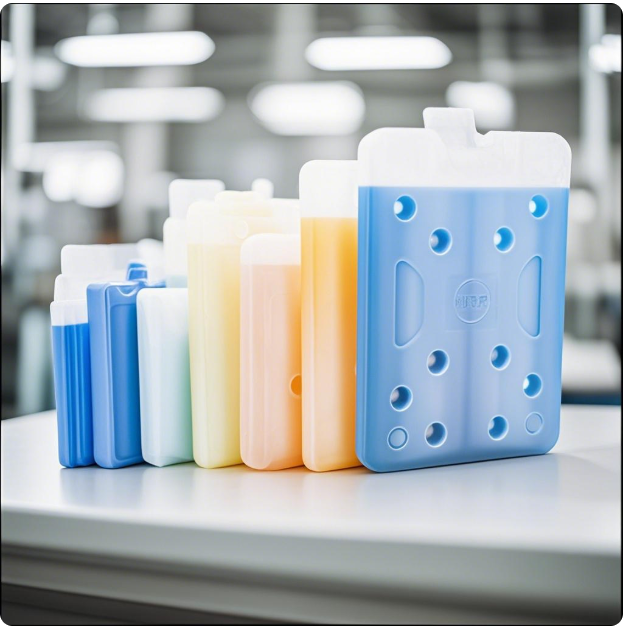
Os tijolos de gelo à base de água são familiares e econômicos para muitos usos refrigerados ou congelados. Os tijolos de gel usam um preenchimento mais espesso que pode melhorar o manuseio e reduzir o movimento do líquido dentro do tijolo. Os tijolos PCM são formulados para absorver ou liberar calor próximo a uma temperatura de mudança de fase selecionada, o que pode ajudar quando um produto precisa de uma faixa-alvo mais estreita do que a fornecida pela água congelada comum.
Tijolos resistentes concentram-se no manuseio repetido. Eles podem usar conchas mais fortes, paredes mais grossas, cantos moldados, ou formas que se empilham bem em caixas e freezers. Um design resistente pode reduzir vazamentos e quebras, mas não estende automaticamente o tempo de espera. O desempenho térmico ainda depende da massa de preenchimento, comportamento de fase, isolamento, carga útil, e exposição da rota.
Isolamento e refrigerante devem ser escolhidos juntos
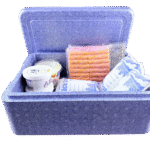
Um tijolo sem isolamento perde capacidade de refrigeração rapidamente. Uma caixa isolada sem líquido refrigerante suficiente pode atrasar o aquecimento, mas ainda assim falhar antes da entrega. Resfriadores de espuma, Caixas EPP, forros isolados, bolsas térmicas, e coberturas de paletes reduzem a transferência de calor de diferentes maneiras. O refrigerante deve ser dimensionado para o volume interno e a carga útil do contêiner selecionado.
O volume utilizável é uma questão prática de compra. O tamanho externo da caixa não informa quanto produto cabe após a adição de isolamento e refrigerante. Um pacote com quatro tijolos grandes pode deixar muito pouco espaço para a carga útil ou pode forçar os empacotadores a colocar os tijolos em posições inseguras. Os compradores devem solicitar dimensões internas e testar as embalagens reais do produto antes de se comprometerem com grandes quantidades.
Onde os tijolos de gelo se encaixam melhor
Os tijolos de gelo se adaptam melhor em rotas previsíveis, como transportadores reutilizáveis, sacos de entrega, caixas isoladas, pequenas pistas de parcelas, e aplicações onde uma forma rígida é mais fácil de empilhar do que uma bolsa macia. Eles também são úteis como resfriamento de reserva durante o carregamento, estadiamento de curto prazo, e entrega na última milha. Eles funcionam particularmente bem quando a equipe pode seguir um diagrama de embalagem fixo e quando a equipe receptora pode inspecionar tanto o produto quanto a condição do líquido refrigerante..
Rotas de circuito fechado são fortes candidatas porque os tijolos podem ser recuperados, lavado, inspecionado, e reutilizado.
Faixas passivas curtas ou médias são boas candidatas quando a exposição ambiental é conhecida e o pacote permanece fechado.
As rotas de encomendas podem ser adequadas quando o remetente isolado e a quantidade de refrigerante foram testados contra atrasos realistas.
Remessas regulamentadas ou de alto valor precisam de revisão adicional, monitoramento, e documentação antes do uso rotineiro.
Onde os tijolos de gelo podem falhar
A falha mais comum é uma incompatibilidade entre o packout e a rota. Selecionar um tijolo de gel apenas por tamanho, sem verificar o comportamento de congelamento, risco de vazamento, risco de contato direto, e a duração do percurso pode ocorrer quando a massa do líquido refrigerante é muito baixa, o isolamento é fraco, os tijolos não estão totalmente condicionados, ou os pacotes ficam muito tempo em uma doca quente. O problema oposto pode ocorrer quando tijolos congelados tocam diretamente em produtos sensíveis ao congelamento e criam danos locais pelo frio..
Falha mecânica também importa. Tijolos congelados são frequentemente manuseados de maneira grosseira. Eles podem ser descartados, empilhado, lavado, voltou, e recongelado muitas vezes. Rachaduras, tensão de costura, inchaço, perda de rótulo, e a contaminação da superfície podem afetar se um tijolo permanece adequado. Um programa de refrigerante reutilizável deve incluir critérios de inspeção e um processo de desativação claro para unidades danificadas.
Alternativa de gelo seco: Quando a comparação faz sentido
Tijolos de gelo e tijolos PCM são às vezes considerados alternativas ao gelo seco. A comparação faz sentido quando o produto necessita de refrigeração, temperatura ambiente controlada, ou suporte congelado moderado em vez de condições ultrabaixas. O gelo seco é muito mais frio e sublima em gás dióxido de carbono, então tem manuseio, ventilação, marcação, e considerações de aceitação da transportadora.
Para gel de tijolos de gelo, a questão mais segura não é se os tijolos de gelo são melhores que o gelo seco. A questão é qual refrigerante corresponde aos requisitos de temperatura e rota do produto. Um bloco PCM pode ser apropriado para um 2-8 Pista refrigerada estilo C. Um tijolo congelado à base de água pode servir para alguns alimentos congelados. O gelo seco ainda pode ser necessário para remessas ultracongeladas ou ultrabaixas.
Comida, Farmacêutico, e limites sensíveis à temperatura
As decisões de transporte de alimentos devem considerar o controle de temperatura, saneamento, limpeza, prevenção de contaminação cruzada, práticas de carregamento, e recebimento de cheques. Uma embalagem que mantém um produto fresco, mas é difícil de limpar ou inspecionar, ainda pode criar risco operacional. Para alimentos perecíveis, os programas de qualidade e segurança do produto devem definir condições de manuseio aceitáveis.
As remessas de produtos farmacêuticos e de vacinas exigem limites especialmente cuidadosos. Um contêiner de manuseio reutilizável, caixa impermeável, ou caixa de plástico não é automaticamente um expedidor térmico qualificado. Uma caixa isolada não é automaticamente qualificada para todas as rotas. Os compradores devem confirmar a faixa de temperatura necessária, Duração da remessa, volume de carga útil, tipo de refrigerante, exposição ambiental, condições da pista, recebendo inspeção, e requisitos de documentação.
Ferramentas úteis de decisão
Verifique os detalhes antes de escolher a embalagem
Essas ferramentas rápidas podem ajudá-lo a comparar o risco da rota, necessidades de dimensionamento, escolhas de refrigerante, e detalhes da embalagem antes de solicitar um orçamento.
Calculadora de acumuladores de frio
Estime a quantidade de bolsas de gelo em gel para remessas refrigeradas e planejamento prático de rotas.
Estimar bolsas de geloForro de caixa & Dimensionamento da cobertura de paletes
Verifique a lógica de dimensionamento do forro da caixa e da tampa do palete para projetos de embalagens isoladas.
Dimensionamento estimadoCalculadora de gelo seco
Estime as necessidades de gelo seco para remessas congeladas ou ultrafrias antes de embalar.
Estimar gelo secoO que os compradores devem perguntar aos fornecedores antes de fazer o pedido
A avaliação do fornecedor deve conectar o design do produto com o uso operacional. Um preço unitário baixo não ajuda se o tijolo vazar, altera dimensões, falta documentação, ou não pode ser condicionado com rapidez suficiente para o pico de demanda. Antes de fazer um pedido em grandes quantidades, os compradores devem fazer perguntas que revelem a qualidade do produto e a consistência da produção.
Quais são as dimensões externas, faixa de peso, volume de preenchimento, tipo de material, e tolerâncias dimensionais?
O enchimento é água, gel, PCM, ou outro refrigerante, e qual método de condicionamento é necessário?
Que documentação de segurança apoia alegações como não tóxico, uso relacionado a alimentos, ou outras declarações de uso pretendido?
Como é a resistência ao vazamento, força de vedação, deformação, rachaduras, e defeitos de superfície verificados durante a produção?
Os lotes de produção corresponderão à amostra aprovada, e como é a resina, preencher, mofo, ou mudanças de fornecedores controladas?
O tijolo pode ser rotulado, codificado por cores, moldado, ou embalado de uma forma que suporte rastreamento e classificação de devolução?
Qual quantidade mínima de pedido, tempo de espera, e opções personalizadas se aplicam, e como os pedidos repetidos permanecem consistentes?
O fornecedor pode discutir o tijolo junto com as caixas isoladas, forros, bolsas, ou capas de paletes quando a rota precisa de uma embalagem completa?
Como testar um pacote antes de dimensionar
Um teste prático deve usar o recipiente isolado real, produto pretendido ou massa de carga útil equivalente, número planejado de tijolos, padrão de posicionamento real, e exposição ambiental realista. Meça o ambiente de carga útil, não apenas o ar ao lado do refrigerante. Se a remessa tiver cargas parciais, extremos sazonais, ou longos períodos de preparação, essas condições devem ser incluídas no plano de teste.
Receber cheques completa o ciclo. O receptor deve saber o que inspecionar, que evidência de temperatura é necessária, e o que fazer após um desvio. Para bens regulamentados ou de alto valor, a decisão de aceitar, quarentena, ou rejeitar uma remessa deve seguir o procedimento de qualidade em vez de uma impressão visual de se os tijolos ainda estão frios.
Sustentabilidade e Reutilização
Os tijolos de gel podem ser reutilizados muitas vezes em circuitos controlados, mas o descarte e as unidades danificadas ainda precisam de um processo responsável. O caso de negócios depende da taxa de retorno, vida útil, esforço de limpeza, espaço de armazenamento, energia do congelador, taxa de substituição, e redução de perda de produto. Um tijolo reutilizável é mais valioso quando a rede já traz os recipientes de volta ou quando os clientes podem devolver as embalagens de forma confiável.
As reivindicações de sustentabilidade devem ser específicas. Em vez de perguntar apenas se um tijolo é ecológico, pergunte a quantos ciclos espera-se que ele sobreviva, como as unidades danificadas são tratadas, se o material do invólucro pode ser reciclado no mercado-alvo, e se o preenchimento cria restrições de descarte. Considere também se um melhor controle de temperatura reduz o desperdício de produto, porque o produto desperdiçado pode ocupar uma área maior do que a embalagem.
Orientação Final de Compra
Para gel de tijolos de gelo, comece com os requisitos do produto e direcione o risco, então escolha o refrigerante. Confirme a faixa de temperatura, duração, isolamento, volume de carga útil, exposição ambiental, e processo de manuseio. Use testes de amostra antes de comprar em massa. Mantenha o pacote simples o suficiente para que a equipe repita, mas técnico o suficiente para que as equipes de qualidade possam confiar nele.
O melhor tijolo de gelo nem sempre é o maior, mais frio, mais barato, ou mais avançado. É aquele que cabe na pista, protege o produto, funciona com o contêiner isolado, pode ser condicionado no horário, sobrevive ao manuseio repetido, e vem de um fornecedor que pode manter uma qualidade de produção consistente.
Perguntas frequentes
Os tijolos de gelo são iguais aos pacotes de gel??
Nem sempre. Alguns tijolos de gelo contêm gel, alguns contêm água, e alguns contêm PCM. O termo geralmente se refere a um formato de refrigerante rígido ou semirrígido, enquanto o pacote de gel também pode descrever produtos de bolsa macia.
Os tijolos de gelo podem ser usados para 2-8 Remessas C?
Podem ser utilizados em algumas embalagens refrigeradas, especialmente quando o refrigerante e o isolamento são projetados para essa faixa. Os compradores devem verificar a embalagem completa e evitar o risco direto de congelamento de produtos sensíveis.
Os tijolos de gelo reutilizáveis reduzem automaticamente os custos?
Eles podem reduzir compras recorrentes de refrigerante, mas só quando o retorno, limpeza, inspeção, e o processo de recongelamento é eficiente. Tijolos perdidos e logística de devolução deficiente podem acabar com as economias.
Notas de implementação para equipes de operações
Operations teams should convert the chosen gel ice bricks for cadeia de frio packaging into a repeatable work instruction. A instrução deve indicar por quanto tempo cada tijolo deve ser condicionado, onde deve ser colocado na embalagem, como a carga útil deve ser separada do refrigerante, e o que o destinatário deve verificar na chegada. Isso reduz a variação entre os turnos e torna o pacote mais fácil de auditar.
O planejamento do freezer deve ser revisado antes da expansão. Um piloto pode funcionar bem com um pequeno número de peças, mas a distribuição a granel pode falhar se o freezer estiver sobrecarregado ou se os tijolos devolvidos quentes forem colocados diretamente ao lado do estoque acondicionado. Armazenamento separado para devoluções quentes, unidades em condicionamento, e unidades prontas para embalar ajudam a manter o processo estável.
Sobre Tempk
A Tempk faz parte da Shanghai Tempk Industrial Co., Ltda., uma empresa da cadeia de frio estabelecida em 2011. Nós fornecemos bolsas de gelo em gel, Pacotes de gelo seco, tijolos de gelo congelador, Caixas isoladas em EPP, caixas de transporte frio, forros de caixa isolados, Tampas de paletes, e relacionado embalagem com temperatura controlada materiais. Para projetos de tijolos de gelo, nossa equipe se concentra na combinação prática entre refrigerante, isolamento, carga útil, exposição da rota, e processo de reutilização, para que os compradores possam escolher uma configuração adequada à remessa, em vez de selecionar apenas pelo tamanho.
Falar com a Tempk
Compartilhe a faixa de temperatura do produto, volume de carga útil, duração do transporte, e processo de devolução que você espera usar. A Tempk pode ajudá-lo a discutir uma configuração adequada de tijolo de gelo ou embalagem isolada para fornecimento a granel, dimensionamento personalizado, ou avaliação específica da rota.