O que verificar antes de comprar bolsa de gelo seco do fornecedor para envio de insulina
If you are evaluating supplier pacote de gelo seco for insulin shipping, o insight mais importante é simples: compre o sistema de envio para a condição do produto que você deve proteger, não pelo nome do pacote. A frase bolsa de gelo seco pode se referir a vários formatos de refrigerante muito diferentes, e no envio de insulina essas diferenças são importantes. Algumas remessas realmente precisam de proteção contra o frio profundo. Muitos outros precisam de refrigeração controlada, gerenciamento de umidade, proteção estrutural, ou um design de embalagem mais limpo, mais do que precisam de intensidade máxima de frio.
Se você estiver procurando um fornecedor de bolsa de gelo seco para envio de insulina, a verdadeira questão não é onde comprar a compressa fria. É se uma solução tipo gelo seco é adequada para insulina. Na maioria dos programas de insulina, o objetivo é proteção refrigerada, não ultracongelamento, e o verdadeiro gelo seco pode ser muito mais frio do que o remédio deveria tocar.
O que os compradores geralmente querem dizer com esse tipo de solicitação
A frase bolsa de gelo seco é extraordinariamente confusa aqui. Alguns fornecedores querem dizer dióxido de carbono sólido. Outros significam um pacote de lençóis hidratados, um congelado Pacote de gel, ou um pacote PCM. Essas opções se comportam de maneira muito diferente. Se você compará-los como se fossem intercambiáveis, é provável que você escolha o sistema errado.
Uma pesquisa liderada pelo fornecedor geralmente significa que você precisa de capacidade técnica, produção repetível, e uma resposta clara sobre como o pacote se ajusta ao remetente, não apenas uma cotação de preço.
Quando uma bolsa tipo gelo seco cabe e quando não cabe
Uma embalagem estilo gelo seco é adequada quando o estado e a rota do produto realmente justificam. Isso geralmente significa um alvo congelado ou uma pista incomumente severa que foi pensada como um sistema totalmente isolado. Isso não significa que o frio mais profundo seja automaticamente mais seguro. No envio de insulina, a fonte de frio errada pode causar danos por congelamento, condensação, perda de qualidade, ou complexidade de manipulação desnecessária. O pacote deve ser avaliado como parte do design total: temperatura inicial do produto, isolamento, espaçamento interno, duração, oscilações ambientais, e condições de recebimento.
Uma solução do tipo gelo seco só é adequada para o transporte de insulina quando o sistema totalmente isolado foi projetado para proteger o medicamento do contato com o frio profundo. Em muitos programas práticos, um pacote de gel condicionado ou PCM refrigerado é um melhor ponto de partida porque cria uma curva térmica mais estreita e reduz o risco de congelamento.
Gelo seco verdadeiro: Potencial de resfriamento muito forte para rotas congeladas ou severas. Limitação principal: Frequentemente frio demais para insulina, a menos que a carga útil seja cuidadosamente isolada.
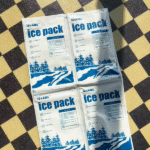
Pacote de lençóis hidratados: Formato congelado compacto com posicionamento flexível. Limitação principal: O desempenho depende muito da ativação, método de congelamento, e espaçamento.
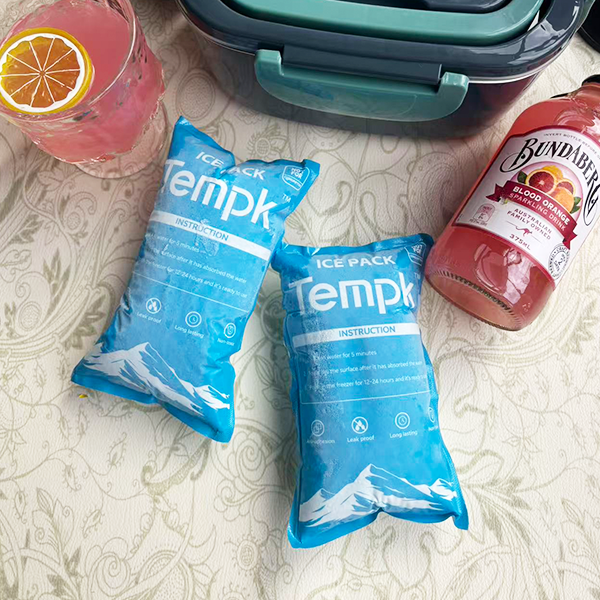
Pacote de gel: Simples e familiar para pistas refrigeradas curtas e médias. Limitação principal: Pode ser insuficiente se a caixa for mal projetada ou o percurso for longo.
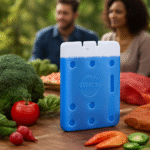
PCM refrigerado: Geralmente fornece uma curva mais estreita e controlada para 2 até 8°C de uso. Limitação principal: Custa mais e precisa de condicionamento disciplinado.
Construa o pacote em torno do produto, não é o nome do pacote
O transporte de insulina é um problema de design de rota antes de ser um problema de refrigerante. Você precisa pensar sobre a temperatura da embalagem, duração do trânsito, atrasos na transferência, exposição à porta, frio do inverno, calor de verão, e a chance de o pacote ficar próximo à superfície mais fria do remetente durante as primeiras horas da viagem.
Do ponto de vista térmico, a insulina se preocupa com o formato da curva de temperatura, não apenas a quantidade total de frio. Um refrigerante muito agressivo pode criar pontos frios locais perto da face da embalagem, mesmo quando a média da caixa parece aceitável. É por isso que o espaçamento, camadas de buffer, espessura de isolamento, e a colocação da embalagem geralmente são tão importantes quanto o peso do refrigerante.
O envio de insulina também fica próximo aos limites de manuseio regulamentados. UM pacote de refrigerante is not the same thing as a qualified pharmaceutical shipping system. Se gelo seco verdadeiro estiver envolvido, rotulagem de transporte, ventilação, e a documentação tornam-se mais importantes, especialmente para movimento de ar, e qualificação adicional ainda pode ser necessária.
O refrigerante é apenas parte da resposta. O sistema de pacotes é igualmente importante: tipo de isolamento, Tamanho da caixa, espaço morto interno, colocação do pacote, espaçadores, divisores, camadas absorventes, e a temperatura inicial da carga moldam o resultado. Dois fornecedores podem oferecer pesos de embalagens congeladas semelhantes e ainda assim produzir resultados de carga útil muito diferentes porque um sistema gerencia o fluxo de calor e os pontos frios locais melhor que o outro. Para compradores B2B, é por isso que uma conversa em nível de sistema geralmente é mais útil do que uma conversa apenas em componentes.
Uma estrutura de compra prática
Uma estrutura prática de compra começa com cinco perguntas. Qual condição de temperatura o produto deve atingir na entrega? Quanto tempo dura a exposição realista de porta em porta? Qual é o ambiente mais quente e mais frio que a rota pode ver? Quanta variação de empacotamento sua operação pode tolerar? E como seria realmente o fracasso: descongelando, congelando, vazamento, perda de aparência, ou simplesmente excesso de custo de embalagem? Quando essas perguntas são respondidas primeiro, recomendações de fornecedores tornam-se muito mais fáceis de julgar.
Solicite dados que reflitam como sua operação realmente funciona. Uma declaração de tempo de espera significa pouco, a menos que você conheça a massa da carga útil, o desafio ambiental, a definição de aprovação-reprovação, e o método de condicionamento por trás disso. As questões mais úteis são como a carga se comporta perto das faces frias, o que acontece após um atraso na rota, e se o pack-out permanece dentro da faixa pretendida após repetidos choques ambientais. Na prática, a disciplina de um fornecedor ao explicar as suposições geralmente diz mais do que a afirmação de desempenho do título.
Sucesso em compras em embalagem da cadeia de frio muitas vezes depende da consistência e não de uma amostra impressionante. Um piloto com bom desempenho ainda pode falhar em grande escala se o filme de produção, preenchimento de gel, Formulação PCM, dimensões da caixa, ou etapas de condicionamento mudam com o tempo. É por isso que a avaliação do fornecedor deve abranger a consistência da amostra até a produção, controle de mudanças, praticidade da linha de embalagem, e manuseio de armazenamento, além de puro desempenho térmico.
Para envio de insulina, o fornecedor mais forte é aquele que fala sobre controle de risco de congelamento, geometria do pacote, e suposições de rota em vez de pular direto para o peso da embalagem. Pergunte como o produto é protegido da superfície mais fria, como a recomendação muda por temporada, e como a consistência da amostra à produção é controlada.
Qual refrigerante você está realmente oferecendo para o envio de insulina: verdadeiro gelo seco, placa de gelo seco hidratado, Pacote de gel, ou PCM refrigerado?
Qual faixa de temperatura a recomendação pretende proteger, e como essa meta é definida?
Como a embalagem é condicionada antes do uso, e quão sensível é o desempenho a essa etapa de condicionamento?
Qual tampão ou método de espaçamento evita que a insulina toque a superfície mais fria?
Ferramentas úteis de decisão
Verifique os detalhes antes de escolher a embalagem
Essas ferramentas rápidas podem ajudá-lo a comparar o risco da rota, necessidades de dimensionamento, escolhas de refrigerante, e detalhes da embalagem antes de solicitar um orçamento.
Resistência à queda de material de isolamento
Revise a resistência à queda e os fatores de manuseio antes de escolher materiais de isolamento.
Verifique a resistênciaCalculadora de acumuladores de frio
Estime a quantidade de bolsas de gelo em gel para remessas refrigeradas e planejamento prático de rotas.
Estimar bolsas de geloCalculadora de gelo seco
Estime as necessidades de gelo seco para remessas congeladas ou ultrafrias antes de embalar.
Estimar gelo secoQuais caixas ou revestimentos isolados você pode combinar com o refrigerante para rotas curtas e longas?
Qual perfil de ambiente, massa de carga útil, e a duração do trânsito apoiam sua recomendação?
Como você gerencia o controle de alterações para filmes, gel, PCM, e componentes de isolamento após aprovação?
Quais são os MOQ, prazo de reposição, e controles da amostra até a produção para pedidos repetidos?
O que impulsiona o custo real
O programa de embalagem mais caro muitas vezes não é aquele com o preço unitário mais alto. É aquele que parece barato até você contar o desperdício, reenvios, tratamento de reclamações, espaço extra no congelador, peso dimensional, e tempo perdido em embalagens estranhas. Nas compras da cadeia de frio, o sistema certo geralmente vence tanto pela redução do atrito operacional quanto pela proteção da carga útil.
A sustentabilidade também fica mais clara quando a embalagem é adequada ao produto. A superespecificação adiciona peso, desperdício, e uso de energia. A subespecificação adiciona deterioração e remessas repetidas. O melhor caminho geralmente é dimensionar corretamente o remetente, escolha um refrigerante que corresponda à condição alvo, e manter o método de embalagem simples o suficiente para ser repetido com precisão em escala.
Menor, mais remessas farmacêuticas diretas estão tornando a precisão da embalagem mais importante. Os compradores desejam cada vez mais sistemas que sejam mais fáceis de montar corretamente, mais fácil de monitorar, e menos desperdício em pistas repetidas, o que leva muitos programas a transportadores isolados do tamanho certo e refrigerantes mais controlados.
Antes de implementar um programa completo de fornecedores, execute uma pista piloto que use os componentes de produção finais, não é uma amostra feita à mão. Embale a carga útil real, condicionar o refrigerante da mesma forma que o armazém fará, e teste a remessa nas condições de rota mais realistas que você puder simular. Em seguida, revise não apenas a temperatura da carga útil, mas também velocidade de embalagem, pegada de armazenamento, condição de recebimento, e a clareza das instruções de trabalho. Esse piloto geralmente diz mais sobre o sucesso do lançamento do que qualquer afirmação de folheto.
Pontos de falha comuns
Tratar a frase bolsa de gelo seco como prova de que a solução é adequada para insulina refrigerada.
Usando um refrigerante muito frio sem camadas tampão, espaçamento, ou uma geometria de pacote testada.
Comparar o preço do pacote sem verificar o risco de deterioração, tratamento de reclamações, e reenvios.
Ignorando as condições de inverno e pensando apenas nos testes em clima quente.
Tratar um componente de embalagem como se já fosse um sistema de expedição farmacêutica qualificado.
Detalhes operacionais que os compradores não devem ignorar
A disciplina operacional é importante porque o melhor projeto térmico ainda pode falhar se o armazém não conseguir repeti-lo. No envio de insulina, os compradores devem perguntar como o refrigerante é armazenado, quanto tempo leva para condicionar, qual é a janela de montagem aceitável quando a embalagem sai do armazenamento congelado, e se a instrução de trabalho é realista para as pessoas que realmente constroem a remessa. Uma pesquisa liderada pelo fornecedor geralmente significa que você precisa de capacidade técnica, produção repetível, e uma resposta clara sobre como o pacote se ajusta ao remetente, não apenas uma cotação de preço. Uma escolha de embalagem que parece eficiente no papel, mas é complicada na linha de embalagem, muitas vezes se torna um programa caro na prática.
Receber cheques também merece atenção. O produto não deixa de estar em risco quando a caixa sai do armazém. Pense no que o receptor deve ver, tocar, e registre na chegada. Eles deveriam verificar a integridade do pacote, procure sinais de vazamento ou condensação, verifique se a fonte fria ainda está presente, ou aumentar se o produto parecer inesperadamente duro ou quente? No envio de insulina, uma regra de recebimento clara pode reduzir a perda evitável de produtos porque transforma observações vagas em uma resposta definida.
A pegada de armazenamento e o tempo de preparação também fazem parte da decisão de compra. Alguns pacotes frios preciso de mais espaço no freezer, condicionamento mais longo, ou controle mais rigoroso do tipo primeiro a entrar, primeiro a sair do que outros. Se um programa for enviado em volume, que a carga operacional pode ser tão importante quanto a curva térmica. A melhor solução geralmente é aquela que sua equipe consegue executar de forma limpa todos os dias, não apenas aquele que parece mais forte em um único teste.
Perguntas frequentes curtas
O verdadeiro gelo seco pode ser usado para envio de insulina?
Pode ser possível dentro de um sistema cuidadosamente projetado, mas para muitas remessas de insulina está muito frio e aumenta o risco de congelamento. Um PCM refrigerado ou um pacote de gel condicionado costuma ser um melhor ponto de partida.
O que importa mais, peso do refrigerante ou design da caixa?
Ambos importam, mas isolamento, espaçamento, colocação de refrigerante, e o formato do pacote geralmente determinam se a carga congela ou permanece dentro do alcance.
Um recipiente isolado reutilizável é suficiente por si só?
Não. The refrigerant, método de montagem, e o perfil da rota ainda precisam trabalhar juntos. Qualificação adicional pode ser necessária.
O que devo solicitar antes de um pedido em grandes quantidades?
Solicite a especificação exata do refrigerante, instruções de condicionamento, suposições de rota, controles da amostra até a produção, e a lógica de decisão por trás do pacote recomendado.
Conclusão final
A maneira mais segura de comprar uma bolsa de gelo seco de fornecedor para envio de insulina é começar com os requisitos do produto e a rota, não com o nome do pacote. Depois de conhecer a condição alvo, duração do trânsito, risco ambiental, e restrições de embalagem, a fonte de frio certa torna-se mais fácil de escolher e dimensionar. Os compradores que tratam o pacote como parte de um sistema de envio completo geralmente obtêm melhor proteção, resíduos mais baixos, e menos surpresas após o lançamento.
Sobre Tempk
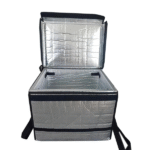
Nós somos a Temp, uma marca de embalagens com controle de temperatura estabelecida em 2011. Nossa linha de produtos publicada inclui bolsas de gelo, sacos e caixas isolados, capas térmicas para paletes, portadores de temperatura de insulina, e personalizado embalagem com temperatura controlada soluções para aplicações alimentícias e farmacêuticas. Nós nos concentramos em combinar formatos de embalagem com a sensibilidade do produto, condições da rota, e necessidades práticas de embalagem para que os compradores possam escolher uma configuração de cadeia de frio mais adequada em vez de depender de uma fonte de frio genérica. Para aplicações relacionadas à insulina, A linha publicada da Tempk inclui transportadores de temperatura de insulina junto com embalagens personalizadas com temperatura controlada, o que torna a marca relevante quando os compradores precisam de conhecimento sobre uso médico e suporte mais amplo para embalagens da cadeia de frio.
Próximo passo
Compartilhe a faixa de temperatura da insulina, duração do trânsito, e os pontos de maior risco de congelamento em sua rota antes de escolher um formato de pacote. Se você estiver selecionando fornecedores, comece com sua faixa de temperatura alvo, duração do trânsito, e os pontos de risco que mais importam na rota.