Guia de embalagem para cadeia de frio de injeções oncológicas sensíveis à temperatura
Temperature-sensitive oncology injections need a medicine packout that protects the approved handling range, a caixa secundária, o rótulo da farmácia, e a decisão de recebimento. A faixa correta deve vir do rótulo do produto, instruções do fabricante, POP de farmácia, e o acordo de qualidade do cliente.
Este guia usa uma rota de medicamentos refrigerados como modelo de planejamento. O remetente não deve ser tratado como um simples refrigerador. Deve ser testado com a massa real do produto, contagem de caixas, condicionamento de refrigerante, duração da rota, hora de transferência, e perfil ambiental sazonal.
Dados de planejamento de embalagem
| Faixa de temperatura | Muitas vezes 2-8 C for refrigerated injectable medicines, but each product label and oncology pharmacy SOP must define the final range. |
|---|---|
| Umidade e condensação | Mantenha as caixas, vial labels, evidência de adulteração, and administration documents dry and readable. |
| Pré-resfriamento | Remetente pré-condicionado, refrigerante, registrador, and staging area; avoid loading during uncontrolled room-temperature dwell. |
| Pressão do pacote | Protect high-value vials, seringas, and secondary cartons from compression, quebra, e contato refrigerante. |
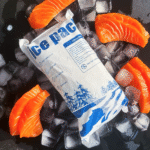
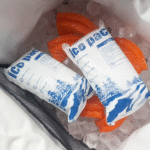
| Posição do refrigerante | Use conditioned coolant with validated separation from product; add light and tamper protection when required. |
| Duração do transporte | No mesmo dia para 48 h specialty pharmacy or hospital lanes should include handoff timing and receiving quarantine rules. |
| Perdas comuns | Exposição congelada, excursão quente, quebra do frasco, etiquetas molhadas, exposição à luz, security concern, and unreleased stock. |
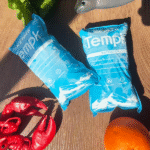
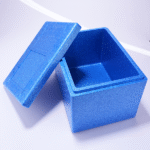
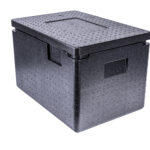
| Ajuste de embalagem Tempk | Tempk validated 2-8 C shipper, suporte para frasco, tamper-aware outer carton, registrador contínuo, and receiving release workflow. |
O que muda para este produto
Temperature-sensitive oncology injections can fail for reasons that are not visible from the outside carton. Um produto pode chegar aparentemente frio enquanto uma camada toca uma embalagem congelada, ou as caixas podem estar molhadas o suficiente para dificultar a verificação dos rótulos e instruções. Pequenas embalagens de medicamentos também se movem rapidamente com as mudanças ambientais, então a posição do registrador e o espaçamento do líquido refrigerante são importantes.
O pré-condicionamento deve acontecer antes do carregamento. Se o expedidor, refrigerante, ou a área de teste começa fora do perfil de destino, as primeiras horas de trânsito podem criar uma excursão gelada ou quente. Para medicamentos refrigerados, o contato duro com refrigerante é um dos riscos evitáveis mais comuns.
Ferramentas úteis de decisão
Verifique os detalhes antes de escolher a embalagem
Essas ferramentas rápidas podem ajudá-lo a comparar o risco da rota, necessidades de dimensionamento, escolhas de refrigerante, e detalhes da embalagem antes de solicitar um orçamento.
Refrigerante & Referência PCM
Compare as opções de refrigerante e PCM quando uma rota precisar de suporte adicional de temperatura.
Comparar opçõesVerificador de risco de rota
Revise as condições da pista antes de selecionar a embalagem para requisitos operacionais reais.
Verifique o risco da rotaResistência à queda de material de isolamento
Revise a resistência à queda e os fatores de manuseio antes de escolher materiais de isolamento.
Verifique a resistênciaAbordagem recomendada de embalagem Tempk
Use um temporário 2-8 C expedidor isolado ou forro isolado com condicionado pacotes de gel, uma barreira de produto validada, suporte para caixa ou frasco, e monitoramento contínuo quando a pista requer liberação documentada. Pedidos pequenos devem usar um encarte para que as embalagens de medicamentos permaneçam na zona do produto testado em vez de deslizarem em direção ao líquido refrigerante.
Para remessas de alto valor ou críticas para o paciente, adicione uma lista de verificação de recebimento que cubra o status do registrador, contagem de produtos, secura do rótulo, dano visível, e instruções de quarentena. Isso ajuda o receptor a tomar uma decisão clara de liberação em vez de adivinhar a temperatura de toque da caixa.
Recebendo cheques
Ao receber, a equipe deve revisar o resultado do registrador antes de colocar o estoque em estoque utilizável. Se o rótulo do produto, Sop, ou acordo de qualidade define um processo de excursão, a remessa deve ser retida até que o farmacêutico responsável ou a equipe de qualidade conclua essa revisão.
Tempk pode oferecer suporte ao dimensionamento do remetente, design do mapa de refrigerante, inserir layout, e validação de rota. Compartilhe as dimensões da caixa do produto, quantidade do pedido, faixa alvo, duração da rota, perfil ambiente, e procedimento de liberação para construir um pacote específico de pista.