Guia de embalagem da cadeia de frio de medicamentos probióticos
Os medicamentos probióticos precisam de uma embalagem que proteja a faixa de manuseio aprovada, a caixa secundária, o rótulo da farmácia, e a decisão de recebimento. A faixa correta deve vir do rótulo do produto, instruções do fabricante, POP de farmácia, e o acordo de qualidade do cliente.
Este guia usa uma rota de medicamentos refrigerados como modelo de planejamento. O remetente não deve ser tratado como um simples refrigerador. Deve ser testado com a massa real do produto, contagem de caixas, condicionamento de refrigerante, duração da rota, hora de transferência, e perfil ambiental sazonal.
Dados de planejamento de embalagem
| Faixa de temperatura | Use o intervalo de armazenamento rotulado; muitos produtos probióticos refrigerados são manuseados em torno 2-8 C para proteger a potência. |
|---|---|
| Umidade e condensação | O controle de umidade é importante para garrafas, saquetas, cápsulas, rótulos, e caixas externas. |
| Pré-resfriamento | Produto pré-condicionado, remetente, e refrigerante antes do carregamento para que o calor não seja transportado para dentro da caixa. |
| Pressão do pacote | Proteja garrafas, caixas blister, e caixas de sachês de esmagamento de papelão e movimentação de carga mista. |
| Posição do refrigerante | Use embalagens de gel ou embalagens de mudança de fase com barreira seca para que rótulos e caixas não fiquem molhados. |
| Duração do transporte | 24-72 As vias de comércio eletrônico ou farmácia precisam de testes no verão porque a exposição ao calor pode reduzir a contagem viável. |
| Perdas comuns | Exposição ao calor, condensação, caixas molhadas, movimento da garrafa, dano na etiqueta, e queixas de potência. |
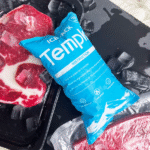
| Ajuste de embalagem Tempk | Envio ou expedidor isolado Tempk, refrigerante condicionado, barreira seca, suporte de caixa, e registrador de rotas quando necessário. |
O que muda para este produto
Os medicamentos probióticos podem falhar por razões que não são visíveis na embalagem exterior. Um produto pode chegar aparentemente frio enquanto uma camada toca uma embalagem congelada, ou as caixas podem estar molhadas o suficiente para dificultar a verificação dos rótulos e instruções. Pequenas embalagens de medicamentos também se movem rapidamente com as mudanças ambientais, então a posição do registrador e o espaçamento do líquido refrigerante são importantes.
O pré-condicionamento deve acontecer antes do carregamento. Se o expedidor, refrigerante, ou a área de teste começa fora do perfil de destino, as primeiras horas de trânsito podem criar uma excursão gelada ou quente. Para medicamentos refrigerados, o contato duro com refrigerante é um dos riscos evitáveis mais comuns.
Ferramentas úteis de decisão
Verifique os detalhes antes de escolher a embalagem
Essas ferramentas rápidas podem ajudá-lo a comparar o risco da rota, necessidades de dimensionamento, escolhas de refrigerante, e detalhes da embalagem antes de solicitar um orçamento.
Forro de caixa & Dimensionamento da cobertura de paletes
Verifique a lógica de dimensionamento do forro da caixa e da tampa do palete para projetos de embalagens isoladas.
Dimensionamento estimadoGerador de lista de verificação de conformidade
Crie uma lista de verificação prática para revisão de embalagens, envio, e documentação.
Lista de verificação de construçãoResistência à queda de material de isolamento
Revise a resistência à queda e os fatores de manuseio antes de escolher materiais de isolamento.
Verifique a resistênciaAbordagem recomendada de embalagem Tempk
Use um temporário 2-8 C expedidor isolado ou forro isolado com condicionado pacotes de gel, uma barreira de produto validada, suporte para caixa ou frasco, e monitoramento contínuo quando a pista requer liberação documentada. Pedidos pequenos devem usar um encarte para que as embalagens de medicamentos permaneçam na zona do produto testado em vez de deslizarem em direção ao líquido refrigerante.
Para remessas de alto valor ou críticas para o paciente, adicione uma lista de verificação de recebimento que cubra o status do registrador, contagem de produtos, secura do rótulo, dano visível, e instruções de quarentena. Isso ajuda o receptor a tomar uma decisão clara de liberação em vez de adivinhar a temperatura de toque da caixa.
Recebendo cheques
Ao receber, a equipe deve revisar o resultado do registrador antes de colocar o estoque em estoque utilizável. Se o rótulo do produto, Sop, ou acordo de qualidade define um processo de excursão, a remessa deve ser retida até que o farmacêutico responsável ou a equipe de qualidade conclua essa revisão.
Tempk pode oferecer suporte ao dimensionamento do remetente, design do mapa de refrigerante, inserir layout, e validação de rota. Compartilhe as dimensões da caixa do produto, quantidade do pedido, faixa alvo, duração da rota, perfil ambiente, e procedimento de liberação para construir um pacote específico de pista.