As remessas de sangue total precisam de uma via refrigerada controlada e de proteção física cuidadosa. O pacote deve manter a carga útil dentro da faixa aceita pelo estabelecimento licenciado, proteja a bolsa e os segmentos, mantenha os rótulos legíveis, e fornecer registros que apoiem decisões de recebimento ou devolução. Um pacote de sangue total não é o mesmo que um pacote de alimentos ou medicamentos porque a equipe receptora pode precisar inspecionar as evidências de temperatura, condição do selo, integridade do segmento, e condição visível do produto antes do lançamento.
Dados de planejamento do transporte de sangue total
| Faixa de temperatura típica | O armazenamento é comumente 1-6 C, com controles de remessa geralmente planejados em torno 1-10 C quando permitido pelo SOP do estabelecimento licenciado. |
|---|---|
| Umidade e condensação | Mantenha rótulos, sobreposições, sacos secundários, e a papelada seca; a condensação pode dificultar a inspeção visual e a revisão da cadeia de custódia. |
| Pré-resfriamento | Pré-condicione o remetente isolado, espaçadores de carga útil, e refrigerante antes de carregar; não use o transportador para retirar produtos quentes. |
| Pressão de embalagem | Apoie a bolsa de sangue sem pressionar o tubo, portos, ou segmentar acessórios contra líquido refrigerante congelado ou paredes duras. |
| Posição do refrigerante | Use compressas frias condicionadas com uma camada tampão. Evite o contato direto do congelamento com o saco, tubulação, ou portos. |
| Duração do transporte | Use rotas locais e regionais validadas, com posições de registrador no núcleo da carga útil e na borda voltada para a parede. |
| Perdas comuns | Temperaturas fora da faixa, risco de congelamento de contato, etiquetas molhadas, abrasão do saco, estresse portuário, registros ausentes, e rejeitou decisões de retorno ao estoque. |
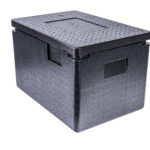
| Ajuste de embalagem Tempk | Remetente médico isolado, PCM condicionado ou pacotes de gel, camada tampão, forro absorvente, inserção de suporte de bolsa, selo de violação, e registro do registrador. |
Por que o sangue total precisa de sua própria embalagem
O sangue total pode ser vulnerável tanto à exposição ao calor quanto ao contato com o congelamento. Adicionar mais líquido refrigerante congelado pode criar um novo risco se um saco, tubo, ou segmento repousa contra uma superfície congelada. A carga útil deve ser armazenada em buffer e mantida em uma cavidade estável para que a bolsa não deslize, dobre bruscamente, ou pressione contra pacotes frios durante a vibração da estrada, classificação de correio, ou carregar na mão.
Para distribuição validada, Tempk usaria um qualificado expedidor isolado com refrigerante condicionado, proteção absorvente, uma inserção de suporte de bolsa, e pelo menos um registrador na zona do produto. Rotas mais longas ou de maior risco devem incluir um registrador de borda próximo ao ponto mais quente ou mais frio esperado. O recebimento de cheques deve abranger dados de temperatura, condição do selo, abrasão do saco, aparência visível, legibilidade do rótulo, e tempo de rota.
Ferramentas úteis de decisão
Verifique os detalhes antes de escolher a embalagem
Essas ferramentas rápidas podem ajudá-lo a comparar o risco da rota, necessidades de dimensionamento, escolhas de refrigerante, e detalhes da embalagem antes de solicitar um orçamento.
Referência de material de isolamento
Compare as opções de materiais de isolamento para diferentes necessidades de embalagens da cadeia de frio.
Compare materiaisRefrigerante & Referência PCM
Compare as opções de refrigerante e PCM quando uma rota precisar de suporte adicional de temperatura.
Comparar opçõesForro de caixa & Dimensionamento da cobertura de paletes
Verifique a lógica de dimensionamento do forro da caixa e da tampa do palete para projetos de embalagens isoladas.
Dimensionamento estimadoAbordagem temporária recomendada
Comece pelo POP do estabelecimento e pelo rótulo do componente. Defina o intervalo permitido, tempo máximo de rota, localização do registrador, e critérios de aceitação antes de selecionar a massa do refrigerante. Use uma camada tampão entre o produto e qualquer refrigerante congelado, e usar fechamento inviolável quando a cadeia de custódia for importante. O teste final deve incluir a contagem real de sacolas, temperatura inicial, condicionamento de refrigerante, tamanho do remetente, perfil ambiente, e processo de recebimento.
O regulamento de produtos sanguíneos eCFR inclui requisitos para intervalos de armazenamento e envio de sangue total, e também enfatiza a integridade do contêiner, registros, e inspeção. A embalagem Tempk deve suportar esses fluxos de trabalho; não substitui os procedimentos ou a responsabilidade regulatória do serviço de sangue licenciado.