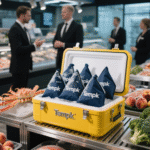
O crioprecipitado é um componente sanguíneo congelado com um pequeno tamanho de carga útil e alta sensibilidade de documentação. O plano de embalagem deve preservar a condição de congelamento, proteger pequenos recipientes contra quebra ou abrasão, mantenha os rótulos legíveis, e fornecer evidências de recebimento. Uma caixa de correio que funcione para alimentos congelados comuns não é suficiente, a menos que tenha sido validada com a carga real do componente, massa de refrigerante, duração da rota, e recebimento de cheques.
Dados de planejamento de transporte congelado de crioprecipitado
| Faixa de temperatura típica | O planejamento do crioprecipitado congelado é comumente -18 C ou mais frio antes de descongelar; use o rótulo do componente e o POP para manuseio exato. |
|---|---|
| Umidade e condensação | Proteja rótulos e superfícies de papelão contra geada, condensação, e marcas de contato de gelo seco durante o transporte congelado. |
| Pré-resfriamento | Pré-congele a carga útil e pré-condicione o expedidor congelado ou a embalagem de gelo seco antes de carregar. |
| Pressão de embalagem | Proteja pequenas unidades congeladas de recipientes rachados, dobras afiadas, e contato duro sob gelo seco ou líquido refrigerante pesado. |
| Posição do refrigerante | Use gelo seco ou líquido refrigerante congelado somente com ventilação compatível, separação, e um layout que evita a abrasão do contêiner. |
| Duração do transporte | Use rotas de congelamento qualificadas com evidências de manutenção de temperatura e verificações de risco de degelo no recebimento. |
| Perdas comuns | Evidência descongelada, sacos ou recipientes quebrados, rótulos ilegíveis, contato excessivo com gelo seco, falta de dados do registrador, e receber disputas. |
| Ajuste de embalagem Tempk | Remetente isolado congelado, gelo seco ou PCM congelado, camada separadora, manga do produto, forro absorvente, selo de violação, e registro do registrador. |
Por que o crioprecipitado precisa de sua própria embalagem congelada
As unidades de crioprecipitado podem ser pequenas, e pequenas cargas congeladas podem aquecer rapidamente na borda de um transportador. Eles também podem ser danificados por contato forte com gelo seco, embalagens congeladas mal colocadas, ou espaço vazio que permite movimento. O pacote deve segurar a carga com segurança, separe-o de superfícies de refrigeração agressivas, e facilitar a revisão das evidências de descongelamento no recebimento.
Para transporte congelado, Tempk usaria um remetente de congelados qualificado, uma manga ou separador de produto, um layout de gelo seco ou PCM congelado compatível com a pista, e um registrador colocado próximo à borda quente esperada. As rotas de gelo seco também exigem ventilação compatível, rotulagem, e manuseio de acordo com o modo de transporte do remetente e as regras locais. O recebimento de cheques deve incluir registro de temperatura, descongelar evidências, condição do contêiner, legibilidade do rótulo, e tempo de rota.
Ferramentas úteis de decisão
Verifique os detalhes antes de escolher a embalagem
Essas ferramentas rápidas podem ajudá-lo a comparar o risco da rota, necessidades de dimensionamento, escolhas de refrigerante, e detalhes da embalagem antes de solicitar um orçamento.
Verificador de risco de rota
Revise as condições da pista antes de selecionar a embalagem para requisitos operacionais reais.
Verifique o risco da rotaCalculadora de gelo seco
Estime as necessidades de gelo seco para remessas congeladas ou ultrafrias antes de embalar.
Estimar gelo secoRefrigerante & Referência PCM
Compare as opções de refrigerante e PCM quando uma rota precisar de suporte adicional de temperatura.
Comparar opçõesAbordagem temporária recomendada
Comece com o POP do hemocentro ou do hospital, não é uma regra genérica para encomendas congeladas. Confirme o intervalo permitido, duração da rota, subsídio de gelo seco, requisitos de documentação, e critérios de aceitação. Valide com a contagem real de unidades, manga interna, expedidor externo, massa de refrigerante, perfis ambientais de verão e inverno, e transmissão realista.
Os padrões de produtos sanguíneos eCFR da FDA incluem requisitos de processamento de plasma congelado e crioprecipitado e referências a -18 C ou condições mais frias para componentes congelados relevantes. A embalagem Tempk deve ser usada para apoiar o transporte validado, revisão da cadeia de custódia, e receber decisões no âmbito do processo do estabelecimento licenciado.