Uma estrutura de rota até o recebimento para embalagem de gelo seco no atacado para entrega de laticínios
A decisão de comprar no atacado pacote de gelo seco para entrega de laticínios deve seguir a ordem da câmara frigorífica até o receptor. O produto especificado é uma folha de refrigeração ativada por água que é hidratada e congelada antes da embalagem, não sólido dióxido de carbono gelo seco. Sua função é absorver o calor dentro de uma embalagem isolada. Seus limites são igualmente importantes: não é possível definir a condição correta para cada item lácteo, corrigir o manuseio upstream inseguro, prevenir a contaminação, ou garantir uma duração de entrega. Um programa confiável, portanto, vincula a segmentação de produtos, controle local de contato frio, capacidade de preparação, transferências de rota, recebendo, consistência do fornecedor, e controle de mudança.
Etapa 1: Segmente o portfólio de laticínios
Liste produtos por comportamento relevante, não apenas categoria de merchandising.
Considerar:
- Produtos fluidos ou semifluidos resfriados.
- Copos e bolsas cultivadas.
- Queijo fresco ou de pasta mole.
- Queijo duro ou envelhecido.
- Manteiga e produtos ricos em gordura.
- Sobremesas à base de creme.
- Laticínios congelados.
- Laticínios com estabilidade de prateleira.
Para cada, documentar as condições necessárias de armazenamento e transporte, estado inicial, sensibilidade de congelamento, tipo de pacote, risco de vazamento, e requisitos aplicáveis. Use especialistas em produtos e regulatórios para definir limites.
Pedidos mistos devem ser combinações aprovadas. Uma caixa com estabilidade de armazenamento pode precisar de um compartimento seco; um item congelado não pode compartilhar uma zona com um copo de cultura sensível ao congelamento. A conveniência da embalagem não deve anular a compatibilidade do produto.
Etapa 2: Defina a Promessa de Entrega como Rota Térmica
Uma promessa de serviço como no mesmo dia ou no dia seguinte não descreve a exposição. Mapa:
1. Selecionando do armazenamento.
2. Consolidação e espera.
3. Preparação e recuperação de refrigerante.
4. Montagem do pacote.
5. Preparação pré-despacho.
6. Entrega de veículo ou transportadora.
7. Paradas, centros, ou transferência.
8. Local de entrega e permanência autônoma.
9. Recebendo inspeção.
10. Transferir para armazenamento.
Para cada etapa, atribuir tempo, condição esperada, parte responsável, e exceção. Incluir condições sazonais e o atraso mais provável.
Esta definição de rota decide se as folhas de hidratação passiva são apropriadas. Uma rota com permanência rotineira não controlada pode precisar de um serviço diferente ou transporte com temperatura controlada. Adicionar massa congelada não é a única alavanca de design.
Etapa 3: Escreva a configuração do pacote
A embalagem deve ser uma receita controlada.
| Elemento | Pergunta de especificação | Falha se não for controlada |
|---|---|---|
| Carga útil de laticínios | Quais produtos e quantidades são aprovados juntos? | Condições incompatíveis |
| Embalagem primária | Pode copos, bolsas, banheiras, e as vedações toleram pressão e umidade? | Vazamentos ou danos à apresentação |
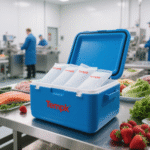
| Recipiente isolado | Qual item e condição exatos foram aprovados? | Ganho de calor inesperado |
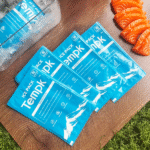
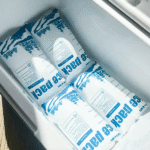
| Folha de hidratação | Qual item, estado preparado, contar, e orientação? | Muito pouco resfriamento ou contato frio |
| Buffer ou inserção | Ele mantém o espaçamento sob vibração e umidade? | Movimento ou congelamento da folha |
| Camada de umidade | Para onde vai a condensação ou vazamento? | Embalagem fraca ou contaminação cruzada |
| Gerenciamento de vazios | Cada nível de pedido permanece estável? | Mudança de carga útil e temperatura irregular |
| Encerramento | A equipe pode reproduzi-lo rapidamente? | Vazamento de calor ou preocupação com adulteração |
| Monitor | Que risco sua localização mede? | Evidência enganosa |
Nomeie cada elemento da lista de materiais. Mostre a sequência e a orientação das camadas em uma instrução de trabalho visual. Crie versões separadas para níveis de pedidos que se comportam de maneira diferente.
Controle interfaces frias
Folhas congeladas criam superfícies frias locais. Um registrador central pode deixar de congelar em uma tampa de alumínio ou na parede de uma bolsa. Use o posicionamento do sensor e a avaliação do produto para testar os pacotes mais próximos. Se um buffer for adicionado, verifique se ele permanece posicionado após a vibração, resiste à umidade, e ainda permite transferência de calor adequada.
Considere a expansão hidratada
Meça o ajuste após hidratação e congelamento. Células expandidas podem reduzir o volume utilizável, comprimir copos, ou fechar um espaço de ar. Os desenhos do fornecedor devem incluir informações sobre o estado hidratado, e as verificações de produção devem confirmar que a geometria crítica para o desempenho permanece consistente.
Etapa 4: Prove o processo de preparação
A hidratação e o congelamento ocorrem no operador de laticínios ou no local de distribuição, tornando-os etapas do processo interno.
Recebendo: Verificar item, muito, layout de célula, dimensões secas, contar, embalagem, e integridade visível.
Hidratação: Use instruções específicas do item, equipamento limpo, uma fonte de água controlada, e uma verificação de aceitação do estado hidratado definida.
Drenagem: Remova a água superficial livre de forma consistente e inspecione as costuras.
Congelando: Estabelecer rack, lote, fluxo de ar, tempo, recuperação de freezer, status, e liberação por meio de evidências específicas do local.
Encenação: Limite a exposição entre o freezer e o fechamento. Mantenha-se pronto, parcial, em quarentena, e estoque devolvido separado.
Conjunto: Verifique o item e a configuração na velocidade normal da linha.
O volume máximo é o desafio adequado. Um processo que funciona com um freezer meio vazio e um técnico treinado pode falhar durante a demanda sazonal.
Etapa 5: Crie evidências que correspondam à decisão
Perguntas diferentes precisam de evidências diferentes.
Os testes de ajuste de componentes respondem se a folha hidrata, congela, dobras, e cabe. Documentos de materiais apoiam a revisão da construção fornecida para um uso de contato definido. O desenvolvimento térmico compara a colocação, buffers, recipientes, e configurações. A qualificação relevante para a rota avalia o pacote final sob condições justificadas. A verificação operacional mostra que pessoas e equipamentos normais podem reproduzi-lo. O monitoramento de rotina detecta desvios.
Não transforme um teste de componente em uma declaração de rota. Se um fornecedor declarar uma duração, perguntar:
- Qual caixa isolada?
- Qual carga útil e quantidade?
- Quais condições iniciais?
- Como foi preparada a planilha?
- Quantas folhas e onde?
- Qual perfil de ambiente?
- Quais localizações dos sensores?
- Qual critério de aprovação?
As diferenças tornam o resultado intransferível sem avaliação adicional.
Um exemplo de desenvolvimento de laticínios mistos
Imagine uma caixa de entrega contendo potes de queijo fresco, xícaras cultivadas, e manteiga. Os testes iniciais atendem aos critérios de temperatura central, mas os copos cultivados no topo mostram congelamento da superfície durante o primeiro segmento da rota. Uma folha congelada superior fica diretamente sobre tampas flexíveis.
Ferramentas úteis de decisão
Verifique os detalhes antes de escolher a embalagem
Essas ferramentas rápidas podem ajudá-lo a comparar o risco da rota, necessidades de dimensionamento, escolhas de refrigerante, e detalhes da embalagem antes de solicitar um orçamento.
Calculadora de gelo seco
Estime as necessidades de gelo seco para remessas congeladas ou ultrafrias antes de embalar.
Estimar gelo secoForro de caixa & Dimensionamento da cobertura de paletes
Verifique a lógica de dimensionamento do forro da caixa e da tampa do palete para projetos de embalagens isoladas.
Dimensionamento estimadoSeletor de embalagens
Compare opções de embalagens isoladas por produto, rota, e necessidade de temperatura.
Encontre embalagensA equipe de desenvolvimento testa um espaçador rígido e tolerante à umidade e redistribui o líquido refrigerante para locais laterais, preservando a capacidade térmica total. Mede a interface fria, centro, e quente e analisa a qualidade do produto após um período de recuperação representativo. O projeto aprovado é aquele que equilibra os dois extremos, não aquele com o centro mais frio.
Etapa 6: Conecte Segurança Alimentar e Saneamento
Uma estação de hidratação é um processo úmido próximo a embalagens de alimentos. Inclui embarcações de água, prateleiras, carrinhos, luvas, drenos, freezers, e resposta a folhas danificadas em programas de saneamento. Separe o fluxo de retorno sujo do estoque novo e liberado.
Fabricação de laticínios, armazenar, e os requisitos de transporte variam de acordo com o produto e a jurisdição. Nos Estados Unidos, a estrutura da Portaria sobre Leite Pasteurizado é relevante para o Grau "UM" leite e produtos lácteos através do programa regulatório aplicável, embora os requisitos de transporte sanitário possam afetar as operações cobertas. Arranjos do programa, isenções, e adoção local exigem revisão qualificada.
A folha de refrigeração não estabelece conformidade. Processamento seguro, resfriamento do produto, saneamento, adequação do veículo, prevenção de contaminação, comunicação, recebendo, treinamento, e os registros continuam fazendo parte do sistema mais amplo.
Para evidências materiais, documente o contato real. Uma folha que toca um copo de iogurte selado tem uma descrição de uso diferente de uma folha que toca um queijo desembrulhado.. Verifique a construção exata, impressão, temperatura, duração, e mercado.
Etapa 7: Projete o manual da última milha
Atribuir ações para exceções previsíveis.
Produto quente na embalagem: Segure e aumente. Não compense com refrigerante extra.
Folhas congeladas incompletas: Coloque-os em quarentena ou siga um processo de recuperação validado.
Envio tardio: Use a condição de preparação e o ponto de corte aprovados.
Avaria do veículo: Manter o fechamento, hora do documento, e siga um procedimento de transferência pré-planejado.
Entrega em domicílio perdida: Siga as regras de serviço; não saia de onde o design proíbe.
Pacote molhado ou danificado: Segregar e inspecionar quanto a contaminação ou falha na embalagem.
Alerta de temperatura: Preservar dados e enviar disposição para a função autorizada.
Motoristas e agentes de atendimento ao cliente devem compreender os limites. Eles não deveriam decidir a segurança alimentar pelo toque, gelo restante, ou uma reivindicação genérica de horas.
Etapa 8: Fornecimento por atacado qualificado
Um fornecedor a granel deve reproduzir o item aprovado.
Concordo:
- Identidade funcional e revisão de itens.
- Informações de construção e materiais.
- Layout de célula e costura.
- Dimensões secas e hidratadas.
- Instruções de preparação e armazenamento.
- Identificação de lote e caixa.
- Critérios de defeito.
- Configuração de embalagens e paletes.
- Notificação de alteração.
- Tratamento de reclamações e não conformidades.
Compare os recebimentos de produção com a amostra aprovada por meio de verificações funcionais e de entrada baseadas em risco. Vazamento de tendências, células irregulares, marcação perdida, ou ajustar questões por lote.
A continuidade comercial também importa. Confirmar pedido mínimo, tempo de espera, janela de previsão, capacidade máxima, estoque de segurança, e estratégia de item de backup. Nunca autorize uma alternativa não avaliada porque ela é semelhante.
Etapa 9: Torne a reutilização e a sustentabilidade mensuráveis
Se a planilha e o programa permitirem a reutilização, definir retorno, segregação, inspeção, compatibilidade de limpeza, renovando, liberar, e descarte. Os ciclos de entrega fechados geralmente oferecem mais controle do que as devoluções do consumidor.
Calcule as taxas reais de retorno e aceitação. Contar transporte, classificação, trabalho, saneamento, uso do freezer, perdas, e substituição. Uma folha nominalmente reutilizável que raramente retorna não deve apoiar uma reivindicação ambiciosa de reutilização.
Compare as opções ambientais em um limite de pedido entregue: materiais de embalagem, frete de entrada, água de hidratação, energia do congelador, rota do veículo, transporte reverso, limpeza, e perda de laticínios. Proteger o produto continua central. Reduzir embalagens e aumentar os turnos de laticínios rejeitados, em vez de resolver, o fardo.
Etapa 10: Revise os dados e controle as alterações
Vincular reclamações e monitoramento à revisão do pacote, rota, temporada, mix de produtos, operador, lote de folhas, e parada de entrega. Investigue padrões.
As alterações que merecem revisão incluem:
- Formulação láctea ou embalagem primária.
- Quantidade do pedido ou combinação de produtos.
- Construção de chapa, dimensões, ou instruções.
- Recipiente ou forro isolado.
- Estação de hidratação ou freezer.
- Rota, operadora, veículo, ou política de entrega.
- Processo de devolução e limpeza.
Use uma avaliação de risco documentada para decidir se a revisão, teste de ajuste, comparação térmica focada, ou é necessária requalificação. Remova instruções de trabalho obsoletas e treine os usuários antes do início da nova configuração.
Monte um arquivo de transferência de compras para operações
A compra no atacado deve terminar com um pacote de controle utilizável, não é uma pasta de citações desconectadas. Crie um arquivo de entrega que contenha a especificação e revisão da planilha aprovada, identidade do fornecedor e da fabricação, instruções atuais, documentos materiais relevantes, referência de amostra aprovada, cheques recebidos, e acordo de notificação de alteração.
Conecte esse arquivo do fornecedor ao pacote operacional: o nível de sortimento de laticínios, códigos de caixa e item de forro, procedimento de hidratação e congelamento, instrução de montagem visual, perfil de rota, relatório de teste, mapa de sensores, Critérios de aceitação, registro de treinamento, procedimento de recebimento, e contatos de exceção. Indique quais documentos são controlados e quem aprova as revisões.
Essa transferência evita a perda de informações durante a aquisição, qualidade, armazém, e as equipes de entrega usam sistemas diferentes. Também melhora a investigação de reclamações. Se um receptor relatar iogurte congelado ou uma caixa molhada, a equipe pode identificar o lote exato de folhas, lote de preparação, versão do pacote, operador, rota, e monitorar o registro em vez de depender da memória.
Revise o arquivo em uma cadência definida e após alterações significativas. Confirme se as instruções do fornecedor ainda correspondem à prática local, os itens de produção ainda correspondem ao estado aprovado, e as suposições de rota permanecem realistas. Um arquivo de transferência bem mantido torna o dimensionamento em massa auditável sem transformar a papelada em um substituto para a observação.
Atribuir um proprietário de documento e um backup. Arquive revisões substituídas sem deixá-las nas estações de trabalho. Durante caminhadas rotineiras no chão, compare a sequência escrita com a hidratação real, encenação, conjunto, e tratamento de devolução. Feche qualquer lacuna por meio de investigação, correção, e reciclagem, em vez de editar silenciosamente o registro após o fato.
Perguntas frequentes
Qual é a maior diferença entre entrega de laticínios e transporte de leite fluido?
Entrega de laticínios pode combinar queijos, produtos cultivados, manteiga, sobremesas de creme, itens congelados, e produtos com estabilidade de prateleira em embalagens variadas e canais de última milha. O transporte de leite fluido concentra-se mais estritamente em embalagens líquidas, controle de tempo-temperatura, vazamento, contenção secundária, e recepção específica de leite. Ambos exigem controles específicos do produto.
Uma folha de hidratação pode ser dobrada em torno de produtos lácteos?
Pode ser dobrado ao longo das costuras projetadas se as instruções do produto permitirem. Não corte células nem crie dobras acentuadas que sobrecarreguem o invólucro. Teste a orientação real porque as células dobradas podem concentrar a pressão e o resfriamento nas embalagens.
Uma embalagem deve ser testada com laticínios reais?
Os substitutos representativos podem apoiar o desenvolvimento se for tecnicamente justificado, mas as embalagens reais e o comportamento do produto podem ser importantes para o congelamento, condensação, textura, e ajuste. A equipe responsável deve decidir quando o produto representativo é necessário para a confirmação final.
Como uma nova área de entrega deve ser adicionada?
Mapeie a rota, temporada, serviço, transferências, e condições de recebimento. Compare-os com o perfil aprovado. Use uma avaliação e teste documentados quando as diferenças puderem afetar o desempenho. Uma distância correspondente por si só não estabelece equivalência.
Quais evidências são mais úteis de um fornecedor atacadista?
Uma especificação controlada, instruções de preparação, geometria seca e hidratada, identificação de item e lote, documentos materiais relevantes, critérios de defeito, controles de qualidade, e a notificação de alterações são mais úteis do que uma declaração de horas de resfriamento sem contexto.
Conclusão
Uma estrutura de rota até o recebimento torna uma embalagem de gelo seco no atacado para entrega de laticínios um componente controlado em vez de uma promessa genérica de frio. Segmente o portfólio de laticínios, mapear a última milha, gerenciar interfaces frias e umidade, comprovar capacidade de ativação, desenvolver evidências de rota, qualificar o fornecimento de produção, e atribuir decisões de exceção e recebimento. Mantenha a identidade do produto clara: uma folha de hidratação não é dióxido de carbono sólido, e nenhum refrigerante substitui o processamento seguro de laticínios ou os controles de distribuição.
Sobre Tempk
Folhas de refrigerante de hidratação e embalagem isolada sente-se dentro da linha Tempk da Shanghai Tempk Industrial Co., Ltda. As equipes de entrega de laticínios podem trazer à Tempk uma matriz de sortimento, desenho de embalagem, perfil de rota, volume diário, e processo de preparação para discutir amostras. As equipes qualificadas do comprador devem definir os requisitos do produto, aprovar o uso em contato com alimentos, projetar e interpretar testes, gerenciar saneamento, e decidir a aceitação da remessa.
CTA: Dê à Tempk um nível de pedido de laticínios aprovado e suas condições de rota para iniciar uma avaliação focada da amostra até a produção.