Best Seafood Ingredients: Are You Meeting Cold Chain Requirements?
تم التحديث في ديسمبر 28 2025
الأسماك الطازجة, shellfish and crustaceans are prized ingredients in culinary culture, but they are also among the most perishable foods. Keeping these delicacies within strict temperature and handling standards from catch to kitchen prevents spoilage, protects public health and preserves flavour. ستتعرف في هذا الدليل على أهمية سلسلة التبريد, what regulatory frameworks apply, which packaging and monitoring technologies to use and how to implement traceability and quality assurance. بحلول النهاية, you’ll understand how to meet متطلبات سلسلة التبريد and keep your seafood ingredients at their best.
سيجيب هذا المقال:
Why do cold chain requirements matter for seafood ingredients? تعرف على seafood temperature standards, foodborne illness prevention and the science of spoilage.
Which regulatory and quality frameworks govern seafood cold chains? يستكشف تحليل المخاطر ونقاط المراقبة الحرجة, FSMA traceability rules, FDA Food Code requirements و لوائح الاتحاد الأوروبي.
What packaging and insulation solutions preserve seafood quality? يكتشف حاويات معزولة, حزم هلام, vacuum and modified atmosphere packaging, تسميات ذكية و مواد مستدامة.
How do sensors and real time monitoring protect seafood safety? يفهم مستشعرات إنترنت الأشياء, التحليلات التنبؤية, AI alerts and differences between traditional and tech enabled cold chains.
What does effective seafood traceability look like? تعرف على رموز الاستجابة السريعة, علامات RFID, حفظ السجلات الرقمية و training across the supply chain.
How can you implement quality assurance procedures from dock to distribution? Review a 10 step blueprint, receiving inspection checklists و two stage cooling guidelines.
What trends are shaping the seafood cold chain in 2025? يستكشف تكامل أجهزة الاستشعار, الاستدامة, الأتمتة و regulatory timelines.
Why Do Cold Chain Requirements Matter for Seafood Ingredients?
Cold chain requirements are essential because seafood deteriorates rapidly when temperatures rise above safe ranges. Bacteria multiply quickly in protein rich fish, making it unsafe and unappetising if it enters the “danger zone” (تقريبا 5 درجة مئوية إلى 57 درجة مئوية) لفترات طويلة. Fresh seafood should be kept between 0 درجة مئوية و 5 درجة مئوية (32 درجة فهرنهايت إلى 41 ° f), while frozen seafood must remain at −18 °C (0 ° f) أو أكثر برودة. These limits are enshrined in the U.S. FDA Food Code and international guidelines to slow spoilage and prevent foodborne illness.
Seafood is one of the most common causes of foodborne outbreaks due to improper storage and handling. الولايات المتحدة. Centers for Disease Control and Prevention estimate that 48 million Americans suffer foodborne diseases each year. Spoilage not only threatens health but also leads to economic losses and wasted resources. Maintaining a continuous cold chain – a network of temperature controlled vessels, مرافق, vehicles and equipment – preserves texture, flavour and nutritional value from the moment of catch to the point of consumption.
Temperature standards for fish, shellfish and crustaceans
Different seafood categories require specific handling temperatures to maintain quality. The table below summarises the recommended ranges and highlights how adhering to them benefits you and your customers.
| Seafood category | درجة الحرارة الموصى بها | Quality benefits | ماذا يعني لك |
| الأسماك الطازجة (salmon, سمك التونة, سمك القد) | 0 درجة مئوية إلى 4 درجة مئوية (32 درجة فهرنهايت إلى 39 ° f) | يبطئ نمو الميكروبات, retains firmness and reduces drip loss | Prompt chilling preserves colour and texture; proper icing extends shelf life by days. |
| Shellfish (المحار, mussels, clams) | 0 درجة مئوية إلى 5 درجة مئوية (32 درجة فهرنهايت إلى 41 ° f) | Prevents vibrio and norovirus proliferation; maintains live vitality | Use flaked ice or refrigerated seawater; avoid stacking containers that restrict air flow. |
| Crustaceans (الروبيان, سرطان البحر, سرطان البحر) | −1 °C to 4 درجة مئوية (30 درجة فهرنهايت إلى 39 ° f) لبرودة, −18 °C or below for frozen | Preserves sweetness and texture; prevents enzymatic degradation | Handle gently to avoid crushing; pack with gel ice packs to stabilise temperature during transport. |
| Frozen seafood products | −18 °C or lower | Stops microbial activity and enzymatic reactions, locking in quality | Use insulated boxes with phase change materials; monitor freezer performance regularly. |
Practical tips for maintaining seafood temperatures
Chill immediately after catch: Rapid cooling on the vessel using slurry ice or refrigerated seawater prevents bacterial growth. Fish should reach 0 °C within two hours of landing for maximum freshness.
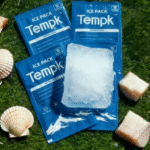
استخدم العبوة المناسبة: Insulated containers and gel ice packs create stable microclimates. Vacuum packaging or modified atmosphere packaging (رسم خريطة) further reduces oxygen exposure and slows oxidation.
المراقبة بشكل مستمر: IoT sensors and data loggers provide real time visibility of temperature and humidity, alerting you to deviations before they cause damage.
Keep equipment calibrated: Regularly calibrate thermometers, freezers and monitoring devices to ensure accuracy.
Separate fresh and frozen: Store chilled and frozen products in distinct zones to prevent cross contamination and temperature fluctuations.
Which Regulatory and Quality Frameworks Govern Seafood Cold Chains?
Seafood cold chains are governed by international and national frameworks that set temperature limits, sanitation standards and recordkeeping requirements. Understanding these rules is crucial for compliance and for protecting public health. Key frameworks include Hazard Analysis and Critical Control Point (تحليل المخاطر ونقاط المراقبة الحرجة) الخطط, الولايات المتحدة. قانون تحديث سلامة الأغذية (FSMA), the FDA Food Code, European Union Regulation 852/2004 and the Food and Agriculture Organization (المنظمة) المبادئ التوجيهية.
الإجابة المباشرة والنقاط الرئيسية
The FDA Food Code requires cold foods, بما في ذلك المأكولات البحرية, to be stored at 41 ° f (5 درجة مئوية) أو أدناه, والأطعمة المجمدة في 0 ° f (-18 درجة مئوية) أو أدناه. HACCP regulations (21 جزء CFR 123) mandate that seafood processors identify critical control points, establish monitoring procedures and implement corrective actions. FSMA’s final rule on traceability (قسم 204) requires supply chain actors to maintain Key Data Elements at Critical Tracking Events and provide them to the FDA within 24 ساعات. The compliance deadline for this rule has been extended to July 20 2028, giving businesses time to adopt digital recordkeeping systems. لائحة الاتحاد الأوروبي 852/2004 and FAO guidelines similarly emphasise temperature control, hygiene and traceability across international seafood trade.
Frameworks and requirements
| نطاق | What it covers | الشرط الرئيسي | أهمية بالنسبة لك |
| تحليل المخاطر ونقاط المراقبة الحرجة (21 جزء CFR 123) | Safety plan for fish and fishery products | تحديد المخاطر, monitor critical points, verify procedures | Prevents contamination, ensures consistent quality and is required for U.S. المعالجات. |
| قانون الغذاء والدواء FDA | Food service and retail guidelines | Maintain cold foods at 41 °F or lower and frozen foods at 0 درجة فهرنهايت أو أقل | Establishes operating temperatures for storage, النقل والعرض. |
| FSMA Final Rule on Traceability (قسم 204) | حفظ السجلات والتتبع | Collect Key Data Elements at Critical Tracking Events; provide records to FDA within 24 ساعات | Facilitates rapid recalls and transparency; compliance deadline July 20 2028. |
| لائحة الاتحاد الأوروبي 852/2004 | Hygiene of foodstuffs | Maintain cold chain during storage and transport; implement HACCP‐based procedures | EU importers require proof of compliance; failing to meet standards can bar entry. |
| FAO Code of Conduct and Guidelines | Sustainable fisheries and processing | Recommend 0 °C storage for fresh fish, hygienic handling and traceability systems | Provides global best practices and supports access to international markets. |
Key data elements and compliance timeline
FSMA’s traceability rule requires each entity that manufactures, العمليات, packs or holds seafood on the Food Traceability List to collect Key Data Elements (كيدي) at Critical Tracking Events (CTEs) مثل الحصاد, تلقي, shipping and transformation. KDEs include unit identifiers, product descriptions, dates and times, quantities and business contact information. Digital systems should enable easy retrieval of these data within 24 ساعات. With the compliance deadline extended to July 20 2028, businesses can proactively implement recordkeeping systems and coordinate with suppliers. Failing to meet this requirement may result in enforcement actions and reputational damage.
Practical tips and best practices
Establish a HACCP plan: Identify hazards such as histamine formation, pathogen growth or physical contamination and define monitoring protocols at each critical control point.
اعتماد حفظ السجلات الرقمية: Use cloud based platforms to capture KDEs automatically. Digital templates standardise data formats (على سبيل المثال, GS1 or GSSI) and ensure traceability across trading partners.
تدريب الموظفين: Ensure employees understand the regulatory requirements, know how to complete documentation and can respond to audits or inspections.
Stay informed about updates: Regularly review FDA, FSMA and EU guidelines. Compliance dates may change, and new controls (على سبيل المثال, risk based inspections) may be introduced.
التعاون مع الموردين: Encourage suppliers to adopt comparable systems; review their certificates, compliance history and responsiveness during audits.
What Packaging and Insulation Solutions Preserve Seafood Quality?
Proper packaging is as critical as temperature control because it protects seafood from temperature fluctuations, physical damage and oxygen exposure. Packaging solutions range from simple insulated boxes and gel packs to advanced vacuum and modified atmosphere packaging (رسم خريطة). Selecting the right combination depends on product type, مدة العبور, وأهداف الاستدامة.
Direct answer and core insights
Insulated containers and eutectic plates are the backbone of seafood transport, maintaining temperatures within safe ranges for many hours or even days. Gel ice packs and dry ice provide additional cooling, while vacuum packaging and MAP reduce oxygen levels, slowing oxidation and extending shelf life. IoT-enabled smart packages integrate sensors into packaging to monitor temperature and humidity, and some even detect spoilage gases. Sustainable options such as recyclable paper liners, biopolymers and biodegradable films are gaining popularity as consumers demand eco friendly solutions.
Packaging options and considerations
| حل التعبئة والتغليف | فائدة | اعتبارات | ماذا يعني لك |
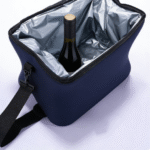
| صناديق وبطانات معزولة | Provide thermal insulation, keeping seafood cold for 24–48 hours when combined with gel packs | Must be properly sealed; limited reusability depending on material | Ideal for long distance shipments; اختر المواد التي توازن بين العزل والاستدامة. |
| حزم الجليد هلام & لوحات انصهار | Offer consistent cooling and absorb latent heat | Weight adds shipping cost; خطر التسرب في حالة ثقبه | Select gel packs with robust outer layers; freeze at proper temperature to maximise cold retention. |
| تغليف فراغ & رسم خريطة | Remove air or replace it with gases like carbon dioxide and nitrogen; reduce oxidation and microbial growth | Requires specialised equipment and trained staff; risk of collapse if punctured | Useful for fish fillets and high value cuts; extends shelf life without chemical preservatives. |
| مستشعرات إنترنت الأشياء & سجلات البيانات | Embed sensors into packaging to monitor temperature, الرطوبة والصدمة; data accessible in real time | Require network connectivity and battery power; data privacy considerations | Provide full visibility; enable immediate corrective actions and compliance documentation. |
| Multi temperature vehicles | Vehicles with separate compartments for chilled and frozen goods ensure different products travel at correct temperatures | Higher capital cost; requires trained drivers | Useful for mixed loads; reduces risk of cross contamination and temperature fluctuation. |
| أفلام قابلة للتحلل & بطانات الورق القابلة لإعادة التدوير | Offer eco friendly alternatives; some materials maintain strength at low temperatures | May have shorter insulation duration; might require secondary barrier films | Appeal to environmentally conscious consumers; align with corporate sustainability goals. |
Sustainable and smart packaging trends in 2025
The seafood industry is adopting packaging innovations that not only preserve quality but also reduce environmental impact and enhance transparency. Biodegradable films made from pectin and cellulose, often infused with antimicrobials like silver ion–loaded zeolites, dramatically reduce microbial growth. Smart labels with near field communication (نفك) or QR codes allow supply chain actors to scan packages and access temperature logs, origin data and best by dates. Such solutions enable consumers to verify freshness and encourage responsible consumption. بالإضافة إلى ذلك, raising freezer set points from −18 °C to −15 °C can cut energy use by 10 % while maintaining safety, a strategy increasingly adopted by 3PL providers.
Practical tips for packaging
Tailor packaging to species: Oily fish like salmon oxidise quickly; vacuum packaging or MAP slows rancidity. Shellfish require breathable containers to remain alive, whereas crustaceans benefit from gel ice packs to stabilise temperature.
تقليل مساحة الرأس: Excess air accelerates oxidation. Use appropriately sized containers and fill voids with ice or packaging material.
Use absorbent liners: When using ice, include absorbent pads to soak up meltwater and prevent cross contamination.
Consider reusability and recycling: Choose packaging that can be reused or easily recycled to reduce waste and align with sustainability goals.
How Do Real Time Sensors and Monitoring Ensure Seafood Safety?
Real time sensors and monitoring technologies provide continuous visibility into temperature, humidity and handling conditions, enabling proactive interventions before product quality is compromised. Traditional cold chains rely on manual data loggers and paper records, which only reveal issues after a shipment has reached its destination. Modern systems integrate wireless sensors, predictive analytics and automated alerts to transform the cold chain from reactive to predictive.
Direct answer and summary
IoT sensors mounted in storage units and vehicles measure temperature, رطوبة, door openings and vibration in real time, sending data to cloud platforms that generate alerts when readings drift out of range. Predictive analytics platforms use historical data and environmental inputs to forecast when equipment may fail or when ambient temperatures may rise during transit. This shift from reactive to predictive management reduces spoilage, ensures regulatory compliance and provides customers with peace of mind.
Traditional vs tech enabled cold chains
The table below compares characteristics of traditional cold chains with those enhanced by technology, illustrating why smart systems are increasingly adopted.
| ميزة | Traditional cold chain | Tech enabled cold chain | ماذا يعني لك |
| جمع البيانات | Manual temperature logging and spreadsheets; risk of human error | Continuous IoT sensor data transmitted in real time | Automated data collection eliminates gaps and reduces labour costs. |
| Problem detection | رد الفعل; deviations discovered after delivery | Proactive; predictive analytics warn of rising temperatures or equipment fatigue | Early alerts allow corrective actions, saving product and money. |
| Record accessibility | Paper records stored offline | Live dashboards accessible to all stakeholders | Enhances transparency and facilitates audits. |
| Regulatory reporting | Manual documentation and periodic audits | Auto generated compliance reports | Simplifies compliance with HACCP, FSMA and BRCGS standards. |
| Client visibility | محدود; customers rely on supplier assurances | Real time dashboards and digital certificates | Builds trust and enables brand differentiation. |
التحليلات التنبؤية والذكاء الاصطناعي
Predictive analytics platforms collect data from sensors, weather feeds and route planners to anticipate temperature excursions or equipment malfunctions. AI algorithms may recommend rerouting shipments, adjusting refrigeration set points or deploying maintenance crews before breakdowns occur. على سبيل المثال, raising freezer set points to −15 °C can save energy while predictive analytics ensure this does not compromise food safety. متأخر , بعد فوات الوقت, these systems improve accuracy by learning patterns in your operations.
Practical tips for sensor deployment
Identify critical points: Install sensors at locations most prone to temperature drift – near doors, in upper racks, and inside shipping containers.
Integrate with software: Choose platforms that consolidate data from multiple sensors and provide user friendly dashboards. Look for features like geofencing, automatic alerts and integration with your warehouse management system.
Test alerts and set thresholds: Calibrate sensors and configure alert thresholds based on your product’s safe temperature ranges. Conduct simulation tests to ensure alerts are triggered correctly.
Train staff on response: Develop protocols for responding to alerts, such as adding ice, adjusting equipment or rerouting shipments. Regular drills reinforce readiness.
دراسة حالة
مثال العالم الحقيقي: A seafood distributor installed IoT sensors in its refrigerated vehicles and warehouses. When sensors detected a slight rise above 4 °C during a summer shipment, أرسل النظام تنبيهًا فوريًا. Staff rerouted the truck to a closer facility, added additional gel packs and lowered the compartment temperature. The product arrived within safe limits, and the company avoided a costly rejection. Predictive analytics also identified a pattern of rising temperatures in a particular vehicle, prompting preventive maintenance that prevented future failures.
What Does Effective Seafood Traceability Look Like?
Effective traceability means being able to track seafood from harvest to plate, ensuring that every step is documented, verifiable and transparent. Traceability reduces mislabelling, facilitates recalls and builds consumer trust. A meta analysis found mislabelling rates in seafood average 39.1 %, مع 26.2 % substitution. Digital traceability systems combining QR codes, RFID tags and blockchain reduce these risks.
Direct answer and best practices
Tagging systems such as QR codes and RFID tags maintain chain of custody information from catch vessels to retailers, allowing scanning at each critical point and linking to digital records. Standardised data formats (GS1, GSSI) and templates ensure consistency and interoperability across supply chain partners. Real time tracking tools use GPS and sensors to provide location and temperature data, while blockchain offers immutable records that prevent tampering. Effective traceability also hinges on training personnel to enter data correctly and use digital tools.
Components of a traceability system
| عنصر | وصف | فائدة | أهمية بالنسبة لك |
| Unique identifiers | Assign a unique ID or batch code to each lot; use barcodes, QR codes or RFID tags | Prevents mix ups and enables accurate recalls | Allows quick identification of impacted lots, saving time and money in a recall. |
| Standardised data | Use GS1 or GSSI standards for product names, catch areas, vessel IDs and dates | Ensures data can be shared across systems | Eliminates confusion and supports international trade. |
| Digital recordkeeping | Cloud based systems capture harvest, يعالج, storage and shipping data; accessible via mobile devices | Provides real time visibility and meets FSMA KDE requirements | Speeds up regulatory reporting and builds trust with customers. |
| تتبع في الوقت الحقيقي | GPS and sensors monitor location, temperature and humidity during transport | Flags delays or temperature excursions before they impact quality | Enables proactive intervention and reduces spoilage. |
| Training and collaboration | Educate fishers, المعالجات, distributors and retailers on data entry and tool use | Minimises errors and ensures consistent records | Builds a culture of accountability and continuous improvement. |
| تخزين آمن (على سبيل المثال, blockchain) | Blockchain or distributed ledgers store records immutably; each step is timestamped and verifiable | Prevents tampering and increases transparency | Reduces fraud and mislabelling, protecting your brand. |
Training and collaboration across the supply chain
Traceability is only as strong as its weakest link. Investment in technology must be matched with training and collaboration. Provide role based dashboards that show users only the data relevant to them, and run workshops on data entry and scanning procedures. Encourage fishers to record harvest times, catch methods and GPS coordinates accurately. Processors should log receiving times, temperatures and handling conditions. Distributors must scan shipments when loading and unloading, and retailers should verify product IDs upon arrival. Regular audits and performance reviews reinforce compliance.
Practical tips for improving traceability
ابدأ صغيرًا: Implement tagging and digital recordkeeping on high risk species first. Expand once you refine your processes.
Use parent child relationships: When products are split or combined, maintain links between original and new lots to ensure full traceability.
Integrate with sensors: Combine traceability data with temperature and humidity readings from sensors for a complete picture of product history.
Test your system: Conduct mock recalls to ensure your records allow rapid identification and removal of affected products.
Quality Assurance Procedures: A Blueprint from Dock to Delivery
ضمان الجودة (QA) ensures that cold chain protocols are executed consistently, reducing the likelihood of spoilage and ensuring regulatory compliance. Without a formal QA program, small errors in temperature control, handling or documentation can accumulate and lead to product rejection or illness.
Direct answer and main points
A comprehensive QA program begins with supplier approval and extends through pre shipment checks, receiving inspections, sampling plans, storage zoning, sanitation practices, process controls, pack out rules, monitoring and record review, والإجراءات التصحيحية. Common failures include excessive time at docks, التبريد غير المتكافئ, meltwater contacting product, and weak traceability. Addressing these issues requires clear protocols, training and continuous improvement.
QA blueprint: ten steps for seafood
| خطوة | الأنشطة الرئيسية | غاية | أهمية بالنسبة لك |
| 1. Supplier approval & scorecards | Evaluate suppliers based on temperature control, packaging integrity, الوثائق, responsiveness and consistency | Ensures raw materials are safe and high quality | Use scorecards to categorise suppliers into low, medium or high risk. |
| 2. Pre shipment requirements | Confirm product temperature, packaging condition and documentation before shipping | Prevents defective or non compliant product from entering your facility | Reduces risk of spoilage and ensures regulatory compliance. |
| 3. Receiving inspection | Check temperatures upon arrival, examine packaging and cleanliness, verify labels and documentation and decide to accept, hold or reject | Provides immediate control at the first point of your process | Use digital checklists to document findings and create audit trail. |
| 4. Sampling and testing | Randomly test product temperature, moisture content, histamine levels or pathogens | Detects hidden defects and verifies supplier claims | Helps identify systemic issues in supply chain. |
| 5. Storage zoning | Assign separate zones for chilled, frozen and live products; monitor temperature and humidity | Prevents cross contamination and maintains optimal conditions | Use colour coded zones to simplify training and audits. |
| 6. Sanitation and hygiene | Clean equipment, containers and facilities regularly; implement Good Manufacturing Practices (ممارسات التصنيع الجيدة) and Sanitation SOPs | Reduces microbial contamination and odours | Document cleaning schedules and verify completion. |
| 7. ضوابط العملية | Monitor and control processes such as glazing, portioning and packaging; maintain temperature and prevent cross contamination | Ensures product uniformity and safety | Use calibration logs and process charts to track deviations. |
| 8. Pack out rules | استخدم العبوة المناسبة, ice or gel packs; ensure proper sealing and labelling | Protects product during shipping and meets customer requirements | Standardise pack out procedures and train staff. |
| 9. يراقب & record review | مراقبة درجة الحرارة بشكل مستمر, الرطوبة والتعامل معها; review logs for trends and anomalies | Provides ongoing assurance and supports continuous improvement | Use digital dashboards to simplify review and share insights. |
| 10. الإجراءات التصحيحية & continuous improvement | Define actions to take when deviations occur; conduct root cause analysis and update procedures | Prevents recurrence and promotes learning | Document corrective actions and verify effectiveness. |
Receiving inspection and two stage cooling
Upon receiving seafood, inspect each shipment’s temperature, packaging and condition. Use an infrared thermometer or probe to measure surface and internal temperatures. If a product’s temperature exceeds the acceptable range, place it on hold and investigate with the supplier. When dealing with cooked seafood, follow FDA two stage cooling guidelines: cool from 135 ° f (57 درجة مئوية) ل 70 ° f (21 درجة مئوية) خلال ساعتين, and from 70 درجة فهرنهايت إلى 41 ° f (5 درجة مئوية) within four additional hours. Rapid cooling prevents spore germination and toxin production.
Practical tips for QA implementation
Build checklists and flowcharts: Visual tools help staff understand and follow procedures consistently.
Digitise inspections: Use mobile apps to capture temperature readings and photos; automatically generate reports for audits.
Review supplier performance: Use scorecards and trending analysis to identify high risk suppliers and work with them to improve.
إجراء عمليات التدقيق الداخلي: Regularly review your QA program to identify gaps and update procedures.
تشجيع ردود الفعل: Invite employees to report problems and suggest improvements. Continuous improvement requires collaboration.
2025 Seafood Cold Chain Trends and Innovations
The seafood cold chain is rapidly evolving as technology and consumer expectations shape the way fish and shellfish are handled and sold. From sensors to sustainability, staying ahead of these trends helps you future proof your operations.
نظرة عامة على الاتجاه
يزدهر سوق سلسلة التبريد العالمية, with predictions of steady growth driven by stricter regulations and rising demand for high quality perishable foods. Real time sensor adoption, AI driven predictive analytics and blockchain traceability are increasing transparency and reducing spoilage. 3PL providers are investing in automation and robotics for sorting and packaging, as well as sustainable strategies like raising freezer set points from −18 °C to −15 °C to cut energy use by 10 % while maintaining safety. IoT-enabled smart packaging is gaining momentum, enabling consumers to verify freshness with a quick scan.
آخر تقدم في لمحة
Integrated sensor networks: IoT sensors and data loggers now monitor temperature, رطوبة, shock and vibration across vessels, warehouses and vehicles, providing real time alerts.
التحليلات التنبؤية والذكاء الاصطناعي: Platforms analyse sensor data and environmental factors to forecast equipment failures and recommend corrective actions.
Smart packaging and labels: علامات NFC, QR codes and time–temperature indicators allow stakeholders and consumers to scan packages and view temperature logs and provenance.
العمليات المستدامة: Raising freezer set points and using biodegradable films reduce carbon footprint without compromising safety.
الأتمتة والروبوتات: Robotic picking and sorting systems handle seafood carefully and quickly, reducing human error and labour costs. جنبا إلى جنب مع منظمة العفو الدولية, they optimize storage layouts and loading patterns.
Micro fulfilment and localisation: صغير, strategically located cold storage hubs reduce delivery times and support same day delivery, meeting consumer expectations for freshness and convenience.
التوائم الرقمية والمحاكاة: Virtual models of cold chain facilities allow operators to test scenarios, optimise energy use and predict maintenance needs.
Global traceability and compliance: The extended FSMA Section 204 deadline gives businesses time to adopt digital systems. The industry is moving toward universal data standards to simplify cross border trade.
رؤى السوق
Consumers are increasingly conscious of sustainability and transparency. Surveys show a growing willingness to pay more for eco friendly packaging and responsibly sourced seafood. في نفس الوقت, cost considerations remain critical for producers and distributors. Achieving the balance between sustainability, compliance and profitability requires adopting technologies that enhance efficiency while aligning with regulatory demands. Markets in Asia and Latin America are adopting digital traceability systems to meet import requirements in Europe and North America. Those who adapt early will gain access to premium markets and build brand loyalty.
الأسئلة المتداولة
س 1: What is the safe temperature range for fresh and frozen seafood?
Fresh fish and shellfish should be stored between 0 درجة مئوية و 5 درجة مئوية, while frozen products must be kept at −18 °C or colder. These ranges prevent bacterial growth and maintain texture. Use digital thermometers and continuous monitoring to ensure compliance.
Q2: How long can fish stay out of the cold chain before it spoils?
Fish should be chilled to 0 °C within two hours of harvest. في درجة حرارة الغرفة, bacteria multiply quickly, and quality deteriorates within hours. Always keep seafood iced or refrigerated during handling and transport.
س 3: What should I look for in a seafood supplier to ensure quality?
Use supplier scorecards to evaluate temperature control, التغليف, الوثائق, responsiveness and consistency. Request HACCP plans, certificates of compliance and temperature logs. Perform audits and set clear expectations for corrective actions.
س 4: How does digital traceability improve food safety?
Digital traceability systems record Key Data Elements at Critical Tracking Events, allowing rapid identification of affected lots during recalls. They reduce mislabelling and fraud, increase transparency and satisfy regulatory requirements. Scannable tags connect physical products with their digital histories, giving stakeholders and consumers confidence.
س 5: What are the benefits of using IoT sensors in seafood cold chains?
توفر أجهزة استشعار إنترنت الأشياء استمرارًا, بيانات في الوقت الحقيقي عن درجة الحرارة, humidity and other variables, reducing human error and enabling proactive interventions. Predictive analytics warn of equipment failures, while cloud dashboards simplify compliance and build trust. متأخر , بعد فوات الوقت, these systems reduce spoilage, cut energy costs and enhance efficiency.
س6: Are sustainable packaging options durable enough for seafood transport?
نعم. Modern biodegradable films and recyclable paper liners maintain strength at low temperatures and can include antimicrobial agents. While some may have shorter insulation duration, combining them with gel packs and insulated liners delivers comparable performance to traditional plastic while reducing environmental impact.
س7: When is the FSMA Section 204 traceability rule compliance deadline?
The compliance deadline has been extended to July 20 2028. لكن, adopting digital recordkeeping early allows you to refine processes, reduce manual paperwork and gain a competitive advantage.
ملخص وتوصيات
الوجبات الرئيسية:
Cold chain requirements for seafood mandate maintaining fresh products at 0 درجة مئوية إلى 5 °C and frozen products at −18 °C or below. Improper control causes spoilage, foodborne illness and financial losses.
الأطر التنظيمية مثل HACCP, FSMA and EU Regulation 852/2004 تتطلب التحكم في درجة الحرارة, sanitation and traceability; FSMA Section 204’s deadline is July 20 2028.
حلول التعبئة والتغليف range from insulated boxes and gel packs to vacuum packaging, MAP and smart, مواد صديقة للبيئة. Selecting the right combination depends on product type, transit duration and sustainability goals.
Real time monitoring and predictive analytics transform cold chain management from reactive to proactive; IoT sensors provide continuous data and early alerts.
Traceability and quality assurance require unique identifiers, standardised data, digital recordkeeping and training across the supply chain. Mislabelled seafood remains a concern, emphasising the need for robust systems.
الخطوات التالية القابلة للتنفيذ
Audit your seafood cold chain: Map out every stage from catch to consumer, noting potential points of temperature deviation or documentation gaps.
Implement HACCP and QA protocols: Develop a hazard plan, establish critical control points and design checklists for receiving, storage and shipping. Use digital tools to capture and review data.
Invest in sensors and digital systems: Start with IoT temperature and humidity sensors and integrate them with a cloud platform that supports predictive analytics and FSMA KDE requirements.
ترقية التغليف: اختيار العزل المناسب, gel packs and vacuum or MAP solutions based on species and transit time. Evaluate biodegradable films and recyclable liners to align with sustainability goals.
تعزيز إمكانية التتبع: Adopt GS1 or GSSI standards, implement QR or RFID tagging, and train staff on data entry and scanning. Test your system with mock recalls and adjust processes accordingly.
التعاون عبر سلسلة التوريد: Share expectations with suppliers, شركات النقل وتجار التجزئة. Conduct joint training sessions and encourage feedback to drive continuous improvement.
حول Tempk
Tempk is a pioneer in cold chain packaging, sensors and monitoring solutions. نحن design insulated containers, phase change materials and gel packs that keep seafood at the right temperature during transport. ملكنا smart packaging integrates sensors that monitor temperature and humidity in real time, providing alerts to prevent excursions. نحن also offer digital platforms for traceability, enabling customers to collect Key Data Elements and comply with FSMA Section 204. Sustainability is core to our mission; ملكنا range includes biodegradable films and recyclable liners that protect your products and the planet. Partner with us to secure your seafood supply chain and delight customers with the freshest ingredients.
دعوة إلى العمل: Ready to elevate your seafood operations? Contact Tempk today for tailored solutions in packaging, monitoring and traceability that keep your ingredients safe, مستدامة ومتوافقة.