تبدو ألواح الشوكولاتة سهلة الشحن لأنها مسطحة, مختوم, وغالبًا ما تكون أكثر قابلية للتكديس من الشوكولاتة المحشوة. في الممارسة العملية, لا يزال من الممكن أن يفقدوا قيمة البيع بالتجزئة بسرعة عندما يتضمن الطريق شاحنات دافئة, التعرض لأشعة الشمس المباشرة, مستودع طويل يسكن الوقت, أو المناوشات الرطبة. شريط يصل مع ازهر, حواف ناعمة, تكثيف الغلاف, أو قد تظل علب العرض المنبعجة صالحة للأكل, لكنها لم تعد تبدو متميزة للعميل.
للعلامات التجارية, الموزعون, بائعي علب الهدايا, ومتاجر الشوكولاتة عبر الإنترنت, الهدف ليس تجميد المنتج. الهدف هو الحفاظ على قطعة الشوكولاتة في إسطبل, رائع, البيئة الجافة من التعبئة إلى التسليم.
ما الذي يجعل ألواح الشوكولاتة مختلفة عن منتجات الشوكولاتة الأخرى؟
عادةً ما تكون ألواح الشوكولاتة أقل عرضة للسحق من الكمأة الرقيقة أو الفاكهة المغطاة بالشوكولاتة, لكن لديهم مساحة سطح مكشوفة أكبر ومعيارًا بصريًا قويًا. قضبان رقيقة, قضبان مصبوبة, قضبان مغلفة بالرقائق, ويمكن للقضبان المعبأة أن تظهر مشاكل في درجة الحرارة والتعامل بشكل واضح جدًا.
مخاطر الشحن الأكثر شيوعًا هي:
- تليين أو ذوبان جزئي أثناء توصيل الميل الأخير الساخن
- تتفتح الدهون بعد دورة درجة الحرارة
- يزدهر السكر عندما يتشكل التكثيف على الغلاف أو سطح الشوكولاتة
- قضبان مشوهة عندما تكون الصناديق الكرتونية معبأة بشكل فضفاض للغاية أو يتم تحميلها بالقرب من مصادر الحرارة
- الأكمام المنبعجة, زوايا متشققة, أو الطباعة بالفرك على عبوات البيع بالتجزئة
- امتصاص الرائحة من البضائع ذات الرائحة القوية أثناء النقل المشترك
بالمقارنة مع الشوكولاتة المحشوة, غالبًا ما تتحمل ألواح الشوكولاتة ضغطًا أكبر بقليل من الكرتون, لكنهم ما زالوا بحاجة إلى توسيد مستقر وتخطيط مبرد متحكم فيه.
أوصى نهج درجة الحرارة والرطوبة
ينبغي شحن معظم ألواح الشوكولاتة في مكان بارد, النطاق الجاف بدلاً من المسار المتجمد. يوجد هدف عملي للعديد من طرق بار الشوكولاتة 15-18 ج, مع الإعداد النهائي الذي تؤكده مواصفات منتج العلامة التجارية, تركيبة زبدة الكاكاو, الادراج, والمناخ المحلي.
التحكم في الرطوبة مهم بقدر درجة الحرارة. عندما تنتقل الشوكولاتة من بيئة باردة إلى دافئة, الهواء الرطب, يمكن أن يتشكل التكثيف على الأغلفة أو الكراتين. يمكن أن تؤدي هذه الرطوبة إلى إتلاف الملصقات وقد تساهم في تكاثر السكر إذا كان سطح الشوكولاتة مكشوفًا.
قبل الشحن, احتفظ بالقضبان الجاهزة والكرتون الخارجي في غرفة مستقرة. تجنب تعبئة ألواح الشوكولاتة مباشرة بعد نقلها من غرفة أكثر برودة إلى منطقة دافئة.
التحضير للتبريد والتعبئة
يجب تعبئة ألواح الشوكولاتة فقط بعد المنتج, كرتون البيع بالتجزئة, و الشاحن المعزول كلها مستقرة. التبريد المسبق لا يعني وضع القضبان مباشرة مقابلها حزم الجليد. وهذا يعني تقليل الحمل الحراري للمسار قبل مغادرة الحزمة للمستودع.
عملية إعداد عملية:
- احتفظ بالقضبان النهائية في مكان بارد, منطقة تخزين جافة قبل التعبئة.
- قم بترطيب عبوات الجل أو PCM بحيث تكون باردة بدرجة كافية للطريق ولكن ليست باردة جدًا لدرجة أنها تسبب رطوبة أو علامات باردة.
- أبقِ الكراتين مغلقة أثناء التعبئة للحد من دفئها, تبادل الهواء الرطب.
- استخدم جيبًا مقسمًا أو مبطنًا حتى لا يضغط المبرد مباشرة على أكمام الشوكولاتة.
- أغلق الشاحن المعزول بسرعة بعد التحميل.
هذه العملية مهمة بشكل خاص لشحنات التجارة الإلكترونية الصيفية, شحنات الهدايا, وعمليات التسليم التي قد تكون على الرصيف أو عتبة الباب.
وضع المبرد لألواح الشوكولاتة
تستفيد ألواح الشوكولاتة من التبريد المتساوي حول الكرتونة بدلاً من البرودة الشديدة من جانب واحد. الاتصال المباشر مع حزم هلام يمكن أن يخلق التكثيف, تلوين الكرتون, وجودة السطح غير المستوية.
يمكن استخدام عبوة Tempk لألواح الشوكولاتة:
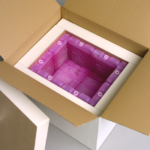
- صندوق معزول أو مرسل معزول يتم تحديده حسب مدة المسار
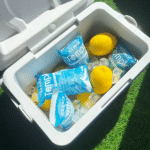
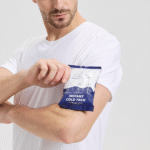
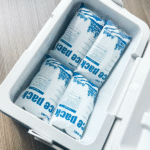
- عبوات هلامية مكيفة أو PCM موضوعة أعلاه, بجانب, أو حول منطقة المنتج
- فواصل مموجة, جيوب بطانة, أو الفواصل الحرارية بين علب التبريد وعلب البيع بالتجزئة
- ملء الفراغ لمنع القضبان من الانزلاق داخل الشاحن
- حاجز رطوبة أو وسادة ماصة عندما يتضمن المسار عمليات تسليم رطبة
- مؤشر درجة الحرارة أو مسجل بيانات للتحقق من صحة الشحنات
لألواح الشوكولاتة المسطحة, اتجاه التعبئة مهم أيضًا. يجب أن تكون القضبان محكمة بما يكفي لمنع الانزلاق, ولكن ليس بإحكام شديد بحيث تتجعد الأكمام أو تنسحق الزوايا.
ضغط التغليف وحماية الكرتون
عادة ما تكون ألواح الشوكولاتة أكثر قابلية للتكديس من الكمأة, لكن القضبان الرفيعة والأكمام الفاخرة للبيع بالتجزئة لا تزال حساسة لعلامات الضغط. إذا كانت الشحنة تحتوي على عدة علب كرتونية, يجب أن تنشر العبوة الوزن على وجه الكرتون بالكامل وتجنب الضغط النقطي الناتج عن عبوات الجل المجمدة, إدراجات فضفاضة, أو كرتونة خارجية ثقيلة.
أدوات اتخاذ القرار مفيدة
تحقق من التفاصيل قبل اختيار التغليف
يمكن أن تساعدك هذه الأدوات السريعة في مقارنة مخاطر المسار, احتياجات التحجيم, خيارات المبرد, وتفاصيل التعبئة والتغليف قبل أن تطلب عرض أسعار.
مقاومة سقوط المواد العازلة
مراجعة مقاومة السقوط وعوامل المناولة قبل اختيار المواد العازلة.
تحقق من المقاومةمحدد التعبئة والتغليف
قارن بين خيارات التغليف المعزولة حسب المنتج, طريق, ودرجة الحرارة اللازمة.
البحث عن التعبئة والتغليفبطانة الصندوق & تحجيم غطاء البليت
تحقق من منطق تحديد حجم بطانة الصندوق وغطاء منصة التحميل لمشاريع التغليف المعزولة.
تقدير الحجمللشحنات المباشرة للمستهلك, عادةً ما يكون الصندوق الخارجي الصلب أكثر أمانًا من جهاز الإرسال الناعم في الطرق الساخنة أو الطويلة. للكرتون بالجملة, معزول بطانة الكرتون يمكن استخدامها عندما يكون المنتج يحتوي بالفعل على عبوة قوية جاهزة للرف.
توجيه مدة الطريق
يجب اختبار المسار مقابل وقت العبور الحقيقي, المناخ المحلي, وشروط التسليم.
للطرق التي تصل إلى 24 ساعات, قد يكون الشاحن المدمج المعزول المزود بسائل تبريد مشروط كافيًا إذا كان المنتج معبأً من غرفة تخزين ثابتة.
ل 24-48 طرق ساعة, استخدام طبقة عازلة أكثر سمكا, تخطيط سائل تبريد أكثر توازناً, واختبار المسار الذي يتضمن الوقت المتوقع لبقاء المستودع.
ل 48-72 طرق ساعة أو الشحن عبر الحدود في الصيف, استخدم حزمة تم التحقق من صحتها مع مسجل بيانات. تجنب فترات الانتظار في عطلة نهاية الأسبوع ونوافذ الالتقاط غير المنضبط حيثما أمكن ذلك.
أنماط الخسارة الشائعة التي يجب مراقبتها
إذا وصلت قطع الشوكولاتة طرية بالقرب من الحواف, قد لا تحتوي العبوة على سعة تبريد أو سُمك عزل كافٍ للمسار.
إذا وصلت القضبان مع التكثيف على الأكمام, قد يكون المبرد باردًا جدًا, قريبة جدًا من المنتج, أو فصلها بشكل غير كاف عن الهواء الرطب.
إذا كانت القضبان سليمة ولكن الأكمام منبعجة, عادة ما تكون المشكلة ميكانيكية: الكثير من المساحة الفارغة, كرتون خارجي ضعيف, أو نقطة الضغط من حزم المبرد.
إذا تأثرت الطبقة العليا فقط, تحقق من التعرض لأشعة الشمس, حرارة سقف الشاحنة, أو وضع سائل التبريد فوق المنتج.
توصية التعبئة والتغليف Tempk
لألواح الشوكولاتة, يمكن أن تساعد Tempk في تصميم حزمة حول تنسيق الشحنة:
- رسائل بريدية معزولة للتسليم المحلي القصير وأحجام الطلبات الصغيرة
- EPS, إي بي بي, أو أنظمة الكرتون المعزولة للتجارة الإلكترونية وشحنات الجملة
- عبوات هلامية مكيفة أو PCM تم اختيارها لدرجة حرارة المسار المتوقعة
- الفواصل التي تحافظ على سائل التبريد بعيدًا عن أكمام البيع بالتجزئة
- التحقق من صحة المسار باستخدام المسجل قبل الشحن في موسم الذروة
أفضل نتيجة تأتي من اختبار حجم الكرتون الدقيق, عدد الشريط, مدة الطريق, وملف تعريف التعرض للصيف قبل توسيع نطاق الشحنة.
التعليمات
هل يمكن شحن ألواح الشوكولاتة مع عبوات الثلج العادية?
يمكن شحنها معهم عبوات باردة فقط عندما يتم تكييف العبوات بشكل صحيح وفصلها عن المنتج. الاتصال المباشر يمكن أن يخلق التكثيف, تلوين الكرتون, والتبريد غير المتكافئ.
هل يجب تجميد ألواح الشوكولاتة قبل الشحن؟?
عادةً لا يكون التجميد هو الأسلوب الصحيح لألواح الشوكولاتة القياسية. رائع, جاف, الطريق المستقر أكثر أمانًا للمظهر, نَسِيج, وجودة التعبئة والتغليف ما لم تنص مواصفات العلامة التجارية الخاصة على خلاف ذلك.
ما هو أكبر خطأ في تغليف ألواح الشوكولاتة؟?
الخطأ الأكثر شيوعًا هو التركيز فقط على الكمادات الباردة وتجاهل الرطوبة, تناسب الكرتون, والضغط. تحتاج ألواح الشوكولاتة إلى عبوة كاملة: العزل, فصل المبرد, التحكم في الرطوبة, والتحكم في الحركة.
دعوة إلى العمل
إذا تم شحن ألواح الشوكولاتة الخاصة بك عبر الممرات الدافئة, طرق البريد السريع الطويلة, أو قنوات التجارة الإلكترونية الصيفية, يمكن لـ Tempk مراجعة حجم الكرتون الخاص بك, عدد المنتجات, وقت العبور, ومناخ التسليم للتوصية بحزمة معزولة تم اختبارها.