تعتبر كمأة الشوكولاتة أكثر حساسية أثناء النقل من معظم ألواح الشوكولاتة. غالبًا ما يتم تقريبها, المغلفة, غبار, مملوء, أو معبأة في أكواب ورقية وصواني العرض. كمية قليلة من الحرارة, ضغط, أو يمكن أن تغير الرطوبة مظهر القشرة, تتسطح الشكل, بمناسبة السطح, أو إتلاف الحشوة.
لماركات الحلويات المتميزة, بائعي الهدايا, ومتاجر الشوكولاتة للتجارة الإلكترونية, يحتاج شحن الكمأة إلى أكثر من مجرد علبة باردة في صندوق. إنها تحتاج إلى بيئة باردة مستقرة, الرطوبة التي تسيطر عليها, التحكم في الحركة الناعمة, والحماية من الاتصال المباشر بالمبرد.
ما الذي يجعل كمأة الشوكولاتة مختلفة
يمكن أن تشمل كمأة الشوكولاتة الغاناش, معجون الجوز, الكراميل, الحشوات ذات الأساس الكريمي, حشوات الكحول, أو مراكز لينة. تعتمد متطلبات الشحن الدقيقة على الوصفة, النشاط المائي, تصميم العمر الافتراضي, وتنسيق البيع بالتجزئة.
عادة ما تتم إدارة الكمأة المستقرة على الرفوف في مكان بارد, نطاق درجة الحرارة الجافة. قد تتطلب كمأة جاناش الكريمة الطازجة معالجة مبردة أكثر صرامة وفقًا لمواصفات الجودة الخاصة بالعلامة التجارية. قبل بناء الحزمة, تأكد دائمًا مما إذا كانت الكمأة مستقرة على الرف, مبردة, أو مدة صلاحيتها قصيرة.
مخاطر العبور الرئيسية هي:
- تليين القشرة أو وضع علامات على السطح أثناء الولادة الدافئة
- تتفتح الدهون بعد تكرار ركوب الدراجات الدافئة والباردة
- التكثيف على الغبار, مسحوق الكاكاو, أو الأسطح المزخرفة
- قطع مسطحة من ضغط الغطاء أو الحركة الفضفاضة
- ملء التسرب عندما يسخن المنتج فوق نطاقه المستقر
- نقل الرائحة من البضائع أو مواد التعبئة والتغليف القريبة
- إزاحة الدرج التي تجعل الصندوق المميز يبدو في حالة سيئة
الكمأة أكثر عرضة للضغط من القضبان المسطحة, لذلك يجب أن تتحكم العبوة في كل من درجة الحرارة والصدمة الميكانيكية.
أوصى نهج درجة الحرارة والرطوبة
للعديد من كمأة الشوكولاتة المستقرة على الرف, طريق بارد وجاف حولها 15-18 C هو هدف عملي. للحصول على الغاناش الطازج أو الكمأة ذات الصلاحية القصيرة, استخدم نطاق درجة الحرارة الذي يطلبه فريق سلامة وجودة الأغذية التابع للعلامة التجارية.
يجب أن تبقى الرطوبة منخفضة ومستقرة. الكمأة المتربة, الكمأة المغطاة بالكاكاو, والكمأة المزخرفة معرضة بشكل خاص لعلامات الرطوبة. يمكن أن يؤدي التكثيف أيضًا إلى إضعاف الأكواب الورقية, إدراج صينية, وصناديق الهدايا المتميزة.
شحنة الكمأة الجيدة تتجنب التحولات المفاجئة في درجات الحرارة. نقل المنتج من غرفة باردة إلى هواء رطب دافئ, ثم ختمه على الفور, يمكن أن يحبس الرطوبة داخل الشاحن.
التكييف المسبق قبل التعبئة
يجب تثبيت الكمأة قبل التعبئة. صندوق المنتج, إدراج, الصواني, و الشاحن المعزول لا ينبغي أن تكون دافئة عندما تكون الشحنة معبأة لطريق ساخن.
التحضير الموصى به:
- تأكد من نطاق الشحن المطلوب للمنتج وحالة العمر الافتراضي.
- احتفظ بالكمأة في غرفة باردة مستقرة قبل تعبئتها.
- قم بتكييف عبوات الجل أو PCM إلى الحالة الصحيحة قبل التحميل.
- أبقِ صناديق الكمأة مغلقة أثناء التعبئة لتقليل تبادل الرطوبة.
- استخدم دعامة الدرج أو ملحق صندوق الهدايا المريح حتى لا تتمكن القطع من التدحرج أو الرفع.
- افصل سائل التبريد عن صندوق العرض بجيب مبطن, مقسم, أو فجوة هوائية.
يعد هذا المستحضر أكثر أهمية بالنسبة للكمأة منه بالنسبة لألواح الشوكولاتة لأن الكمأة تحتوي على تفاصيل سطحية أكثر ومخاطر أكثر تتعلق بالحشوة.
وضع المبرد للكمأة
يجب أن يحمي المبرد منطقة المنتج دون لمس صندوق الكمأة. يمكن أن يؤدي الاتصال المباشر إلى إنشاء نقاط باردة, رُطُوبَة, والأضرار السطحية. عادة ما يكون تخطيط المحيط أكثر أمانًا من وضع ثقيل حزمة هلام مباشرة أعلى صندوق العرض.
قد تتضمن حزمة الكمأة Tempk:
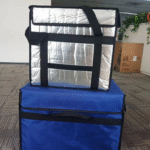
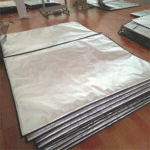
- شاحن معزول صلب بحجم صندوق الهدايا أو كرتون البيع بالتجزئة
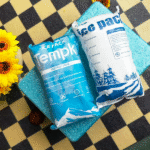
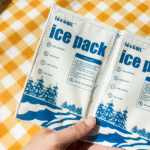
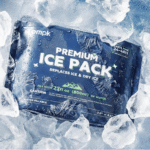
- عبوات هلامية مكيفة أو PCM موضوعة حول المنتج, وليس على سطح الكمأة
- الفواصل الحرارية بين المبرد وعلبة الشوكولاتة
- بطانة من الورق أو الرغوة تمنع حركة الصندوق دون سحق الغطاء
- مادة للتحكم في الرطوبة عند توقع عمليات تسليم رطبة
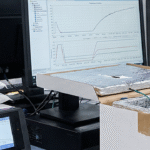
- مسجل بيانات للطرق الطويلة, أوامر متميزة, أو التحقق من صحة الصيف
للكمأة المعبأة, حافظ على مستوى صندوق العرض. إذا كان الصندوق قادرًا على الإمالة أو الانزلاق, يمكن أن تتغير الكمأة حتى عندما تكون درجة الحرارة صحيحة.
ضغط التغليف والتحكم في الحركة
تحتاج كمأة الشوكولاتة إلى ضغط أقل من ألواح الشوكولاتة. الهدف هو إيقاف الحركة دون ضغط الغطاء أو تسطيح القطع الفردية.
أدوات اتخاذ القرار مفيدة
تحقق من التفاصيل قبل اختيار التغليف
يمكن أن تساعدك هذه الأدوات السريعة في مقارنة مخاطر المسار, احتياجات التحجيم, خيارات المبرد, وتفاصيل التعبئة والتغليف قبل أن تطلب عرض أسعار.
بطانة الصندوق & تحجيم غطاء البليت
تحقق من منطق تحديد حجم بطانة الصندوق وغطاء منصة التحميل لمشاريع التغليف المعزولة.
تقدير الحجمحاسبة الثلج الجاف
تقدير احتياجات الثلج الجاف للشحنات المجمدة أو شديدة البرودة قبل التعبئة.
تقدير الثلج الجافمولد قائمة التحقق من الامتثال
قم ببناء قائمة مرجعية عملية لمراجعة التغليف, شحن, والتوثيق.
بناء قائمة مرجعيةتجنب الثقيلة حزم المبرد فوق المنتج مباشرة. إذا كان التبريد العلوي مطلوبًا, استخدم فاصلًا وتأكد من حمل الوزن بواسطة هيكل الكرتون, ليس من خلال غطاء صندوق الكمأة.
لمجموعات الهدايا, اختبر العبوة عن طريق هز الشاحن المغلق بلطف. إذا تحول الصندوق الداخلي, إضافة دعم جانبي. إذا ظهر على الغطاء علامات ضغط بعد اختبار الطريق, قم بتغيير موقع سائل التبريد أو استخدم كرتونة داخلية أقوى.
توجيه مدة الطريق
للكمأة الممتازة, عادةً ما تكون الطرق الأقصر أكثر أمانًا. تفضل العديد من العلامات التجارية التسليم خلال 24 ساعة أو 48 ساعة خلال المواسم الدافئة.
للطرق التي تصل إلى 24 ساعات, مضغوط مربع معزول مع سائل التبريد المكيف بشكل صحيح والدعم الداخلي الثابت يمكن أن يكون فعالاً.
ل 24-48 طرق ساعة, استخدام العزل سمكا, تخطيط المبرد المتوازن, والتحقق من صحتها في ظل ظروف دافئة واقعية.
ل 48-72 طرق ساعة, يجب اختبار طريق الكمأة قبل الشحن المباشر. قد تتطلب كمأة الغاناش الطازجة عبوة مبردة أكثر صرامة وتخطيطًا أكثر صرامة للناقل.
تجنب الشحن قبل عطلات نهاية الأسبوع أو العطلات إذا كانت الحزمة قد تبقى في مستودع غير خاضع للرقابة.
أنماط الخسارة الشائعة التي يجب مراقبتها
إذا وصلت الكمأة بعلامات سطحية باهتة أو رمادية اللون, تحقق من درجة الحرارة والتعرض للرطوبة.
إذا تم تسوية القطع, المشكلة عادة هي الضغط من الغطاء, سائل التبريد, أو تكديس الكرتون الخارجي.
إذا تسربت الحشوات أو تشققت القذائف, قد يكون المنتج قد ارتفعت درجة حرارته أكثر من اللازم, انتقلت داخل الدرج, أو ذوي الخبرة في التعامل القاسي.
إذا كانت الأكواب الورقية رطبة, قد تكون العبوة محاصرة للتكثيف أو تستخدم سائل تبريد بارد جدًا بالنسبة لمنطقة المنتج.
توصية التعبئة والتغليف Tempk
لكمأة الشوكولاتة, يمكن لـ Tempk إنشاء حل تم اختباره حول وصفة المنتج, تنسيق المربع, ومسار التسليم:
- صناديق معزولة للتجارة الإلكترونية المتميزة وشحنات الهدايا
- عبوات هلامية مكيفة أو PCM تم اختيارها للتبريد, عقد مستقر
- جيوب وفواصل للمبرد لمنع الاتصال المباشر
- التوسيد ودعم الصندوق الداخلي للحفاظ على مستوى الكمأة
- تفاصيل التحكم في الرطوبة للطرق الرطبة
- التحقق من صحة مسجل البيانات قبل طرحه في الصيف
ينبغي اختبار الكمأة في صندوق البيع بالتجزئة بالضبط, مع عدد القطع الحقيقي ومسار الناقل المتوقع. تحمي العبوة الناجحة كلاً من الذوق والمظهر المتميز الذي يتوقعه العملاء عند فتح الصندوق.
التعليمات
هل يتم شحن كمأة الشوكولاتة بنفس طريقة شحن ألواح الشوكولاتة؟?
لا. الكمأة أكثر حساسية للضغط, حركة, ملء الاستقرار, ووضع العلامات السطحية. إنهم بحاجة إلى دعم أكثر دقة للدرج وفصل سائل التبريد.
هل تحتاج جميع كمأة الشوكولاتة إلى شحن مبرد?
ليست كل الكمأة تحتاج إلى نفس النطاق. غالبًا ما يتم شحن الكمأة المستقرة على الرفوف في مكان بارد, العبوة الجافة, في حين أن الغاناش الطازج أو الكمأة قصيرة العمر قد تتطلب معالجة مبردة بناءً على مواصفات المنتج.
أين يجب أن تذهب الكمادات الباردة في شحنة الكمأة؟?
الكمادات الباردة ينبغي وضعها حول منطقة المنتج مع الفواصل, ليس مباشرة على صندوق العرض أو سطح الكمأة. يجب أن يبرد التصميم الشحنة بالتساوي دون إضافة ضغط نقطي.
دعوة إلى العمل
إذا كانت الكمأة الخاصة بك تفقد لمعانها, التحول في الصواني, أو الوصول مع علامات التكثيف خلال الطرق الدافئة, يمكن لـ Tempk مراجعة تنسيق المنتج وممر الشحن الخاص بك للتوصية بحزمة معزولة للاختبار.