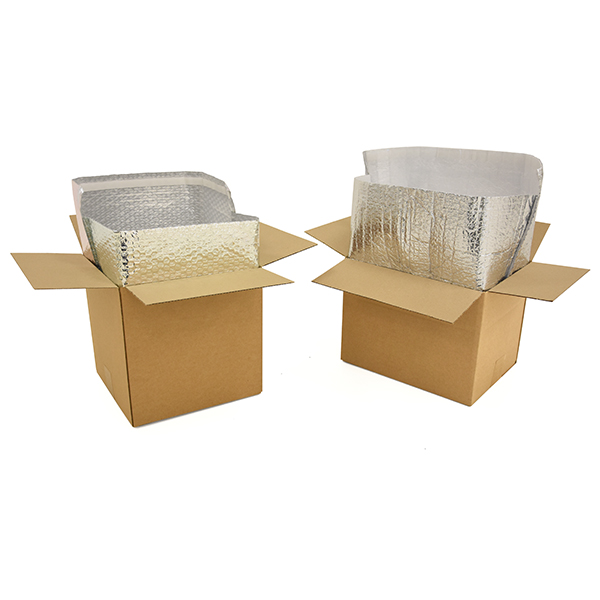
اختيار استيراد بطانة معزولة فقاعة مزدوجة: دليل عملي B2B
المزدوج الصحيح بطانة معزولة بالفقاعات تبدأ مواصفات الاستيراد بقائمة قصيرة من الحقائق: متطلبات درجة حرارة المنتج, مدة الطريق, حجم الكرتون, خطة المبرد, وما هو الدليل الذي يحتاجه المتلقي. لشراء الاستيراد, يمكن للبطانة تقليل التعرض الحراري وتحسين كفاءة التعبئة, ولكن لا يمكن أن يحل محل تصميم الحزمة الكاملة. يمنح هذا الدليل المشترين طريقة عملية للتحديد, امتحان, ومصدر الخطوط الملاحية المنتظمة دون الاعتماد على ادعاءات غامضة.
بطانة, سائل التبريد, كرتون, ويجب التعامل مع الطريق معًا
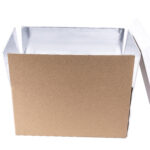
البطانة المعزولة بالفقاعات المزدوجة هي طبقة عازلة سلبية. يمكن أن يبطئ اكتساب الحرارة أو فقدان الحرارة, تعكس الحرارة المشعة من جدار الكرتون, أضف كمية صغيرة من التوسيد, والمساعدة في إنشاء سطح داخلي أنظف. إنها ليست ثلاجة, إنه ليس جهازًا نشطًا للتحكم في درجة الحرارة, ولا يلغي الحاجة إلى المبرد المناسب. لشراء الاستيراد, هذه الحدود مهمة بشكل خاص لأن الشحنة قد تمر عبر عدة نقاط تسليم قبل أن يفتح المستلم الكرتونة.
فكر في البطانة كجزء من كومة حرارية صغيرة. الكرتون المموج الخارجي يعطي الشكل وقوة التعامل. تضيف البطانة طبقة عاكسة وطبقة هوائية. حزم هلام, طوب الجليد, حزم PCM, أو الثلج الجاف يوفر الطاقة الباردة عند الاقتضاء. تغليف المنتج يتحكم في التسرب, صحة, والاتصال المباشر. ثم يضيف الطريق الضغط الحقيقي: عدم تطابق العينة مع الإنتاج, التحمل حجم غير دقيق, تأخير الجمارك, الإقرارات المادية غير المكتملة, مطالبات وقت الانتظار المفرطة في التفاؤل, وجودة الختم غير متناسقة. إذا كان أي واحد من هذه الأجزاء ضعيفا, قد يتم إلقاء اللوم على الخطوط الملاحية المنتظمة حتى عندما تكون المشكلة في حجم الكرتون بالفعل, كتلة المبرد, أو سوء التعامل.
ولهذا السبب يجب أن يكون السؤال الأول للمشتري حول الحمولة والطريق, ليس سمك الخطوط الملاحية المنتظمة وحدها. شحنة تحتوي على طرود غذائية, مجموعات الوجبات, حزم المأكولات البحرية, الأدوية, مستحضرات التجميل, وتحتاج سلع التجارة الإلكترونية الحساسة لدرجات الحرارة إلى مراجعة مخاطر مختلفة عن الطرود المحيطة العامة. يجب عليك تحديد حالة المنتج المطلوبة عند التسليم, وقت المناولة المتوقع, عملية الاستلام, ومعايير الرفض قبل مقارنة عينات الخطوط الملاحية المنتظمة. المواصفات الواضحة تجعل محادثات الموردين أسرع وتقلل من فرصة الموافقة على خيار منخفض التكلفة لسبب خاطئ.
رسم خريطة للطريق قبل تحديد الخطوط الملاحية المنتظمة يكفي
يعد رسم خرائط الطريق تمرينًا بسيطًا تتخطاه العديد من الفرق. اكتب المكان الذي ستوضع فيه الكرتونة المعبأة قبل الاستلام, كيف يتم تحميله, سواء كان يدخل مركز الطرود, كم من الوقت يمكن الانتظار في السيارة, سواء قام راكب أو ساعي بفتح حقيبة توصيل أكبر, وكيف يقوم المتلقي بفحص الطرد. لشراء الاستيراد, غالبًا ما تكشف خريطة الطريق هذه عن خطر لا تستطيع مواصفات الخطوط الملاحية المنتظمة حله بمفردها.
بمجرد أن تصبح الخريطة مرئية, مطابقة كل خطر لعنصر التحكم. عدم تطابق العينة مع الإنتاج, التحمل حجم غير دقيق, تأخير الجمارك, الإقرارات المادية غير المكتملة, مطالبات وقت الانتظار المفرطة في التفاؤل, وقد تتطلب جودة الختم غير المتناسقة المزيد من سائل التبريد, كرتونة مختلفة, إغلاق أقوى, علامة تحذير, نافذة إرسال أقصر, أو مسجل البيانات. قد تدعم البطانة المعزولة بالفقاعات المزدوجة عناصر التحكم هذه عن طريق تقليل نقل الحرارة وتحسين سطح العبوة الداخلية, ولكنها لا تستطيع التعويض عن كل فجوة تشغيلية.
تساعد خريطة الطريق أيضًا في تجميع SKU. المنتجات مثل الطرود الغذائية, مجموعات الوجبات, حزم المأكولات البحرية, الأدوية, مستحضرات التجميل, وسلع التجارة الإلكترونية الحساسة لدرجة الحرارة قد لا تشترك في نفس الحساسية أو التسامح في التعامل. إذا تم استخدام حزمة واحدة لجميع وحدات SKU, العنصر الأكثر خطورة يجب أن يقود الاختبار. إذا كان انتشار SKU واسعًا جدًا, قد يكون من الأفضل تحديد عبوتين بدلاً من فرض تصميم بطانة واحدة لتغطية كل شيء.
هيكل المواد: ما يجب على المشترين ترجمته إلى عمليات
عادةً ما يضيف هيكل الفقاعة المزدوجة مساحة هوائية محاصرة أكبر من طبقة الفقاعة المفردة. من الناحية العملية, التي يمكن أن تحسن التوسيد والتخزين الحراري, ولكنه يؤثر أيضًا على سمك الطية, تناسب الكرتون, حجم العبوة, ومكعب الشحن. لشراء الاستيراد, يجب على المشتري التحقق مما إذا كان الهيكل الإضافي يدعم مخاطر المسار أو يقوم ببساطة بإنشاء ملحق أكبر حجمًا يقلل من مساحة الحمولة القابلة للاستخدام.
يعتبر سطح الرقائق العاكس مفيدًا لأنه يواجه نقل الحرارة الإشعاعي, خاصة بالقرب من الجدران الكرتونية أو خلال فترات التعرض القصيرة. ولا ينبغي وصفه بأنه حاجز سحري. لا يزال بإمكان الحرارة التحرك من خلال التوصيل عند نقاط الاتصال, الحمل الحراري من خلال الفجوات, والتسرب حول طبقات أو فتحات. وبالتالي فإن تخطيط الطي وطريقة الإغلاق مهمان بقدر أهمية سطح الرقاقة المرئي.
لكل بنية مادية, اسأل ما الذي سيبقى كما هو بين العينة والإنتاج. التغييرات في الفيلم, ارتفاع الفقاعة, كثافة الرغوة, لاصق, طلاء, التصفيح, ختم الحافة, أو نمط الطي يمكن أن يغير الطريقة التي تتصرف بها البطانة. في شراء الواردات, قد لا يكون التغيير البسيط مرئيًا للباكر, لكنها يمكن أن تظهر لاحقًا على شكل تكاثف, المنتج المسحوق, إيصالات أكثر دفئا, أو شكاوى العملاء.
استخدام مدرك للامتثال دون المبالغة في المطالبة بالبطانة
للسلع الحساسة لدرجة الحرارة العامة, الامتثال يعتمد على فئة المنتج. مستحضرات التجميل, الأطعمة المتخصصة, التشخيص, والمستحضرات الصيدلانية لا تشترك في نفس القواعد أو مستويات المخاطر. يجب على فريق المشتريات أولاً تحديد ما إذا كانت الشحنة عبارة عن طريق بسيط لحماية الجودة أو برنامج توزيع منظم. ويؤثر هذا القرار على التوثيق, اختبار, وضع العلامات, وتأهيل الموردين.
إذا كان المنتج دوائيًا أو متعلقًا بالرعاية الصحية, توجيه الناتج المحلي الإجمالي, ممارسات الشحن الحساسة للحرارة لدى اتحاد النقل الجوي الدولي (IATA)., وقد تؤثر تعليمات التخزين الخاصة بالمنتج على العبوة. إذا كان المنتج طعامًا, قد تكون توقعات النقل الصحي والاتصال الغذائي ذات صلة. بالنسبة للسلع غير الخاضعة للتنظيم, قد لا تزال متطلبات جودة العملاء تتطلب الأدلة. في كل حالة, تجنب اختصار وصف الخطوط الملاحية المنتظمة بأنها متوافقة دون ذكر ما تم اختباره عليه وكيف سيتم استخدامه.
القاعدة الداخلية المفيدة بسيطة: كلما كانت الحمولة أكثر حساسية وكان المسار غير مؤكد, لمزيد من الوثائق التي تحتاج إليها. المعايير الحرارية ISTA, مراجع تغليف ونقل المواد الغذائية من إدارة الغذاء والدواء, مراجع IATA الخاصة بشحنات الرعاية الصحية, يمكن لمجموعة منتجات Tempk توجيه المحادثة, ولكن لا يزال يتعين على المشترين أن يطلبوا الجودة الخاصة بهم, التنظيمية, أو فريق سلامة الأغذية قبل الموافقة على حزمة الإنتاج. لا ينبغي استخدام الخطوط الملاحية المنتظمة لطلبات الاستيراد بالجملة المقدمة على السعر فقط, برامج ذات متطلبات غير معروفة لدرجة حرارة الحمولة, والشحنات المنظمة دون مراجعة فريق الجودة ما لم تتم مراجعة نظام الشحن بأكمله لهذه المخاطر.
جدول التحقق العملي للمشترين
استخدم هذا الجدول قبل الموافقة على العينة. فهو يحافظ على تركيز المناقشة على متطلبات الشحن بدلاً من لغة الكتيب.
| منطقة المواصفات | سؤال القرار | استجابة المورد التي تساعد |
|---|---|---|
| متطلبات درجة الحرارة | ما هي الحالة التي يجب أن يحافظ عليها المنتج عند الاستلام؟? | طلب تحديد النطاق, مدة, ومعايير القبول قبل الاقتباس. |
| هندسة الكرتون | هل سيتم إغلاق البطانة دون وجود فجوات في الزوايا أو فقدان مساحة الحمولة? | رسم, ديلين, أو العينة النهائية المطابقة للكرتون. |
| خطة إعلامية باردة | أين سوف حزم هلام, بي سي إم, طوب الجليد, أو الجلوس بالثلج الجاف? | رسم تخطيطي للحزمة وتحذير بشأن مخاطر الاتصال المباشر إذا كان ذلك مناسبًا. |
| اختبار الأدلة | هل يعتمد الأداء على مسارك أو مطالبة عامة? | اختبار الملف الشخصي, حمولة, الظروف المحيطة, ومعايير النجاح/الرسوب. |
| مراقبة الإنتاج | هل يمكن تكرار العينة المعتمدة على نطاق واسع? | مواصفات المواد, طريقة التفتيش, وتغيير الإخطار. |
الهدف من الجدول هو جعل الافتراضات مرئية. بمجرد كتابة الافتراضات, يمكن للمشتري أن يقرر ما يحتاج إلى ورقة بيانات المورد, ما يحتاج إلى شحنة تجريبية, وما يحتاج إلى موافقة فريق الجودة. يكون هذا الانضباط مفيدًا بشكل خاص عندما يدفع ضغط الأسعار الفرق نحو خطوط أخف أو أرخص قبل فهم مخاطر المسار.
أسئلة الموردين التي تغير النتيجة فعليًا
تعتبر المحادثة القوية بين الموردين بشأن البطانة المعزولة بالفقاعات المزدوجة محددة. بدلاً من السؤال عما إذا كانت الخطوط الملاحية المنتظمة جيدة لشراء الواردات, اسأل عن أحجام الكرتون المدعومة, ما هي طبقات المواد المستخدمة, ما هي التسامح التي يتم التحكم فيها, كيف يتم إغلاق الحواف, كيف يتم تعبئة البطانات للشحن, وماذا يحدث إذا تم تغيير المادة المعتمدة. وهذا يحول المناقشة من لغة المبيعات إلى مراقبة الإنتاج.
للطلبات بالجملة, موافقة العينة, رسومات الإنتاج, أوراق بيانات المواد, السيطرة على التسامح, طريقة التعبئة, وضع العلامات, الوثائق, ويجب أن تكون توقعات التحكم في التغيير مرئية قبل الانتهاء من أمر الشراء. إذا كنت بحاجة إلى طباعة مخصصة, اسأل ما إذا كانت تغييرات الحبر أو التصفيح تؤثر على المهلة الزمنية, Recyclabality, مراجعة ملامسة الطعام, أو توفر المواد. إذا كنت بحاجة إلى أحجام متعددة, اسأل ما إذا كان كل حجم سيستخدم رسمًا وعينة منفصلة. إذا كنت تقوم بالاستيراد, نسأل كيف التسميات, كرتون, تعبئة ضغط, وتؤثر منصة نقالة على الاستلام في المستودع الخاص بك.
أدوات اتخاذ القرار مفيدة
تحقق من التفاصيل قبل اختيار التغليف
يمكن أن تساعدك هذه الأدوات السريعة في مقارنة مخاطر المسار, احتياجات التحجيم, خيارات المبرد, وتفاصيل التعبئة والتغليف قبل أن تطلب عرض أسعار.
مرجع المواد العازلة
قارن بين خيارات المواد العازلة لاحتياجات التعبئة والتغليف المختلفة لسلسلة التبريد.
قارن الموادمحدد التعبئة والتغليف
قارن بين خيارات التغليف المعزولة حسب المنتج, طريق, ودرجة الحرارة اللازمة.
البحث عن التعبئة والتغليفحاسبة علبة الثلج
تقدير كمية عبوات الثلج الهلامي للشحنات المبردة والتخطيط العملي للمسار.
تقدير عبوات الثلجيجب أن يكون المورد أيضًا مرتاحًا عند مناقشة الحدود. إن المورد الذي يدعي أن كل سفينة تناسب كل طريق يخلق مخاطر لكلا الجانبين. الإجابات الأفضل تبدو مشروطة أكثر: قد تناسب هذه البطانة الطرق القصيرة مع المبرد المناسب; يحتاج هذا التصميم إلى تجربة للممرات الأطول; يتطلب هذا المنتج بنية عزل مختلفة; هذه المطالبة تحتاج إلى توثيق. غالبًا ما تكون الإجابات الشرطية أكثر موثوقية من الادعاءات الواثقة التي لا تحتوي على سياق.
استلام الشيكات يحول التغليف إلى دليل
يجب أن يتم تصميم فحص الاستلام قبل مغادرة شحنة الإنتاج الأولى للمستودع. لشراء الاستيراد, يمكن للمتلقي التحقق من حالة المنتج, تلف الكرتون, حالة حزمة الجليد, تسرب مرئي, موقف الخطوط الملاحية المنتظمة, سلامة الختم, أو سجلات درجة الحرارة إذا تم استخدام المراقبة. بدون معيار الاستلام, تصبح المطالبات ذاتية ويصعب التحقيق فيها.
يمكن للبطانة المعزولة بالفقاعات المزدوجة أن تدعم تجربة استقبال أنظف عندما يكون حجمها جيدًا ويتم استخدامها باستمرار. بطانة تتحول, دموع, يحبس السائل في المكان الخطأ, أو يجعل من الصعب فتح الكرتون يمكن أن يؤدي إلى شكاوى حتى عندما يكون المنتج نفسه مقبولاً. يجب على المشترين النظر في الشخص الذي يفتح الحزمة, ليس فقط الشخص الذي يقوم بتعبئتها.
إذا حدثت شكاوى, قم بمراجعة السلسلة بأكملها قبل إلقاء اللوم على مكون واحد. تحقق مما إذا كان المنتج قد تم تكييفه مسبقًا بشكل صحيح, سواء تم تجميد الوسائط الباردة أو تكييفها كما هو مخطط لها, ما إذا كانت الخطوط الملاحية المنتظمة مطابقة للكرتون, ما إذا كان الطريق قد تغير, ما إذا كان الكرتون قد تأخر, وما إذا كان المتلقي قد اتبع التعليمات. يتجنب هذا النهج الجذري التغييرات المادية المتكررة التي لا تحل المشكلة الحقيقية أبدًا.
مثال عملي: تحويل العينة إلى حزمة قابلة للاستخدام
قد يتلقى فريق المشتريات عينة من البطانة المعزولة ذات الفقاعات المزدوجة والتي تبدو مقبولة وتتناسب بشكل جيد مع برنامج ضخم. لا ينبغي للفريق القفز مباشرة إلى طلب حاوية. يجب أن تؤكد الرسم, مصفوفة الكرتون, الأبعاد النهائية, طبقات المواد, ختم الحافة, عمل فني, طريقة التعبئة, وما إذا كانت عينة الإنتاج ستصنع من نفس مواد العينة المعتمدة.
لا يتعلق هذا المثال بجعل عملية تحديد المصادر أبطأ. يتعلق الأمر بمنع مشكلة مألوفة: عينة جميلة لا يمكن تكرارها أثناء الإنتاج الضخم, أو تغيير إنتاجي منخفض التكلفة لا يلاحظه أحد حتى تبدأ شكاوى العملاء.
لشراء الاستيراد, النتيجة المفيدة ليست النجاح أو الفشل العام. إنها طريقة تعبئة مكتوبة يمكن للمستودع تكرارها. يجب أن تتضمن الطريقة كيفية إدخال البطانة, حيث يجلس الحمولة, كيف يتم ترتيب الوسائط الباردة, كيف يتم إغلاق الكرتون, وما يجب على المتلقي فحصه. بمجرد تحديد العملية, يمكن للمشتري مقارنة خيارات المورد من حيث الاتساق بدلاً من المظهر السطحي وحده.
التعليمات
هي بطانة معزولة بفقاعة مزدوجة تكفي لشراء الواردات بمفردها?
لا. البطانة المعزولة بالفقاعات المزدوجة هي مكون عزل سلبي. يمكن أن يبطئ نقل الحرارة ويحسن التغليف القائم على الكرتون, لكنها لا تزال بحاجة إلى الكرتون المناسب, ترتيب الحمولة, وسائل الإعلام الباردة, عملية التعامل, واستلام الشيكات. للطرق الأكثر خطورة, يجب على المشترين اختبار العبوة الكاملة بدلاً من الاعتماد على مظهر البطانة.
ما الذي يجب أن أؤكده قبل طلب العينات?
تأكيد أبعاد الكرتون, نوع الحمولة, حالة المنتج المطلوبة, مدة الطريق, خطة إعلامية باردة, خطر الرطوبة أو التسرب, واحتياجات التوثيق. اطلب من المورد الحصول على عينة نهائية تتوافق مع مادة الإنتاج المقصودة وطريقة الختم. لشراء الاستيراد, من الأفضل اختبار عبوة واقعية بدلاً من بطانة فارغة أنيقة.
متى يجب أن أفكر في نظام أثقل بدلاً من البطانة؟?
النظر في الشاحن المعزول أقوى, صندوق جامد, الحزمة المؤهلة, أو التحكم النشط عندما يكون الطريق طويلاً, التعرض المحيطي غير مؤكد, يتم تنظيم المنتج, أو أن الشحنة تتضمن طلبات استيراد بالجملة يتم وضعها على السعر فقط, برامج ذات متطلبات غير معروفة لدرجة حرارة الحمولة, والشحنات المنظمة دون مراجعة فريق الجودة. يمكن أن تكون الخطوط الملاحية المنتظمة مفيدة, ولكن لا ينبغي أن تمتد إلى ما هو أبعد من دورها المختبر.
كيف أقارن الموردين بشكل عادل؟?
امنح كل مورد نفس ملف تعريف الشحنة, حجم الكرتون, افتراضات الحمولة, خطة إعلامية باردة, وطلب التوثيق. قارن ليس فقط سعر الوحدة ولكن أيضًا الأبعاد النهائية, اتساق العينة, مراقبة المواد, طريقة التعبئة, القدرة على دعم العمل المخصص, والرغبة في تحديد حدود المنتج.
خاتمة: تحديد الخطوط الملاحية المنتظمة كمكون يمكن التحكم فيه
يمكن أن تكون البطانة المعزولة بالفقاعات المزدوجة خيارًا مفيدًا لشراء الواردات, ولكن يجب اختياره كجزء من حزمة سلسلة التبريد الكاملة. يجب على المشتري تحديد متطلبات المنتج, خطر الطريق, هندسة الكرتون, خطة المبرد, وتلقي الأدلة قبل الموافقة على العينات.
أهم الفحوصات العملية هي تأهيل الموردين, كثافة التعبئة, توافق الكرتون, وثائق المنتج, مراقبة الإنتاج, ووضع العلامات الجاهزة للاستيراد. إذا تم التعامل مع تلك الشيكات في وقت مبكر, يمكن أن تدعم البطانة عملية تعبئة أنظف, مراقبة أفضل للمستودعات, وعدد أقل من النزاعات عند الاستلام. إذا تم تجاهلهم, فحتى البطانة الجيدة يمكن استخدامها في المسار الخطأ أو تجميعها بطريقة خاطئة.
إن نهج الشراء الأكثر أمانًا هو طرح أسئلة مشروطة وطلب إجابات واضحة. ما ثبت? ما يعتمد على طريقك? ما يجب اختباره? ما هي التغييرات التي تتطلب الموافقة؟? هذه الأسئلة تبقي الحزمة النهائية صادقة.
حول Tempk
يوفر تيمبك تغليف السلسلة الباردة خيارات للطعام, الأدوية, وغيرها من الشحنات الحساسة لدرجة الحرارة. تشمل مجموعة منتجاتها المنشورة بطانات الصندوق المعزولة, الأكياس الحرارية, عبوات جل الثلج, إي بي بي و صناديق الشحن الباردة, أغطية البليت المعزولة, ومواد التعبئة والتغليف ذات السلسلة الباردة ذات الصلة. للمشاريع الخطوط الملاحية المنتظمة, يمكن لـ Tempk مساعدة المشترين على مقارنة تصميمات البطانة الكرتونية مع وسائط التبريد, متطلبات الحمولة, وتوجيه المخاطر قبل الانتقال من العينات إلى الشراء بالجملة. لشراء الاستيراد, يتمثل الدور العملي في المساعدة في مواءمة تصميم البطانة مع ملاءمة الكرتون, وسائل الإعلام الباردة, والحدود التشغيلية للمشتري بدلاً من التعامل مع البطانة كحل عالمي.
لمشروع استيراد بطانة معزولة بفقاعة مزدوجة, إرسال Tempk طريقك, كرتون, حمولة, وحالة المنتج المطلوبة للحصول على توصية أكثر تركيزًا.
عدد كلمات الجسم: 2313 كلمات