Choosing Gel Brick ODM for Reliable سلسلة التبريد Supply
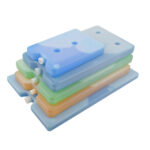
يعد اختيار التصميم التصميمي للطوب الهلامي (ODM) قرارًا بشأن التوريد وقرارًا يتعلق بمخاطر سلسلة التبريد في نفس الوقت. المشتري لا يشتري فقط أ الطوب المبرد; يوافق المشتري على مكون التعبئة, فرق المستودعات, شركاء النقل, وأحيانًا تعتمد فرق الجودة على ذلك. النهج الأكثر أمانًا هو تحديد متطلبات المنتج, طريق, عبوة, احتياجات التوثيق, وضوابط الطلب المتكرر قبل الحكم على السعر. يجمع هذا الدليل النهائي بين وجهة نظر المشتري العملية, الحدود التقنية, والفحوصات التشغيلية في إطار مصادر واحد.
حدد الوظيفة التي يجب أن يقوم بها الطوب الهلامي
سؤال المصادر الأول بسيط ولكن غالبًا ما يتم تخطيه: ما هي الوظيفة التي يجب أن يؤديها الطوب الهلامي في هذا البرنامج المحدد؟? بالنسبة للسيناريو الذي يريد فيه مدير المنتج قالب تبريد على شكل مجموعة أدوات تبريد قابلة لإعادة الاستخدام ويحتاج إلى أن يقترح المورد نموذجًا, إنهاء, تعبئة الكرتون, وتعليمات التعامل, قد تتضمن الإجابة الحماية المبردة, الدعم المجمد, التخزين المؤقت للتسليم القصير, تبريد الطريق القابل لإعادة الاستخدام, أو ملحق ذو علامة تجارية لمجموعة معزولة. كل وظيفة تخلق معايير اختيار مختلفة. لا يتم تقييم الطوب المستخدم بجانب المأكولات البحرية بنفس طريقة تقييم الطوب المستخدم بالقرب من دواء حساس للتجميد.
اكتب بيان الوظيفة قبل أن تطلب عروض الأسعار. وينبغي أن تشمل فئة المنتج, حالة درجة الحرارة المطلوبة, نوع التغليف المعزول, نمط الطريق أو التعامل, ما إذا كان الاتصال المباشر بالمنتج مسموحًا به, كيف سيتم تكييف الطوب, وما إذا كانت هناك حاجة إلى وثائق. لا يجب أن يكون هذا الموجز طويلاً. يجب أن يكون محددًا بدرجة كافية حتى يتمكن الموردون من التوصية بالمنتج دون التخمين.
كما أن بيان الوظيفة الواضح يحمي المشتري من الإفراط في الشراء. تحتاج بعض المشاريع إلى قالب جل قياسي قابل لإعادة الاستخدام وتعليمات تعبئة دقيقة. البعض الآخر يحتاج إلى PCM, حاوية مختلفة, حزمة مؤهلة, أو التحكم في درجة الحرارة النشطة. عندما يتم تحديد الشرط في وقت مبكر, يمكن للمورد أن يخبرك بالمكان المناسب لبنة الجل والأماكن التي تحتاج إلى أعمال تصميم إضافية.
قم ببناء ملخص المصادر قبل مقارنة الأسعار
لا تكون مقارنة الأسعار مفيدة إلا بعد أن تكون الخيارات قابلة للمقارنة من الناحية الفنية. إذا كان أحد الأسعار يتعلق بطوب التجميد الصلب, آخر لحقيبة مرنة, وآخر لحزمة PCM ذات العلامة الخاصة, أسعار الوحدة لا تصف نفس المنتج. يجب على المشتري أولاً توحيد الموجز: الاستخدام المستهدف, أبعاد, يجب تأكيد سلوك التعبئة أو درجة الحرارة, المادة الخارجية, متطلبات التسمية, تعبئة الكرتون, كمية العينة, وثائق, ونمط الطلب المتوقع.
لمراجعة تصميم ODM, ويجب أن يذكر الموجز أيضًا ما يجب أن يبقى دون تغيير بعد الموافقة على العينة. قد يشمل ذلك القالب, يملأ, صافي المحتوى, قذيفة أو فيلم, شعار, تسمية التعليمات, حقيبة داخلية, كرتون, وطريقة تحميل البليت. إذا اقترح المورد تغييراً لاحقاً, ويمكن للمشتري أن يقرر ما إذا كان مقبولاً قبل وصوله إلى المستودع أو العميل.
يجب أن يتجنب الموجز وعود الأداء غير المدعومة. بدلًا من أن نطلب لبنة تحافظ على برودة المنتجات لفترة محددة في كل حالة, اطلب من المورد شرح سياق الاختبار وراء أي مطالبة بالمدة. ما هي الحاوية المعزولة المستخدمة؟? ما الحمولة? ما الملف الشخصي المحيطة? ما كمية الطوب? ما حدود درجة الحرارة? إذا كانت هذه التفاصيل مفقودة, تعامل مع المدة كمطالبة تسويقية, وليس كشرط للمصادر.
أسئلة الموردين التي تفصل شراء السلع عن المصادر الخاضعة للرقابة
يجب أن تجعل المحادثة المهنية مع المورد المشتري أكثر ثقة, لا تعتمد أكثر على ادعاءات غامضة. لا يحتاج المورد إلى الإجابة على كل سؤال تنظيمي, ولكن يجب أن يكون قادرًا على شرح بناء المنتج, التطبيقات المقصودة, طريقة التكييف, خيارات التعبئة والتغليف, وضوابط تكرار الإنتاج. للمشاريع التي تنطوي على الغذاء, فارما, الرعاية الصحية, يصدّر, تصنيع المعدات الأصلية, أوديإم, أو العرض المخصص, يصبح هذا الاختلاف مهمًا بسرعة.
| سؤال لطرحه | يجب أن تغطي الإجابة المفيدة | العلم الأحمر |
|---|---|---|
| ما الذي يتم توفيره بالضبط? | حجم الطوب, المادة الخارجية, نوع التعبئة, إنهاء, ملصق, كرتون, والاستخدام المقصود | فقط صورة المنتج أو وصف غامض |
| كيف ينبغي أن تكون مشروطة? | التجميد, التدريج, التعامل مع محطة التعبئة, الموضع, وأي تحذيرات تتعلق بالاتصال بالمنتج | لا توجد تعليمات تتجاوز "التجميد قبل الاستخدام" |
| ما هي الوثائق المتاحة? | مواصفة, بيانات السلامة, تفاصيل الكرتون, وأي اختبار أو معلومات الاستخدام | ادعاءات الملاءمة الواسعة مع عدم وجود دعم |
| كيف يتم التحكم في تكرار الأوامر? | نموذج سجلات الموافقة, تغيير الإخطار, التحكم في إصدار العمل الفني, ومطابقة الإنتاج | بدائل صامتة أو عملية تغيير غير محددة |
| ما يجب اختباره من قبل المشتري? | تناسب الحزمة الكاملة, التعرض للطريق, اتصال الحمولة, حالة الاستلام, وأي أدلة الجودة المطلوبة | يعامل المورد الطوب كحل عالمي |
العلامات الحمراء ليست دائمًا علامات على وجود مورد سيء. في بعض الأحيان يظهرون أن المشتري لم يقدم سياقًا كافيًا. إذا أعطى المورد إجابة عامة, قم بالرد بملخص الشحنة واسأل مرة أخرى. الهدف ليس فرض عملية معقدة في كل أمر. الهدف هو التأكد من المنتج, التغليف, ومستوى المطالبة يتطابق مع حالة الاستخدام الحقيقية.
طريق, حمولة, ويجب مراجعة الدليل معًا
تغليف السلسلة الباردة يفشل عندما يتم اعتبار عنصر واحد بمفرده. قد لا يحمي الطوب الهلامي القوي الموجود في حاوية ضعيفة الحمولة. قد تؤدي الحاوية الجيدة ذات موضع الطوب الخاطئ إلى إنشاء مناطق تجميد أو دافئة محلية. قد لا يزال من الممكن إساءة التعامل مع الحزمة التي تم اختبارها في حالة تخزينها في المستودع, بيك اب البريد السريع, أو لا يتم التحكم في تلقي التفتيش. طريق, حمولة, والدليل ينتمي إلى نفس الحديث.
للعديد من شحنات اللقاحات والأدوية المبردة, 2درجة مئوية إلى 8 درجات مئوية هي نطاق تخطيط مألوف, ولكن يجب على المشترين دائمًا تأكيد متطلبات المنتج الدقيقة. بعض البضائع لا يجب تجميدها. بعض المنتجات المجمدة لها حدود مختلفة. تتطلب بعض شحنات الأغذية تقديمًا مبردًا بدلاً من التوثيق الصيدلاني. يمكن للمورد تقديم معلومات المنتج, ولكن نوعية المشتري, التنظيمية, أو يجب على الفريق اللوجستي أن يقرر الأدلة المطلوبة.
يمكن أن يتخذ الدليل أشكالًا مختلفة. للحصول على ملحق غذائي منخفض المخاطر, قد تكون ورقة المواصفات وتجربة التعبئة الداخلية كافية. لسلع الرعاية الصحية الحساسة, قد يحتاج المشترون إلى مراقبة درجة الحرارة, بيانات التأهيل, ومراجعة الجودة. لا يحدد الطوب الهلامي مستوى الأدلة; المنتج والطريق القيام به. ولهذا السبب يجب أن يتضمن ملخص المصادر فئة المنتج وليس حجم الطوب فقط.
يجب أن تختبر مراجعة العينة العملية, ليس فقط هذا البند
يجب فصل الوظائف عن التفضيلات المرئية, ثم تأكد من المطالبات التي تتطلب الاختبار قبل الترويج للتصميم. مرحلة العينة هي اللحظة الأقل تكلفة للعثور على المشاكل. تحقق مما إذا كان الطوب يناسب العبوة النهائية, ما إذا كان باستطاعة شركات التعبئة التعامل معها بأمان, ما إذا كان الملصق ينجو من التكثيف, ما إذا كانت كرتونة مكدسة كما هو متوقع, وما إذا كان من السهل التعرف على المنتج بعد التجميد. إذا كان الطوب مخصصًا أو تسمية خاصة, تأكيد العمل الفني, نص التعليمات, لون, وعلامات الكرتون قبل الإنتاج.
تشتمل مراجعة العينة المفيدة على تجربة حزمة بسيطة. ضع المنتج, الطوب هلام, المقسمات, بطانات, ماص, والوثائق تماما كما هو مخطط لها. ثم اسأل ما إذا كانت طريقة التعبئة واقعية أثناء نوبة العمل المزدحمة. إذا كانت الطريقة تعمل فقط عندما يقوم شخص واحد ذو خبرة بالتعبئة ببطء, قد تفشل عندما يزيد حجم الصوت. المصادر الجيدة تأخذ في الاعتبار الأيدي التي ستقوم بتعبئة الشحنة بالفعل.
أدوات اتخاذ القرار مفيدة
تحقق من التفاصيل قبل اختيار التغليف
يمكن أن تساعدك هذه الأدوات السريعة في مقارنة مخاطر المسار, احتياجات التحجيم, خيارات المبرد, وتفاصيل التعبئة والتغليف قبل أن تطلب عرض أسعار.
أداة اختيار العبوة
قارن بين خيارات التغليف المعزولة حسب المنتج, طريق, ودرجة الحرارة اللازمة.
البحث عن التعبئة والتغليفمنشئ قائمة التحقق من الامتثال
قم ببناء قائمة مرجعية عملية لمراجعة التغليف, شحن, والتوثيق.
بناء قائمة مرجعيةمقاومة سقوط المواد العازلة
مراجعة مقاومة السقوط وعوامل المناولة قبل اختيار المواد العازلة.
تحقق من المقاومةقم بتسجيل العينة المعتمدة واحتفظ بها متاحة للمقارنة في المستقبل. في تكرار الشراء, غالبًا ما تنشأ النزاعات لأنه لا أحد يتذكر ما تمت الموافقة عليه. عينة من الاحتفاظ الجسدي, صور, أبعاد, نسخة الوثيقة, وتفاصيل الكرتون يمكن أن تحل المشكلات بسرعة. لتصنيع المعدات الأصلية, أوديإم, يصدّر, مصنع, او برامج التوزيع, يدعم هذا السجل أيضًا التواصل بين المبيعات, شراء, مستودع, وفرق الموردين.
عندما لا يكون الطوب الهلام كافيًا
يجب أن يكون المورد الحذر على استعداد للقول عندما لا يكون الطوب الهلام كافيًا. إذا كانت الشحنة طويلة, التعرض المحيطي شديد, الحمولة حساسة للغاية, أو أن المنتج لا يتحمل تجميد التلامس, قد لا يكون الطوب الهلامي الأساسي هو المكون الصحيح في حد ذاته. قد يحتاج المشتري إلى PCM, شاحن معزول مختلف, وأضاف الانفصال, التبريد النشط, تغييرات الطريق, أو حزمة حرارية مؤهلة.
يجب على المشتري أيضًا توخي الحذر مع الحمولات المختلطة. إذا كان أحد العناصر يحتاج إلى ظروف مبردة وآخر حساس للتجميد, وضع الطوب وطبقات العزل مهم. إذا كانت العبوة تحتوي على منتجات طبية, قد تكون المستندات والمراقبة مهمة بقدر أهمية المبرد. إذا كان الطريق يشمل الشحن الجوي, حجز البضائع, تسميات, وقد تحتاج تعليمات التعامل إلى مراجعة إضافية. يمكن أن تكون الإجابة الصحيحة أكثر تعقيدًا من تغيير حجم الطوب.
هذا ليس ضعفًا في طوب الجل. إنها حدودهم. تعتبر مكونات التبريد السلبية ذات قيمة عند استخدامها ضمن حزمة واقعية. تصبح محفوفة بالمخاطر عندما يُطلب منهم استبدال العزل, التحكم في الطريق, المتطلبات الخاصة بالمنتج, أو أدلة الجودة. المشتري الذي يفهم هذه الحدود سيصدر بثقة أكبر وسيتجنب المطالبات التي لا يمكن دعمها.
مسار الشراء العملي
يمكن أن يكون مسار الشراء بسيطًا: تحديد حالة الاستخدام, طلب عروض أسعار قابلة للمقارنة, وثائق المراجعة, عينات الاختبار في الحزمة المقصودة, الموافقة على المواصفات الدقيقة, وضع الطلب, فحص الاستلام, ومراقبة الأداء في الشحنات الحقيقية الأولى. يحافظ هذا التسلسل على تحرك الأمر مع تقليل المخاطر التي يمكن تجنبها. يكون ذلك مفيدًا بشكل خاص عندما يخطط المشتري للتوسع من أمر تجريبي إلى تكرار عمليات الشراء.
لإطلاق المنتجات الجديدة, مجموعات معزولة المجمعة, برامج توصيل الطعام المتخصصة, وملحقات نقل الرعاية الصحية, يجب أن يتضمن المسار الاتصال المصب. إذا تم إعادة بيع المنتج, تحتاج فرق المبيعات إلى صياغة دقيقة. إذا تم استخدامه داخل عملية الخدمة, يحتاج المعبئون إلى تعليمات واضحة. إذا كان جزءًا من شحنة تمت مراجعتها من حيث الجودة, يحتاج فريق الجودة إلى السجلات. قد يبدو الطوب الهلامي وكأنه مكون صغير, لكنه يمس عدة أجزاء من العمل.
يجب أن يعكس الاختيار النهائي للمورد أكثر من السعر. ابحث عن مورد يمكنه الحفاظ على استقرار المنتج, شرح حدودها, وثائق الدعم, التواصل قبل التغييرات, وتساعدك على مطابقة الطوب مع مجموعة سلسلة التبريد المحيطة. هذا هو الفرق بين طلب السلع وقرار تحديد المصادر الذي يحمي العمليات.
التعليمات
كيف أختار مشروع ODM من الطوب الهلامي؟?
ابدأ بحالة الاستخدام, وليس الكتالوج. تحديد المنتج, طول الطريق, نطاق درجة الحرارة المطلوبة, حجم الحمولة, العزل, نقاط التسليم, وتوقعات التوثيق. ثم اطلب من الموردين تأكيد حجم الطوب, مادة, كرتون, وتعليمات التكييف تناسب هذا السيناريو. الاختيار الموثوق هو الذي يمكن تكراره والتحقق منه, ليس مجرد العرض الأرخص.
ما هي المستندات التي يجب على المشتري طلبها؟?
قد تتضمن المستندات المفيدة ورقة المواصفات, ورقة بيانات السلامة, تفاصيل التعبئة الكرتون, تعليمات التعامل, وأي معلومات متاحة عن العبوة أو الاختبار الحراري. تعتمد الحزمة الدقيقة على السوق وفئة المنتج. للرعاية الصحية أو السلع الخاضعة للتنظيم, يجب على فريق الجودة أو اللوجستيات لديك التأكد من الأدلة المطلوبة قبل الاعتماد على أي بيان للمورد.
يمكن لبنة جل واحدة أن تعمل لجميع الشحنات?
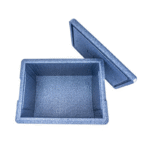
لا. يمكن أن يعمل نفس الطوب بشكل مختلف في جهاز إرسال صغير معزول, حمل قابلة لإعادة الاستخدام, أ صندوق رغوة, أو نظام سلسلة التبريد على منصات نقالة. كتلة الحمولة, مساحة فارغة, التعرض المحيطي, وضع الطوب, والشروط المسبقة كلها تغير النتيجة. قم ببناء مجموعة صغيرة من العبوات المعتمدة بدلاً من توقع قالب عام واحد لتغطية كل منتج.
ما هو أكبر خطأ في المصادر?
أكبر خطأ هو الموافقة على السعر قبل الموافقة على الملاءمة. لبنة منخفضة التكلفة تغير أبعادها, تسرب, لا تناسب الحزمة, أو يفتقر إلى الوثائق الأساسية يمكن أن يخلق تكلفة أكثر مما يوفر. يجب على المشترين التعامل مع مرحلة العينة كاختبار عملية: تحقق من الطوب, الكرتون, التعليمات, وقدرة المورد على تكرار التكوين المعتمد.
خاتمة
يجب اختيار مشروع ODM من الطوب الهلامي من خلال إطار مصادر واضح: تحديد الوظيفة, توحيد الموجز, قارن العروض المماثلة فقط, اختبار العينة في الحزمة الحقيقية, والتحكم في تغييرات ترتيب التكرار. يعد الطوب الهلامي أحد مكونات التبريد السلبية المفيدة, لكنه لا يحل محل العزل, يراقب, مؤهل, أو المتطلبات الخاصة بالمنتج.
أقوى قرار شراء هو القرار الذي يمكن أن يكرره المستودع الخاص بك, يمكن لفريق المبيعات الخاص بك أن يصف بدقة, ويمكن لفريق الجودة أو اللوجستيات الخاص بك الدفاع عند مراجعة الشحنة.
حول Tempk
توفر Tempk مواد التعبئة والتغليف لسلسلة التبريد للمشترين الذين يحتاجون إليها عبوات جل الثلج, الطوب الجليد الفريزر, أكياس معزولة, صناديق إي بي بي, صناديق الشحن الباردة, بطانات معزولة, أغطية البليت, ومكونات التعبئة والتغليف ذات الصلة. في مناقشة ODM لبنة جل, يتمثل دورنا في مساعدة المشتري على تحديد حالة الاستخدام بوضوح قبل اختيار الحجم, ملصق, كرتون, أو اتجاه الحزمة. نحن نبقي المحادثة مبنية على ما يجب التحقق منه: حمولة, طريق, تكييف, توافق التغليف, وما إذا كان المنتج المحدد يتم استخدامه كمكون مبرد أو كجزء من نظام أوسع للتحكم في درجة الحرارة.
اطلب من Tempk مراجعة حالة استخدام التعبئة الخاصة بك والمساعدة في مقارنة الطوب الهلامي المناسب, العبوة المعزولة, وخيارات الكرتون لجولة المصادر القادمة.