اختيار العلاج بالتبريد المناسب مورد عبوات الجل في أوروبا
يعود الاختيار الجيد في هذه الفئة إلى مبدأ واحد: قم بمطابقة العبوة بالتطبيق قبل مقارنة الموردين. تبدأ الكثير من قرارات التوريد بحجم العبوة أو السعر، ولا تكتشف مشاكل التكييف إلا لاحقًا, ملائم, تسرب, التبريد الزائد, الوثائق, أو استمرارية العرض. والتسلسل الأفضل هو تحديد المهمة أولاً ثم التحقق من المورد الذي يمكنه تكرارها بشكل موثوق.
كما أدى نمو العلامات التجارية الخاصة إلى تغيير عملية اختيار الموردين. يريد تجار الجملة بشكل متزايد عائلة واحدة من عبوات العلاج بالتبريد الصغيرة, واسطة, والتنسيقات الخاصة بالمفاصل - والتي تشترك في لغة مرئية متسقة ومنطق تعبئة.
ما الذي يجب أن يفعله المنتج، وما الذي لا ينبغي أن يتوقع منه أن يفعله
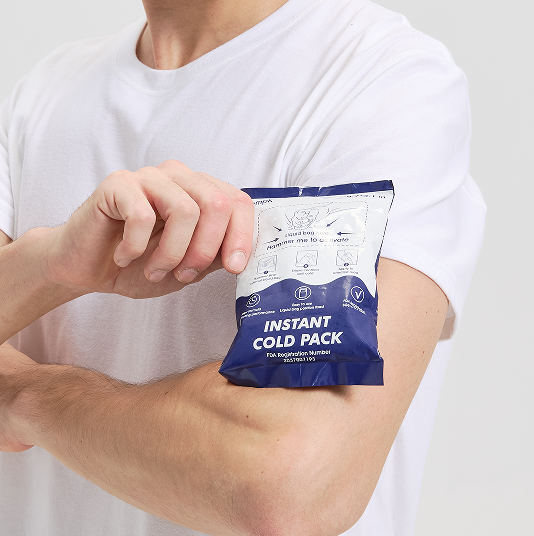
أ حزمة هلام العلاج بالتبريد عبارة عن حزمة علاجية قابلة لإعادة الاستخدام مخصصة للاتصال المباشر أو غير المباشر بالجسم بعد التجميد أو تكييف الميكروويف, اعتمادا على تصميم المنتج. على عكس مبرد الشحن, كما يجب أن تكون مريحة بدرجة كافية لوضعها على الجلد, مرنة بما يكفي للالتفاف حول المنطقة المستهدفة, ويتم تصنيفها بوضوح حتى يفهم المستخدم النهائي المدة التي سيستغرقها تطبيقه وما إذا كان يوصى باستخدام حاجز من القماش.
ولهذا السبب فإن اختيار الموردين في هذه الفئة أوسع من كيمياء الهلام وحدها. يحتاج المشترون إلى التفكير في جودة اللحام, يشعر الفيلم, التحكم في الرائحة, الانتهاء من التعبئة والتغليف, عرض البيع بالتجزئة, واستقرار المنتج عبر الطلبات المتكررة. في إسبانيا والاتحاد الأوروبي على نطاق أوسع, غالبًا ما تكون هذه التفاصيل مهمة بقدر تكلفة الوحدة البسيطة.
إذا تم تسويق منتج العلاج بالتبريد في القنوات السريرية أو المهنية, يمكن أن يكون عبء التوثيق أعلى من عبء عنصر الصحة العامة. يجب على المشترين الأوروبيين تأكيد الأوراق الخاصة بالسوق المقصود بدلاً من افتراض أن كل عبوة هلامية يمكن أن تتحرك بسلاسة عبر كل قناة. إذا تم تسويق العبوة ببساطة كعنصر للصحة العامة أو التعافي, قد يكون عبء التوثيق أخف مما هو عليه بالنسبة للمنتج الذي يتم بيعه بمطالبات علاجية أو سريرية أقوى. لذلك يجب على المشترين في إسبانيا تأكيد الاستخدام المقصود, لغة وضع العلامات, والمستندات الفنية التي يتم شحنها بالفعل مع المنتج.
كيف يتم اختيار التنسيق الصحيح
تعمل عبوات العلاج بشكل مختلف عن مبردات الطرود لأن تجربة المستخدم مهمة. يجب أن تظل العبوة باردة بدرجة كافية لتطبيق مفيد مع الحفاظ على المرونة والراحة. عادةً ما تسلط المنتجات التجارية في هذه الفئة الضوء على مادة هلامية غير سامة, إعادة الاستخدام, والمرونة بعد التجميد, والعديد منها يسمح أيضًا بتطبيق الحرارة بعد تسخين الميكروويف. تعتمد هذه الادعاءات على لزوجة الجل, اختيار الفيلم, جودة اللحام, ووجود أو عدم وجود غطاء واقي.
لمورد, السؤال ليس فقط ما إذا كانت العبوة ستصبح باردة أم لا. هو ما إذا كانت تظل ناعمة بما يكفي لتتوافق مع الكتف, ركبة, كاحل, فك, أو منطقة أخرى من الجسم; ما إذا كانت اللحامات تظل سليمة بعد دورات التجميد والذوبان المتكررة; وما إذا كان السطح الخارجي يبدو نظيفًا ومتسقًا في البيع بالتجزئة أو الاستخدام السريري. إن العبوة الباردة من الناحية الفنية ولكنها صعبة الاستخدام لن تؤدي أداءً جيدًا في السوق.
يأتي الطلب النموذجي من الطب الرياضي وتجارة التجزئة للتعافي, عيادات إعادة التأهيل وسلاسل العلاج الطبيعي, والصيدلة الخاصة وتوزيع العافية. هذه القنوات تقدر أشياء مختلفة قليلاً. قد يهتم مشترو التجزئة بتغليف العرض, لون, شكل, وسهولة التدريس. يهتم المشترون السريريون أكثر بالشعور المتسق, متانة, والأداء المتوقع. تحتاج برامج العلامات التجارية الخاصة إلى كل ذلك بالإضافة إلى تنفيذ الطباعة والتغليف الذي يمكن الاعتماد عليه.
حيث يكتسب المشترون القيمة وحيث تبدأ الأخطاء
حزمة علاجية قوية تمنحك الاستخدام المتكرر, التعامل لطيف, تخزين سهل, وعرض قيمة بسيط للمستخدمين النهائيين. العبوات التي تظل مرنة عند تجميدها عادة ما تكون أسهل في وضعها وتكون أقل قسوة على الجسم. يمكن للتصميمات المتوافقة مع الميكروويف أن تزيد من فائدة المنتج إذا كانت التعليمات واضحة وكان نظام المواد مناسبًا لكل من الدورات الساخنة والباردة.
نقاط الفشل الرئيسية يمكن تجنبها: طبقات هشة بعد الدورات المتكررة, هجرة الهلام التي تخلق كتلًا صلبة, رائحة قوية, تعليمات تكييف غير واضحة, التعبئة والتغليف التجزئة ضعيفة, أو شكل يبدو جيدًا في الصور ولكن أداءه سيئ على الجسم. من حيث المصادر, نادرا ما يكون القيد هو المفهوم. إنها الفجوة بين عينة ما قبل الإنتاج والتصنيع المتكرر المستقر.
وينبغي أن يشمل التقييم الفني متانة التجميد والذوبان, جودة التماس, يشعر السطح, وسلوك العبوة بعد الدورات المتكررة. إذا كان المنتج يدعم أيضًا العلاج الحراري, يجب أن يتحمل نظام المواد نمط الاستخدام الثاني دون إرباك المستخدم. اختبار عينة صغيرة مع معالجة واقعية يمكن أن يكشف ما إذا كان الجل يتكتل أم لا, تسرب, يصلب بشكل غير متساو, أو ظهور عيوب سطحية.
الفشل الأكثر شيوعًا هو عدم التطابق بين عينة صالة العرض وواقع الإنتاج. لا تقول وحدة ما قبل الإنتاج الجيدة سوى القليل جدًا ما لم يتمكن المورد من الاحتفاظ بنفس الفيلم, لزوجة هلام, مطبعة, والانضباط في التعبئة والتغليف على نطاق واسع. ولهذا السبب فإن تكرار أخذ العينات أو الإنتاج التجريبي غالبًا ما يستحق الخطوة الإضافية.
قائمة مختصرة عملية للموردين
بالنسبة للمنتجات العلاجية, يجب أن يغطي فحص الموردين كلاً من إحساس المنتج وانضباط التصنيع. يجب أن تعمل برامج البيع بالجملة الأوروبية عبر لغات متعددة, القنوات, وتوقعات التعبئة والتغليف. قد يظل المورد المقبول لدولة ما أمرًا محرجًا بالنسبة للطرح الأوروبي على نطاق أوسع إذا كان عملًا فنيًا, وضع العلامات, وليس من السهل التكيف مع التغليف الخارجي.
القائمة المختصرة الصحيحة مبنية على التكرار, ملائم, وحدود التشغيل الصادقة. اطلب من المورد الإجابة على النقاط الواردة أدناه كتابيًا حتى تظل الموافقة على العينة والموافقة المجمعة متوافقتين.
- تأكيد الأبعاد الداخلية والخارجية, ملء الوزن, وكميات العلبة بحيث تناسب العبوة الشاحن الحالي الخاص بك دون إهدار المساحة الهوائية.
- اسأل عن الفيلم أو المادة الخارجية المستخدمة, كيف يتم تشكيل الأختام, وما هي الضوابط المعمول بها لمنع الانجراف من الكثير إلى الكثير.
- اطلب تعليمات التكييف المكتوبة بدلاً من الاعتماد على عادات التجميد غير الرسمية في طاولة التعبئة.
- تحقق مما إذا كانت حزم العينات وحزم الإنتاج تأتي من نفس قائمة المواد, نفس روتين التعبئة, ونفس معيار الجودة.
- اسأل كيف يقوم المورد بتوصيل أي صيغة, فيلم, مطبعة, أو تغيير أبعاد العبوة قبل الشحن.
- التعبئة والتغليف متعدد اللغات ودعم الأعمال الفنية عبر قنوات الاتحاد الأوروبي
- تناسق الأشرطة, الأكمام, وتشكل أغلفة عبر عائلة المنتجات
- ملمس المادة الخارجية, قابلية التنظيف, ومرونة الفريزر
- كفاءة التعبئة والتغليف للتوزيع على المنصات والتجارة الإلكترونية
- الكشف عن المواد وخطط تقليل النفايات للتغليف الخارجي
- تحقق مما إذا كان الجل يظل مرنًا بعد التجميد, ما إذا كان استخدام الميكروويف مسموحًا به, وكيفية توصيل هذه التعليمات على العبوة والكرتون.
- مراجعة عبوات البيع بالتجزئة, إصدارات اللغة, وضع الباركود, وضوابط الطباعة ذات العلامة الخاصة إذا كان المنتج سينتقل عبر الصيدليات أو القنوات الصحية.
كيفية التحقق من صحة قبل القياس
قبل الموافقة على طلب حزمة علاجية كبيرة, قم بإجراء مراجعة بسيطة للاستخدام الحقيقي باستخدام عينات غرض الإنتاج. قم بتجميد الحزم بالطريقة التي يقوم بها المستخدمون النهائيون أو الموظفون بتجميدها فعليًا. تحقق من المرونة, قوة التماس, راحة, رائحة, يشعر السطح, وحالة الكرتون بعد النقل.
ثم كرر الاختبار بعد عدة دورات, ليس مرة واحدة فقط. غالبًا ما تكشف هذه الخطوة ما إذا كانت العبوة لا تزال قابلة للاستخدام بعد المعالجة الروتينية أو ما إذا كانت العينة المبكرة جذابة ولكنها ليست متينة.
أدوات اتخاذ القرار مفيدة
تحقق من التفاصيل قبل اختيار التغليف
يمكن أن تساعدك هذه الأدوات السريعة في مقارنة مخاطر المسار, احتياجات التحجيم, خيارات المبرد, وتفاصيل التعبئة والتغليف قبل أن تطلب عرض أسعار.
مدقق مخاطر الطريق
قم بمراجعة ظروف المسار قبل اختيار التغليف لمتطلبات التشغيل الحقيقية.
تحقق من مخاطر الطريقسائل التبريد & مرجع PCM
قارن خيارات سائل التبريد وPCM عندما يحتاج المسار إلى دعم إضافي لدرجة الحرارة.
قارن الخياراتحاسبة الثلج الجاف
تقدير احتياجات الثلج الجاف للشحنات المجمدة أو شديدة البرودة قبل التعبئة.
تقدير الثلج الجافهذا لا يعني المبالغة في تعقيد عملية الشراء. وهذا يعني الحفاظ على المورد صادقا. إذا وصفوا العبوة بأنها طبية, احترافي, الرياضة, بيع بالتجزئة, والترويجية في وقت واحد, اطلب منهم تحديد إصدار المنتج الذي توافق عليه بالفعل.
عادةً ما تصبح القائمة المختصرة القوية واضحة بعد هذا التمرين. أفضل مورد ليس دائمًا هو الذي لديه أكبر كتالوج; وهو الذي عيناته, الوثائق, وتكرار النظام الانضباطي يصطف جميعًا.
أين تتجه أولويات المصادر الحالية؟
لقد تغيرت محادثة التغليف الأوروبية. منذ أن دخلت لائحة نفايات التغليف والتعبئة في الاتحاد الأوروبي حيز التنفيذ في 2025 ومن المقرر أن يتم تطبيقه على نطاق واسع اعتبارًا من أغسطس 2026, يسأل المزيد من المشترين عن التنسيقات منخفضة النفايات, الكشف عن المواد, وكفاءة التعبئة بالإضافة إلى السعر. في أوروبا, أصبحت نفايات التعبئة والتغليف وشفافية المواد معايير شراء أكثر وضوحًا, خاصة بالنسبة لبرامج العلامات التجارية الخاصة والصيدلة. حتى عندما تظل حزمة العلاج نفسها منتجًا بسيطًا قابلاً لإعادة الاستخدام, التغليف الخارجي, كفاءة الكرتون, ومعايير التوثيق يمكن أن تؤثر على القائمة المختصرة للموردين.
يتجه السوق أيضًا نحو تنفيذ تصميم أنظف. يريد المشترون حزمًا تبدو منتهية, يشعر بأنه يمكن الاعتماد عليه, والوصول إلى حالة جاهزة للبيع بالتجزئة. وهذا يدفع قرارات تحديد المصادر نحو الموردين الذين يمكنهم التحكم في الطباعة, لون, واتساق التعبئة والتغليف بدلاً من الاقتباس من سعر تسليم المصنع المنخفض فقط.
الانتهاء من البيع بالتجزئة, تعليمات, وتكرار النظام الاستقرار
لحزم العلاج بالجملة, العرض الخارجي يستحق مراجعة مخصصة. تخطيط رسومي نظيف, تعليمات تكييف واضحة, وضع الباركود, التعبئة والتغليف متعدد اللغات عند الحاجة, تؤثر قوة الكرتون على ما إذا كان المنتج سيصل جاهزًا للبيع أو يحتاج إلى إعادة صياغة. غالبًا ما يقلل المشترون في إسبانيا وأوروبا من مدى السرعة التي يمكن بها لعلبة التجزئة الضعيفة أن تجعل عبوة الجل المقبولة تبدو منخفضة الجودة.
وهذا أيضًا هو المكان الذي يمكن أن تفشل فيه المشاريع ذات العلامات التجارية الخاصة. قد تبدو العينة المعتمدة مصقولة, ولكن قد يظهر المدى الكبير الأول انحرافًا في اللون, طباعة رقيقة, مظهر اللحام غير متناسق, أو التغليف الذي لم يعد يحمي المنتج أثناء التوزيع. يجب أن يكون المورد الجاد مرتاحًا عند مناقشة عناصر التحكم في الطباعة, إثباتات التعبئة والتغليف, وكيف يقومون بتأمين النسخة المعتمدة قبل الإنتاج الكامل.
كيفية الحكم على العينة قبل الموافقة على الحجم
لا تقم بتقييم العينة إلا وهي طازجة من الكرتون. قم بتجميده, التعامل معها, تطبيقه من خلال الحاجز الموصى به, وتحقق من شعورك بعد فترة استخدام واقعية. ثم كرر الدورة. المشترين الذين يختبرون بهذه الطريقة يرون بسرعة ما إذا كانت العبوة ستبقى مرنة أم لا, ما إذا كانت طبقات تبقى نظيفة, وما إذا كان المنتج لا يزال يبدو وكأنه شيء في العيادة, صيدلية, أو سيثق به عملاء التجزئة.
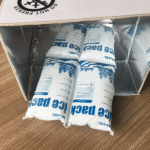
وينطبق نفس المنطق على التعبئة والتغليف السائبة. افتح كرتونة النقل, فحص ما إذا كانت الوحدات تلتصق ببعضها البعض, ما إذا كانت الطباعة تفرك, وما إذا كانت العبوات تحافظ على شكلها بعد النقل. هذه التفاصيل لا تبدو تقنية, لكنهم غالبًا ما يقررون ما إذا كان الأمر المتكرر سلسًا أم مؤلمًا.
خاتمة
يوازن شراء حزمة العلاج القوية بين راحة المستخدم النهائي, الوثائق, واستقرار التصنيع. إذا كان أحد تلك العناصر ضعيفا, يمكن للمنتج أن يسبب شكاوى حتى عندما يكون الجل نفسه مقبولاً.
وبالتالي فإن أفضل مورد هو الذي جودة عينته, تعليمات, التغليف, ويشير اتساق الترتيب المتكرر في نفس الاتجاه.
حول Tempk
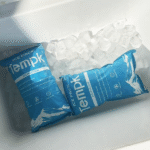
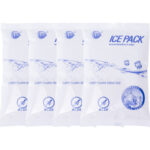
و Tempk, نحن نركز على السلسلة الباردة عبوة تسيطر عليها درجة الحرارة بدلاً من تسويق صحة المستهلك. تشمل مجموعة منتجاتنا العامة عبوات جل الثلج, الطوب الجليد الفريزر, بطانات الصندوق المعزولة, صناديق إي بي بي, أغطية البليت, ومواد التعبئة والتغليف ذات الصلة ل النقل الحساس لدرجة الحرارة. نحن أيضًا نصف R. الداخلي&د ودعم الاختبار الحراري. لذلك، عندما يحتاج المشتري إلى حزمة أقرب إلى حماية الشحن من العلاج عن طريق ملامسة الجسم, يمكننا المساعدة في تقييم كيفية عمل المبرد والتعبئة الأوسع معًا.
الخطوة التالية
إذا كانت متطلباتك تقع بين استخدام العلاج بالتجزئة والنقل الحساس لدرجة الحرارة, ابدأ بتوضيح الاستخدام النهائي الدقيق. ثم اطلب عينات تطابق تنسيق التغليف النهائي قبل الالتزام بالحجم.
التعليمات
هذه هي الأسئلة التي تبقى غالبًا بعد الانتهاء من المقارنة الأولية.
ما الفرق بين عبوة جل العلاج بالتبريد والكمادات الباردة القياسية؟?
عادةً ما يتم وضع منتجات العلاج بالتبريد لتحقيق التعافي المستهدف وقد تشتمل على لفات على شكل معين, الأشرطة, أو الأكمام. قد تكون الكمادات العامة أقل تخصصًا وأكثر ملاءمة للإسعافات الأولية الأساسية. يجب أن تظل الإجابة المفيدة متصلة بمنطقة الجسم المقصودة, راحة المستخدم, وتوقعات تكرار الاستخدام.
هل تغير العلامة الخاصة اختيار المورد؟?
نعم. تعتمد برامج التسمية الخاصة على التحكم في العمل الفني, استقرار التعبئة والتغليف, تكرار المواد, وحجم متسق لمنطقة الجسم عبر النطاق. في برامج التسمية الخاصة, يجب أن تتطابق الإجابة أيضًا مع العبوة النهائية وتعليمات الاستخدام.
ما مدى أهمية بيانات الاستدامة في أوروبا؟?
لقد أصبح الأمر أكثر أهمية في مناقشات العطاءات وتأهيل بائعي التجزئة. حتى عندما يبقى المنتج نفسه دون تغيير, يطلب المشترون بشكل متزايد معلومات أكثر وضوحًا عن مواد التغليف. الاختبار الحقيقي هو ما إذا كانت الإجابة نفسها لا تزال قائمة بعد دورات التجميد والذوبان المتكررة والنقل.