مقدمو سلسلة اللحوم الباردة: كيفية اختيار أفضل شريك في 2025
تم التحديث في ديسمبر 24 2025, this guide explains why choosing the right سلسلة التبريد meat provider matters and how to evaluate partners. Fresh meat must be kept between 0–4 °C and frozen meat at or below –18 °C, so your provider’s equipment, packaging and processes need to deliver these standards. As the global meat packaging market grows from about US$16 billion in 2024 to nearly US$24 billion by 2033, it’s critical to understand temperature control, compliance and the latest technology.
ما الذي يحدد أ reliable سلسلة التبريد meat provider? – get a clear definition and learn why temperature control prevents spoilage and recalls.
How does the meat supply chain work? – stepbystep look from slaughter to retail, including packaging and logistics.
Which packaging methods are used in 2025? – compare vacuum sealing, رسم خريطة, skin packs and smart packaging.
What regulations and technologies shape operations? – understand FSMA requirements, مستشعرات إنترنت الأشياء, RFID tags and AI analytics.
How do you select the right provider? – evaluation criteria, selfassessment and a decision matrix to help you choose.
ما هي أحدث الاتجاهات ورؤى السوق? – الاستدامة, العبوة الذكية, market growth and regional dynamics.
What Is a سلسلة التبريد Meat Supply Chain?
A سلسلة التبريد meat supply chain is a temperaturecontrolled logistics system that keeps meat products within safe ranges from slaughter to consumption. وتشمل المسالخ المبردة, تخزين مبرد, النقل المعزول, مراكز التوزيع والتبريد بالتجزئة. اللحوم الطازجة (لحم, pork or poultry) should stay between 0 درجة مئوية و 4 درجة مئوية, while frozen products must remain at or below –18 °C to inhibit microbial growth and preserve quality. Operating outside these limits triggers bacteria like Listeria and Salmonella and can lead to spoilage and costly recalls.
لماذا يهم التحكم في درجة الحرارة
Microorganisms thrive when meat warms up; even shortlived spikes increase the risk of pathogens. SQF guidelines recommend chilled meat between 0–4 °C and frozen meat ≤ –18 °C. Temperature breaches shorten shelf life, cause drip loss and discolouration, and may result in product condemnation. Realtime monitoring through IoT sensors and RFID tags provides evidence of compliance and allows operators to intervene before problems arise.
نطاقات درجة الحرارة ومدة الصلاحية
| Meat Category | درجة حرارة التخزين النموذجية | العمر الافتراضي التقريبي | تستفيد لك |
| اللحوم الطازجة المبردة (لحم, لحم خنزير, دواجن) | 0-4 درجة مئوية (32-39 درجة فهرنهايت) | 2-5 أيام (أقصر بالنسبة للحوم المفرومة) | يحافظ على النكهة ويقلل من نمو البكتيريا. |
| اللحوم المجمدة والمأكولات البحرية | ≥ -18 درجة مئوية (≤ 0 ° f) | 6– 12 شهرًا حسب القطع | Halts microbial activity and enables longdistance export. |
| اللحوم المعالجة أو المعالجة | 0-4 درجة مئوية | 7– 14 يومًا | Reduces moisture loss and maintains texture. |
| Dry cured shelfstable meats | المحيط (<25 درجة مئوية) | شهور | نسبة عالية من الملح وانخفاض محتوى الماء تمنع البكتيريا; الحد الأدنى من متطلبات سلسلة التبريد. |
نصائح عملية للحفاظ على درجة الحرارة
معدات التبريد المسبق: Always precool trailers and containers before loading to avoid thermal shock and maintain a stable environment.
استخدام أجهزة الاستشعار التي تدعم البيانات: Deploy IoT data loggers and RFID tags to monitor temperature and humidity continuously.
تدريب موظفيك: Ensure drivers and warehouse teams hold HACCP certifications and follow proper loading, إجراءات التفريغ والمراقبة.
وضع خطط الطوارئ: تطوير بروتوكولات الاستجابة لانقطاع التيار الكهربائي, تعطل المعدات أو تأخير حركة المرور, and use predictive analytics to forecast disruptions.
مثال العالم الحقيقي: A logistics provider transporting fresh meat uses RFID tags with temperature sensors attached to each pallet. خلال تسليم الصيف, a refrigeration unit malfunction triggers an alert at 5 درجة مئوية, so the operators reroute the truck to a nearby منشأة التخزين البارد وإصلاح الوحدة, preventing spoilage and maintaining customer trust.
Why Partner with Reliable سلسلة التبريد Meat Providers?
Selecting a trusted سلسلة التبريد meat provider isn’t just about storage space; it’s about ensuring product safety, الامتثال ورضا العملاء. Providers with robust infrastructure, trained personnel and advanced technology can maintain required temperatures, minimise waste and navigate complex regulations.
Benefits of Working with Experts
Food safety and compliance: Trusted providers follow FSMA’s Sanitary Transportation rule, which mandates cleanable vehicles, proper refrigeration, trained staff and accurate recordkeeping. Compliance protects your brand from recalls and penalties.
Quality preservation: Maintaining 0–4 °C for chilled meat and –18 °C for frozen goods preserves colour, الملمس والمغذيات, reducing returns and waste.
الكفاءة التشغيلية: Providers offer realtime tracking, route optimisation and contingency planning, reducing delays and ensuring deliveries arrive on time.
الاستدامة: Many modern providers invest in ecofriendly refrigerants, recyclable packaging and phasechange materials to reduce carbon footprints.
Risks of Poorly Managed سلسلة التبريدs
When providers fail to maintain consistent temperatures, bacteria proliferate, shelf life shrinks and product safety is compromised. A lack of documentation can lead to regulatory fines and slow recall responses. In extreme cases, products may be condemned, causing significant financial loss.
Key Stages of the Meat سلسلة التبريد
Understanding how meat travels from farm to plate helps you evaluate provider capabilities. Each stage requires specific controls and documentation to maintain safety and quality.
الذبح والمعالجة الأولية
يتم ذبح الماشية بطريقة إنسانية تحت رقابة حكومية صارمة. Carcasses are cleaned and cooled rapidly to 0–4 °C. Inspectors verify hygiene and disease control.
Carcasses are divided into primal cuts, which are easier to transport and store.
Secondary Processing
Primal cuts are trimmed, deboned and portioned into retail or foodservice sizes. بعض اللحوم مطحونة, seasoned or marinated to create valueadded products.
Packaging plans are developed based on destination and shelflife requirements.
حلول التعبئة والتغليف
Packaging is a critical control point; it protects meat from contamination, oxidation and moisture loss while communicating traceability and marketing information. تشمل الطرق الشائعة:
| طريقة التغليف | وصف | الأنسب ل | فائدة عملية |
| ختم فراغ | تتم إزالة الهواء من العبوة للحد من نمو البكتيريا والأكسدة | قطع جديدة مخصصة للعرض بالتجزئة | يطيل النضارة ويمنع حرق الفريزر |
| تغليف الغلاف الجوي المعدل (رسم خريطة) | Replaces oxygen with a mixture of gases like CO₂ and nitrogen | اللحوم المبردة المخصصة لإطالة مدة الصلاحية دون تجميدها | يحافظ على اللون والملمس بدون إضافات كيميائية |
| تغليف الجلد | طبقة شفافة تحيط باللحم بإحكام, تشكيل الجلد الثاني | قطع متميزة معروضة على الصواني | Enhances visual appeal and minimises leakage |
| معالجة الضغط العالي (HPP) | Meat is pressurised to kill pathogens without heat | منتجات جاهزة للأكل والتصدير | يطيل العمر الافتراضي مع الحفاظ على العناصر الغذائية والطعم |
| العبوة الذكية | يدمج أجهزة الاستشعار, رموز QR أو مؤشرات درجة الحرارة الزمنية | يمكن تتبعها, منتجات ذات قيمة عالية | يوفر الشفافية, supports recalls and meets consumer demand |
Additional trends: المستهلكون يفضلون بشكل متزايد المستدامة, مواد قابلة للتحلل أو نباتية, والطلب على أصغر, resealable packs is rising.
سلسلة التبريد Logistics and Distribution
بمجرد تعبئتها, يدخل اللحم إلى السلسلة الباردة. Providers must maintain 0–4 °C for chilled meat and –18 °C for frozen goods. Distribution hubs use IoT tracking to monitor shipments and avoid delays. في البيع بالتجزئة, displays should stay cool and stock rotation should prevent expired goods.
Regulatory Requirements and Safety Frameworks
Food safety laws continue to tighten in 2025. Understanding these requirements helps you evaluate providers.
قاعدة النقل الصحي FSMA
قانون تحديث سلامة الأغذية (FSMA) Sanitary Transportation rule requires shippers, لوادر, الناقلون والمستقبلون لتنفيذ الممارسات الصحية, maintain proper refrigeration and document operations. Key areas include:
| Regulatory Area | متطلبات | أهمية بالنسبة لك |
| المركبات & معدات | Vehicles and equipment must be cleanable and capable of maintaining safe temperatures | يضمن بقاء اللحوم آمنة أثناء النقل; يتطلب الصيانة الدورية وجداول الصرف الصحي. |
| عمليات النقل | يجب أن تمنع الإجراءات التلوث وتحافظ على درجات الحرارة المناسبة; raw and cooked products should be segregated | Reduces crosscontact and ensures continuous temperature control. |
| تمرين | يجب على شركات النقل تدريب الموظفين على ممارسات النقل الصحي والتدريب على الوثائق | يقلل من الأخطاء البشرية ويدعم عمليات تدقيق الامتثال. |
| السجلات | الإجراءات الكتابية, يجب الحفاظ على الاتفاقيات وسجلات درجة الحرارة; retention periods can extend up to 12 شهور | يقدم أدلة لعمليات التفتيش والتذكير; يمكن لأنظمة السجلات الرقمية أتمتة التوثيق. |
Additional Safety Programs
HACCP and Good Manufacturing Practices: تحليل المخاطر ونقاط التحكم الحرجة (تحليل المخاطر ونقاط المراقبة الحرجة) programmes identify and control food safety hazards. ممارسات التصنيع الجيدة (ممارسات التصنيع الجيدة) ensure hygiene and sanitation across facilities.
ممارسة توزيع جيدة (الناتج المحلي الإجمالي): Logistics providers must follow GDP guidelines to maintain product integrity during transportation and storage.
أفضل الممارسات للامتثال
تنفيذ السجلات الرقمية: استخدم الأنظمة السحابية لتخزين سجلات درجات الحرارة, جداول التنظيف وسجلات التدريب لسهولة استرجاعها أثناء عمليات التفتيش.
Standardise operating procedures: تطوير قوائم مرجعية للتحميل / التفريغ, precooling and equipment sanitation to ensure consistent execution.
جدولة التدريب المنتظم: تحديث معرفة السائق وموظفي المستودعات بممارسات النقل الصحي ومنع التلوث المتبادل.
Audit carriers and partners: تأكد من أن موفري الخدمات اللوجستية التابعين لجهات خارجية يتبعون متطلبات FSMA ويحتفظون بالشهادات المناسبة.
Technologies Transforming Meat Logistics
التقدم السريع في أجهزة الاستشعار, تعمل الأتمتة والمنصات الرقمية على إعادة تشكيل عمليات سلسلة التبريد. تعمل هذه الابتكارات على تحسين الشفافية, الكفاءة والاستدامة.
التقنيات الناشئة وفوائدها
| تكنولوجيا | الميزات الرئيسية | Benefits to Your Operation |
| أجهزة استشعار إنترنت الأشياء ومسجلات البيانات | المراقبة المستمرة لدرجة الحرارة, الرطوبة والموقع | الكشف المبكر عن الرحلات, انخفاض التلف, بيانات الامتثال والصيانة التنبؤية. |
| علامات RFID/NFC | تحديد تلقائي وتسجيل درجة الحرارة | إمكانية التتبع المحسنة, تقليل إدخال البيانات يدويًا, يتذكر بشكل أسرع. |
| العبوة الذكية | أجهزة الاستشعار المدمجة, QR codes and timetemperature indicators | يبني ثقة المستهلك, prevents counterfeit products and provides market differentiation. |
| الروبوتات والأتمتة | القطع الآلي, weighing and packaging lines; Robotics as a Service (RaaS) enables leasing | Increases productivity, يقلل من تكاليف العمالة, improves safety and consistency. |
| الذكاء الاصطناعي والتحليلات التنبؤية | تقوم الخوارزميات بتحليل البيانات للتنبؤ بأعطال المعدات, تحسين الطرق وموازنة الطلب | Enables proactive decision making and lowers operating costs. |
| التوائم الرقمية وتخطيط موارد المؤسسات السحابي | Virtual models of production lines and cloudbased management platforms | Allows riskfree testing of process changes, integrates traceability and compliance management. |
| بلوكتشين | Decentralised ledgers capture immutable temperature and location records | Enhances transparency and prevents fraud. |
| Eco innovation | مبردات ذات قدرة منخفضة على إحداث الاحترار العالمي, مواد تغيير الطور, recyclable trays and compostable films | Reduces environmental impact and meets growing consumer demand for sustainability. |
Practical Tips for Technology Adoption
ابدأ بالمشاريع التجريبية: قم بتطبيق أجهزة استشعار إنترنت الأشياء على مسارات محددة لتقييم الأداء وإنشاء حالة عمل قبل التوسع.
اختر العلامة الصحيحة: تقييم نطاق القراءة, temperature tolerance and compatibility with existing systems when selecting RFID tags.
دمج الأنظمة: التأكد من البيانات من أجهزة الاستشعار, تتدفق منصات تخطيط موارد المؤسسات (ERP) والخدمات اللوجستية إلى لوحة معلومات موحدة لتجنب الصوامع.
شريك بحكمة: تعاون مع 3PLs التي توفر إمكانات تتبع وامتثال متقدمة.
استثمر في الاستدامة: يعتبر التعبئة والتغليف القابلة لإعادة الاستخدام, low GWP refrigerants and phasechange materials to meet customer expectations and reduce costs.
أدوات اتخاذ القرار مفيدة
تحقق من التفاصيل قبل اختيار التغليف
يمكن أن تساعدك هذه الأدوات السريعة في مقارنة مخاطر المسار, احتياجات التحجيم, خيارات المبرد, وتفاصيل التعبئة والتغليف قبل أن تطلب عرض أسعار.
مرجع المواد العازلة
قارن بين خيارات المواد العازلة لاحتياجات التعبئة والتغليف المختلفة لسلسلة التبريد.
قارن الموادسائل التبريد & مرجع PCM
قارن خيارات سائل التبريد وPCM عندما يحتاج المسار إلى دعم إضافي لدرجة الحرارة.
قارن الخياراتمقاومة سقوط المواد العازلة
مراجعة مقاومة السقوط وعوامل المناولة قبل اختيار المواد العازلة.
تحقق من المقاومةHow to Choose the Best سلسلة التبريد Meat Provider
Not all providers are equal. Use the following framework to evaluate candidates and find a partner that meets your needs.
معايير التقييم
| معيار | ما الذي تبحث عنه | لماذا يهم |
| خبرة & خبرة | A proven track record in handling meat products, including perishable goods and complex logistics | Experience reduces risk and ensures knowledge of industryspecific challenges. |
| تكنولوجيا & بنية تحتية | Modern facilities with reliable refrigeration, realtime tracking and data analytics | Advanced technology enables precise temperature control, better visibility and faster responses. |
| امتثال & الشهادات | Certifications such as FSMA, تحليل المخاطر ونقاط المراقبة الحرجة, قدم مربع, الناتج المحلي الإجمالي وISO; strong recordkeeping and audit readiness | Demonstrates adherence to regulations and reduces your legal exposure. |
| خدمة العملاء & التخصيص | Ability to tailor services, provide responsive support and adapt to changing requirements | Customisation ensures your specific products and business models are accommodated. |
| يكلف & قيمة | تسعير شفاف, costbenefit analysis and options such as reusable packaging or RaaS | Evaluating value ensures you balance quality with budget. |
| الاستدامة & social responsibility | Providers investing in ecofriendly refrigerants, renewable energy and reduced carbon footprints | Supports corporate ESG goals and meets consumer expectations. |
| شبكة & التغطية | Wide geographic reach, distribution hubs and partnerships that ensure timely delivery | A broad network reduces transit times and mitigates regional disruptions. |
قائمة التقييم الذاتي
الامتثال لدرجة الحرارة: Can the provider maintain 0–4 °C for chilled meat and –18 °C for frozen products across all routes?
التوثيق: Does the provider offer digital records, realtime monitoring and easy access to temperature logs?
الشهادات: Are they FSMA, HACCP or GDP compliant with trained staff and validated equipment?
التكامل التكنولوجي: Do they use IoT sensors, علامات RFID, predictive analytics or blockchain to track shipments and prevent excursions?
الاستدامة: Are reusable packaging, low GWP refrigerants and energyefficient equipment part of their operations?
Customer fit: Can services be customised to your product type, volume and delivery schedule?
Geographical coverage: Does their network cover your distribution regions, including export markets?
مصفوفة القرار
| مزود | نقاط القوة | القيود المحتملة | الأفضل ل |
| يو بي إس | Integrated logistics with temperaturecontrolled shipping, التخزين والتعبئة والتغليف; smart sensors and AI analytics | Premium pricing; best suited for highvalue shipments | Large exporters needing endtoend service and realtime visibility. |
| خط ميرسك | Remote container management to monitor temperature, الرطوبة والموقع; multimodal sea, air and land services | May require longer lead times; depends on port schedules | Global sea freight and crossborder shipments. |
| أميريكولد اللوجستية | Automated cold storage facilities with robotics; data analytics to optimise energy consumption | Focus on warehousing; may require separate transport arrangements | Domestic storage and distribution for retailers and processors. |
| النسب اللوجستية | البنية التحتية المستدامة, advanced warehouse automation and network modelling | Investment heavy; may not serve very small businesses | Companies seeking sustainable solutions and broad network coverage. |
| نيوكولد | Highly automated warehouses using robotic cranes; energy use per pallet reduced by up to 50% | Limited global footprint; focused on larger clients | Medium to large processors prioritising efficiency and sustainability. |
اقتراحات الروابط الداخلية
While reading this guide, you may also be interested in:
2025 Meat Packaging Trends & التحديات – explore innovations in sustainable, smart and automated packaging.
سلسلة التبريد Temperature Sensors Explained – a deep dive into IoT, RFID and realtime monitoring devices.
FSMA Compliance Checklist for Food Shippers – ensure your business meets regulatory requirements.
عبوة مستدامة Solutions for Meat – learn about compostable films, plantbased trays and phasechange materials.
اللوجستية الذكية: التوائم الرقمية & AI in Food Supply Chains – discover how digital twins transform operations.
2025 آخر التطورات واتجاهات السوق
The سلسلة التبريد meat industry is evolving rapidly. Several factors are reshaping operations, investment and consumer expectations.
نظرة عامة على الاتجاه
الخدمات اللوجستية المستدامة: الشركات تعتمد المبردات الصديقة للبيئة, recyclable packaging and phasechange materials to reduce environmental impact.
اعتماد التغليف الذكي: رموز الاستجابة السريعة, timetemperature indicators and blockchain enable traceability and build consumer trust.
الذكاء الاصطناعي والتحليلات التنبؤية: Realtime data analysis optimises routes, المخزون والصيانة.
صعود الروبوتات: تعالج الأتمتة نقص العمالة وتزيد الإنتاجية; Robotics as a Service makes technology accessible.
Blockchain من أجل الشفافية: Distributed ledgers secure temperature and supply chain records, preventing fraud.
نمو السوق في المناطق الناشئة: The Asia Pacific سلسلة التبريد market is projected to grow from US$142 billion in 2023 إلى أكثر من 215 مليار دولار أمريكي 2028, while the global meat packaging market is set to grow at a CAGR of around 4.6 %.
أحدث التطورات في لمحة
المبردات الصديقة للبيئة وPCMs: Adoption of low global warming potential refrigerants and phasechange materials reduces carbon footprints while maintaining temperature stability.
الصيانة التنبؤية: تتنبأ أجهزة استشعار إنترنت الأشياء والذكاء الاصطناعي عندما تحتاج وحدات التبريد إلى الخدمة, منع الأعطال وتوفير الطاقة.
توائم سلسلة التوريد الرقمية: تحاكي النماذج الافتراضية سيناريوهات الإنتاج والخدمات اللوجستية, تمكين تحسين العملية الخالية من المخاطر.
الشراكات الاستراتيجية: مقدمي الخدمات اللوجستية, تشكل شركات التكنولوجيا والجمعيات الصناعية تحالفات لتعزيز الرؤية والاستدامة.
Crosssector investment: Growth in سلسلة التبريد capacity for fruits, vegetables and pharmaceuticals raises standards that spill over to meat logistics.
رؤى السوق
The global سلسلة التبريد logistics market is valued at about USD 436.30 مليار في 2025 ومن المتوقع أن يصل إلى الدولار الأمريكي 1,359.78 مليار من قبل 2034, ينمو حولها 13.46 % سنويا.
حساب الألبان والحلويات المجمدة 36.10 % من إيرادات سلسلة التبريد; precooling facilities are valued at USD 204.4 مليار, and refrigerated warehouses alone are worth USD 238.29 مليار.
حاويات معزولة and boxes accounted for 55.2 % من الولايات المتحدة. تغليف السلسلة الباردة إيرادات السوق في 2024, و عبوات باردة ومن المتوقع أن تنمو بمعدل نمو سنوي مركب قدره 17.6 % خلال 2030.
Major providers like UPS, ميرسك, أميريكولد, Lineage Logistics and NewCold are investing heavily in automation, إنترنت الأشياء والاستدامة. Emerging firms such as Frontier Science Solutions and MD Logistics are expanding capacity for pharmaceutical and biotech shipments.
الأسئلة المتداولة
س 1: ما هي سلسلة توريد اللحوم الباردة?
A سلسلة التبريد meat supply chain keeps meat at safe temperatures (0–4 °C for chilled products and –18 °C or colder for frozen goods) from slaughter through processing, تخزين, النقل والتجزئة.
Q2: لماذا يجب أن تبقى اللحوم المبردة في درجة حرارة تتراوح بين 0-4 درجات مئوية؟?
Bacteria multiply rapidly above 4 درجة مئوية; keeping meat within 0–4 °C preserves quality and prevents foodborne illnesses.
س 3: Which packaging methods extend meat shelf life?
الختم الفراغي يزيل الأكسجين, MAP replaces oxygen with CO₂ and nitrogen, skin packaging wraps meat tightly, and HPP uses high pressure to kill pathogens. Smart packaging with timetemperature indicators improves traceability.
س 4: ما هي التحديات الرئيسية في سلسلة توريد اللحوم?
نقص العمالة, الضغوط التنظيمية, تفشي الأمراض, التدقيق البيئي, supply chain volatility and packaging failures all pose risks.
س 5: كيف يؤثر FSMA على نقل اللحوم?
FSMA’s Sanitary Transportation rule requires vehicles and equipment to be cleanable and able to maintain safe temperatures, يتطلب التدريب للناقلين ويتطلب حفظ السجلات.
اقتراح
الوجبات الرئيسية: Fresh meat must be kept between 0–4 °C and frozen meat at or below –18 °C; packaging methods like vacuum sealing, رسم خريطة, skin packs and smart packaging extend shelf life; FSMA and HACCP drive compliance with sanitation, التدريب وحفظ السجلات; technologies such as IoT, RFID, AI and blockchain provide realtime visibility and predictive analytics; sustainability and market growth are reshaping operations.
خطوات قابلة للتنفيذ:
قم بمراجعة سلسلة التبريد الحالية لديك: تحديد الفجوات في درجات الحرارة, قضايا التوثيق والقيود على المعدات.
تنفيذ المراقبة في الوقت الحقيقي: Deploy IoT sensors and data loggers on shipments and storage facilities to ensure compliance and respond quickly to excursions.
ترقية التغليف: اختر الختم الفراغي, رسم خريطة, skin or smart packaging based on product type, destination and shelflife requirements.
تدريب فريقك: Ensure everyone involved in meat logistics understands FSMA requirements, بروتوكولات النظافة وإجراءات الطوارئ.
الاستثمار بشكل استراتيجي في التكنولوجيا: ابدأ بأجهزة الاستشعار وRFID, ثم قم بالتوسيع إلى الذكاء الاصطناعي, digital twins and automation as budget allows.
تعزيز الاستدامة: اعتماد المواد القابلة لإعادة التدوير, phasechange materials and low GWP refrigerants to reduce environmental impact and appeal to ecoconscious consumers.
By following these recommendations and choosing a reliable provider, يمكنك بناء سلسلة توريد لحوم باردة قوية تحافظ على الجودة, meets regulations and positions your business for success in 2025 وما وراءها.
حول Tempk
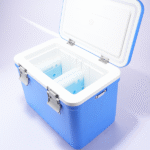
Tempk is a leader in سلسلة التبريد حلول التعبئة والتغليف, عرض الصناديق المعزولة, حزم الجليد وأغطية حرارية مخصصة للطعام, الأدوية والمنتجات الأخرى الحساسة للحرارة. نحن نعطي الأولوية للبحث والتطوير, ضمان الجودة والاستدامة, توفير خيارات التعبئة والتغليف القابلة لإعادة الاستخدام وإعادة التدوير والمبردات الصديقة للبيئة. من خلال التصميم المبتكر والالتزام بنجاح العملاء, نحن نمكن العملاء من حماية منتجاتهم, تقليل النفايات وتحقيق الامتثال في بيئة سلسلة التبريد الحديثة.
Our experts are ready to provide a personalised assessment and help you select the best حلول سلسلة التبريد for your meat operation.