يعد الحفاظ على المأكولات البحرية طازجة من الصيد إلى الاستهلاك تحديًا كبيرًا. مراقبة سلسلة التبريد للمأكولات البحرية يتطلب التحكم المستمر في درجة الحرارة, تغليف معزول موثوق به ورؤية حقيقية. في 2025, يطالب العملاء بجودة أفضل ويتوقع المنظمون الامتثال الكامل, حتى الآن صناديق تبريد وحدها لا يمكن أن تحل كل مشكلة. Recent studies show that the global سلسلة التبريد market is worth 436.3 مليار دولار أمريكي 2025 ويمكن أن تصل 1.3 تريليون دولار أمريكي 2034, بينما منظمة الأغذية والزراعة (المنظمة) يحذر من ذلك about 35 % of seafood is wasted due to poor postharvest handling and سلسلة التبريد failures. يساعدك هذا الدليل على فهم التقنيات, التعبئة والتغليف والممارسات التي تحتاجها لحماية المأكولات البحرية وسمعتك.

لماذا تعتبر مراقبة سلسلة التبريد للمأكولات البحرية أمرًا بالغ الأهمية في 2025? نوضح التحديات الفريدة لسلاسل توريد الأسماك ونوضح كيف تعمل أجهزة الاستشعار والتعبئة المعزولة على تخفيف التلف.
ما هي أنواع صناديق التبريد والمواد العازلة التي يجب عليك استخدامها؟? تعرف على EPS, الألواح المعزولة EPP والفراغ (كبار الشخصيات) وكيف يحافظون على درجات حرارة آمنة أثناء النقل.
كيف إنترنت الأشياء, تعمل أجهزة تسجيل البيانات وأجهزة تعقب نظام تحديد المواقع (GPS) معًا? We break down modern سلسلة التبريد monitoring solutions, من مسجلات بيانات درجة الحرارة إلى المبردات الذكية.
أيّ 2025 تؤثر اتجاهات السوق واللوائح على لوجستيات المأكولات البحرية? استكشاف توقعات النمو, الرؤى الإقليمية واعتبارات الاستدامة.
كيف يمكنك تحسين عملياتك اليوم? اتبع النصائح خطوة بخطوة, التقييمات الذاتية والأسئلة الشائعة التي ترشدك نحو جودة أفضل, الامتثال وثقة العملاء.
Why سلسلة التبريد monitoring of seafood matters in 2025
الأسباب الحاسمة للرصد
الأسماك الطازجة تفسد بسرعة. دون تقشعر لها الأبدان في الوقت المناسب, يتسارع نمو الميكروبات, مما يؤدي إلى فقدان الجودة والمخاطر الصحية المحتملة. وذكرت منظمة الأغذية والزراعة أن approximately 35 % of all seafood is wasted globally due to inefficient postharvest handling and سلسلة التبريد failures. مع ارتفاع توقعات المستهلكين واللوائح الأكثر صرامة, هذا المستوى من النفايات غير مستدام.
تؤدي أعطال سلسلة التبريد إلى تآكل الثقة والإيرادات. عندما تحدث رحلات درجة الحرارة أثناء النقل أو التخزين, يمكن رفض الشحنات بأكملها, مما يؤدي إلى خسارة المبيعات, مطالبات التأمين والأضرار التي لحقت بسمعة العلامة التجارية. غالبًا ما تؤخر السجلات اليدوية التقليدية وأنظمة البيانات المنعزلة اكتشاف المشكلات.
الامتثال غير قابل للتفاوض. المعايير العالمية مثل تحليل المخاطر ونقاط التحكم الحرجة (تحليل المخاطر ونقاط المراقبة الحرجة), قانون تحديث سلامة الأغذية (FSMA) وتتطلب المبادئ التوجيهية الإقليمية المختلفة التحكم الموثق في درجة الحرارة وإمكانية التتبع. تعمل المراقبة الآلية على تبسيط عمليات التدقيق وتقليل مخاطر العقوبات.
عواقب سوء المراقبة
When سلسلة التبريد monitoring of seafood fails, يمكن أن تتراوح العواقب من هدر الطعام إلى حالات الطوارئ المتعلقة بالصحة العامة. يؤدي التلف إلى ارتفاع التكاليف وانبعاثات الكربون لأن الأسماك المهدرة قد تسببت بالفعل في الصيد, موارد المعالجة والنقل. علاوة على ذلك, قد يؤدي الفشل في تلبية متطلبات درجة الحرارة إلى حدوث انتهاكات تنظيمية, سحب المنتجات والمسؤوليات القانونية. إن الاستثمار في أنظمة مراقبة قوية أرخص من المخاطرة بتشويه السمعة أو الاسترجاع المكلف.
تحديات سلسلة توريد الأسماك
تتضمن الرحلة من البحر إلى الجرف مراحل متعددة:
التعامل على متن الطائرة: يجب تبريد الأسماك مباشرة بعد اصطيادها لمنع نمو الميكروبات.
الهبوط والمعالجة المسبقة: يمكن أن يؤدي التأخير في الرصيف أو أثناء النقل إلى تسريع التلف.
مستودعات التخزين البارد: يؤدي ضعف التراص أو قيود تدفق الهواء إلى إنشاء جيوب ساخنة.
النقل المبرد: تحتاج الشاحنات والحاويات إلى التبريد المسبق, تدفق الهواء الصحيح والتتبع الحقيقي.
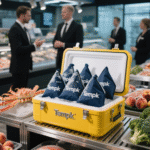
عرض البيع بالتجزئة: يجب أن تحافظ عدادات العرض على ظروف أقل من 2 درجة مئوية لضمان مدة الصلاحية والسلامة.
في كل نقطة انتقالية هناك خطر حدوث تغيرات في درجات الحرارة, سوء التعامل أو فشل المعدات. المراقبة في الوقت الحقيقي والتعبئة المناسبة تقلل من تلك المخاطر.
أنواع صناديق التبريد والمواد العازلة
اختيار صندوق التبريد المناسب للمأكولات البحرية
Cooler boxes are the backbone of passive سلسلة التبريد protection. لكن, لا تعمل جميع الصناديق على قدم المساواة. وتشمل المواد المشتركة موسع البوليسترين (EPS) رغوة, موسع البولي بروبيلين (إي بي بي) رغوة و لوحات معزولة فراغ (كبار الشخصيات). ولكل منها مزايا وقيود:
الرغوة EPS: خفيفة الوزن وبأسعار معقولة, صناديق EPS مناسبة لأوقات العبور القصيرة (تصل إلى 24 ساعة). يسهل التعامل معها وتوفر عزلًا معتدلًا ولكنها أقل متانة وليست مثالية للاستخدام المتكرر.
رغوة EPP: عروض EPP عزل ومتانة أفضل, الحفاظ على درجات حرارة آمنة لمدة 48-72 ساعة. صناديق إي بي بي يمكن إعادة استخدامها, تحمل التعامل القاسي والعزل 20 % أفضل من ربحية السهم التقليدية. كما أنها قابلة لإعادة التدوير في مرافق متخصصة.
ألواح معزولة بالفراغ (كبار الشخصيات): تقوم الشخصيات المهمة بإزالة الهواء بين الألواح, خلق قيم R عالية. أنها توفر الحاجز الأكثر فعالية ضد انتقال الحرارة. الشخصيات المهمة مكلفة ولكنها مثالية لفترة طويلة, شحنات عالية القيمة أو متطلبات درجة حرارة فائقة الدقة.
بطانات الصندوق المعزولة: يمكن للبطانات المرنة تحويل الكراتين القياسية إلى صناديق باردة. إنها مفيدة لعمليات التسليم الأخيرة ولكنها توفر عزلًا أقل من المبردات المخصصة.
يعتمد الاختيار الصحيح على نطاق درجة حرارة منتجك, مدة العبور والميزانية. لشحنات المأكولات البحرية لمدة أطول من 24 ساعة, إي بي أو صناديق VIP يوصى بها بسبب عزلها الفائق ومتانتها.
السلبي مقابل. التبريد النشط
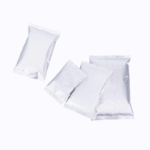
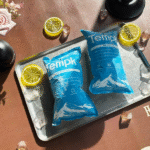
تعتمد صناديق التبريد السلبية على العزل والمبردات للحفاظ على درجة الحرارة, بينما تستخدم الأنظمة النشطة وحدات تبريد تعمل بالطاقة. الأنظمة السلبية توفر البساطة وسهولة الحمل; فهي لا تحتاج إلى كهرباء ولا تحتوي على مكونات ميكانيكية, تقليل الصيانة. لكن, يعتمدون عليها حزم الجليد, حزم هلام أو الجليد الجاف لتوفير البرد. عبوات الجل تحافظ على برودة البضائع المبردة (0-10 درجة مئوية) لمدة تصل إلى 72 ساعة, بينما يحافظ الثلج الجاف على المنتجات المجمدة في درجة حرارة أقل من -18 درجة مئوية لمدة تصل إلى 48 ساعة. مواد تغيير الطور (PCMS) توفر تحكمًا دقيقًا في درجة الحرارة عن طريق التغيير من الحالة الصلبة إلى السائل عند درجات حرارة محددة.
صناديق تبريد نشطة- مثل المبردات الكهربائية المحمولة أو الحاويات المبردة - توفر تحكمًا أطول في درجة الحرارة وهي الأفضل للرحلات الطويلة أو الشحنات الكبيرة. أنها تتطلب القوة (عربة, البطارية أو الطاقة الشمسية) وتشمل ضواغط التبريد وأجهزة تنظيم الحرارة. تعتبر الأنظمة النشطة مكلفة ولكنها توفر تنظيمًا مستمرًا لدرجة الحرارة دون الاعتماد فقط على المبردات.
ميزات التصميم التي تهم
صندوق التبريد عالي الجودة هو أكثر من مجرد عزل. وفقًا لمواصفات صندوق السمك الخاص بشركة SmaK Plastics, تشمل الميزات التي تعزز الأداء:
دخول شوكة / منصة نقالة في اتجاهين لسهولة التعامل والتكديس.
هيكل من البولي إيثيلين مع عزل من البولي يوريثين توفير ما يصل إلى العزل R28.
أغطية محكمة الغلق و المزالج المطاطية قطعة واحدة للتقليل من ارتفاع درجات الحرارة.
وسادات تآكل مطاطية قابلة للاستبدال و تنظيف سهل باستخدام البخار أو الغسيل بالضغط.
ميزات راحة للتكديس و 2منافذ الصرف بوصة لسهولة إزالة ذوبان الجليد.
عند اختيار صندوق تبريد, ابحث عن عناصر التصميم هذه مع مادة العزل المناسبة. إنها تضمن أن تتحمل الصناديق الخاصة بك الاستخدام المتكرر وتحميها من التسربات أو التلوث.
مقارنة المواد العازلة
| مادة | أداء العزل | متانة | إعادة الاستخدام | فائدة العالم الحقيقي |
| الرغوة EPS | جيد للرحلات القصيرة (ما يصل إلى 24 ساعة) | متوسط | استخدام واحد (غالباً) | منخفضة التكلفة وخفيفة الوزن; مثالية لعمليات التسليم المحلية أو أخذ العينات. |
| رغوة EPP | جيد جدًا; يحتفظ بالبرد لمدة 48-72 ساعة | مرتفع | 100+ إعادة الاستخدام | قوي, خيار قابل لإعادة الاستخدام لشحنات المأكولات البحرية عبر البلاد; 20 عزل أفضل بنسبة % من EPS. |
| الورق/الألياف | عزل جيد لمدة تصل إلى 48 ساعة | متوسط | إعادة الاستخدام الفردي أو المحدود | صديقة للبيئة وقابلة لإعادة التدوير; مثالية لاستراتيجيات التعبئة والتغليف المستدامة. |
| لوحات معزولة فراغ (كبار الشخصيات) | ممتاز; قيمة R عالية | ارتفاع معتدل | قابلة لإعادة الاستخدام | حل ممتاز للمنتجات عالية القيمة التي تتطلب تحكمًا دقيقًا في درجة الحرارة; الألواح الرقيقة توفر المساحة. |
Modern سلسلة التبريد monitoring technologies
مسجلات بيانات درجة الحرارة والرطوبة
مسجلات البيانات عبارة عن أجهزة مدمجة تسجل درجة الحرارة والرطوبة بشكل مستمر. يتم وضعها داخل صناديق التبريد, مرافق التخزين أو المركبات. المزايا: القدرة على تحمل التكاليف, سهولة النشر والسجلات التاريخية الموثوقة. عيوب: تتطلب معظم النماذج استرجاع البيانات يدويًا; أنها لا توفر تنبيهات في الوقت الحقيقي. تشمل الأمثلة الشائعة Testo 184, Elitech RC5 وSensitech TempTale.
أجهزة الاستشعار اللاسلكية وأجهزة تتبع نظام تحديد المواقع (GPS) القائمة على إنترنت الأشياء
تقوم أجهزة استشعار إنترنت الأشياء بنقل بيانات درجة الحرارة والموقع في الوقت الفعلي عبر شبكة WiFi, الشبكات الخلوية أو LoRaWAN. يقومون بأتمتة التنبيهات عند تجاوز الحدود, تمكين الإجراء التصحيحي الفوري. عندما يقترن مع أجهزة تعقب GPS, يمكن للشركات مراقبة درجة الحرارة وموقع الشحنات. تشمل الفوائد الرؤية الشاملة, الصيانة التنبؤية وتحسين المسار. سلبيات: ارتفاع التكلفة والاعتماد على الاتصال بالشبكة.
أجهزة استشعار RFID وBLE
أجهزة استشعار درجة الحرارة RFID تضمين تكنولوجيا الاستشعار في العلامات المرفقة بالمنصات أو العبوات. تقوم قارئات RFID بمسح العلامات تلقائيًا أثناء تحرك الشحنات عبر نقاط التفتيش, تقليل الأخطاء اليدوية. إنها توفر المسح الشامل وجمع البيانات تلقائيًا ولكنها تتطلب وضعًا استراتيجيًا للقراء ويمكن أن تتأثر بالمعادن أو السوائل. بلوتوث منخفض الطاقة (بليه) أجهزة استشعار فعالة من حيث التكلفة للمراقبة قصيرة المدى في المستودعات أو المركبات; ينقلون البيانات إلى الهواتف أو البوابات القريبة. تستهلك أجهزة استشعار بليه طاقة قليلة ولكن نطاقها محدود.
الحاويات المبردة الذكية (الشعاب المرجانية) والمنصات السحابية
تستخدم الحاويات المبردة التبريد المدمج لتنظيم درجة حرارتها الداخلية ذاتيًا. إنها مثالية للشحنات الطويلة أو ذات الحجم الكبير من المأكولات البحرية, الأدوية والأطعمة المجمدة. تقوم المنصات السحابية بجمع البيانات من أجهزة الاستشعار, علامات RFID وأجهزة تعقب GPS, توفير لوحة معلومات مركزية للتحليل والامتثال. تقدم شركات مثل Controlant وTive حلولاً سحابية متكاملة.
الذكاء الاصطناعي والتحليلات التنبؤية
Artificial intelligence transforms سلسلة التبريد monitoring by predicting equipment failures, تحسين الطرق والتنبؤ بالطلب. يقوم الذكاء الاصطناعي بتحليل بيانات المستشعر لتحديد موعد الصيانة قبل تعطل الثلاجة, تقليل التلف وتكاليف التشغيل. StartUs Insights notes that the سلسلة التبريد industry added أكثر من 26800 موظف جديد وقدمت أكثر من 2800 براءة اختراع حديثاً, مما يشير إلى وجود نظام بيئي قوي للابتكار.
مقارنة حلول المراقبة
| حل | في الوقت الحالى? | تكلفة النشر | أفضل حالة استخدام | الوجبات السريعة الخاصة بك |
| مسجلي البيانات | لا (البيانات المستردة بعد العبور) | قليل | السجلات التاريخية وعمليات التدقيق التنظيمية | جيد للتحقق من الامتثال ولكن لا يمكنه منع التلف أثناء النقل. |
| مستشعرات إنترنت الأشياء + نظام تحديد المواقع | نعم | متوسطة - عالية | الرحلات الطويلة والشحنات ذات القيمة العالية | يوفر التنبيهات في الوقت الحقيقي وبيانات الموقع, تمكين الاستجابة الفورية وتحسين المسار. |
| أجهزة استشعار RFID | شبه حقيقي (تم فحصها عند نقاط التفتيش) | واسطة | مراكز المستودعات والتوزيع | أتمتة مسح المخزون ودرجة الحرارة; مثالية للمرافق ذات الحجم الكبير. |
| أجهزة استشعار بليه | نعم, ضمن نطاق قصير | قليل | التجزئة والتسليم المحلي | طاقة منخفضة وبأسعار معقولة; النطاق المحدود يتطلب القرب من البوابات. |
| المبردات الذكية | نعم | مرتفع | الشحن البحري والكميات الكبيرة | التبريد الذاتي; كثيفة الاستخدام للطاقة ولكنها ضرورية للنقل الممتد. |
دمج صناديق التبريد مع أنظمة المراقبة
لماذا الصناديق المبردة وحدها ليست كافية؟
بينما توفر صناديق التبريد عالية الجودة عزلًا سلبيًا ممتازًا, لا يمكنهم منع أو اكتشاف الانحرافات في درجات الحرارة بأنفسهم. على سبيل المثال, يمكن أن تؤدي الصناديق المتراكبة إلى منع تدفق الهواء وإنشاء "جيوب ساخنة" حتى في شاحنة مبردة. بدون أجهزة استشعار, لن تعرف حتى وصول الشحنة. على نفس المنوال, إذا تعطلت المركبة أو تأخرت, قد يذوب المبرد قبل الوصول. يؤدي دمج صناديق التبريد مع المراقبة في الوقت الفعلي إلى منع هذه المشكلات عن طريق إرسال تنبيهات عند تغير الظروف.
الجمع بين العزل والتكنولوجيا
An effective seafood سلسلة التبريد blends passive and active strategies:
التحقق من صحة التبريد المسبق: استخدم أجهزة الاستشعار للتحقق من أن الشاحنات والمبردات في درجة الحرارة المناسبة قبل بدء التحميل.
تحميل وتكديس بشكل صحيح: تساعد البيانات الواردة من أجهزة الاستشعار على اكتشاف تدفق الهواء المسدود أو التبريد غير المتساوي.
تنبيهات في الوقت الحقيقي: ترسل أنظمة إنترنت الأشياء إشعارات عندما تتجاوز درجات الحرارة الحدود الآمنة, تمكين السائقين أو موظفي المستودعات من التدخل.
تقارير الامتثال الآلي: تعمل منصات إنترنت الأشياء على إنشاء تقارير HACCP وتقارير الامتثال الأخرى تلقائيًا.
أدوات اتخاذ القرار مفيدة
تحقق من التفاصيل قبل اختيار التغليف
يمكن أن تساعدك هذه الأدوات السريعة في مقارنة مخاطر المسار, احتياجات التحجيم, خيارات المبرد, وتفاصيل التعبئة والتغليف قبل أن تطلب عرض أسعار.
أداة تقييم مخاطر المسار
قم بمراجعة ظروف المسار قبل اختيار التغليف لمتطلبات التشغيل الحقيقية.
فحص مخاطر المسارسائل التبريد & مرجع PCM
قارن خيارات سائل التبريد وPCM عندما يحتاج المسار إلى دعم إضافي لدرجة الحرارة.
قارن الخياراتمقاومة سقوط المواد العازلة
مراجعة مقاومة السقوط وعوامل المناولة قبل اختيار المواد العازلة.
تحقق من المقاومةالتحليلات التنبؤية: يتنبأ الذكاء الاصطناعي بفشل المعدات أو التأخير المحتمل في المسار, السماح بالصيانة الوقائية وإعادة التوجيه.
عن طريق الاقتران صناديق تبريد رغوة EPP مع مستشعرات إنترنت الأشياء, يمكنك تحقيق نظام قوي يحافظ على درجة الحرارة أثناء النقل ويوفر الرؤية اللازمة للاستجابة بسرعة. والنتيجة هي تقليل التلف, انخفاض مطالبات التأمين وزيادة رضا العملاء.
نصائح وإرشادات عملية
سيناريو: شحن المأكولات البحرية المجمدة في جميع أنحاء البلاد (48 ساعات)
حدد مربعات EPP أو VIP لعزل فائق; تأكد من أن الصناديق بالحجم المناسب لشحنتك لتقليل المساحة الفارغة.
استخدم الجليد الجاف أو مواد تغيير الطور مصممة لظروف -20 درجة مئوية; حساب وزن المبرد على أساس وزن المنتج ودرجات الحرارة المحيطة.
تثبيت مسجلات البيانات وأجهزة استشعار إنترنت الأشياء داخل المبرد لتتبع درجة الحرارة والرطوبة. اختر أجهزة استشعار مزودة باتصال GSM للتنبيهات في الوقت الفعلي أثناء النقل.
قم بتبريد الشاحنة مسبقًا والتحقق من درجة الحرارة باستخدام أجهزة الاستشعار قبل التحميل.
خطة الطريق والطوارئ: استخدم برنامج اللوجستيات المدعم بالذكاء الاصطناعي لتحسين المسارات, النظر في حركة المرور والطقس, ويتوقف الجدول الزمني حيث يمكنك إعادة تعبئة الثلج الجاف إذا لزم الأمر.
سيناريو: توصيل الأسماك الطازجة للمطاعم (نفس اليوم)
استخدم قابلة لإعادة الاستخدام صناديق برودة EPP مع عبوات هلام; فهي خفيفة الوزن, سهل التنظيف ويوفر عزلًا أفضل بنسبة 20% من EPS.
قم بتوصيل أجهزة استشعار BLE أو RFID للمراقبة قصيرة المدى; يمكن للسائقين استخدام الهواتف الذكية أو أجهزة القراءة المحمولة للتحقق من الظروف عند التسليم.
حافظ على درجة حرارة مبردات العرض أقل من 2 درجة مئوية في المطعم; يمكن لأجهزة الاستشعار تنبيه الطهاة إذا انحرفت وحدات العرض عن درجات الحرارة الآمنة.
تثقيف الموظفين على نقل الأسماك بسرعة من المبردات إلى التبريد لتجنب ارتفاع درجات الحرارة غير الضرورية.
سيناريو: تصدير المأكولات البحرية إلى الخارج عبر الحاويات المبردة
اختر الحاويات المبردة الذكية التي تنظم درجة الحرارة ذاتيًا وتتكامل مع منصات المراقبة السحابية.
التحقق من البرنامج المساعد وإمدادات الطاقة في كل ميناء; سوف تنبهك أجهزة الاستشعار عن بعد إذا انفصلت الحاوية عن شبكة الكهرباء.
تتبع الموقع والبيانات البيئية باستخدام أجهزة استشعار GPS وإنترنت الأشياء, تمكين تحسين المسار وتحديثات الحالة في الوقت الحقيقي.
ضمان الامتثال مع لوائح سلامة الأغذية في بلد المقصد; التقارير الآلية تبسط عمليات التفتيش الجمركي.
مثال حالة حقيقية: أ 2024 تسلط دراسة الحالة التي أجرتها شركة CJ Logistics America الضوء على كيفية استخدام منشأة جديدة للتخزين البارد بالقرب من مدينة كانساس سيتي للأنظمة الآلية, التبريد الموفر للطاقة ومراقبة إنترنت الأشياء لضمان الامتثال. من خلال دمج الذكاء الاصطناعي وإنترنت الأشياء, the facility reduces energy consumption and prevents temperature excursions—demonstrating how cuttingedge infrastructure supports modern سلسلة التبريدs.
2025 اتجاهات السوق والتطورات
النمو والتوقعات
The سلسلة التبريد sector continues to expand rapidly:
نمو السوق العالمية: Precedence Research estimates that the سلسلة التبريد market will grow from 436.30 مليار دولار أمريكي 2025 إلى 1,359.78 مليار دولار أمريكي بحلول 2034 (معدل نمو سنوي مركب 13.46%). تشير تقارير StartUs Insights إلى نمو من 454.48 مليار دولار أمريكي 2025 إلى 776.01 مليار دولار أمريكي 2029.
الديناميات الإقليمية: من المتوقع أن تنمو منطقة آسيا والمحيط الهادئ بأعلى معدل نمو سنوي مركب (~14.3%) بين 2025 و 2034. في أمريكا اللاتينية, تؤدي الصادرات المتزايدة من المنتجات الطازجة والمأكولات البحرية إلى دفع الاستثمار في الطاقة المتجددة ومراقبة إنترنت الأشياء. تواجه أوروبا شيخوخة البنية التحتية للتخزين البارد وتستثمر في التحديث والاستدامة.
هيمنة الأجهزة: تم تعليق قطاع الأجهزة 76 ٪ سوق تتبع سلسلة التبريد في 2022, مما يؤكد أهمية الاستثمار في المعدات عالية الجودة (صناديق تبريد, أجهزة استشعار, الشعاب المرجانية).
طفرة الابتكار: The سلسلة التبريد industry filed more than 2 800 براءة اختراع وأضاف 26 800 موظف في العام الماضي, مما يشير إلى التقدم التكنولوجي السريع ونمو الوظائف.
الاستدامة وكفاءة الطاقة
مع ارتفاع أسعار الكهرباء, الشركات تتبنى التبريد بالطاقة الشمسية و مستودعات موفرة للطاقة. أسعار الطاقة الشمسية التجارية في الولايات المتحدة. تتراوح من 3.2– 15.5 سنتًا لكل كيلوواط ساعة مقارنة بمتوسط معدل فائدة قدره 13.10 سنتا لكل كيلوواط ساعة في 2024. إن استخدام الألواح الشمسية لتشغيل المستودعات والشاحنات المبردة يقلل من تكاليف التشغيل والبصمة الكربونية. خفيف الوزن, تدعم الأغلفة الحرارية القابلة للتحلل الحيوي والكمادات الباردة القابلة لإعادة الاستخدام أهداف الاستدامة.
المشهد التنظيمي
Regulators worldwide are strengthening سلسلة التبريد requirements. على سبيل المثال, الولايات المتحدة. الحكومة خطة تنفيذ الاستراتيجية الوطنية للأمن السيبراني (مايو 2024) emphasizes securing food and pharmaceutical سلسلة التبريدs. وهذا يعني أنه يجب على الشركات الاستثمار في الأمن السيبراني لأنظمة إنترنت الأشياء, ضمان سلامة البيانات والامتثال لممارسات التوزيع الجيدة (الناتج المحلي الإجمالي), معايير HACCP وISO. تكتسب تقنية Blockchain أيضًا قوة جذب لإنشاء سجلات مقاومة للتلاعب ببيانات درجة الحرارة والموقع.
تجزئة السوق
في 2024, ال الألبان والحلويات المجمدة استحوذ القطاع على الحصة الأكبر (36.10 ٪) of سلسلة التبريد applications. تم تقييم مرافق التبريد المسبق بـ 204.4 مليار دولار أمريكي. من المتوقع أن تنمو مطاعم الخدمة السريعة في الهند 20-25% في المالية 2024, تعزيز الطلب على الخدمات اللوجستية المبردة. يتطلب التوسع في علاجات الخلايا والجينات في قطاع علوم الحياة درجات حرارة منخفضة للغاية وأنظمة قوية للتتبع.
الأسئلة الشائعة & إجابات
ما هي مراقبة سلسلة التبريد لإنترنت الأشياء؟? إنه نظام يستخدم أجهزة استشعار متصلة لتتبع درجة الحرارة, الرطوبة والموقع في الوقت الحقيقي لمنع التلف.
لماذا تعتبر إدارة سلسلة التبريد الذكية مهمة للمأكولات البحرية? ويضمن نضارة, يقلل من النفايات ويحافظ على سلامة الأغذية أثناء النقل, عرض التخزين والتجزئة.
كيف تقلل إنترنت الأشياء من تلف المأكولات البحرية؟? عن طريق إرسال تنبيهات فورية عندما تتجاوز درجات الحرارة الحدود الآمنة, تمكين الإجراءات التصحيحية السريعة قبل أن تتدهور المنتجات.
هل يمكن لإنترنت الأشياء المساعدة في إعداد تقارير الامتثال؟? نعم. تعمل الأنظمة الآلية على إنشاء تقارير HACCP وتقارير الامتثال الأخرى بشكل فوري لعمليات التدقيق.
ما الفرق بين صناديق التبريد EPP وEPS؟? يوفر EPP حوالي 20 % عزل أفضل من EPS, أكثر متانة ويمكن إعادة استخدامها أكثر من ذلك 100 مرات. يعتبر EPS أرخص ومناسب للرحلات القصيرة ولكن غالبًا ما يكون للاستخدام الفردي.
كيف أختار المبرد المناسب؟? استخدم عبوات الجل للمنتجات المبردة, الثلج الجاف للمنتجات المجمدة والمواد المتغيرة الطور للتحكم الدقيق في درجة الحرارة. قم بمطابقة كمية غاز التبريد مع وزن المنتج, وقت العبور ودرجة الحرارة المحيطة.
ملخص & التوصيات
الوجبات الرئيسية
التحكم في درجة الحرارة غير قابل للتفاوض: الأسماك تفسد بسرعة, و 35 % of seafood is wasted due to سلسلة التبريد failures.
صناديق التبريد عالية الجودة مهمة: قابلة لإعادة الاستخدام إي بي بي صناديق الرغوة يمد 20 % عزل أفضل والبقاء على قيد الحياة 100+ رحلات, بينما كبار الشخصيات توفير حماية متميزة للشحنات ذات القيمة العالية.
ويجب أن تكون تكنولوجيا المراقبة متكاملة: الجمع مستشعرات إنترنت الأشياء, أجهزة تعقب GPS والذكاء الاصطناعي يوفر الرؤية في الوقت الحقيقي, الصيانة التنبؤية والامتثال الآلي.
2025 الاتجاهات لصالح الاستثمار: The global سلسلة التبريد market is growing at doubledigit rates, والاستثمار في الأجهزة (أجهزة استشعار, صناديق, الشعاب المرجانية) يهيمن.
تعتبر الاستدامة والأمن السيبراني من الأولويات: الطاقة الشمسية, أصبحت التعبئة والتغليف القابلة للتحلل الحيوي وإمكانية تتبع blockchain أمرًا ضروريًا.
الخطوات التالية القابلة للتنفيذ
تقييم احتياجاتك: حدد نطاق درجة حرارة منتجك ومدة النقل المطلوبة. استخدم أداة التقييم الذاتي: هل تقومون بشحن المأكولات البحرية المبردة أو المجمدة? ما مدى أهمية المراقبة في الوقت الحقيقي? هل تحتاج التوزيع المحلي أو الدولي?
اختر صندوق التبريد المناسب: للرحلات أقل من 24 ساعة, قد يكون EPS كافيا; لمسافات أطول أو استخدامات متعددة, استثمر في مبردات EPP أو VIP. تأكد من أن الصناديق لها أغطية محكمة الغلق, منافذ الصرف الصحي وميزات التعامل مع الرافعة الشوكية.
تنفيذ المراقبة: ابدأ بمسجلي البيانات للسجلات التاريخية, ثم قم بإضافة أجهزة استشعار إنترنت الأشياء وأجهزة تتبع نظام تحديد المواقع العالمي (GPS) للرؤية في الوقت الفعلي. دمج البيانات في منصة سحابية للتحليل وتقارير الامتثال.
تدريب فريقك: وضع إجراءات التشغيل القياسية للتبريد المسبق, تحميل, التراص والتعامل معها. تثقيف الموظفين حول قراءة بيانات المستشعر والاستجابة للتنبيهات.
خطة للاستدامة: استكشف التبريد الذي يعمل بالطاقة الشمسية والتعبئة القابلة لإعادة الاستخدام لتقليل تكاليف الطاقة والأثر البيئي.
ابق على اطلاع: متابعة تقارير الصناعة والتحديثات التنظيمية. Invest in continuous improvement and consider partnerships with سلسلة التبريد specialists.
حول Tempk
Tempk هي شركة تعتمد على الأبحاث ومتخصصة في المواد القابلة لإعادة الاستخدام تغليف السلسلة الباردة الحلول وتكنولوجيا المراقبة. نقوم بتطوير صناديق تبريد رغوية EPP متينة التي توفر عزلًا فائقًا وتحملًا 100+ رحلات. منتجاتنا تشمل عبوات الجل, حزم الثلج الجاف, بطانات الصناديق المعزولة وأنظمة المراقبة الذكية. من خلال الجمع بين التغليف عالي الأداء مع أجهزة استشعار IoTenabled والمنصات السحابية, نحن نساعد العملاء على الحفاظ على سلامة درجة الحرارة, تقليل النفايات وتحقيق الامتثال. مع عقود من الخبرة في مجال الخدمات اللوجستية لسلسلة التبريد, نحن ملتزمون بالابتكار, حلول صديقة للبيئة تحمي منتجاتك والكوكب.
للحصول على نصائح شخصية حول تحسين سلسلة توريد المأكولات البحرية لديك, اتصل بالمتخصصين في Tempk. سنساعدك على اختيار صناديق التبريد المناسبة, المبردات وتقنيات المراقبة لحماية البضائع القابلة للتلف.