حزم العلاج البارد مقابل حزم هلام الشحن للسلع القابلة للتلف: كيفية اختيار العرض المناسب
ابدأ بالقرار الحقيقي
أذكى خطوة شراء هنا هي الانضباط الفئة. بمجرد فصل منتجات العلاج عن مبردات الشحن, تصبح بقية عملية الاختيار أكثر وضوحًا وأرخص بكثير.
يبدأ إطار القرار الأكثر موثوقية بالاستخدام المقصود. قم بتدوين المنتج المحمي, نطاق درجة الحرارة المستهدفة, طول الطريق أو مدة الاستخدام, والقيود التشغيلية. ثم قارن تنسيقات الحزم بهذه المتطلبات. هذا يبدو بسيطا, لكنه يمنع خطأ المصادر الأكثر شيوعًا: شراء منتج ذي مظهر مألوف قبل تحديد الوظيفة الحقيقية.
بعد ذلك, التحرك من خلال القرار في طبقات. الطبقة الأولى ملائمة للحرارة. الطبقة الثانية ملائمة تشغيلياً, بما في ذلك التخزين, تكييف, سرعة التعبئة, وتلقي الخبرة. الطبقة الثالثة هي التحكم بالموردين: الكثير من الاتساق, إدارة التغيير, والقدرة على دعم النمو. عندما يتخذ المشترون قرارات بهذا الترتيب, عادةً ما يحصلون على نتيجة أفضل مما كانوا عليه عندما بدأوا بمطالبات السعر أو البرد العامة.
حتى الحزمة الجيدة يمكن أن تفشل في النظام الخاطئ. سمك العزل, حجم المربع, كثافة الحمولة, مساحة فارغة, ووضع الحزمة كل تغيير النتيجة. في الطرق المنظمة أو الحساسة للغاية, يعتبر المبرد مكونًا واحدًا فقط من مجموعة أكبر يتم التحكم فيها. في برامج المستهلك أو البيع بالتجزئة, يمكن أن تكون تجربة المستخدم بعد الولادة مهمة بقدر أهمية اتجاه درجة الحرارة الداخلية.
ولهذا السبب يجب دائمًا مناقشة الحزمة مع بقية التصميم. إذا قمت بتغيير الكرتون, الخطوط الملاحية المنتظمة, عدد الوحدات, أو الطريقة التي يتم بها تكييف المنتج مسبقًا, ربما تكون قد غيرت الأداء. المشترون الذين يفهمون ملاءمة النظام مبكرًا ينفقون أموالًا أقل على إعادة الاختبار التي يمكن تجنبها لاحقًا.
إن الطريق الذي يبدو بسيطًا على الورق لا يزال من الممكن أن يمثل تحديًا لحزمة الهلام للسلع القابلة للتلف بمجرد دخولها إلى العالم الحقيقي. انطلاق الميل الأول, تعرض الميل الأخير, تأخير عطلة نهاية الأسبوع, توافر المتلقي, والمسامير المحيطة كل شيء يهم. إن مغادرة المستودع المبرد لا تمثل نفس المسار المحمي للتوصيل إلى المنازل, وتسليم العيادة ليس مثل رصيف الاستقبال في المستشفى أو غرفة التدريب الرياضي.
ولهذا السبب فإن رسم الخرائط التشغيلية مهم. يجب على المشترين أن يسألوا أين تقضي العبوة الوقت خارج الظروف الخاضعة للرقابة, كم من الوقت يبقى المنتج بعد التعبئة, ما إذا كان يتم فتح كرتون على الفور عند الاستلام, وماذا يحدث عندما يحدث خطأ ما. المزيد من متغيرات المسار التي يمكنك تحديدها, كلما قل احتمال الإفراط في شراء الكتلة, حماية أقل من اللازم, أو اختر صيغة تبدو فعالة من الناحية النظرية ولكنها تثير الشكاوى من الناحية العملية.
عندما يجمع المشترون هذا الإطار مع قائمة مختصرة وتجربة منضبطة, عادةً ما ينتهي بهم الأمر باختيار نهائي أفضل من أي مقال واحد, صفحة الكتالوج, أو يمكن أن توفر مراجعة العينة من تلقاء نفسها.
إطار عمل واضح لاختيار الحزمة المناسبة
إن مقارنة التنسيقات أكثر فائدة من مقارنة الشعارات. يمكن أن تشتمل حزمة الجل المخصصة لمجموعة السلع القابلة للتلف على حزم علاجية متوافقة مع الجسم, أكياس الشحن, الحصير هلام المغطاة, والطوب الصلب, ويغير كل تنسيق سلوك التعبئة. تعمل العبوات المسطحة أو المغطاة غالبًا على تحسين سرعة التعبئة وطبقتها بشكل أنيق على الكراتين أو البطانات. يمكن أن تلتف العبوات على شكل وسادة حول المنتجات وتملأ الفراغات بشكل طبيعي أكثر. تحافظ الكتل الصلبة على شكلها ويمكن أن يكون من الأسهل وضعها بشكل متوقع, لكنها تستهلك مساحة أكبر للتجميد وقد تكون أقل تسامحًا مع الحمولات غير المنتظمة.
وبالتالي فإن طريقة المقارنة الصحيحة خاصة بالوظيفة. اسأل عن التنسيق الذي يعمل مع بصمة الكرتون الحالية لديك, أيهما يخزن بكفاءة في الفريزر الخاص بك, أيهما يقلل من ارتباك الباكر, وأيهما يحد من الضرر أو خطر التسرب. قد لا تكون الإجابة الأفضل هي الإجابة ذات المظهر البارد الأكثر عدوانية. قد يكون هو الشيء الذي يستطيع فريقك تكييفه, تعريف, واستخدامها بشكل صحيح كل يوم.
كيف يعمل المنتج داخل نظام كامل
مبدأ العمل بسيط, ولكن قرار الشراء ليس كذلك. تمتص عبوة الجل المخصصة للسلع القابلة للتلف الحرارة أثناء تجميدها أو تكييفها ثم تطلق الطاقة المخزنة تدريجيًا. تعتمد سرعة حدوث ذلك على كتلة العبوة, شكل ومساحة العبوة, العزل المحيط, ومقدار الوقت الذي تظل فيه الحمولة معرضة للحرارة المحيطة.
عادةً ما تتجمد عبوات الجل ذات الأساس المائي عند النقطة التي يتجمد فيها الماء, مما يجعلها عملية واقتصادية للعديد من وظائف سلسلة التبريد العامة. بوليمر فائق الامتصاص, غالبًا ما يتم اختصاره كـ SAP, يستخدم عادة لتحويل مرحلة الماء إلى مصفوفة هلامية. يساعد ذلك على مقاومة حركة السوائل الحرة عند الضغط على الحقيبة. في برامج أكثر تطلبا, أو عندما يجب حماية المنتجات الحساسة للتجميد, يمكن للمشترين أيضًا التفكير في مواد تغيير الطور. يمكن تصميم العبوات المعتمدة على PCM بحيث تذوب وتتصلب بالقرب من النطاق المستهدف بحيث تطلق البرودة بلطف أكثر من المبردات القياسية المعتمدة على الماء المجمد.
وهذا هو السبب في أن التكييف مهم بقدر أهمية الكيمياء. لا يحتاج المشتري إلى عبوة تشعر بالبرد في الثلاجة. يحتاج المشتري إلى عبوة تدخل في خطوة الشحن أو الاستخدام بالحالة الحرارية الصحيحة. إذا كان ينبغي أن يبقى المنتج مبرداً بدلاً من تجميده, قد تؤدي العبوة ذات الأساس المائي المجمد بالكامل إلى حدوث تبريد زائد موضعي. إذا كان المسار يتضمن خطوات قصيرة مبردة ولكن تعرضًا طويلًا للميل الأخير, قد يكون من الضروري وجود حزمة أثقل أو عدد أكبر من العبوات. بعبارة أخرى, لا يمكن أبدًا الحكم على المجموعة بمفردها; يجب أن يتم الحكم عليه داخل المسار وعملية المناولة التي تهم بالفعل.
مادة, جودة, ونقاط الامتثال التي لا ينبغي تخطيها
من منظور المواد, معظم السائبة عبوات باردة مبنية على أنظمة تعبئة مائية محكمة الغلق داخل هياكل أكياس متعددة الطبقات. يجب على المشترين التركيز على بنية الحزمة بأكملها: صيغة ملء, بناء الفيلم, تصميم التماس, والتكييف الموصى به. لا تؤثر هذه التفاصيل على السلوك الحراري فحسب، بل تؤثر أيضًا على مقاومة التسرب, كفاءة التخزين, واتساق العبوة.
لبرامج وجبات الطعام, ويبدأ الامتثال بنتائج سلامة الأغذية بدلاً من الشعارات الباردة. عادةً ما تخبر الإرشادات العامة لسلامة الأغذية المستهلكين بأن يتوقعوا وصول الأطعمة القابلة للتلف مجمدة, مجمدة جزئيا, أو في درجة حرارة الثلاجة, حوالي 40 درجة فهرنهايت أو أقل. لا يحدد هذا التوجيه نوع الحزمة العالمية. إنه يعزز أن النظام يجب أن يعمل في ظل المسار الفعلي وحالة الاستلام. نتيجة ل, يقوم المشترون المسؤولون بالتحقق من صحة بناء الكرتون الكامل, وليس المبرد وحده.
عبر كل هذه الفئات, وتغطي مناقشة فنية أقوى كيفية تصرف الحزمة في ظروف التشغيل الحقيقية: مدى سرعة تجميده, ما إذا كان يحتاج إلى هدأ, كيف يتفاعل تحت الضغط, ومدى تطابق الكمية النهائية مع العينة المعتمدة. يعد هذا النوع من العمق أكثر فائدة من قائمة طويلة من الادعاءات غير المدعومة.
تبدأ مراقبة الجودة بسلامة الختم. سوف تفشل الحقيبة التي تتسرب بغض النظر عن مدى جودة تصميمها الحراري على الورق. يجب على المشترين أن يسألوا كيف يتم تشكيل الأختام, ما هي اختبارات التسرب أو الانفجار المستخدمة, كيف يتم فحص مقاومة الثقب, وما هو تسامح التعبئة المقبول من الكثير إلى الكثير. في البرامج المتكررة, التغييرات الصغيرة في التغليف يمكن أن يكون لها تأثيرات تشغيلية كبيرة, خاصة عندما تكون القضية مهمة, مكعب, تخزين الفريزر, أو التعبئة الآلية متضمنة.
الجزء الآخر من مراقبة الجودة هو إدارة التغيير. غالبًا ما يفترض المشترون الكبار أن المواصفات المذكورة ستظل ثابتة, ولكن هذا ليس صحيحا دائما في الممارسة العملية. توريد الفيلم, عرض التماس, نسبة الملء, منطقة الطباعة, وحتى عدد الكراتين يمكن أن يتغير إذا لم تكن هناك عملية محددة للتحكم في التغيير. تتضمن العلاقة القوية مع الموردين إشعارًا مسبقًا, الاحتفاظ بالمواصفات الرئيسية, وطريقة لمقارنة المواد التجريبية بالإنتاج الكامل.
قائمة مرجعية عملية للموردين
يجب على المشترين بالجملة تحويل محادثات الموردين إلى تقييم منظم بدلاً من مناقشة المبيعات المفتوحة. الأسئلة الأكثر فائدة هي تلك التي تحدد الملاءمة قبل أن يصبح السعر هو الموضوع الوحيد.
ما إذا كان المقصود من التغليف هو المساعدة في وصول الطعام إلى درجة حرارة الثلاجة أو أقل في ظل ظروف الميل النهائي الواقعية.
أدوات اتخاذ القرار مفيدة
تحقق من التفاصيل قبل اختيار التغليف
يمكن أن تساعدك هذه الأدوات السريعة في مقارنة مخاطر المسار, احتياجات التحجيم, خيارات المبرد, وتفاصيل التعبئة والتغليف قبل أن تطلب عرض أسعار.
حاسبة الثلج الجاف
تقدير احتياجات الثلج الجاف للشحنات المجمدة أو شديدة البرودة قبل التعبئة.
تقدير الثلج الجافسائل التبريد & مرجع PCM
قارن خيارات سائل التبريد وPCM عندما يحتاج المسار إلى دعم إضافي لدرجة الحرارة.
قارن الخياراتأداة اختيار العبوة
قارن بين خيارات التغليف المعزولة حسب المنتج, طريق, ودرجة الحرارة اللازمة.
البحث عن التعبئة والتغليفكيف يوصي المورد بوضع المبردات بالنسبة للبروتينات, ينتج, ألبان, والصلصات داخل الصندوق.
سلوك التكثيف, احتواء التسرب, وما إذا كان السطح الخارجي مصممًا لتقليل شكاوى الكرتون الرطب.
تعليمات التخلص أو إعادة الاستخدام المناسبة للمستهلكين, خاصة إذا كانت العلامة التجارية تريد تجربة أنظف بعد التسليم.
تعديلات الحزمة الموسمية, لأن الممرات الصيف, الممرات الشتوية, ونادرا ما تؤدي مخاطر عطلة نهاية الأسبوع بنفس الطريقة.
الاتساق على نطاق واسع: ملف تعريف مسطح للتجميد, سهولة التعامل مع المستودعات, وأبعاد مجموعة إلى مجموعة موثوقة للتعبئة الآلية.
ما إذا كان المورد يمكنه دعم الاختيار الصحيح للفئة.
ما إذا كان المورد يمكنه دعم ملاءمة ملامسة الطعام عند الاقتضاء.
ما إذا كان المورد يمكنه دعم كفاءة التعبئة.
ما إذا كان المورد يستطيع دعم التكلفة لكل شحنة.
ما إذا كان المورد يستطيع دعم تلقي الاتساق.
كيفية وضع قائمة مختصرة للموردين قبل الالتزام
عادة ما يتم بناء القائمة المختصرة القوية حول ثلاثة أسئلة. أولاً, هل يستطيع المورد دعم التطبيق المقصود بأمانة بدلاً من فرض كل طلب على نفس حل المخزون? ثانية, يمكن للمورد شرح التكييف, ملائم, وسلوك التغليف باللغة العملية? ثالث, هل يستطيع المورد الحفاظ على استقرار المواصفات مع نمو البرنامج?
يجب على المشترين أيضًا البحث عن أدلة على الدعم التشغيلي. يتضمن ذلك أخذ عينات معقولة, حالة واضحة ومعلومات البليت, التتبع, والرغبة في تحديد ما يمكن التحكم فيه وما قد يختلف. غالبًا ما يعتمد المورد الأضعف على لغة وقت الانتظار العامة, نصيحة حجم غامضة, أو عينة تبدو جيدة فقط لأنها تم إعدادها في ظل ظروف مثالية.
خطة التنفيذ قبل التوسع الكامل
بمجرد قيامك بوضع قائمة مختصرة للمورد, وينبغي أن يتبع التنفيذ تسلسلاً منضبطًا. الموافقة على المواصفات كتابياً. التحقق من صحة طريقة التكييف التي سيستخدمها فريقك بالفعل. تشغيل تجريبي باستخدام الكرتون المقصود, العزل, حمولة, وافتراضات المسار. قم بمراجعة نتيجة الاستلام بنفس الطريقة التي سيختبرها بها الفريق الداخلي أو المستخدم النهائي. ثم قم بتأمين ضوابط إعادة الطلب حتى تظل العقود المستقبلية ضمن النطاق المعتمد.
إذا كان البرنامج ينمو, قم بتحديث النظام قبل أن تجبرك المشاكل على ذلك. أحجام الصناديق الجديدة, الممرات الأكثر سخونة, أوقات أطول يسكن, أو التغيير من مخزون المخزون إلى الطباعة المخصصة يمكن أن يؤدي إلى تغيير النتيجة. عادةً ما تتجنب الفرق التي تعيد النظر في الحزمة بشكل استباقي دورة الشكاوى المكلفة, استبدال الطوارئ, والتسرع في إعادة التأهيل.
الأسئلة المتداولة
هل يمكن استخدام حزمة العلاج البارد لشحن المواد الغذائية؟?
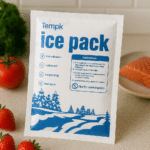
قد تعمل في حالات معزولة, ولكنها عادة ما تكون الفئة الخاطئة. تم تصميم عبوات الشحن لتناسب الكرتون, التحكم في التكييف, وإساءة استخدام الشحن, بينما تم تصميم حزم العلاج لاستخدام الجسم.
لماذا يعتبر ارتباك الفئة باهظ الثمن?
لأنه يؤدي إلى اختبارات خاطئة, تعليمات خاطئة, وافتراضات التكلفة الخاطئة. قد يبدو المنتج مشابهًا ولكنه يفشل في سير العمل الحقيقي.
ما الذي يجب أن يقارنه تاجر الجملة أولاً?
الاستخدام المقصود. بمجرد أن يتم إصلاح ذلك, مقارنة تنسيق الحزمة, الهدف الحراري, الكفاءة التشغيلية, واتساق الموردين.
التوصية النهائية
الطريقة الأكثر فائدة لشراء عبوات الجل لمنتجات السلع القابلة للتلف هي البدء بالوظيفة الحقيقية: الأطعمة الطازجة, البقالة المتخصصة, والمواد القابلة للتلف المجاورة للصيدلية. بمجرد تحديد هذه الوظيفة بوضوح, يصبح الاختيار الصحيح أسهل للرؤية. قمت بمقارنة الشكل, تكييف, استقرار, التعامل, والتحكم في الموردين بدلاً من تشتيت انتباههم بمطالبات واسعة النطاق. هذه هي الطريقة التي يقلل بها المشترون بالجملة من النفايات, حماية سلامة المنتج, وتجنب إعادة بناء البرنامج بعد التوسيع الأول.
حول Tempk
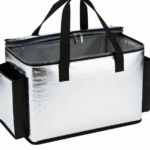
و Tempk, نحن نركز على تغليف السلسلة الباردة ل النقل الحساس لدرجة الحرارة. تشمل مجموعتنا المدرجة علنًا عبوات جل الثلج, عبوات ثلج مملوءة بالماء, حزم الثلج الجاف, طوب الجليد, أكياس معزولة, الصناديق المعزولة, بطانات الصندوق, أغطية البليت, ومواد سلسلة التبريد ذات الصلة. نحن ندعم أيضًا أعمال التعبئة والتغليف للأغذية, الأدوية, ومشاريع التوزيع الحساسة للحرارة. في الممارسة العملية, قوتنا هي مساعدة المشترين على مطابقة المبردات, العزل, والتعامل مع الاحتياجات بدلاً من الاعتماد على مطالبة نزلات البرد العامة.
الخطوة التالية: شارك نطاق درجة الحرارة المستهدف, مدة الطريق, حجم الشاحن, وشروط التعامل, ويمكننا مساعدتك في تضييق نطاق خطة التعبئة والتغليف السائبة الأكثر عملية.