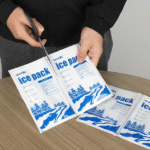
تصميم مخصص من الطوب الرائع لقيود التعبئة الحقيقية
يجب أن يبدأ المشروع المخصص للطوب البارد بقيود يمكن ملاحظتها وقياسها. ربما تسرق الكتلة القياسية مساحة الحمولة, يضغط على منتج حساس, يناسب بشكل سيء بعد التجميد, أو تم تثبيته بشكل متكرر في موضع خاطئ. هندسة مخصصة, سائل التبريد, تعريف, أو التعبئة قد تحل هذه المشكلة, ولكن كل تغيير يخلق أيضًا عملاً في الأدوات, مراقبة التصنيع, اختبار, جرد, والاستبدال.
الحدود مهمة: يظل الطوب المخصص مكونًا مبردًا. لا يمكنها إنشاء حزمة يتم التحكم في درجة حرارتها بمفردها. الأداء ينتمي إلى نظام العزل الكامل, حمولة, كمية الطوب وحالته, ترتيب, التعرض للطريق, والتعامل معها.
استخدم سلم التخصيص قبل أن ترسم غلافًا جديدًا
عادةً ما يكون التغيير الأقل تأثيرًا الذي يعمل على إصلاح الفشل هو الأسهل للتحكم فيه. ابدأ بالحزمة الحالية وانتقل إلى أعلى سلم التخصيص فقط عندما لا يفي الخيار السابق بالمتطلبات.
أولاً, تصحيح العملية. إذا استخدم المعبئون الكمية أو الاتجاه الخاطئ, تعليمات عمل أكثر وضوحا, صينية التدريج, فحص المسح, أو قد يؤدي فصل المخزون إلى حل المشكلة. وهذا ليس عذرا لإلقاء اللوم على المشغلين; فهو يختبر ما إذا كان المنتج نفسه يحتاج إلى التغيير.
التالي, حاول تنسيق آخر ثابت. قد يتناسب سمك أو بصمة قياسية مختلفة مع نفس العزل مع تطوير أقل. فاصل, كم, جيب, أو يمكن إدراجه لإدارة جهة الاتصال والموقع مع الاحتفاظ بالملف الطوب المبرد دون تغيير. لا تزال هذه المكونات الثانوية تنتمي إلى الحزمة الخاضعة للرقابة وتحتاج إلى التقييم المناسب.
ثم فكر في التحديد والعرض. رمز نموذج دائم, علامة التوجه, ملصق, لون, أو تكوين الكرتون يمكن أن يقلل من الخلط. يجب أن يساعد اللون بدلاً من استبدال الهوية, لأن الصقيع, إضاءة, يتلاشى, والإدراك البشري يمكن أن يجعل اللون وحده غير موثوق به. قد يكون للعلامة التجارية قيمة تجارية, ولكن لا ينبغي أن يحمل مطالبة أداء أوسع من الأدلة.
تغيير الشكل الهندسي فقط لمشكلة واجهة محددة. سماكة, الأضلاع, مقابض, مفاتيح, فترات الاستراحة, أو تؤثر الخطوط على الملاءمة, الاتصال السطحي, حجم الحمولة, سلوك التجميد, صب, تنظيف, والشحن. يجب أن يذكر ملخص المشروع الفشل والاختبار الذي سيظهر التحسن.
قم بتغيير سائل التبريد أو التعبئة عندما تتطلب الإستراتيجية الحرارية ذلك. هذا هو تغيير التصميم الأساسي, ليس خيارا تجميليا. يؤثر على التحضير, سلوك المرحلة, تصنيع, معلومات السلامة, تقييم النقل, واختبار الحزمة الكاملة. يجب أن تظهر نقطة تغيير الطور المطلوبة من تحليل المنتج والمسار, وليس من رقم الكتالوج.
في كل خطوة, اسأل ما إذا كانت الفائدة المتوقعة تتجاوز عبء التكوين الجديد. قد يبرر البرنامج المستقر ذو الحجم الكبير الأدوات اللازمة للتعبئة بشكل أسرع. قد تبرر الشحنة الطبية ذات الحجم المنخفض ذلك لأن الحمولة والمخاطر تبعية. لا يوجد حد أدنى عالمي مسؤول للطلب أو عتبة الاسترداد. بناء الحالة من التوقعات, قيمة الحمولة, عواقب الفشل, مؤهل, الشحن, تَعَب, سعة الفريزر, يعود, والاعتماد على الاستبدال.
تعامل مع الهندسة كواجهة حرارية وبشرية
الطوب يشغل مساحة, يوصل الحرارة, يقيد تدفق الهواء, ويخبر باكر أين يضعه. الهندسة الجيدة تتناول جميع الأدوار الأربعة. التصميم من نظام الإحداثيات الداخلية للحاوية التجارية, بما في ذلك البطانات, المقسمات, كرتون المنتج, أجهزة المراقبة, الإغلاق, ومكدس التسامح الكامل.
الأبعاد الاسمية ليست كافية. التحقق من الجزء في حالته المصنعة وبعد التحضير المقصود. قد يتم توسيع اللوحة المملوءة أو تغيير شكلها عند تجميدها أو تكييفها. تختلف الحاوية والحمولة أيضًا. يمكن للنموذج الرقمي الذي يستخدم القيم الاسمية فقط إنشاء تجميع يرتبط بحدود الإنتاج العادية.
| الميزة المقترحة | غرض مفيد | تم تقديم خطر جديد | مطلوب إثبات قبل الموافقة |
|---|---|---|---|
| واسع, لوحة رقيقة | يغطي الجدار مع الحفاظ على مساحة الحمولة المركزية | الركوع, اتصال محلي قوي, تحضير غير متساوٍ في أكوام كثيفة | تناسب الحالة المعدة, دراسة حمولة الفريزر, رسم الخرائط الحرارية |
| كتلة سميكة مدمجة | يركز كتلة سائل التبريد في وحدة بسيطة | فقدان مساحة الحمولة والتعرض للبرد الموضعي | مقارنة التحميل والساخنة- بالإضافة إلى تقييم مخاطر البرد |
| مفتاح, فاتورة غير مدفوعة, أو عدم التماثل | يجعل الاتجاه الصحيح واضحا | الاعتماد على حاوية مخصصة واستبدال أصعب | تجربة مع ممثلين للتعبئة ومراجعة للطوارئ |
| أضلاع مقولبة | يحمل المنتج بعيدًا عن الوجه البارد | الفجوات الدافئة, مصائد البقايا, اختلاف الأداة | رسم خرائط درجة الحرارة, قابلية التنظيف, التحكم في الأبعاد |
| إغلاق مجوف | يحمي نقطة التعبئة من التعامل مع التأثير | انخفاض الرؤية وصعوبة التنظيف | تحدي النزاهة, وصول التفتيش, مراجعة النظافة |
| علامة نموذجية دائمة | يحافظ على الهوية من خلال التكثيف وإعادة الاستخدام | مرونة محدودة في العمل الفني أو فترات استراحة يصعب تنظيفها | الوضوح بعد تقييم المناولة والتنظيف |
يجب أن يصبح الجدول جزءًا من سجل التصميم. كل ميزة تحتاج إلى فائدة مقصودة, تأثير جانبي موثوق, ودليل على كليهما. إذا لم يتمكن الفريق من ذكر المشكلة، فسيتم حل الميزة, عادةً ما تؤدي إزالته إلى تحسين التصميم.
يجب أن يحدد تحليل التدفق الحراري المسارات الدافئة المحتملة عبر الجدران, غطاء, طبقات, الفتحات, والفجوات الداخلية, وكذلك المناطق الباردة بجانب المبرد المجهز. قد تعالج اللوحة العلوية تعرض منطقة الغطاء ولكن يمكنها إنشاء اتصال مباشر مع الحمولة العلوية. يمكن للوحة الحائط توزيع التبريد على سطح كبير ولكن قد يصعب إزالتها. يمكن للكتلة السفلية تبسيط التحميل أثناء إنتاج تدرج رأسي. لا يوجد ترتيب متفوق عالميًا.
الاتصال المباشر حراري وميكانيكي. قد يؤدي السطح المتجمد إلى الإضرار بمنتج حساس للتجميد محليًا; قد تؤدي الزاوية الصلبة إلى كشط الحقيبة أو تحميل صينية القارورة. يمكن للحاجز أن يقلل من هذه المخاطر ولكنه يضيف مقاومة حرارية ويصبح مكونًا آخر يمكن التحكم فيه. مادتها, سماكة, موضع, ويجب أن تتطابق حالة إعادة الاستخدام مع التكوين الذي تم اختباره.
التكثيف يستحق الاهتمام بالتصميم أيضًا. الرطوبة يمكن أن تضعف العناصر المموجة, تخفيف التسميات, إخفاء الرموز, أو تعقيد النظافة. قد يساعد نسيج المقبض العامل الذي يرتدي القفاز في احتجاز البقايا لاحقًا. قم بتقييم الرطوبة الفعلية وتسلسل التعامل بدلاً من الادعاء بأن التصميم لا يتعرق أبدًا.
يجب أن يكون اختيار سائل التبريد وتكييفه ممكنًا من الناحية التشغيلية
تمتص المواد المتغيرة الطور الحرارة الكامنة وتطلقها حول المنطقة الانتقالية, لكن قيمة المرحلة الاسمية ليست درجة حرارة الحمولة. مقاومة القشرة, كتلة المبرد, حرارة معقولة, يملأ, مساحة السطح, العزل, حمولة, شروط البداية, التعرض المحيطي, والوقت يخلق تدرجات في درجة الحرارة. اسأل المورد عن الخصائص المقاسة, طُرق, التسامح, وضوابط الدفعة ذات الصلة بالصيغة المختارة.
التحضير جزء من تصميم المنتج. قم بتوثيق معدات التجميد أو التكييف المتوفرة, ظروف التشغيل, ترتيب الحمولة الكاملة, تدفق الهواء, تكديس, فتحات الأبواب, التدريج, والطريقة المستخدمة لتأكيد الجاهزية. إن تصميم الغرفة الذي يتطلب حالة أولية لا يمكن للمستودع الخاص بك إنشاؤها بشكل موثوق ليس تصميمًا عمليًا.
توضح إرشادات منظمة الصحة العالمية بشأن معدات التحصين أهمية حالة التبريد. ويميز المجمدة, مشروط, رائع, وحزم المياه الدافئة لحالات اللقاح والمناخ المحددة, وفئة منتجاتها E005 لها طرق محددة للتأهيل المسبق. لا ينبغي نسخ هذه القواعد بالجملة في مشروع تجاري للأغذية أو الأدوية. المبدأ القابل للتحويل أضيق: تحدد مخاطر المنتج وتصميم الحاوية السلبية كيفية تحضير سائل التبريد واستخدامه.
إذا كانت الصيغة ملكية, إنشاء ما يكفي من المعلومات الخاضعة للرقابة للسلامة, ينقل, مراجعة السوق المقصودة, اتساق التصنيع, استجابة الانسكاب, تصرف, وتقييم التغيير. قد يكون من المناسب الكشف السري للموظفين المؤهلين أو لطرف ثالث متفق عليه. "غير سامة,""درجة الغذاء,"أو" مناسب للطب "لا ينبغي قبوله كبديل غير محدد للأدلة.
للطوب المملوء مسبقًا, يجب أن يتناول التصميم أيضًا تسامح التعبئة, مساحة الرأس أو مبرر التوسع, إنهاء, وإمكانية التتبع. للحصول على تنسيق معبأ محليًا, التحكم في وسط التعبئة, كمية, طريقة الإغلاق, تعليمات المستخدم, والتفتيش. لا تقم بالتبديل بين الإصدارات المعبأة مسبقًا والمعبأة محليًا دون تقييم العواقب الفيزيائية والحرارية.
أخيراً, إعداد الاختبار على المستوى التشغيلي. يمكن للأكوام الكثيفة أن تمنع تدفق الهواء, وقد يصل مركز حمولة الفريزر إلى الحالة المطلوبة في وقت متأخر عن الوحدات المكشوفة. تحقق من المواقع التمثيلية بدلاً من الاعتماد فقط على شاشة عرض هواء الفريزر. تشمل وقت التحضير, رفوف, طاقة, تَعَب, وتدريج الخسائر في دراسة الجدوى.
دع الأدلة تنضج مع النموذج الأولي
يفشل التطوير المخصص عندما يتم التعامل مع النموذج الواعد كدليل على الإنتاج. استخدم كل مرحلة عينة للإجابة على مجموعة محدودة من الأسئلة, وقم بتسمية حالتها بحيث لا يمكن إساءة تطبيق النتائج المبكرة.
أدوات اتخاذ القرار مفيدة
تحقق من التفاصيل قبل اختيار التغليف
يمكن أن تساعدك هذه الأدوات السريعة في مقارنة مخاطر المسار, احتياجات التحجيم, خيارات المبرد, وتفاصيل التعبئة والتغليف قبل أن تطلب عرض أسعار.
محدد التعبئة والتغليف
قارن بين خيارات التغليف المعزولة حسب المنتج, طريق, ودرجة الحرارة اللازمة.
البحث عن التعبئة والتغليفحاسبة علبة الثلج
تقدير كمية عبوات الثلج الهلامي للشحنات المبردة والتخطيط العملي للمسار.
تقدير عبوات الثلجمقاومة سقوط المواد العازلة
مراجعة مقاومة السقوط وعوامل المناولة قبل اختيار المواد العازلة.
تحقق من المقاومةالمحاكاة المكانية: يؤكد تخليص الحمولة, وصول اليد, توجيه, وإغلاق الغطاء. لا يقول الكثير عن السلوك الحراري أو المتانة.
النموذج الهندسي: يستكشف الهندسة, كتلة تقريبية, ومفاهيم التدفق الحراري المبكرة. الاختلافات عن البوليمر المقصود, يملأ, ويجب تسجيل الإغلاق.
عينة الأداة: اختبارات التصنيع, اختلاف التجويف, الأبعاد الحرجة, بناء الإغلاق, علامات, ويصلح بعد التحضير.
الكثير الطيار: يظهر سلوك العملية العادية, التعبئة, التتبع, الافراج عن الكثير, وحالة الشحن.
حزمة ممثل الإنتاج: يدعم القرار الحراري والتشغيلي النهائي للتكوين المحدد.
يحتاج العمل الحراري إلى معايير قبول مأخوذة من متطلبات الحمولة قبل مراجعة النتائج. استخدم التجاري حاوية معزولة, الحد الأدنى والحد الأقصى للأحمال مبررة, مراجعة الطوب المعتمدة والعد, حالة البداية المحددة, ترتيب, فواصل, إنهاء, التحدي المحيطي, ومواقع الاستشعار القائمة على المخاطر. تساعد المستشعرات القريبة من سائل التبريد في تحديد التعرض للبرد; المواقف الدافئة المشتبه بها تجيب على مخاطر الحرارة. قد تستجيب درجة حرارة الهواء ودرجة حرارة المنتج أو درجة حرارة المنتج بشكل مختلف, لذلك يجب أن يوضح البروتوكول ما يمثله كل قياس.
معيار ISTA 20 يوفر عملية التصميم والتأهيل لمحددة حاويات شحن معزولة, ويوفر المعيار 7E ملفات تعريف حرارية محددة للطرود. يمكن أن تدعم هذه المشروع عند الاقتضاء, ولكنها ليست بيانات حارة مخصصة ولا تصادق على مكون غير مثبت لمجرد ظهوره في الاختبار. سجل الطريقة الدقيقة, إعدادات, مراجعة المادة الاختبارية, والنتيجة.
مثال عملي: تفقد مجموعة المختبرات مساحة قابلة للاستخدام
تخيل مختبرًا يتناسب رف العينات فيه بشكل مريح حتى يتم وضع قالب طوب قياسي أسفل الغطاء. الطلب المخصص الأول هو لوحة علوية أرق. نموذج بالحجم الطبيعي يستعيد الخلوص المطلوب, لكن المقارنة الهندسية تظهر أن تقليل السُمك يغير أيضًا كتلة سائل التبريد ومنطقة التلامس.
يقوم الفريق بتخطيط دخول الحرارة حول الغطاء, يراجع أحمال العينة الدنيا والكاملة, ويفحص رفوف الفريزر الخاصة به. فهو يضيف فجوة ضحلة حول الغطاء الواقي للحامل بدلاً من ترقق اللوحة بأكملها. تمنع الحافة ذات المفاتيح التجويف من مواجهة الاتجاه الخاطئ, وتتيح منطقة الإمساك البسيطة للموظفين إزالة اللوحة المُجهزة دون التحديق في البطانة.
يتم فحص عينات الأداة بحثًا عن الملف الشخصي بعد التحضير لأن التسطيح في درجة حرارة الغرفة لا يناسبها. يتم تقييم العبوات التي تمثل الإنتاج ضمن تحدي المسار والتأخير المبرر, مع المراقبة بالقرب من العينات العليا وكذلك المواقع الدافئة المتوقعة. يقوم الموظفون الذين ليسوا على دراية بالتصميم بتجميع مجموعات تجريبية من مسودة التعليمات. تؤدي أخطائهم إلى علامة جزء دائمة أكثر وضوحًا قبل الإصدار.
يحظى التصميم بالموافقة لأنه يستعيد المساحة ويظل قابلاً للتنفيذ مع تلبية معايير الحزمة. لا يوجد أي ادعاء بأن اللوحة وحدها تحافظ على نطاق أو مدة محددة.
وضع البرنامج التجاري حول التصميم النهائي
يحتاج المكون المخصص الذي تم إصداره إلى خيط تقني وتجاري يربط الرسم, مواد, سائل التبريد, يملأ, إنهاء, لون, علامات, تعبئة الوحدة, الكرتون الرئيسي, موقع التصنيع, أداة, تقتيش, تعليمات التحضير, فاتورة حزمة المواد, وسجل التأهيل. استخدم رمز التكوين الذي يجعل من الصعب خلط الإصدارات غير المتوافقة.
يجب أن تتناول اتفاقية الأدوات الملكية, الملكية الفكرية, الاستخدام المسموح به, صيانة, بصلح, تخزين, وصول, تحويل, والتصرف في نهاية البرنامج. لا يؤدي دفع رسوم الأدوات إلى حل جميع الحقوق تلقائيًا. تحديد من يوافق على التعديلات وماذا يحدث إذا انتهت العلاقة مع المورد; الحصول على المشورة القانونية بشأن الالتزامات المادية.
يجب أن تفصل مقترحات الموردين بين استخدام النظام الأساسي الحالي, الأدوات المعدلة, أدوات جديدة, وأعمال صياغة جديدة. اسأل عن مراحل العينة الخاصة بالمشروع, كميات تجارية, افتراضات الجدول الزمني, تسليمات الوثيقة, ومسؤوليات القبول بدلاً من الاعتماد على مهلة عامة أو الحد الأدنى للطلب. قد يكون للون أو التصنيف المخصص تأثير منخفض; قد تتطلب الهندسة أو المبرد الجديد مسارًا مختلفًا للأدلة.
يجب أن يغطي إشعار التغيير الشكل الهندسي, يملأ, الصيغة أو المصدر, راتنج القشرة والمواد المضافة, إنهاء, إصلاح الأدوات أو النقل, موقع التصنيع, عملية حرجة, طريقة الاختبار, ملصق, والتعبئة عند الاقتضاء. ليس كل تغيير يتطلب إعادة التأهيل الحراري الكامل, ولكن كل تغيير ذي صلة يحتاج إلى قرار تأثير موثق من قبل أصحاب المنتج والجودة المناسبين.
الاستمرارية أصعب مع جزء فريد. لا يعد الطوب القياسي المماثل اسميًا بديلاً تلقائيًا عن الشكل, مساحة السطح, يملأ, تكييف, ويختلف الاتصال. صيانة أدوات التخطيط, قطع الغيار الحرجة, المخزون الخاضع للرقابة, والبدائل المحتملة وفقا لمخاطر العمل الفعلية. إذا كان مصدر النسخ الاحتياطي يهم, تقييمه قبل الاضطراب.
إعادة الاستخدام والمطالبات البيئية تنتمي إلى هذا التصميم التجاري, ليس كفكرة لاحقة. قارن بين المواد والمبرد, تأثيرات الأدوات والإنتاج, الشحن الداخلي, طاقة التحضير, متانة, مسافة العودة, التنظيف والتجفيف, تلوث, خسارة, التقاعد, طرق نهاية الحياة المحلية, وحماية الحمولة. يمكن أن يؤدي الشكل المخصص إلى تحسين عملية الاسترداد في مجموعة حقائب مغلقة ويظل أداءه ضعيفًا في قناة أحادية الاتجاه. حقق المسار التناوبات وأسباب الفشل بدلاً من الوعد بدورة حياة عالمية.
يجب أن تقوم برامج الاتحاد الأوروبي بتصنيف المنتج وكل طبقة تعبئة وفقًا للقواعد الحالية. أنظمة (الاتحاد الأوروبي) 2025/40 دخلت حيز التنفيذ في 2025 وينص على التطبيق العام اعتبارًا من أغسطس 12, 2026, بينما متطلبات لاحقة, التعاريف, الإعفاءات, وتختلف تدابير التنفيذ. إن الملصق القابل لإعادة الاستخدام أو إعادة التدوير ليس اختصارًا للامتثال أو دليلاً على انخفاض التأثير البيئي.
يصبح القرار جاهزًا عندما تقوم الميزة المخصصة بإصلاح مشكلة محددة, يمكن أن تحمل عملية الإنتاج سماتها الحاسمة, يستطيع المستودع تحضيرها والتعرف عليها, الحزمة الكاملة تلبي معاييرها, وتتحكم الاتفاقية في التغييرات المستقبلية. العرف يجب أن يعني التحسين الخاضع للرقابة, ليس التعقيد الدائم.
الأسئلة المتداولة
هل أحتاج إلى قالب جديد لبنة باردة مخصصة؟?
ليس دائما. تسميات, الطباعة, لون, تكوين الكرتون, أو قد تلبي منصة الصدفة الحالية المتطلبات. قد تستخدم العلامة التجارية المقولبة ملحقًا, في حين أن الأبعاد الجديدة أو الميزات الوظيفية قد تتطلب أدوات مخصصة. قارن التكلفة, يتحكم, مصطلحات الملكية الفكرية, احتياجات العينة, التقادم, وتأثير التأهيل قبل اختيار الطريق.
هل يمكنني اختيار PCM من خلال درجة حرارة تغير الطور وحدها?
لا. منطقة الطور هي خاصية حرارية واحدة فقط. تحتاج أيضًا إلى التفكير في الكتلة, صدَفَة, ملء التسامح, تحضير, مسار نقل الحرارة, العزل, حمولة, التعرض المحيطي, التحكم في العرض, أمان, والتخلص منها. الأهم من ذلك, اختبار الحزمة التجارية الكاملة مقابل متطلبات المنتج; قيمة PCM الاسمية لا تساوي درجة حرارة الحمولة.
يجب أن تكرر كل مراجعة مخصصة جميع اختبارات الحزمة?
لا توجد إجابة عالمية. تقييم ما إذا كانت المراجعة تغير السعة الحرارية, هندسة, اتصال, تدفق الهواء, حالة البداية, نزاهة, هوية, أو سلوك التشغيل. قد يحتاج تحديث العمل الفني فقط إلى مراجعة المستندات ومسح الأسطر, بينما المبرد, يملأ, أو قد يتطلب تغيير الأبعاد عمل المكونات وإجراء المزيد من اختبارات الحزمة. سجل الأساس المنطقي والموافقة.
حول Tempk
و Tempk, نحن نقدم تنسيقات صلبة من الطوب الجليدي ويمكننا مناقشة خيارات المشروع مثل الأبعاد, سماكة, لون القشرة, ملصق, خيار المبرد, والتعبئة الكرتون. نبدأ مراجعة مخصصة مع تقييد الحزمة الحالية: واجهة الحاوية, حمولة, معدات التحضير, طريق, التعامل, خطة إعادة الاستخدام, وسوق الوجهة. ويساعد ذلك في فصل تعديل النظام الأساسي القياسي عن الأدوات أو أعمال الصياغة. شارك الرسم الخاص بك, حالة العينة, ومعايير القبول معنا للتخطيط لمراجعة جدوى مركزة; تأهيل الحزمة النهائية لممثل الإنتاج قبل إصدار مطالبات الأداء أو أوامر الحجم.