Cool Brick Manufacturer Approval Depends on Repeatability
A cool brick manufacturer should be judged by its ability to reproduce the approved component, not by the appearance of one hand-selected sample. ملء الكتلة, صياغة, أبعاد مشروطة, قذيفة أو فيلم, سلامة الإغلاق, وضع العلامات, and inbound packing can all affect the final packout. A capable factory defines those attributes, controls the production steps that create them, traces each lot, and communicates changes before they reach your shipping line. Your team then verifies the production brick inside the complete insulated system. Factory approval and packout qualification are connected, but they are not the same decision.
Convert the Application Into Measurable Requirements
Terms such as cool brick, الطوب الجليدي, الطوب هلام, and phase-change pack are used inconsistently. Begin with a controlled description of the item you want to purchase. If development is still open, call the document a design input; after evaluation, convert it into an approved specification.
Define the product and route context first:
product condition and sensitivity to freezing or direct contact;
payload size and approved load range;
حقيبة معزولة, صندوق, بطانة, or pallet geometry;
intended brick location and restraint;
door-to-door exposure, الفتحات, وتأخير معقول;
conditioning equipment and warehouse workflow;
تنظيف, إعادة الاستخدام, وضع العلامات, واحتياجات التتبع;
markets of use and required technical documents;
normal demand, قمم, نمط الطلب, and delivery sites.
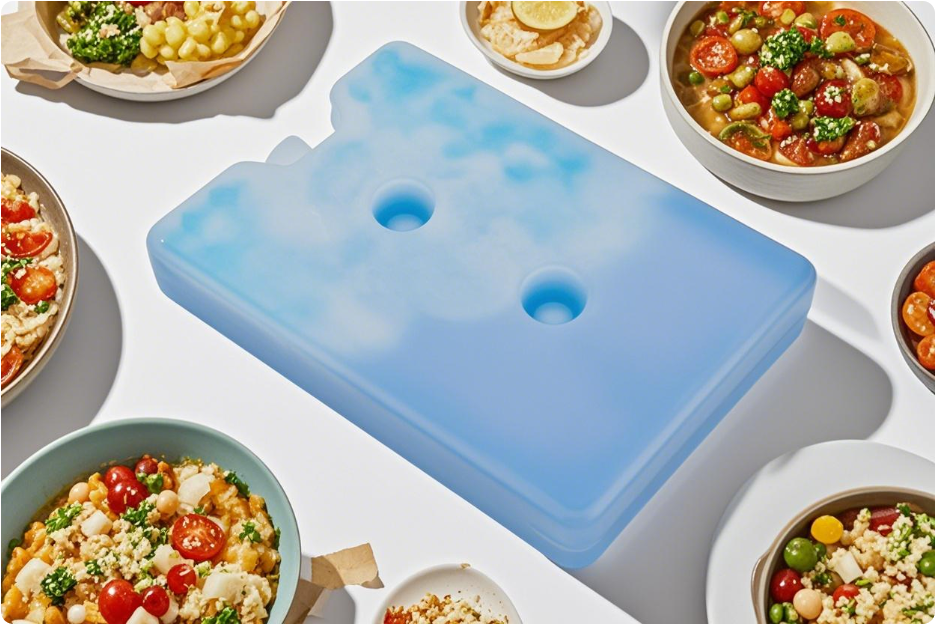
Translate that context into component attributes. These may include nominal length, عرض, سماكة, التسطيح, كتلة مملوءة, overall mass, corner and cap envelope, بناء المواد, formulation family or functional behavior, الختم أو الإغلاق, اللون والطباعة, conditioned state, رمز الكثير, حزمة القضية, and relevant integrity criteria. Each tolerance should have a measurement method and measurement condition.
A room-temperature brick can fit a pocket and then bow after conditioning. A flexible pouch may not have one obvious thickness point. A functional fit gauge can be more useful than a nominal drawing when the packout has a narrow channel. Agree on these details before comparing quotations; otherwise a lower price may simply represent a different product.
Separate component evidence from shipping performance
The manufacturer is responsible for the brick it makes. It may provide thermal characterization or data from a representative package. It cannot establish a universal hold time for every enclosure, حمولة, ملف تعريف المحيط, والطريق. The buyer's complete-system evaluation covers the exact coolant quantity and condition, العزل, الفواصل, حمولة, حَشد, التحدي الخارجي, يراقب, ومعايير القبول.
Maintain two approvals: one for the manufacturing organization and process, and another for the exact part in the intended packout. An approved factory should not be free to send an unassessed alternative, and a qualified part should not silently move to an unapproved site.
Use the Audit to Follow One Lot
Factory presentations are useful orientation, but records reveal whether the process operates as described. Select one finished lot and trace it backward to incoming materials, then forward through release, تخزين, والشحن.
Incoming materials and formulation
Review how resin, فيلم, قبعات, المقابس, إضافات, gel ingredients, تلوينات, تسميات, and shipping materials are identified, أخذ عينات, مطلق سراحه, مخزنة, and segregated. Ask what prevents an available but unapproved grade from entering production. For confidential formulations, the buyer does not need every recipe detail, but the factory should show controlled ingredient identity, إذن, وزن, خلط, homogeneity, and change review.
If several coolants share a line, examine line clearance and cross-mix prevention. Water quality, mixing order, وقت, درجة حرارة, or other variables may matter depending on formulation. Ask how the manufacturer detects drift and what it does with material produced since the previous acceptable check.
Shell forming, تعبئة, والإغلاق
Rigid shells can vary with tooling, تجويف, الحالة المادية, forming parameters, وارتداء. Flexible products depend on film conversion and seal quality. Review first-piece approval, in-process dimensions, tool maintenance, cavity identification where relevant, and response to an out-of-trend result.
Filling determines coolant mass and headspace. Check the metering method, verification frequency, calibration or equipment checks, ومراجعة الاتجاه. A few final weights do not show whether the process remains centered through a long run.
At the closure step, ask which parameters are controlled. حرارة, ضغط, وقت, تنسيق, torque, لحام, adhesive condition, or contamination at the interface may matter according to construction. Examine the detection method for channels or weak closures and the physical control of rejected units. A final visual glance alone may not find defects that appear after conditioning or transport.
تقتيش, يطلق, and outbound protection
The release plan should match risk and specification. It may cover identity, مظهر, كتلة, أبعاد, سلامة الإغلاق, تسرب, ملصق, عدد, and case condition. Review sampling logic, تعريفات الخلل, nonconforming segregation, rework authorization, السجلات المحفوظة, and release responsibility.
Then follow the lot into the warehouse. Heavy filled bricks can deform in an overpacked case or damage one another during inbound freight. نمط البليت, ضغط, التعرض للحرارة, تكديس, and label durability influence what reaches the buyer. Production control includes delivery packaging, not only the filling line.
Score What the Factory Can Demonstrate
| Approval area | Useful evidence | علامة تحذير |
|---|---|---|
| مراقبة المواصفات | Part-specific drawing, حدود, طُرق, وتاريخ المراجعة | Description based only on size, لون, or photograph |
| الهوية المادية | Approved sources, receiving status, and lot linkage | Substitution based on availability without review |
| Formulation and fill | Authorized batch record, equipment checks, and trend data | Broad “standard gel” claim with no controlled attributes |
| سلامة الإغلاق | Defined process window, challenge method, واستجابة الخلل | Visual inspection presented as the only leak control |
| اتساق الأبعاد | Measurement method for filled and conditioned units | Tolerances stated without measurement condition |
| إمكانية التتبع | Raw material through finished lot and shipment | Customer complaint cannot be tied to production records |
| تغيير التحكم | Notification criteria, أمثلة, وسير عمل الموافقة | Factory decides equivalence without informing the buyer |
| Capacity and continuity | Bottleneck model, صيانة, خطة الذروة, and controlled backup | Annual output claim with no process-level support |
| Technical documentation | Current, scoped records mapped to the exact part | Unrelated certificates used as product-performance proof |
| الإجراء التصحيحي | الاحتواء, السبب الجذري, فعل, and effectiveness evidence | Replacement offered without investigation |
Weight the categories according to product and program risk, then score evidence rather than promises. A management-system certificate can support the review, but it does not prove that a specific brick meets its drawing, survives the intended conditioning, or works in the buyer's shipper. The table should guide both remote assessment and an on-site audit.
Review Test Methods, Not Marketing Test Names
“Drop tested,” “freeze-thaw tested,” and “leak tested” are incomplete statements. For each report, identify the sample construction, الكثير الإنتاج, الشروط المسبقة, معدات, طريقة, التوجهات, التعرض, كمية العينة, معايير القبول, الانحرافات, raw observations, والاستنتاج.
Leak methods can use pressure, مكنسة, غمر, dye, التغيير الشامل, ضغط, or other approaches. Each detects different defects and has a practical limit. The chosen method should challenge the complete seal path and credible failure modes. Repeated conditioning can stress a shell or seam through expansion and contraction; if reuse is claimed, inspect the test sequence, التعرض للتنظيف, عمليات التفتيش, and failure definition rather than accepting a cycle number in isolation.
أدوات اتخاذ القرار مفيدة
تحقق من التفاصيل قبل اختيار التغليف
يمكن أن تساعدك هذه الأدوات السريعة في مقارنة مخاطر المسار, احتياجات التحجيم, خيارات المبرد, وتفاصيل التعبئة والتغليف قبل أن تطلب عرض أسعار.
مقاومة سقوط المواد العازلة
مراجعة مقاومة السقوط وعوامل المناولة قبل اختيار المواد العازلة.
تحقق من المقاومةبطانة الصندوق & تحجيم غطاء البليت
تحقق من منطق تحديد حجم بطانة الصندوق وغطاء منصة التحميل لمشاريع التغليف المعزولة.
تقدير الحجمسائل التبريد & مرجع PCM
قارن خيارات سائل التبريد وPCM عندما يحتاج المسار إلى دعم إضافي لدرجة الحرارة.
قارن الخياراتMechanical work should reflect how bricks are cased, تم التوصيل, المجمدة, inserted, نفذت, وشحنها. An individual drop does not show what happens when a rigid corner rubs against a liner for an entire route. Component thermal measurements can compare lots or formulations, but “hours cold” is not a meaningful component property without a defined package and range.
معيار ISTA 20 can support a structured insulated-container development and qualification process, while ISTA 7E provides profiles associated with parcel thermal testing. تصف الإرشادات الفنية لمنظمة الصحة العالمية التصميم, التشغيلية, and performance qualification concepts for passive shipping systems. These frameworks apply to the complete container program; they do not certify an isolated brick for every use.
للسلامة, ينقل, الاتصال بالطعام, مادة مقيدة, or environmental claims, verify scope. Ask which component, صياغة, الاختصاص, حالة الاستخدام, طريقة الاختبار, and document revision are covered. A Safety Data Sheet communicates hazard and handling information; it does not establish thermal duration. “Non-toxic” does not automatically mean edible, approved for direct food contact, harmless after release, or unrestricted in every country.
Control the Path From Sample to Commercial Production
Early prototypes are useful for geometry, but they may be hand-filled or made with temporary materials. Final qualification should use production-intent units from the proposed site, الأدوات, خط, صياغة, التغليف, والتسامح. Record their lot identity and inspect variation across more than one convenient sample.
Use staged approval:
screen documents and the manufacturing route;
inspect samples and test conditioned fit;
compare relevant component attributes;
evaluate the complete shipper under approved thermal and physical methods;
place a realistic pilot order and inspect case-to-case variation;
release the final part number, رسم, شروط الجودة, and incoming plan.
A common customization risk is the interface no one drew. Imagine a buyer requests a thin brick for a sewn side pocket. The prototype body fits, but the cap catches and the conditioned shell bows into the zipper path. The drawing should be revised to include cap envelope, frozen-state thickness, إزالة قبضة, and pocket tolerance before tooling and qualification. Custom geometry creates value only when it reduces void, prevents packing errors, or supports a repeatable process enough to justify tooling and single-source exposure.
Control reference samples carefully. They can help describe appearance, but measurable limits should govern acceptance. A perfect retained sample must not override a drawing that permits excessive bowing or a seal method that is not capable.
Treat Capacity, الاستمرارية, and Change as Technical Risks
An annual capacity figure can hide a constraint at one mixer, قالب, حشو, seal line, labeler, inspector, or raw-material source. Ask for normal utilization, demonstrated output, shift flexibility, صيانة, أَثْمَر, التحول, utility dependence, and the planned response to equipment failure. Share your order pattern and peak demand, not only annual volume.
Business continuity must preserve the approved product. سطر ثاني, alternate ingredient, backup tool, or another factory helps only when it is assessed for the same specification and quality controls. Moving production can be a qualification-relevant change.
A quality agreement should identify changes requiring notice and possible buyer approval, including formulation, material grade or source, أبعاد, ملء الكتلة, إنهاء, الأدوات, critical process range, طريقة الاختبار, ملصق, حزمة القضية, موقع التصنيع, and subcontractor. Define advance information, عينات الإنتاج, first changed lot identity, والتعامل مع الطوارئ. The buyer determines whether a notice needs document review, اختبار الملاءمة, focused comparison, أو إعادة التأهيل الكامل.
بعد الموافقة, track incoming defects, تسرب, أبعاد, وثائق كثيرة, توصيل, الشكاوى, فعالية الإجراءات التصحيحية, وأداء إشعار التغيير. Trend by lot, خط, أداة, or time where the data allow. Transparent investigation is often more valuable than a factory claiming a perfect defect record with no detection evidence.
Ask Sustainability Questions the Process Can Answer
Environmental review should begin with accurate materials and actual use. Ask whether the brick can be right-sized to reduce packaging volume, which cleaning methods are compatible, how damage is detected, what ends useful life, which components can be separated, and what destination-specific disposal limitations apply.
The manufacturer controls durability, اختيار المواد, production scrap, and guidance. The operator controls returns, غسل, طاقة التكييف, خسارة الأصول, دورات مكتملة, ونهاية الحياة. A product described as reusable does not prove that a network reuses it enough to create an advantage.
Avoid claims such as recyclable everywhere or zero waste. Recovery depends on material combinations, residual gel, مجموعة, and local infrastructure. For goods placed on regulated markets, buyers and manufacturers should verify current packaging, كيميائية, الاتصال بالطعام, ينقل, and waste obligations for their roles. A careful statement with defined scope is more useful than a page of unsupported logos.
الأسئلة المتداولة
Is a factory certificate enough to approve a cool brick manufacturer?
لا. A valid certificate may provide evidence about a management system or specified test scope, but it does not prove product identity, القدرة على العملية, تناسب مكيفة, سلامة الختم, سعة, or performance in your packout. Confirm the issuer and scope, then review the factory's part-specific process, السجلات, وعينات الإنتاج.
How should different manufacturing lots be compared?
Use the approved specification, consistent measurement methods, سجلات الكثير, and risk-based incoming checks. Compare critical dimensions, كتلة, نزاهة, تعريف, and relevant thermal characteristics. Trend data rather than waiting for a failure. Periodic complete-system verification may be appropriate when component drift could affect qualification.
Can two factories make interchangeable bricks?
Not by appearance or nominal dimensions alone. صياغة, كتلة, صدَفَة, إنهاء, الركوع, استجابة التكييف, and thermal behavior may differ. Treat the second factory as a controlled source, obtain production-intent samples, review documents and process capability, and repeat fit or system testing according to risk before approval.
What information should accompany a leak complaint?
Preserve the brick, الحالة الخارجية, تسميات, رمز الكثير, صور فوتوغرافية, quantity affected, receipt condition, conditioning history, موقف الحزمة, and related shipment information where practical. Quarantine potentially affected stock under your procedure. This evidence helps distinguish manufacturing, الشحن الداخلي, التجميد, and use-related causes and supports effective containment.
Approve the Process That Will Make the Next Lot
The right cool brick manufacturer can state what it makes, demonstrate control of formulation, يملأ, أبعاد, والإغلاق, trace the lot, plan capacity honestly, investigate deviations, and notify changes. The right buyer defines the component interface and tests commercial product in the complete shipping system.
Before awarding volume, audit the path that the next production lot will follow. That is a better predictor of long-term performance than a perfect sample, a low unit quote, or an unspecific certificate.
حول Tempk
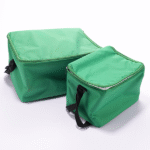
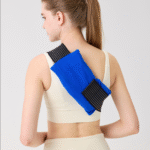
We manufacture and supply rigid طوب الجليد, حزم هلام قابلة لإعادة الاستخدام, عبوات حقن الماء, أكياس معزولة, بطانات الصندوق, صناديق إي بي بي, صناديق الشحن الباردة, و أغطية البليت ل عبوة تسيطر عليها درجة الحرارة. Tempk can discuss standard and custom brick formats using the buyer's drawing, عملية التكييف, عبوة, احتياجات التوثيق, and order pattern. Buyers should verify the quoted production scope and evaluate production-representative units under their supplier-approval and complete-system qualification procedures.
Send Tempk the dimensional envelope, filled-mass requirement, coolant application, قيود الاتصال, conditioned state, رسم الحزمة, توقعات الاختبار, تنبؤ بالمناخ, أسواق التسليم, التتبع, and change-notification requirements. Request a part-specific manufacturing proposal and production-intent samples before volume approval.