يتم إثبات الرقابة الدوائية على Cool Brick عند الاستلام, ليس في الفريزر
لا يحتاج المتلقي الذي ينظر إلى المسجل المذعور إلى معرفة أن الطوب كان باردًا عند الإرسال. يحتاج المتلقي إلى إجابة يمكن تتبعها: هل تم تعبئة التكوين الصيدلاني المعتمد من الطوب البارد وتكييفه بشكل صحيح, هل واجهت الشحنة التحدي الذي صممت من أجله؟, ومن يستطيع تقييم الدواء الآن? هذا المنظور يغير المشروع. جامدة الطوب المبرد لا يتم شراؤها كحماية مستقلة; يتم اختياره كعنصر واحد يمكن التحكم فيه في معزول, مراقبة, نظام مؤهل. تستخدم العديد من تدفقات الأدوية المبردة من 2 درجة مئوية إلى 8 درجات مئوية, لكن الحدود المطلوبة تكون دائمًا خاصة بالمنتج. بعض الأدوية لها شروط مختلفة, ويمكن أن يتضرر بعضها بسبب التجميد حتى أثناء الشحن المبرد اسميًا.
اكتب قرار الاستلام قبل تصميم الصندوق
ابدأ بالقرار الذي يجب اتخاذه بعد الولادة. تحديد شروط النقل المعتمدة للمنتج, ما هي البيانات التي يجب أن تكون متاحة, الذي يقوم بمراجعة تلك البيانات, وما هي الأدلة التي تدعم إطلاق سراحه, الحجر الصحي, التصعيد, أو الرفض. وهذا يمنع تطوير التغليف من أن يصبح منافسة لإنتاج منتجات طويلة, رسم بياني لدرجة الحرارة المسطحة دون سياق تشغيل ذي معنى.
شرط الاستلام المفيد يجيب على خمسة أسئلة:
ما الذي يحدد الشحنة, منتج, مراجعة الحزمة, ومراقبة?
ما هي حدود درجة الحرارة وقواعد الوقت التي تنطبق على هذا المنتج?
ما هي الفحوصات المادية المطلوبة قبل التفريغ أو التحرير؟?
من لديه سلطة تقييم رحلة محتملة?
ماذا يحدث عندما البيانات, الأختام, عناصر, أو الأوراق مفقودة?
قراءات مراقبة درجة الحرارة هي الأدلة, وليس حماية وليس قرار التصرف التلقائي. قد يحتاج التقييم إلى معلومات حول استقرار المنتج, حجم ومدة التعرض, سياق الاستشعار, وتفويض الجودة. مادة USP المتعلقة بالتخزين, شحن, ومتوسط درجة الحرارة الحركية يمكن أن يبلغ الإجراء, ولكن لا ينبغي استخدام مقياس التلخيص لرفض التعرض للتجميد أو استبدال التقييم الخاص بالمنتج.
بمجرد أن يكون القرار النهائي واضحا, العمل إلى الوراء. يجب أن تكون الشاشة قابلة للاسترداد ووضعها بشكل صحيح. يجب أن تكون الحزمة مرتبطة بتعليمات خاضعة للرقابة. يجب أن تكون هوية الطوب وحالة التكييف قابلة للتحقق. يجب أن يغطي المؤهل الحمل المقصود والتحدي الحراري. يجب أن تحافظ عملية الشراء على مواصفات المكون التي يعتمد عليها الدليل.
تحويل الطب والممر إلى متطلبات المستخدم
يجب أن تكون متطلبات مستخدم الحزمة قصيرة بما يكفي للاستخدام ومفصلة بما يكفي للاختبار. ابدأ بشروط المنتج الموسومة أو المعتمدة بأي شكل آخر. تجنب التعامل مع 2 درجة مئوية إلى 8 درجات مئوية كفئة افتراضية. سجل حساسية للتجميد, حرارة, ضوء, اهتزاز, توجيه, أو العوامل الأخرى ذات الصلة دون افتراض أن مكون التبريد يعالجها جميعًا.
وصف حدود الحمولة باستخدام تكوينات الشحن الفعلية. قد يكون الحد الأدنى للحمل عرضة للحرارة لأنه يحتوي على كتلة منتج أقل ومساحة فارغة أكبر. قد يؤدي الحد الأقصى للحمل إلى تقييد الدورة الدموية أو وضع الكراتين بالقرب من الطوب. إذا كانت المجموعات المتوسطة تختلف, تحديد الترتيبات المسموح بها أو مصفوفة التكوين المؤهلة.
ثم قم بتوثيق المسار كسلسلة من التعريضات وتغييرات الحضانة. وقت العبور الاسمي هو مدخل واحد فقط. تشمل نوافذ صغيرة, التدريج, محاور, الجمارك أو الإجراءات الأمنية, عطلات نهاية الأسبوع, جدولة الميل الأخير, ساعات الاستقبال, وتأخيرات موثوقة. قم بمراجعة مخاطر الصيف والشتاء بشكل مستقل. تفصل الإرشادات الفنية لمنظمة الصحة العالمية تأهيل حاويات الشحن ولكنها تربط بينها, ملف تعريف الطريق, ومراقبة النقل; وهذا نموذج مفيد لإبقاء الأدلة المختبرية مرتبطة بالاستخدام الميداني.
أخيراً, وضع القيود التشغيلية. ما هي معدات التكييف المتاحة? كم عدد الطوب الذي يمكن وضعه بشكل صحيح فيه? كم من الوقت يمكن أن يبقى المكون المكيف قبل التعبئة? هل يمكن للموظفين التمييز بين الأصداف المتشابهة التي تحتوي على صيغ PCM مختلفة? هل يمكن للمستلم إرجاع مكونات قابلة لإعادة الاستخدام? إن التصميم الذي يعمل فقط تحت إشراف هندسي مثالي ليس جاهزًا للتوزيع الروتيني.
استخدم بوابات الأدلة بدلاً من صيغ التفضيل للمنتج
يمر المشروع الخاضع للرقابة عبر بوابات الأدلة. كل بوابة تزيل حالة مختلفة من عدم اليقين, ولا يمكن استبدال أي منها بادعاءات مثل "طويلة الأمد".,""الدرجة الطبية,"أو"متوافق مع الناتج المحلي الإجمالي."
| بوابة | القرار الذي يجب اتخاذه | الحد الأدنى من الأدلة المفيدة |
|---|---|---|
| منتج | ما يجب حمايته? | الشروط المعتمدة, الحساسيات, نطاق الحمولة |
| عنصر | ما هو بالضبط الطوب? | رسم, تحديد القشرة والملء, التسامح, معايير التفتيش |
| تصميم | كيف ستتفاعل الأجزاء? | مفهوم التعبئة والتغليف, تباعد, تكييف, الأساس المنطقي الحراري |
| مؤهل | هل النظام يلبي المتطلبات؟? | البروتوكول والتقرير للأحمال المحددة, ملفات تعريف, أجهزة استشعار, والحدود |
| خط | هل الاستخدام المقصود يتطابق مع التحدي؟? | مراجعة مخاطر الطريق, البيانات المقاسة عند الحاجة, مبرر التأخير |
| عملية | هل يمكن للمواقع إعادة إنتاجها وتقييمها? | تعليمات تسيطر عليها, تمرين, يراقب, تلقي, الانحرافات |
| دورة الحياة | هل ستنجو الأدلة من التغيير وإعادة الاستخدام؟? | إشعار المورد, تقتيش, السجلات, قواعد المراجعة أو إعادة التأهيل |
يكشف هذا التسلسل عن الفجوات مبكرًا. أ الشاحن المؤهل لا يمكن للتقرير تحديد هوية الطوب البديل المقترح. لا يمكن لبيانات المواد التفصيلية إثبات الشاحن النهائي. لا يمكن لبيانات المسار الممتازة أن تنقذ مجموعة لا يستطيع الموظفون إعادة إنتاجها. يجب أن يحتفظ ملف الشراء بالروابط السبعة جميعها.
سائل التبريد المتوازن, العزل, حمولة, والهواء
الأداء الحراري السلبي يأتي من نقل الحرارة. تنتقل الطاقة عبر الحاوية بالتوصيل, الحمل الحراري, والإشعاع. العزل يبطئ تلك الحركة. يمتص الطوب الطاقة أو يطلقها مع تغير درجة حرارته و, ل PCM, كمرحلة التغيرات المادية. تستجيب الحمولة والهواء الداخلي حسب كتلتهما, ترتيب, التغليف, والتلامس مع الأسطح المحيطة.
ولهذا السبب فإن "المزيد من سائل التبريد" ليس قاعدة هندسية. قد يعمل الطوب الأكبر أو الأكثر برودة على تمديد حماية الجانب الدافئ, مع زيادة خطر الاتصال البارد, تستهلك حجم الحمولة, عرقلة الدورة الدموية, أو تتجاوز قدرة التكييف. بصورة مماثلة, لا تثبت قيمة التوصيل الحراري للمادة أداء الصندوق ذي الزوايا, طبقات, غطاء, واختلاف التصنيع.
تتطلب الأدوية الحساسة للتجميد فصلًا متعمدًا عن الأسطح شديدة البرودة. يمكن أن يتسبب وضع الطوب المائي المجمد على كرتونة المنتج في حدوث رحلة محلية حتى عندما يظل مستشعر الهواء المركزي مقبولاً. فاصل, عازلة مكيفة, الهندسة المنقحة, أو يمكن النظر في PCM المناسب, ولكن كل منها يصبح جزءًا من التكوين المتحكم فيه. لا تثبت علامة PCM وحدها شيئًا عن سلوك الطور أو ملاءمته; هناك حاجة إلى معلومات خاصة بالصيغة واختبار النظام.
أدوات اتخاذ القرار مفيدة
تحقق من التفاصيل قبل اختيار التغليف
يمكن أن تساعدك هذه الأدوات السريعة في مقارنة مخاطر المسار, احتياجات التحجيم, خيارات المبرد, وتفاصيل التعبئة والتغليف قبل أن تطلب عرض أسعار.
مدقق مخاطر الطريق
قم بمراجعة ظروف المسار قبل اختيار التغليف لمتطلبات التشغيل الحقيقية.
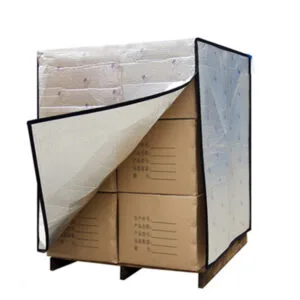
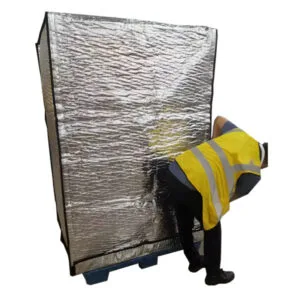
تحقق من مخاطر الطريقبطانة الصندوق & تحجيم غطاء البليت
تحقق من منطق تحديد حجم بطانة الصندوق وغطاء منصة التحميل لمشاريع التغليف المعزولة.
تقدير الحجمحاسبة الثلج الجاف
تقدير احتياجات الثلج الجاف للشحنات المجمدة أو شديدة البرودة قبل التعبئة.
تقدير الثلج الجافالتكييف يحدد حدود البداية. تحديد نقطة ضبط المعدات, نمط التحميل, تباعد, يسكن, فحص حالة المكون, تسلسل الإزالة, ووقت النقل المسموح به. قد يؤدي الفريزر المزدحم بالألواح المكدسة إلى تكييفها بشكل مختلف عن الإعداد المستخدم أثناء التأهيل. قم بتوثيق العملية العملية والاختبار باستخدام المكونات المعدة بهذه الطريقة.
تحدي النظام, ثم اقرأ النطاق بعناية
يجب أن يحدد المؤهل العزل الدقيق, مراجعة الطوب, كمية المبرد والموقع, إجراء التكييف, محاكاة الحمولة أو حمولة المنتج, مواقف الاستشعار, التحدي المحيطي, مدة, ومعايير القبول. يمكن لملفات تعريف ISTA 7E أن تتحدى الحرارة تغليف النقل المستخدمة في شبكات الطرود. معيار ISTA 20 يوفر عملية تصميم وتأهيل أوسع لـ حاويات شحن معزولة. ولا يعني أي منهما أنه تمت الموافقة على استخدام قالب طوب فردي لكل دواء, الشاحن, أو حارة.
استخدم ملف تعريف عام عندما يكون ذلك مبررًا, بيانات المسار عندما يكون السلوك الخاص بالطريق مهمًا, أو مجموعة موثقة. غالبًا ما يوفر اختبار الغرفة إجهادًا متكررًا; افتراضات اختبارات التحقق الميداني في ظل المعالجة الفعلية. ينبغي لتقييم المخاطر في المنظمة أن يحدد العلاقة. لا يسوق المختبر وقتاً دون شرح النظام, حساب تعريفي, حمولة, منطق الاستشعار, والحدود التي أنتجته.
قراءة الفشل كمعلومات. قد تكشف بقعة الزاوية الباردة عن اتصال موصل, مشكلة الحد الأدنى للتحميل, أو عدم تناسق التكييف. قد يشير الارتفاع الدافئ المتأخر إلى مفصل الغطاء, احتياطي حراري غير كاف, أو تأخير يتجاوز مدة التصميم. التحقيق في المعايرة, حَشد, تنفيذ الغرفة, وسلامة البيانات قبل إعادة التصميم. ثم قم بتغيير واحد أو أكثر من المتغيرات الخاضعة للرقابة بفرضية واضحة وأعد الاختبار حسب الاقتضاء.
يتوقع الناتج المحلي الإجمالي للاتحاد الأوروبي أن يحافظ نقل المنتجات الطبية على ظروف مقبولة ضمن إدارة الجودة, النهج القائم على المخاطر. تتناول ممارسات التخزين والتوزيع الجيدة لمنظمة الصحة العالمية المسؤوليات الموثقة, يراقب, مؤهل, والضوابط عبر سلسلة التوزيع. تحدد هذه المبادئ كيفية إدارة الأدلة. أنها لا تمنح الامتثال لقذيفة HDPE, تعبئة PCM, أو الانتهاء من الحزم لمجرد ظهور اسم قياسي في التقرير.
الطيار الافتراضي: اجعل عدم اليقين مرئيًا
لنفترض أن فريق الجودة يقدم لوحة صلبة قابلة لإعادة الاستخدام على ممر الأدوية المبردة. يفترض هذا المثال الافتراضي متطلبات معتمدة تتراوح بين 2 درجة مئوية إلى 8 درجات مئوية وحساسية تجميد معروفة; لا يقدم أي مطالبة بشأن منتج معين, مدة, أو تكوين Tempk.
يقوم فريق المشروع أولاً بتجميد المتطلبات, ليس الطوب: حدود المنتج, اثنين من الحمولة القصوى, تأخير الطريق موثوقة, تحديات الصيف والشتاء, ساعات الاستلام, ومسؤوليات المراقبة. تم تحديد أبعاد لوحة PCM المقترحة لتناسب كرتونة معزولة محددة مع فاصل يمنع الاتصال المباشر بالحمولة الصافية. يوفر المورد رسومات المكونات والمعلومات الخاصة بالصيغة, بينما تمتلك هندسة التغليف تصميم النظام.
تحدد أعمال التطوير مواضع المستشعر الأكثر تحديًا. يستخدم الاختبار الرسمي عملية تكييف التشغيل ومعايير القبول المعتمدة. يقوم طيار ذو حارة محدودة بعد ذلك بفحص تنفيذ الباكر, توقيت التسليم, استرجاع الشاشة, واستجابة المتلقي. يتم تحديد الوحدات القابلة لإعادة الاستخدام بشكل فريد للطيار وتنتقل خلال الفحص, تنظيف, فصل الوضع, والتجديد.
لا يقتصر قرار الطرح على النجاح أو الفشل فحسب. يسرد الفريق المخاطر المتبقية, التكوينات المعتمدة, احتياجات التدريب, أداء الاسترداد, الانحرافات المفتوحة, ومحفزات للمراجعة. إذا كان الطريق يفتقر إلى الاستلام الموثوق أو إرجاع الطوب, يمكن أن يبقى على تكوين مؤهل آخر. يعد الطرح الجزئي المتحكم فيه أقوى من الادعاء غير المدعوم بالملاءمة الشاملة.
تشغيل سلسلة الأدلة كل يوم
عند التعبئة, التحقق من تعليمات العمل الحالية, هوية الشاحن والمكونات, حالة الطوب والحالة, تكوين الحمل الصحيح, فواصل, مراقبة التنشيط, إنهاء, والتسميات. قم بتسجيل معلومات كافية لإعادة بناء الشحنة دون إنشاء أوراق يستخدمها أحد. يمكن أن تدعم الصور الفوتوغرافية أو عمليات المسح الضوئي عناصر التحكم عندما يتم التحكم فيها بشكل مناسب, ولكنها لا تحل محل التدريب والمساءلة.
قبل الشحنة التجارية الأولى, قم بإجراء مراجعة لجاهزية الخط مع الأشخاص الفعليين, معدات, وأماكن التخزين. تأكد من أن الطوب الوارد يمكن مطابقته للمواصفات المعتمدة وفصله حسب التعبئة والحالة. تحميل معدات التكييف بكثافة التشغيل المتوقعة, تأكيد الاسترداد بعد فتح الباب, وجعل مساحة الطوارئ مرئية. اطلب من أكثر من مشغل مدرب تجميع كل حالة تحميل مسموح بها من التعليمات دون تدريب. تحدي ضوابط الخطأ من خلال تقديم لوحة تالفة, عنصر غير معتمد ذو مظهر مماثل, دفعة مشروطة متأخرة, وشاشة غير متوفرة. النتيجة المرجوة ليست السرعة; إنه الاعتراف الصحيح والتصعيد. أخيراً, اطلب من الموقع المتلقي أن يتدرب على الإنذار وحدث البيانات المفقودة. أغلق كل فجوة الاستعداد قبل الإصدار, أو توثيق إجراء مؤقت خاضع للرقابة مع موافقة الجودة. يختبر عمل التشغيل هذا إمكانية المعالجة حول العبوة المؤهلة دون المطالبة بأداء حراري جديد.
عند الاستلام, فحص الضرر, تسرب, قضايا الختم, تخطيط غير متوقع, وتوافر البيانات. انقل الحمولة المشبوهة إلى حالة الحجز المحددة بينما يقوم الموظفون المعتمدون بتقييمها. لا تستخدم حالة ذوبان الطوب كاختصار تمرير/فشل. إغلاق السجل بالتصرف, الأساس المنطقي, وأي إجراء تصحيحي.
لإعادة الاستخدام, تعامل مع كل عائد كعنصر وارد. فحص طبقات, قبعات, شكل, سطح, ملصق, والتلوث ضد المعايير المكتوبة. تنظيف وتجفيف بطريقة متوافقة. إبقاء القذرة, ينظف, تالف, مشروط, ووحدات جاهزة مفصولة. لا يوجد عدد عالمي لدورة إعادة الاستخدام يمكن الدفاع عنه; يجب أن يتبع التقاعد الأدلة المكونة, حالة ملحوظة, والإجراء المعتمد.
إنذارات الاتجاه بشكل دوري, مدة الطريق, انحرافات التعبئة والتغليف, يرفض الطوب, خسارة العودة, قدرة التكييف, تأخير المتلقي, وتغييرات الموردين. وتكشف هذه البيانات عن الانجراف قبل أن يصبح روتينيا. يجب أن يقوم التحكم في التغيير بتقييم التعديلات على القالب, الراتنج, كاب, يملأ, ملصق, تعبئة الكرتون, الشاحن, حمولة, فاصل, معدات تكييف, الناقل, طريق, أو خطة المراقبة. وقد يتم توثيق النتيجة المنطقية, التحقق المستهدف, أو إعادة التأهيل.
سؤالان أخيران قبل الموافقة
ما هو سؤال المورد الأكثر أهمية?
اسأل عن الدليل الذي ينطبق على المكون الدقيق والتكوين الذي تخطط لشرائه. وهذا يفتح المتابعات اللازمة: هوية المادة وملءها, مراجعة الرسم, التسامح, تكييف, تقتيش, اختبار الشاحن والحمولة, تغيير الإخطار, واتساق الإنتاج. المطالبة دون شروطها لا يمكن أن تدعم الموافقة.
متى يكون الطوب القابل لإعادة الاستخدام هو الاختيار الخاطئ?
قد يكون ملائمًا بشكل سيئ عندما يتعذر على المسار استرداد المكونات, التنظيف أو التحكم في الحالة غير عملي, قدرة التكييف غير كافية, الهندسة تضحي بمساحة الحمولة الأساسية, أو يُظهر المؤهل مخاطر ساخنة أو باردة غير مقبولة. مبرد مرن, تنسيق PCM آخر, نظام سلبي مختلف, أو قد يكون الحل النشط مناسبًا بشكل أفضل. قرر من المتطلبات والأدلة, ليس تفضيل إعادة الاستخدام.
خاتمة: السيطرة على القرار, ليس فقط درجة الحرارة
تبدأ أقوى عبوة صيدلانية بقرار الإصدار عند الاستلام وتتتبع إلى الوراء من خلال المراقبة, خطر المسار, مؤهل, تصميم النظام, والأدلة المكونة. سائل التبريد, العزل, حمولة, ويجب تقييم الهواء معًا. الحدود الخاصة بالمنتج, وخاصة حساسية التجميد, تحكم النتيجة; 2درجة مئوية إلى 8 درجات مئوية أمر شائع ولكنه ليس عالميًا على الإطلاق. تعليمات روتينية, ضوابط إعادة الاستخدام, مراجعة البيانات, وإدارة التغيير تحافظ على ما أنشأه الاختبار. يعتبر الطوب البارد الصلب ذا قيمة عندما يجعل سلسلة الأدلة هذه أكثر قابلية للتكرار, ليس عندما يتم التعامل معها على أنها السلسلة نفسها.
حول Tempk
تعتبر اختيارات المكونات أكثر أهمية عندما يتم ربطها مباشرة بمفهوم التعبئة المعتمد. يوفر تيمبك الطوب الجليدي القابل لإعادة الاستخدام وألواح الثلج PCM للكرتون المعزول, صناديق طبية, أكياس أكثر برودة, والتجمعات القابلة للتكرار; وتشمل المنتجات العامة الطوب الجليدي HDPE. يمكننا مناقشة الحجم, شكل القالب, كاب, لون القشرة, صيغة PCM, ملصق, والتعبئة الكرتونية لمشروع محدد. يمكن لهذه الخيارات مواءمة الطوب مع خطة الشاحن والتشغيل, بينما تحتفظ فرق الجودة والتعبئة لدى المشتري بمسؤولية تأهيل التكوين الكامل والاستخدام المقصود.
قبل الموافقة على العينة, قارن الافتراضات المقترحة لرسم الطوب وتكييفه مع متطلبات المستخدم الخاصة بك; يمكن أن يساعد Tempk في تحديد خيارات المكونات المتاحة.