تحتاج عبوات اللقاحات المصنوعة من الطوب البارد إلى خمس بوابات للإصدار
لا ينبغي الافراج عن شحنة لأن الطوب مجمد, يغلق الغطاء, وتظهر الشاشة درجة حرارة بداية جيدة. إن مجموعة اللقاحات الرائعة جاهزة فقط بعد الموافقة على خمسة قرارات متصلة: متطلبات المنتج, توافق الحاوية, إعداد المبرد والتنسيب, أدلة الأداء, والتحكم التشغيلي. يمنع هذا النهج القائم على البوابة مكونًا صغيرًا قابلاً لإعادة الاستخدام من الخلط بينه وبين سلسلة التبريد بأكملها. كما أنه يعطي المشتريات, جودة, والفرق الميدانية سؤال واحد مشترك عند الإرسال: هل نستخدم النظام الدقيق الذي تمت مراجعته لهذا اللقاح وهذا المسار؟?
نموذج الافراج عن خمسة بوابة
البوابات متسلسلة عمدا. قد يقضي الفريق الذي يبدأ بعرض أسعار لسائل التبريد وقتًا في اختبار التكوين الذي لن تدعمه تعليمات اللقاح أو تصميم الناقل أبدًا. ابدأ بالحمولة, ثم العمل إلى الخارج.
بوابة 1: متطلبات اللقاح واضحة
سجل المنتج الدقيق, عرض تقديمي, وتعليمات التعامل الحالية. تستخدم العديد من اللقاحات المخزنة في الثلاجات نطاقًا يتراوح بين 2 درجة مئوية إلى 8 درجات مئوية, ولكن ليس كل اللقاحات تشترك في هذا النطاق. المجمدة و شديدة البرودة المنتجات موجودة, ويمكن أن يكون للمنتجات الفردية وسيلة نقل خاصة, حماية الضوء, ذوبان الجليد, تخفيف, أو ظروف خارجة عن الاستخدام. المعلومات الحالية للشركة المصنعة وقواعد برنامج التحصين المعمول بها هي التي تحدد المتطلبات.
تجنب كتابة "اللقاحات" كبند واحد في مواصفات المسار. قم بإدراج كل منتج قد يدخل إلى الناقل. تأكد مما إذا كانت المواد المخففة تنتقل معها وما إذا كان تحضيرها يخلق قلقًا متجمدًا. إذا سمح للمنتج المجمد بقضاء وقت محدود في ظروف التبريد, قد يتم احتساب النقل ضمن هذا البدل. ولذلك، يجب أن يربط سجل الإصدار وقت انتهاء التخزين بالحدود الخاصة بالمنتج.
بوابة 1 كما يحدد مغلف الحمولة. تحديد الحد الأدنى والحد الأقصى للحمل, التغليف الثانوي, أبعاد قابلة للاستخدام, حالة البداية, وكمية الجرعة المتوقعة. لا ينبغي افتراض أن العبوة المؤهلة بحمولة كاملة كثيفة تحمي حمولة جزئية صغيرة. تعمل المساحات الفارغة على تغيير تدفق الحرارة وقد تسمح للكرتون أو الفواصل بالتحرك.
بوابة 1 يفشل عندما: يتم التعرف على المنتج فقط عن طريق المرض, يتم تخصيص نطاق تبريد عام لجميع اللقاحات, يتم التغاضي عن المخفف, أو أن تكوين التحميل المعتمد غير معروف.
بوابة 2: تنتمي الحاوية والمبرد إلى تكوين واحد
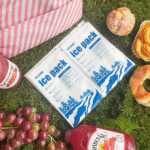
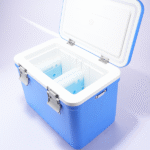
الطوب البارد هو أحد مكونات التخزين الحراري. يحتاج إلى حامل معزول, صندوق بارد, صندوق طبي, أو الشاحن المؤهل حوله. لا يوفر العزل, يراقب, التحكم في الطريق, أو إثبات الامتثال في حد ذاته.
تغطي فئة WHO PQS E004 الصناديق الباردة, حاملات اللقاح, وغيرها من السلبي حاويات معزولة لنقل اللقاح أو الاستخدام المؤقت. عناوين E005 حزم المبرد المستخدمة مع تلك المنتجات. علاقة الكتالوج مهمة: حزم متوافقة, كمية, موضع, والتعليمات تساهم في أداء الحاوية المدرجة. منظمة الصحة العالمية تعترف بالمعيار 0.3, 0.4, و 0.6 أحجام عبوات سائل التبريد باللتر لمنتجات النقل المدرجة في قائمة E005, لكن مطابقة أحد هذه المجلدات لا يمنح قالبًا آخر من منظمة الصحة العالمية أو يجعله مناسبًا لأي ناقل.
بالنسبة لشركة نقل موجودة مدرجة في قائمة منظمة الصحة العالمية, استخدم العبوات والتعليمات المحددة ما لم يتم الحصول على تصريح بذلك, عملية التغيير المدعومة تنص على خلاف ذلك. بالنسبة لشاحن تجاري مؤهل أو حزمة مطورة محليًا, الاحتفاظ بسجل التكوين الذي يحدد الحاوية الدقيقة, العزل, لوحة من الطوب أو PCM, الحواجز, ترتيب الحمولة, إنهاء, ومراقبة. المظهر المماثل ليس التكافؤ.
اللياقة البدنية تحتاج إلى فحص جسدي. قم بقياس المساحة الداخلية باستخدام الحمولة المقصودة والحواجز الموجودة في مكانها. تأكد من إغلاق الغطاء دون ضغط القوارير, قبعات الضغط, أو إزاحة الفواصل. تأكد من أن الطوب الصلب لا يمكن أن ينتقل إلى الاتصال المباشر أثناء الاهتزاز أو الحمل. إذا تغيرت هندسة المكون, تعامل مع التغيير باعتباره تأثيرًا محتملاً على الأداء.
بوابة 2 يفشل عندما: ويسمى الطوب السائب حامل اللقاح, يحل المبرد العام محل المعدات المؤهلة, يتم استخدام المجلد القياسي كدليل على قائمة منظمة الصحة العالمية, أو لا يمكن تتبع نموذج المبرد إلى التخطيط الذي تم إصداره.
بوابة 3: الحالة الحرارية والتنسيب قابلة للتكرار
"البرد" ليس تعليمات تحضيرية. يمكن استخدام عبوات المياه مجمدة بالكامل, مشروط بعد التجميد, تبريد دون تجميد, أو دافئة لعملية المناخ البارد. تتبع لوحات PCM المُصممة هندسيًا إعداد المرحلة الخاصة بالصيغة الخاصة بها. تفرض هذه الحالات حدودًا حرارية مختلفة على الحمولة.
إن عبوة الماء المجمدة المكيفة ليست مثل عبوة الماء البارد. يبدأ التكييف بالمياه المجمدة ويستخدم عملية تسخين محددة قبل التحميل. تبدأ العبوة الباردة في منطقة مبردة. تؤدي العبوة الدافئة وظيفة حماية مختلفة في الظروف الباردة. يحتاج الموظفون إلى الطريقة الخاصة بالناقل, معايير الاستعداد الملحوظة, وقت التدريج المسموح به, وفصل الوضع.
تعمل حاملات اللقاحات الوقائية للتجميد على حل مشكلة تشغيل معينة من خلال تصميمها. تصف إرشادات منظمة الصحة العالمية وجود حاجز بين عبوات المياه المجمدة بالكامل وحجرة اللقاح, السماح بالاستخدام الموصى به للعبوات المجمدة دون التكييف الأولي العادي. يعتبر حاجز الناقل وطريقة التحميل ضروريين. البطانة المرتجلة في صندوق عادي ليست دليلاً على منع التجمد.
PCM أيضًا ليس اختصارًا للتحكم في العملية. تحديد الصيغة أو النطاق المتحكم فيه, تكوين القشرة والتعبئة, معدات التحضير, مدة التدريج أو حالة الإصدار, ونقل الوقت للتحميل. قد تكون اللوحة صلبة على السطح وغير مكتملة الإعداد في مركزها. افصل الوحدات الجاهزة عن الوحدات المرتجعة والوحدات قيد المعالجة حتى لا يتمكن المشغلون من الاختيار عن طريق اللمس أو اللون وحده.
يتحكم التنسيب في التوصيل. الفواصل أو الحواجز المختبرة تحد من الاتصال البارد المباشر, بينما يحافظ التصميم المستقر على مسارات الحرارة المقصودة. سجل اتجاه كل لبنة وموضع الحمولة. تعد الصور الفوتوغرافية أو الرسوم البيانية ذات قيمة لأن عبارات مثل "مكان حول اللقاح" تترك مجالًا كبيرًا للاختلاف من التحول إلى التحول.
بوابة 3 يفشل عندما: لا يمنح إجراء التشغيل المعياري (SOP) سوى وقت انتظار دون أي معيار للاستعداد, المجمدة حزم هلام استبدل PCM المحدد, الحاجز مفقود, أو لا يستطيع المشغل التمييز بين المكونات الجاهزة وغير المجهزة.
بوابة 4: تتناسب أدلة الأداء والمراقبة مع المسار
يسأل التأهيل ما إذا كان النظام المجمع يحافظ على الظروف المطلوبة في ظل تحديات محددة. يجب أن تحدد الحاوية, عدد سائل التبريد وحالته, حمولة, الحواجز, أجهزة استشعار, ملف تعريف المحيط, مدة, الوصول إلى الأحداث, ومعايير القبول. ويدعم التقرير هذا التكوين وتلك الشروط, ليس كل طريق يستخدم نفس الطوب.
يوفر ISTA Standard 7E ملفات تعريف للحرارة والبرودة للحرارة تغليف النقل في أنظمة تسليم الطرود. يمكن أن يدعم التقييم عندما يكون وضع التوزيع ذا صلة. إنه لا يؤهل مكون التبريد بمعزل عن الآخر, وممر ذو تعرض طويل للهواء, المركبات المبردة, قطاعات المشي, أو قد يحتاج الوصول المتكرر إلى أدلة أخرى أو إضافية.
يجب أن يحدد اختبار التطوير المواقع الساخنة والباردة المحتملة باستخدام أجهزة استشعار معايرة. هذه هي الطريقة التي يكتشف بها الفريق حدودًا باردة بالقرب من الطوب, نقطة دافئة تحت الغطاء, أو التحول الناجم عن الأحمال الجزئية. يمكن بعد ذلك وضع جهاز مراقبة درجة الحرارة التشغيلية في موقع يبرره التصميم المعين.
مركز السيطرة على الأمراض في يوليو 2026 مجموعة الأدوات تفضل المراقبة المستمرة لدرجة الحرارة لنقل اللقاح, ويفضل أن يكون مسجل بيانات رقمي (دي دي ال) قادرة على إظهار الحد الأدنى والحد الأقصى للقراءات. ويعكس المسبار المخزن المؤقت الموجود مع اللقاح الحمولة بشكل أفضل من الشاشة التي تُركت خارج الصندوق. يجب أن يغطي اختيار الجهاز نطاق القياس المطلوب, حالة المعايرة, الفاصل الزمني للتسجيل, ذاكرة, ساعة, بطارية, واسترجاع البيانات.
أدوات اتخاذ القرار مفيدة
تحقق من التفاصيل قبل اختيار التغليف
يمكن أن تساعدك هذه الأدوات السريعة في مقارنة مخاطر المسار, احتياجات التحجيم, خيارات المبرد, وتفاصيل التعبئة والتغليف قبل أن تطلب عرض أسعار.
مرجع المواد العازلة
قارن بين خيارات المواد العازلة لاحتياجات التعبئة والتغليف المختلفة لسلسلة التبريد.
قارن الموادسائل التبريد & مرجع PCM
قارن خيارات سائل التبريد وPCM عندما يحتاج المسار إلى دعم إضافي لدرجة الحرارة.
قارن الخياراتبطانة الصندوق & تحجيم غطاء البليت
تحقق من منطق تحديد حجم بطانة الصندوق وغطاء منصة التحميل لمشاريع التغليف المعزولة.
تقدير الحجمالمراقبة لا تنقذ الحزمة الضعيفة. ويسجل ما حدث. تحديد من يبدأ المسجل, يتحقق من هويته, سجلات إرسال القراءات, مراجعات الإنذارات, بيانات التنزيلات, ويقرر ما إذا كان السجل كاملاً. إذا كان هناك اشتباه في رحلة, احتفظ باللقاح في الظروف الصحيحة, ضع علامة عليها ضد الاستخدام, حجم الوثيقة ومدتها, واتبع عملية التقييم المناسبة بدلاً من التخلص منها على الفور.
بوابة 4 يفشل عندما: يتم التعامل مع ورقة بيانات المكون على أنها مؤهل للمسار, المطالبة بالمدة تفتقر إلى شروط الاختبار, يجلس المسجل على الطوب دون مبرر, أو لا أحد يملك مراجعة البيانات.
بوابة 5: يمكن للناس التنفيذ, يستلم, وكرر النظام
حتى الحزمة التي تم اختبارها جيدًا يمكن أن تفشل أثناء التدريج, تسليم, أو الاستلام. يجب أن يكون إجراء التشغيل المعياري (SOP) قصيرًا بدرجة كافية لاستخدامه ومفصلاً بدرجة كافية لإعادة إنتاجه. تعيين الموظفين المدربين والنسخ الاحتياطية للتحضير, التعبئة, القيادة, إيصال, واستجابة الرحلة. تسجيل هويات الحاوية والمسجل, مخزون اللقاحات, مراجعة التحميل, وقت الإرسال, عمليات التسليم, وقت الوصول, ونقل التخزين.
النقل الروتيني, الشحن الناقل المهنية, ويتطلب النقل في حالات الطوارئ قرارات منفصلة. تفضل إرشادات مراكز مكافحة الأمراض والوقاية منها (CDC) الحالية وحدات اللقاحات المحمولة التي تعمل بالطاقة أو الحاويات والحزم المؤهلة لنقل مقدمي الخدمة. تنتمي طريقة زجاجة الماء المشروطة المؤقتة إلى الاستخدام المحدد في حالات الطوارئ, ليس التواصل الروتيني. تعد مواد شحن الشركة المصنعة خيارًا أخيرًا للطوارئ في هذا الإطار, ومبردات الطعام المنزلية ليست بديلاً.
الاستلام جزء من التحكم الحراري. يجب أن يكون لدى الوجهة موظفين مدربين ومساحة تخزين مناسبة جاهزة. عند الوصول, فحص الحالة البدنية, حماية, حالة المراقبة, هوية المنتج, كمية, والتواريخ. قم بمراجعة سجل درجات الحرارة على الفور ونقل اللقاحات إلى مخزن المنتج المطلوب. لا تضع الشاحن غير مفتوح في الثلاجة; قد يؤدي سائل التبريد الموجود في الصندوق إلى انخفاض درجة حرارة المنتج المحلي بشكل كبير.
للطوب القابل لإعادة الاستخدام, إضافة عملية عكسية: استعادة, تنظيف, تجفيف, تقتيش, الحجر الصحي, إعادة التحضير, وإزالة نهاية العمر. رفض تسرب, متصدع, منتفخة, مشوهة, ملوثة, أو وحدات مجهولة الهوية. صيغة المسار, قالب, كاب, ملصق, والدفعة أو المراجعة بمستوى مناسب للمخاطر. يمكن أن يساعد رمز اللون المشغلين, ولكن يجب أن تدعم بدلاً من أن تحل محل تحديد الهوية الذي يمكن تتبعه.
التحكم في التغيير يغلق البوابة. حجم الطوب الجديد, صيغة PCM, هندسة القشرة, كاب, الناقل, حمولة, فاصل, موقع المسجل, طريق, أو طريقة التكييف يمكن أن تبطل الافتراضات. قم بمراجعة كل تغيير وقرر ما إذا كان سيتم توثيقه أم لا, الاختبار المستهدف, أو هناك حاجة إلى إعادة التأهيل الكامل.
بوابة 5 يفشل عندما: موقع الاستلام غير جاهز, تصبح طريقة الطوارئ روتينية, فحص تجاوز الطوب المعاد, أو يدخل استبدال المورد حيز الاستخدام دون مراجعة.
جدول إصدار واحد للجودة والعمليات
| بوابة الافراج | الأدلة المتاحة قبل الإرسال | عقد الشحنة إذا |
|---|---|---|
| منتج | تعليمات المنتج الحالية, قائمة المنتجات, حدود التحميل والوقت | أي لقاح أو متطلبات مخففة لم يتم حلها |
| نظام | الناقل المعتمد, هوية المبرد الدقيق, مخطط التخطيط, الحواجز | يتم استبدال المكون, تالف, أو لا يتناسب مع التكوين الذي تم إصداره |
| تحضير | حالة المبرد المسجلة, فحص الاستعداد, حالة التدريج | العبوات مختلطة, مستعدة بشكل غير كامل, أو لا يمكن التعرف عليها |
| دليل | المؤهل المطبق, DDL معايرة, موقف التحقيق الصحيح | نطاق الاختبار لا يغطي التكوين أو المراقبة غير متوفرة |
| تنفيذ | المرسل والمستقبل المدربين, الطريق والطوارئ, SOP, سجلات يمكن تتبعها | الاستلام, الاستجابة للطوارئ, أو ملكية مراجعة البيانات مفقودة |
هذه هي أداة الإصدار, ليس بديلاً عن الإجراء التشغيلي الموحد (SOP) الكامل. إنه يمنح المرسل نقطة توقف يمكن الدفاع عنها عندما تكون هناك حقيقة مهمة مفقودة. كما أنه يجعل سجلات الانحراف أكثر فائدة لأن البوابة الفاشلة تحدد أي جزء من النظام يحتاج إلى التحقيق.
اجعل سجل التكوين ينجو من تغيير التحول
أفضل سجل تكوين يمكن أن يفهمه شخص لم يصمم الحزمة. أعط التكوين رمز المراجعة. تضمين فاتورة المواد, الصور من أكثر من زاوية, تعليمات تحضير سائل التبريد, الحد الأدنى والحد الأقصى للأحمال, وضع الحاجز, موقف التحقيق, طريقة الإغلاق, مواقف التسمية, وحالة الناقل المقبولة.
حافظ على التدريب العملي. اطلب من المشغلين إظهار الإعداد والتحميل بدلاً من التوقيع فقط على قراءتهم للمستند. تعمد استخدام أمثلة غير صحيحة في التدريب: لوحة PCM من منطقة الحالة الخاطئة, فاصل متحرك, مسجل بطارية منخفضة, تسمية لبنة غير قابلة للقراءة, أو الناقل مع حاجز تالف. يجب أن يكون الموظفون قادرين على إيقاف العملية وتوضيح السبب.
عند الإرسال, تسجيل المعلومات التي تدعم المراقبة أو التحقيق فقط. عند الاستلام, جعل السجل سهل التوفيق مع ملف الشحن والمسجل. إذا تم استخدام البيانات الإلكترونية, تحديد تسمية الملف, وصول, مراجعة, حفظ, وممارسات التصحيح. يفقد ملف DDL المنفصل عن هوية الحاوية والمسار الكثير من قيمته.
يمكن للاتجاه تحديد الخسارة البطيئة للهامش. مراجعة الإنذارات, قراءات قريبة من الحد, وقت التأخير, رفض الطوب, معدل الخسارة, تلف الناقل, وتكرار الانحرافات حسب الطريق أو الموسم. الاتجاهات لا تغير حدود المنتج. وهي تشير إلى متى تستحق مخاطر المسار أو افتراضات التعبئة المراجعة.
قرار افتراضي: إضافة لقاح واحد إلى مسار مستقر
ضع في اعتبارك برنامجًا يتضمن مسارًا مبردًا أسبوعيًا باستخدام صندوق طبي تم اختباره, الطوب الصلب القابل لإعادة الاستخدام, الحواجز, وDDL. يتم إضافة لقاح جديد إلى كتيب الوصفات. لأن المسار الحالي قد أدى بشكل موثوق, تقترح العمليات وضع الكراتين الجديدة في الشحنة التالية.
البوابات الخمس توقف الطريق المختصر. عند البوابة 1, يقوم الفريق بفحص تعليمات المنتج الجديد ويكتشف أن عرضه وحساب الوقت يختلفان عن الحمل الحالي. بوابة 2 يوضح أن إضافة علب الكرتون يغير الحد الأدنى للتباعد ويدفع لبنة واحدة نحو الحمولة. بوابة 3 يحدد أن طريقة التكييف الحالية قد تظل قابلة للاستخدام, ولكن هذا لا يفترض. بوابة 4 يتطلب اختبارًا قائمًا على المخاطر مع الحد الأدنى والحد الأقصى الجديد للأحمال ونقاط التبريد المعينة. بوابة 5 تحديثات المخزون, تلقي, نزهة, وسجلات التدريب.
وقد تكون النتيجة القبول, حزمة منقحة, ناقل منفصل, أو رفض المسار المشترك. يقدم هذا المثال الافتراضي أي نتيجة أداء. قيمته هي تسلسل القرار: التاريخ المستقر لتكوين واحد هو دليل على هذا التكوين, وليس الترخيص التلقائي للقاح جديد.
سؤالان أخيران
هل يمكن أن تغطي عبوة واحدة مؤهلة عدة لقاحات?
من المحتمل, ولكن فقط عندما تكون المتطلبات الحالية لكل منتج متوافقة مع ظروف درجة الحرارة التي تم اختبارها, تكوينات الحمولة, الحدود الزمنية, وعملية التشغيل. توثيق المنتجات المدرجة في نطاق التأهيل. إن إضافة لقاح لاحقاً يتطلب تقييم التغيير بدلاً من الاعتماد على العبارة العامة “اللقاح المبرد”.
ما هي المعلومات التي يجب أن تصاحب عينة الطوب المخصصة?
طلب الأبعاد الخاضعة للرقابة, مادة القشرة, الحجم الاسمي أو التعبئة, هوية المبرد أو PCM, تصميم الغطاء والختم, تعليمات التحضير, مراجعة التسمية, وتحديد الكرتون. استخدم العينة في اختبار النظام الكامل. إذا تغيرت وحدة الإنتاج بطريقة قد تؤثر على ملاءمتها, السلوك الحراري, تسرب, أو التتبع, تقييم التغيير قبل الإصدار.
الافراج عن النظام, وليس المكون
تعمل البوابات الخمس على تحويل طلب التبريد الغامض إلى قرار محكم بشأن نقل اللقاح. تعليمات المنتج تحدد الهدف. يحدد الناقل والمبرد النظام المادي. الإعداد والتنسيب يشكلان حدود البداية. توفر مراقبة التأهيل وDDL الأدلة. SOPS, تلقي, التتبع, وضوابط إعادة الاستخدام تحافظ على التصميم سليمًا في العمل اليومي.
لا يمكن لأي لبنة أن تزيل تلك البوابات بمفردها. وهذا هو بالضبط سبب اختيار المبرد القابل لإعادة الاستخدام بطريقة مسؤولة: دورها ضيق, قابلة للقياس, ومتصلاً ببقية الحزمة.
حول Tempk
ضمن حزمة اللقاحات الخاضعة للرقابة, يمكن لـ Tempk توفير مكون التبريد الصلب الذي تم اختياره للتقييم. تشمل فئات المنتجات المتوفرة HDPE القابل لإعادة الاستخدام طوب الجليد وألواح الثلج PCM المستخدمة مع أكياس أكثر برودة, صناديق طبية, والكرتون المعزول. حيث يحتاج المشروع إلى ملاءمة أو هوية محددة, قد يعالج التخصيص الحجم, قالب, كاب, لون القشرة, صيغة PCM, ملصق, والتعبئة الكرتون. اختيار المكونات هو بوابة تحرير واحدة فقط: لا تحدد منتجات Tempk نفسها حالة WHO PQS, ملاءمة اللقاح, تأهيل الناقل, أو أداء المسار. لا يزال النظام الكامل بحاجة إلى مراجعة خاصة بالمنتج, يراقب, SOPS, وتأهيل التعبئة والتغليف.
أرسل إلى Tempk مدخلات التصميم التي تم إصدارها - وليس فقط حجم الطوب المطلوب - لمناقشة العينات لتقييم الملاءمة والنظام بالكامل.