موزع حقائب الظهر المبردة، توريد المطاعم: من موجز الطريق إلى الطرح
يجب أن يبدأ طلب حقيبة الظهر المبردة بكميات كبيرة بمخطط الخدمة, ليس اختيار النسيج. يحدد المشتري أولاً ما يتحرك فيه المطعم, ما هي الشروط التي يجب السيطرة عليها, كيف يتصرف الطريق, الذي يحمل العبء, وكيف تعود الحقيبة. يمكن لبرنامج توريد المطاعم الموزع على الظهر تحويل هذا المخطط إلى مواصفات مستقرة, عينة ذات معنى, وخطة تجديد خاضعة للرقابة.
يمنع هذا التسلسل فشل الشراء الشائع: الموافقة على حقيبة جذابة واكتشاف لاحقًا أن الحاويات غير مناسبة, يتجنبها الدراجون, لا يمكن أن تجف البطانة بين الورديات, أو أن المطالبة الحرارية لا علاقة لها بالحزمة الحقيقية.
اكتب مظروف خدمة من صفحة واحدة
مظروف الخدمة هو مجموعة الشروط التي يجب أن تعمل حقيبة الظهر ضمنها. يجب أن تكون قصيرة بما يكفي للعمليات, سلامة الأغذية, شراء, والمورد للمراجعة معا. ابدأ بالقائمة أو عائلة المنتج. قم بإدراج آثار أقدام الحاوية الأساسية, مجموعات المكدس العادية, أشكال الشراب أو الصلصة, اتجاه الحزمة, والحد الأقصى للحمل الموثوق به. استخدم الحاويات المادية أو الرسومات الخاضعة للرقابة; أسماء القائمة لا تحدد الشكل الهندسي.
التالي, اذكر الهدف الحراري. هل الحقيبة تحمل طعامًا ساخنًا؟, الوقت المبرد / التحكم في درجة الحرارة للأغذية الآمنة, منتج مجمد, عناصر المخابز المحيطة, أو مجموعة ينبغي فصلها? تسجيل شروط البدء والاستلام المطلوبة حسب الإجراءات المعتمدة في المنشأة والقواعد المعمول بها. لا تطلب من الموزع اختيار درجة حرارة عالمية مستهدفة نيابة عن المشتري.
وصف المسار كتسلسل. تشمل التدريج, منتظر, قطاع السيارة أو المشي, توقف, الفتحات, تسليم, والاستلام. لاحظ حالة نموذجية وحالة صعبة ذات مصداقية. الشمس المباشرة, مركبة دافئة, التعرض لفصل الشتاء, تأخير المصعد, ويمكن أن يكون الوصول المتكرر أكثر تأثيرًا من مسافة الخط المستقيم.
أضف القيود البشرية والمتعلقة بالمنشأة. تحديد وضع الحمل, نطاق ارتفاع الموظفين, سلالم, رفوف السيارة, مساحة مضادة, مواد كيميائية للتنظيف, منطقة الغسيل, وقت التجفيف, تخزين, وإعادة الخدمات اللوجستية. إن الحقيبة التي تجتاز الاختبار الحراري ولكن لا يمكن التعامل معها أو تعقيمها في النظام المتاح لا تناسب مظروف الخدمة.
أخيراً, تحديد الملكية. اسم الذي يقوم بالتحميل, الإصدارات, وسائل النقل, يستقبل, ينظف, يتفقد, الحجر الصحي, إصلاحات, ويستبدل كل وحدة. هذا التمرين البسيط يكشف الفجوات التي لا مادة عازلة يمكن أن تحل.
ترجمة العمليات إلى مواصفات حقيبة الظهر التي يمكن التحكم فيها
يجب أن تعبر المواصفات عن الوظائف المطلوبة والخصائص القابلة للقياس دون تقييد المشتري بعلامة تسويقية غير ضرورية. الأبعاد الداخلية وأبعاد الفتح تحمي ملاءمة الحمولة. الأبعاد الخارجية تحمي السيارة, رف, وتناسب التخزين. كلاهما مطلوب. يمكن لحجم التجويف الإجمالي وحده إخفاء المساحة المفقودة حول الجدران المدببة, طبقات, العزل, المقسمات, والشفاه سستة.
وصف التجميع بمستوى يحمي الأداء. يمكن أن يشمل ذلك القماش الخارجي أو نوع الطلاء, هيكل العزل, البطانة الداخلية, تعزيز القاعدة, غطاء وإغلاق, طبقات, مرفق الحزام, مقابض, المقسمات, ميزات تحديد الهوية, لون, عمل فني, ومجموعة الملحقات. ينبغي الاتفاق على التفاوتات الحرجة حيث يمكن أن يؤثر الاختلاف على الحاويات أو الرفوف.
تنتمي قابلية التنظيف إلى تعريف المنتج. تتطلب الوصول إلى الزوايا وتحت الإدخالات القابلة للإزالة, سطح متوافق مع طريقة التنظيف المعتمدة, وتصميم يمكن أن يظل مفتوحًا للتجفيف. إذا كان الطعام غير المغلف قد يلمس أي مكون بشكل مباشر, طلب وثائق الاتصال بالأغذية الخاصة بالمادة, الشروط المقصودة, والسوق المستهدف. إذا كان الطعام سيبقى دائمًا في عبوات أولية مختومة, قم بتسجيل تلك الحدود بدلاً من طلب مطالبة شاملة غامضة.
| خط المواصفات | السبب التشغيلي | طريقة الموافقة |
|---|---|---|
| البصمة الداخلية والارتفاع القابل للاستخدام | يمنع سحق, إمالة, والقدرة الاسمية غير صالحة للاستعمال | قم بتحميل مجموعات الحاويات العادية والحد الأقصى |
| هندسة الفتح والإغلاق | يتحكم في سرعة التحميل, تبادل الهواء, وقابلية التنظيف | فحص التحميل في الوقت المناسب وفحص الفتح المتكرر |
| استمرارية العزل | يقلل من المناطق الضعيفة في الغطاء, زوايا, طبقات, وقاعدة | رسم القسم, التفتيش الجسدي, التجربة الحرارية ذات الصلة |
| بناء البطانة والتماس | يدعم التحكم في الانسكاب, تنظيف, والتجفيف | دورة التنظيف, التحدي السائل إذا لزم الأمر, التفتيش البصري |
| القاعدة ونظام الحمل | يحمي اتجاه الحزمة والتعامل مع الموظفين | تجربة الطريق المحملة مع المستخدمين الممثلين |
| الفواصل ومواقع التبريد | يجعل الحزمة قابلة للتكرار | رسم الحزمة ومراقبة التحول |
| تحديد الهوية والأعمال الفنية | يمنع SKU أو الارتباك بين دور درجة الحرارة | إثبات نية الإنتاج والموافقة على العينة |
| ضوابط الكرتون والتغيير | يحمي الاستلام متعدد المواقع والطلبات المستقبلية | البيانات الرئيسية المعتمدة وشروط الإخطار الكتابي |
طريقة الموافقة لا تقل أهمية عن المتطلبات. "أحزمة متينة" مفتوح للتفسير; تؤدي تجربة المعالجة المحملة ونقطة الفحص المحددة إلى إنشاء قرار مشترك. يمنع الجدول أيضًا المشتري من المطالبة بالوثائق التي لا تتعلق بالاستخدام المقصود.
فصل الأدلة الحرارية عن لغة المبيعات
ناعمة حقيبة ظهر معزولة يبطئ نقل الحرارة. لا يقوم بتبريد الطعام بشكل فعال, وليس لديه وقت انتظار ذي معنى بصرف النظر عن النظام الذي تم اختباره. كتلة الحمولة, درجة حرارة البداية, نوع المبرد والتكييف, الموضع, مساحة فارغة, التعرض المحيطي, الفتحات, بناء الحاويات, وحدود القبول كلها تؤثر على النتيجة.
عندما يذكر المورد أن الكيس يحافظ على الطعام باردًا أو ساخنًا لفترة من الوقت, اطلب شروط الاختبار قبل استخدام البيان في المواصفات أو الكتالوج. يجب أن تحدد الأدلة بناء الحقيبة بالكامل, تكييف العينة, حمولة أو محاكاة, سائل التبريد, نوع المستشعر وموقعه, ملف تعريف المحيط, جدول الافتتاح, و تعريف النجاح. الحقيبة المغلقة التي تم اختبارها في غرفة معتدلة لا تثبت الأداء على طريق صيفي متعدد التوقفات.
ويجب أن تجيب طريقة الرصد على السؤال التشغيلي. يمكن أن تكشف درجة حرارة الهواء الداخلي عن الفتحات أو الظروف المحلية, ولكنها قد تتغير بشكل أسرع من الطعام وتختلف اعتمادًا على ما إذا كان المستشعر بالقرب من السحاب أو حزمة المبرد. يمكن أن تعطي قياسات المحاكاة للمنتج أو التمثيل معلومات مختلفة. يجب أن يقرر قائد سلامة الأغذية أو الجودة ما سيتم قياسه, ما الحد الذي ينطبق, كيف يتم فحص الأدوات, وكيف يتم تقييم الرحلة.
تحتاج المطالبات الميكانيكية أيضًا إلى نطاق. مقاوم للماء, مقاومة للتسرب, قابل للغسل, والاتصال بالطعام المناسب ليسا مترادفين. اسأل ما إذا كان اختبار السائل يتضمن طبقات وإمالة; ما إذا كانت تعليمات التنظيف تغطي المواد الكيميائية الفعلية; وما إذا كان إعلان المواد ينطبق على المورد المذكور والاستخدام المقصود. يجب أن يسافر الدليل مع SKU المعتمد حتى لا ترث إعادة الطلب اللاحقة مطالبة غير مدعومة.
صمم طيارًا يمكنه كشف الاختيار الخاطئ
يكون الطيار ذو قيمة عندما يخلق فرصة واقعية للفشل قبل الطلب الكبير. ابدأ بعينة نية الإنتاج, ليس نموذجًا أوليًا للعرض برغوة مختلفة, الأجهزة, أو خياطة. ضع علامة على العينة, تصوير بنائه, قياس الأبعاد الحرجة, وتسجيل الحزمة المقترحة.
التجربة الأولى هي الحاوية المناسبة. تحميل النظام المشترك, طلب مشروب ثقيل, والحد الأقصى من المكدس الموثوق به. تحقق من ضغط الغطاء, البقشيش, مساحة فارغة, حركة المقسم, والوصول إلى التسليم الأول. ضع الحقيبة المحملة في حامل السيارة الفعلي أو موضع القدم وعلى رف التخزين المقصود.
المحاكمة الثانية هي التعامل. قم بتضمين موظفين من مختلف أحجام الجسم واطلب منهم الرفع من الأرض, ضبط الأشرطة, يمشي, دور, تسلق السلالم, أدخل السيارة, ووضع الحقيبة عند التسليم. مراقبة الحلول. إذا ترك الموظفون الإغلاق مفتوحًا جزئيًا لزيادة الارتفاع أو إزالة القاعدة لأنه يبدو محرجًا, لقد فشل التصميم حتى لو قال الاستطلاع أنه مقبول.
وتغطي التجربة الثالثة الهدف الحراري المحدد. إعادة إنتاج درجة حرارة التحميل, حمولة, تكييف المبرد, مراحل الطريق, الفتحات, والتعرض الصعبة. سجل الطريقة والنتائج. لا ينبغي أن تمتد التجربة إلى وعد بمواسم أخرى, الحمولات, أو الطرق. قد تتطلب التغييرات المادية بعد الموافقة أيضًا المراجعة أو إعادة الاختبار.
المحاكمة الرابعة هي الصرف الصحي. قم بتطبيق إجراءات التنظيف والتجفيف المعتمدة بشكل متكرر. افحص البطانة, روابط التماس, المسار سستة, إدراج قاعدة, جيوب, مطبعة, والجانب السفلي. قم بقياس ما إذا كانت الوحدة يمكن أن تجف قبل الحاجة إليها مرة أخرى. الرطوبة المستمرة, بقايا محاصرة, التصفيح, أو التربة التي يتعذر الوصول إليها هي نتيجة التصميم, ليست مجرد مسألة تدريب الموظفين.
قم بتشغيل الإصدار التجريبي في أكثر من موقع رئيسي عندما تختلف الشبكة. تضمين تحول كبير الحجم, طريق صعب, وموقع ذو تنظيف أو تخزين مقيد. جمع الملاحظات المنظمة من العمليات, سلامة الأغذية, والمستخدمين. يمكن للمشتري بعد ذلك الموافقة على الحقيبة بشروط موثقة أو رفضها لسبب محدد يحدد العينة التالية.
أدوات اتخاذ القرار مفيدة
تحقق من التفاصيل قبل اختيار التغليف
يمكن أن تساعدك هذه الأدوات السريعة في مقارنة مخاطر المسار, احتياجات التحجيم, خيارات المبرد, وتفاصيل التعبئة والتغليف قبل أن تطلب عرض أسعار.
مقاومة سقوط المواد العازلة
مراجعة مقاومة السقوط وعوامل المناولة قبل اختيار المواد العازلة.
تحقق من المقاومةحاسبة علبة الثلج
تقدير كمية عبوات الثلج الهلامي للشحنات المبردة والتخطيط العملي للمسار.
تقدير عبوات الثلجحاسبة الثلج الجاف
تقدير احتياجات الثلج الجاف للشحنات المجمدة أو شديدة البرودة قبل التعبئة.
تقدير الثلج الجافضع حقيبة الظهر داخل خطة سلامة الغذاء
في الولايات المتحدة, يعد قانون الغذاء FDA نموذجًا معروضًا لاعتماده من قبل السلطات القضائية, لذلك يجب التحقق من متطلبات المطعم وفقًا للقانون المحلي المعمول به. ال 2022 يشير النموذج عمومًا إلى الاحتفاظ بالوقت البارد/التحكم في درجة الحرارة للأغذية الآمنة عند 41 درجة فهرنهايت, أو 5 درجات مئوية, أو أقل وعقد ساخن عند 135 درجة فهرنهايت, أو 57 درجة مئوية, أو أعلى, مع أحكام واستثناءات مفصلة. وتصف هذه القيم مراقبة الأغذية; فهي ليست تصنيفات العزل.
يجب أن يربط إجراء الإرسال العبوة المعتمدة بخطة سلامة الأغذية. يمكن أن تغطي هوية الحقيبة, النظافة والجفاف, الحالة الجسدية, تغليف الأغذية, الانفصال, حالة البداية, وضع المبرد, إنهاء, ملصق, وإصدار السجل عند الاقتضاء. يجب أن تستخدم المنتجات الساخنة والمبردة مساحات حرارية منفصلة. الأطعمة الحيوانية الخام, الأطعمة الجاهزة للأكل, وتتطلب المواد المسببة للحساسية فصلاً مناسبًا لعملية المؤسسة; لا ينبغي افتراض أن المقسم المرن يشكل حاجزًا صحيًا.
يحتاج الاستلام إلى مسار قرار واضح بنفس القدر. التحقق من هوية الموظفين, ضرر, تلوث, الوقت المنقضي, وأي درجة حرارة مطلوبة أو نتيجة مراقبة. بطانة ممزقة, إغلاق فاشل, التسمية المفقودة, أو يجب أن يدخل التحميل المشكوك فيه في عملية تعليق أو تصعيد محددة. لا ينبغي لموظف التوصيل أن يخترع قاعدة القبول عند الباب.
قد تنطبق متطلبات النقل الصحي الخاصة بإدارة الغذاء والدواء (FDA) على شركات الشحن المحددة, لوادر, شركات النقل, وأجهزة الاستقبال المشاركة في بعض الولايات المتحدة. النقل بالسيارات أو السكك الحديدية. وهي تركز على الممارسات التي تمنع الغذاء من أن يصبح غير آمن, بما في ذلك التحكم المناسب في درجة الحرارة, المعدات الصحية, والحماية من التلوث. تعتمد التغطية والمسؤوليات على النشاط والإعفاءات أو التنازلات المتاحة. حقيبة الظهر التجارية هي معدات ضمن العملية, ليست شهادة امتثال مستقلة.
التنظيف يغلق الحلقة. اكتب الطريقة, المواد الكيميائية المعتمدة, تكرار, تجفيف, تخزين, ومعايير التفتيش. حدد متى يمكن إصلاح الوحدة ومتى يتطلب الضرر التقاعد. رغوة مكشوفة, طبقات مفتوحة, رائحة مستمرة, بطانة مثقوبة, قاعدة غير مستقرة, أو أن ملحق الحمل التالف قد يؤدي إلى مخاطر مختلفة, ولكن لا ينبغي أن يبقى أي منها في الخدمة بشكل افتراضي.
بناء عقد التوزيع حول الاتساق
بمجرد أن تعمل العينة, ويجب أن يحافظ عليه البرنامج التجاري. ويجب أن يتضمن ملف الشراء العينة المعتمدة, رسم, بناء, مُكَمِّلات, عمل فني, تعليمات الرعاية, تكوين الكرتون, نقاط التفتيش, والمستندات المطلوبة. إذا كان الأمر يتعلق بوضع العلامات الخاصة, تأكيد التحمل اللون والطباعة, موافقات العلامات التجارية, نص التعبئة والتغليف, ومعالجة المخزون المتقادم.
اسأل الموزع عن المواد أو المكونات الفرعية التي قد تتغير وما هي عملية الإخطار المطبقة. رغوة, فيلم بطانة, طلاء, سستة, خيط, شريط التماس, تعزيز, اللوح, والمواد اللاصقة يمكن أن تؤثر على الملاءمة, تنظيف, مظهر, أو الأداء. قد يكون التغيير معقولا, ولكن المشتري يحتاج إلى إشعار كاف ليقرر ما إذا كانت المستندات, عينة, أو يلزم إعادة المحاكمة.
تخطيط كمية الطلب حول الطلب ومخاطر الخدمة. يمكن تعويض انخفاض سعر الوحدة من خلال المخزون الزائد من العلامات التجارية, حجم المستودع, أو تغييرات الحاوية قبل استخدام المخزون. على العكس من ذلك, قد يؤدي طلب القليل جدًا إلى إنشاء بدائل طارئة. مراجعة الحد الأدنى للطلب, مهلة, حزمة القضية, الشحن, وضع العلامات الوجهة, قطع غيار, رسوم العينة, وإعادة ترتيب الاستقرار كمتغيرات متصلة. حيث يحتفظ الموزع بالمخزون, تأكد بالضبط من المواصفات المعتمدة التي يمثلها المخزون.
يمكن أن يكون تلقي التفتيش على أساس المخاطر. قياس الأبعاد الحرجة على عينة متفق عليها, تأكيد التسميات والملحقات, فحص استمرارية البطانة والتماس, تشغيل عمليات الإغلاق, وتحقق من مرفق الحزام والطباعة. تحديد كيفية عزل الكراتين غير المطابقة, ذكرت, وحلها. لشحنة إسقاط متعددة المواقع, تزويد كل موقع بدليل مرئي قصير وجهة اتصال مركزية للتصعيد.
يجب أن يدعم الموزع أيضًا تقييد SKU. يؤدي اللون الجديد أو التغيير البسيط في الحجم إلى إنشاء بيانات رئيسية, تخزين, تمرين, وعمل التجديد. قم بإضافة نموذج فقط عندما يخدم مهمة تسليم مميزة. مجموعة منضبطة تجعل من السهل الحفاظ على حقيبة الظهر المناسبة متاحة وتحليل الأداء الميداني.
قم بقياس التكلفة الإجمالية وإعادة الاستخدام بنفس الصدق
إجمالي تكلفة البرنامج يشمل الاستحواذ, التخصيص, الشحن, الواجبات, تخزين, تقتيش, سائل التبريد, عمالة التنظيف, مساحة التجفيف, بصلح, خسارة, استبدال, والتدريب. قد يكون القاسم ذو الصلة هو دورات التسليم المكتملة, أيام التشغيل, أو وحدة أخرى يمكن للمشتري قياسها بشكل ثابت. لا تقم بتعيين عدد مفترض لإعادة الاستخدام لمجرد جعل الخيار المفضل يبدو غير مكلف.
تتبع سبب ترك حقائب الظهر للخدمة. فشل السوستة, تلف الحزام, ثقب الخطوط الملاحية المنتظمة, رائحة, التصفيح, الوحدات المفقودة, والعلامات التجارية القديمة تقترح حلولاً مختلفة. قد يؤدي إدخال القاعدة القابلة للاستبدال إلى إطالة العمر; قد يتطلب التماس الذي يتعذر الوصول إليه إعادة التصميم; قد تتطلب الخسارة الكبيرة عملية تحديد الهوية وإرجاعها بدلاً من استخدام نسيج أقوى.
يمكن أن تدعم إعادة الاستخدام تقليل المصدر عندما يتم إرجاع الأصول فعليًا واستخدامها بشكل متكرر. يجب أن تكون حالتها البيئية مسؤولة عن التنظيف, بصلح, النقل العكسي, ونهاية الحياة. قد يكون من الصعب إعادة تدوير الأكياس متعددة الطبقات عمليًا حتى لو كانت المواد الفردية قابلة لإعادة التدوير من الناحية الفنية. طلب تعريف المواد, قم بإزالة المكونات المختلطة غير الضرورية حيثما أمكن ذلك, والتحقق من خيارات الاسترداد المحلية قبل نشر مطالبة بقابلية إعادة التدوير.
يمكن لبطاقة الأداء المدمجة بعد الإطلاق أن تجمع بين السلامة, خدمة, تمويل, والاستدامة: استثناءات الطريق, الانحرافات في درجات الحرارة ذات الصلة, فشل التنظيف, قضايا المستخدم, يعود, إصلاحات, خسائر, دورات مكتملة, وأسباب التقاعد. قم بمراجعته قبل إعادة الطلب التالية. البيانات التي تمت ملاحظتها تعطي الموزع ملخصًا أفضل للتحسين وتمنح التمويل مقارنة أكثر مصداقية للتكلفة.
اعرف متى يكون تنسيق حقيبة الظهر خاطئًا
تعتبر حقيبة الظهر الأكثر برودة مناسبة تمامًا للحركة بدون استخدام اليدين عبر الطرق الحضرية, سلالم, والمركبات المدمجة عندما تظل الحاويات مستقرة داخل تجويف ناعم. قد يكون من الخطأ بالنسبة للأحمال السائلة الثقيلة, مقالي واسعة, زخرفة هشة, المنتجات التي يجب أن تظل مستوية بدقة, أو الطرق التي تتطلب نظامًا حراريًا جامدًا مؤهلاً. كما أنها تكون مناسبة بشكل ضعيف عندما لا يتمكن الموظفون من تنظيفها وتجفيفها أو عندما تكون حلقة الإرجاع غير موثوقة.
قارن البدائل دون التعامل معها على أنها فاشلة. قد توفر الحقيبة المعزولة المحمولة باليد وصولاً أسرع. قد يحمي الصندوق الصلب الحمولات الحساسة ويدعم حزمة أكثر تحكمًا. يمكن للناقل ذو العجلات أن يقلل من إجهاد الحمل. خزانة ساخنة, مركبة مبردة, أو قد يكون النظام النشط الآخر ضروريًا للطرق الأطول أو الأكثر خطورة. مراقبة ظروف السجلات; لا يحل محل الحماية الحرارية.
أحيانًا يكون القرار الصحيح للموزع هو رفض حقيبة الظهر وتحديد أداة أخرى. يحمي هذا الحكم المطعم من التوسع في عامل الشكل المناسب بما يتجاوز غلاف التشغيل الآمن الخاص به.
الموافقة على العملية, ليس مجرد منتج
تحتوي أقوى برامج حقيبة الظهر الخاصة بمبردات المطاعم على خط يمكن تتبعه من المسار المطلوب إلى مواصفات المنتج, شهادة, طيار, إجراءات التشغيل, وإعادة الترتيب. كل رابط يضيق عدم اليقين. يمنع غلاف الخدمة التسوق الغامض. تحول العينة الخاضعة للرقابة اختيارات المواد إلى شيء يمكن للموظفين اختباره. تحدد قواعد سلامة الأغذية حدود التشغيل. الضوابط التجارية وضوابط التغيير تحافظ على القرار على نطاق واسع. تُظهر البيانات الميدانية ما إذا كانت توقعات التكلفة وإعادة الاستخدام قائمة أم لا.
قبل تقديم الطلب بالجملة, اطرح سؤالاً أخيرًا: هل يمكن لموظف جديد في موقع جديد الحصول على حقيبة الظهر هذه, تحميله بشكل صحيح, استخدامه على الطريق المعتمد, تنظيفه, فحصها, ومعرفة متى يتم إزالته من الخدمة? إذا كانت الإجابة موثقة وعملية, البرنامج جاهز للتوسع.
حول Tempk
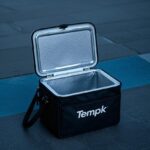
عروض تيمبك أكياس التوصيل الحراري, بما في ذلك تنسيقات حقائب الظهر المعزولة لطرق الطعام والبقالة. يمكن مناقشة المشروع حول أبعاد الحاوية, بطانة, العزل, الإغلاق, الأشرطة, المقسمات, شعار, لون, تعبئة الكرتون, وخيارات التبريد المتوافقة. يدعم Tempk أيضًا عينات لإجراء فحوصات مثل ملاءمة الحمولة, تحمل الراحة, تنظيف, والتعامل مع الطريق. يجب على المشترين تحديد الظروف الغذائية المطلوبة والتحقق من صحة العبوة الكاملة في سياق التشغيل الخاص بهم بدلاً من الاعتماد على الحقيبة وحدها.
قم بمشاركة مظروف الخدمة المكون من صفحة واحدة مع Tempk لمقارنة التصميمات المناسبة وإعداد نموذج لغرض الإنتاج. قم بتضمين الحمولة, مراحل الطريق, هدف درجة الحرارة, وضع الحمل, طريقة التنظيف, احتياجات التوثيق, وحجم الطرح المتوقع.