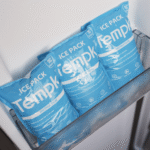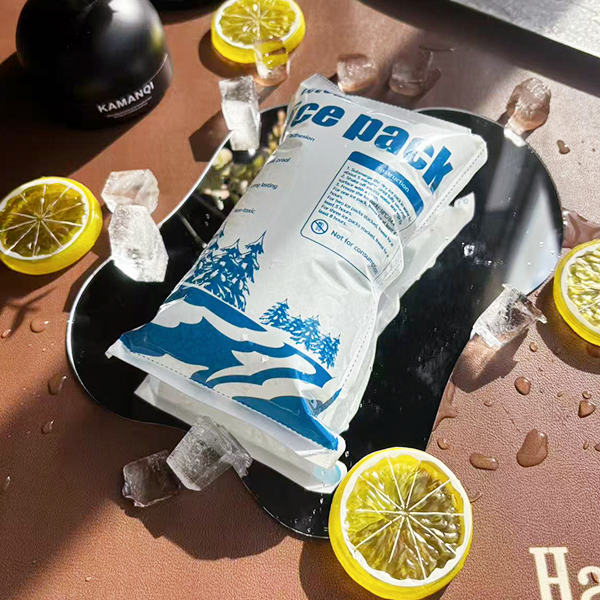
موزع الثلج الجاف لشحن اللحوم: كيفية اختيار الحزمة المناسبة
موزع حزمة الثلج الجاف فشحن اللحوم لا يستحق الشراء إلا عندما يتطابق مع المنتج, الطريق, والأدلة التي تحتاجها بعد الولادة. للحوم, السؤال العملي ليس مجرد مدى برودة العبوة. ينبغي على المشترين تأكيد ما إذا كانوا بحاجة إلى الثلج الجاف الصلب بثاني أكسيد الكربون, حزمة قابلة لإعادة الاستخدام على طراز الثلج الجاف, بي سي إم, حزم هلام, أو مؤهل الشاحن المعزول, ثم تحقق من كيفية أداء هذا الاختيار مع الحمولة الحقيقية وظروف المناولة.
القرار العملي في فقرة واحدة
للحوم, لا تبدأ مع أبرد حزمة. ابدأ بحالة المنتج المسموح بها, ثم اختر مصدر التبريد الأقل خطورة والذي يمكنه دعم المسار. يمكن أن يكون الثلج الجاف مفيدًا لممرات اللحوم المجمدة عند التهوية, وضع العلامات, التعامل, العزل, ويتم التخطيط لإجراءات الاستلام, في حين أن الثلج الجاف قد يكون مفرطًا بالنسبة للحوم المبردة التي لا يجب تجميدها أو بالنسبة للشحنات التي لا تستطيع شركة النقل قبول الثلج الجاف فيها. يجب أن يساعدك المورد في التحقق من ملاءمته للصندوق الفعلي, حمولة, وعملية التعامل.
حدد ما تعنيه عبوات الثلج الجاف في ملخص الشراء الخاص بك
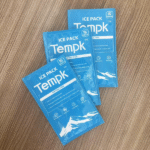
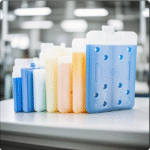
يجب توضيح عبارة كيس الثلج الجاف في كل ملخص شراء. إذا كان يعني الثلج الجاف بثاني أكسيد الكربون الصلب, يجب على المشتري التخطيط للبرد الشديد, تنفيس الغاز, علامات الجليد الجاف, سلامة التعامل, وقبول الناقل. إذا كان ذلك يعني حزمة قابلة لإعادة الاستخدام على شكل ثلج جاف, يجب على المشتري تأكيد المادة, طريقة الترطيب أو التجميد, سلوك المبرد, جودة الختم, وما إذا كانت العبوة مخصصة للتبريد, المجمدة, أو الاستخدام المخزن.
هذا التعريف ليس تفصيل الصياغة. للحوم, فهو يؤثر على سلامة المنتج, اختيار التعبئة والتغليف, عمالة المستودعات, تعليمات العملاء, والتكلفة اللوجستية. المورد الذي لا يستطيع تفسير الفرق قد يستمر في بيع العبوة, ولكن سيتم ترك المشتري ليكتشف القيد أثناء تقديم الشكاوى, عمليات التسليم المرفوضة, أو شحنة تجريبية فاشلة.
أفضل ملخصات الشراء تصف المنتج, الحالة المطلوبة عند التسليم, طول الطريق, العزل المخطط له بالفعل, التعرض المحيطي المتوقع, وأي وثائق يحتاجها الفريق المتلقي. بتلك المعلومات, يمكن للمورد أن يوصي باتجاه الحزمة بدلاً من ذكر حجم الحزمة العام.
قم بمطابقة العبوة مع مخاطر اللحوم, لا لمطالبة مدة عامة
يطلب العديد من المشترين علبة ثلج جاف تدوم لعدد معين من الساعات. هذا السؤال مفهوم, لكنها غير مكتملة. يعتمد وقت الانتظار على الصندوق, كتلة الحمولة, كمية العبوة, ملف تعريف المحيط, موقف الحزمة, كيف يتم إغلاق الحزمة, وكيف يتعامل معها المتلقي. قد يكون الرقم الموجود في ورقة بيانات المورد مفيدًا للفحص, ولكن لا ينبغي معاملته كضمان لكل حارة.
السؤال الأفضل هو: ما هي الحالة التي يجب أن يستوفيها اللحم في نهاية الطريق؟, وما هو الدليل الذي سيثبت ذلك? بمجرد تحديد ذلك, يمكن لفريق التعبئة والتغليف مقارنة الثلج الجاف, حزم على غرار الثلج الجاف, حزم هلام, حزم PCM, وخيارات العزل مع قدر أقل من التخمين. يسهل هذا الأسلوب أيضًا شرح الحزمة لموظفي العمليات.
للحوم, يجب أن تكون العبوة مصممة للتحكم في تدفق الحرارة, ليس فقط لإضافة المزيد من الكتلة الباردة. طبقات التخزين المؤقت, وضع المنتج, تعبئة الكرتون, الانضباط الإغلاق, والشروط المسبقة غالبًا ما تكون بنفس أهمية العبوة نفسها.
جدول القرار لمراجعة المشتريات
| سؤال قبل الطلب | إجابة أفضل للمشتري | خطر إذا تم تجاهله |
|---|---|---|
| ماذا تحتوي الحزمة في الواقع? | ثاني أكسيد الكربون الصلب, حزمة على غرار الثلج الجاف المرطب, هلام, أو PCM | التعامل الخاطئ وافتراض درجة الحرارة الخاطئة |
| ما هي حالة المنتج التي يجب أن تصل? | مبردة, المجمدة, شديدة البرودة, أو ببساطة بارد | تجميد الضرر أو الولادة الدافئة |
| ما هو الصندوق والحمولة التي تم اختبارها? | نفس العزل, كتلة المنتج, وموقف الحزمة المخطط للاستخدام | قد لا يتم تطبيق وقت احتجاز المورد |
| من يتولى التوثيق? | جودة, الخدمات اللوجستية, الناقل, واستقبال الفرق | الشحنات المرفوضة أو الأدلة المفقودة |
| هل يمكن تكرار العينة? | مواصفات مغلقة ومراقبة الإنتاج | يختلف الطلب بالجملة عن العينة المعتمدة |
ليس المقصود من الجدول أن يحل محل تجربة الحزمة. يساعد المشترين على طرح الأسئلة الصحيحة قبل طلب العينة, لذا فإن الاختبار الأول يكون أقرب إلى ظروف التشغيل الحقيقية. عندما لا يتمكن المورد من الإجابة على إحدى هذه النقاط, تعامل معه كعنصر للتحقق وليس كسبب للتخمين.
قائمة مرجعية للشراء للتحكم من العينة إلى الإنتاج
يمكن أن تبدو العينة ناجحة لأنها تم تعبئتها بعناية من قبل شخص ذي خبرة. عمليات الإنتاج مختلفة. ويشارك المزيد من العمال, قد يختلف وقت تجميد العبوة, قد تحدث بدائل المربع, وقد تؤدي المواعيد النهائية للإرسال إلى تقصير العملية. للحوم, يجب على المشترين أن يقرروا كيفية ترجمة التجربة الناجحة إلى تعليمات عمل قابلة للتكرار.
- قفل نوع الحزمة, مقاس, وصف المواد, وطريقة التكييف قبل أمر الإنتاج.
- سجل الشاحن المعزول, بطانة, كتلة الحمولة, وموقف الحزمة المستخدمة في المحاكمة.
- تأكد مما إذا كانت نفس الحزمة تعمل في كل من المواسم الدافئة والباردة أو تحتاج إلى تعديل موسمي.
- تدريب القائمين على التعبئة على طبقات الفصل وقيود الاتصال المباشر.
- حدد ما يجب على الفرق المستقبلة فحصه وما هي الأدلة التي يجب عليهم الاحتفاظ بها.
تعتبر قائمة المراجعة هذه مهمة بشكل خاص لاستعداد الموزع لأن تكلفة عدم الاتساق تظهر عادةً بعد مغادرة الطلب للمستودع. يمكن أن تكون الحزمة الأرخص التي تتطلب معالجة غير واضحة أكثر تكلفة من الحزمة الأكثر تنظيماً قليلاً.
استخدم المطالبات الحذرة عندما يتعلق الأمر بفرق الجودة أو الفرق التنظيمية
للحوم, يجب التعامل مع مطالبات التغليف القوية بعناية. يمكن للمورد وصف مواد التغليف, الاستخدام المقصود, خطوات التكييف, ودعم الاختبار المتاح, لكن القرار النهائي يعتمد على متطلبات المنتج وعملية الشحن. وهذا مهم بشكل خاص عندما تمس الشحنة الطبية, الأدوية, أو توزيع اللقاح, حيث قد تكون هناك حاجة إلى التوثيق ومراجعة الجودة.
للثلج الجاف الفعلي, يجب على الشاحن التحقق من البضائع الخطرة ومتطلبات الناقل قبل الإرسال. تحتاج العبوات عمومًا إلى السماح بإطلاق الغاز, وقد تكون العلامات مطلوبة للنقل الجوي. بالنسبة لحزم الثلج الجاف التي لا تحتوي على ثاني أكسيد الكربون, لا يزال يتعين على المشتري التحقق من تعليمات التجميد, قيود الاتصال المباشر, وما إذا كان قد تم اختبار العبوة في شركة الشحن المقصودة.
لغة المورد الأكثر أمانًا هي لغة عملية ومشروطة. ويوضح المكان المناسب للحزمة, ما يجب التحقق منه, وما لا ينبغي افتراضه. قد يبدو هذا النوع من الصياغة أقل دراماتيكية من الوعد بأداء واسع النطاق, ولكنه يحمي كلا من المشتري والمستخدم النهائي.
مثال عملي لتجنب مصدر التبريد الخاطئ
يطلب فريق المشتريات حلاً لأكياس الثلج الجاف نظرًا لارتفاع درجة حرارة الشحنات السابقة أثناء النقل. بعد مراجعة متطلبات المنتج, يكتشف الفريق أن اللحم يجب أن يظل باردًا ولكن لا ينبغي تعريضه للتجميد الشديد. بدلاً من التحول مباشرة إلى الثلج الجاف الفعلي, يطلب الفريق من الموردين مقارنة العبوات ذات نمط الثلج الجاف, حزم هلام, حزم PCM, وتغييرات العزل.
إن عرض المورد الذي يحقق أفضل أداء ليس بالضرورة هو الأكثر برودة. إنه الذي يفسر فصل المنتج, تكييف الحزمة, تناسب الصندوق, خطر الطريق, والأدلة اللازمة للموافقة. يجري الفريق تجربة باستخدام الحمولة الفعلية ويسجل حالة الاستلام قبل إصدار الطلب المجمع.
يوضح هذا المثال أهمية انضباط المشتري. الهدف ليس إضافة مبرد أقوى; الهدف هو حماية المنتج بطريقة المستودع, الناقل, المتلقي, ويمكن لفريق الجودة أن يكرر.
أعلام حمراء في مقترحات الموردين
ينبغي أن يثير اقتراح اللحوم القلق إذا كان يعد بملاءمة عالمية, يتجنب تحديد نوع الحزمة, يوفر رقم وقت الانتظار دون شروط الاختبار, أو يتجاهل الفرق بين المبردة, المجمدة, ومتطلبات منخفضة للغاية. وينبغي أيضًا أن يثير القلق إذا لم يتمكن المورد من شرح كيفية تخزين العبوة, مشروط, وفصلها عن الحمولة.
أدوات اتخاذ القرار مفيدة
تحقق من التفاصيل قبل اختيار التغليف
يمكن أن تساعدك هذه الأدوات السريعة في مقارنة مخاطر المسار, احتياجات التحجيم, خيارات المبرد, وتفاصيل التعبئة والتغليف قبل أن تطلب عرض أسعار.
أداة اختيار العبوة
قارن بين خيارات التغليف المعزولة حسب المنتج, طريق, ودرجة الحرارة اللازمة.
البحث عن التعبئة والتغليفبطانة الصندوق & تحجيم غطاء البليت
تحقق من منطق تحديد حجم بطانة الصندوق وغطاء منصة التحميل لمشاريع التغليف المعزولة.
تقدير الحجمحاسبة الثلج الجاف
تقدير احتياجات الثلج الجاف للشحنات المجمدة أو شديدة البرودة قبل التعبئة.
تقدير الثلج الجافعلامة حمراء أخرى هي الاقتراح الذي يتعامل مع التوثيق كفكرة لاحقة. حتى بالنسبة لطرق الطعام, قد يحتاج المشترون إلى تلقي ملاحظات التفتيش, المطالبة بدعم التحقيق, أو سجلات الحزمة البسيطة. للطرق الطبية والصيدلانية, يمكن أن تكون توقعات التوثيق أكثر رسمية ويجب تحديدها مبكرًا.
عادة ما يكون الاقتراح القوي أكثر تحديدًا. ويصف الاستخدام المقصود, الحدود, ما يجب اختباره, وما هي المعلومات التي يجب على المشتري تقديمها قبل الطلب. وهذا يجعل قرار الشراء أكثر أمانًا حتى عندما لا يستطيع المورد ضمان نتائج كل مسار.
التعليمات
كيف يمكنني مقارنة الموردين لموزعي عبوات الثلج الجاف لشحن اللحوم?
قارن مدى وضوح تعريف كل مورد لنوع العبوة, استخدام درجة الحرارة المقصودة, طريقة التكييف, تخطيط الحزمة, أدلة الاختبار, واتساق الإنتاج. عادةً ما يقدم المورد الذي يسأل عن مسارك ومخاطر المنتج توصية أكثر أمانًا من المورد الذي يقتبس فقط حسب حجم العبوة.
ما هي المعلومات التي يجب أن أعطيها للمورد؟?
توفير نوع المنتج, حالة الهدف عند التسليم, حجم المربع, وزن الحمولة, طول الطريق, وضع الناقل, التعرض المحيطي المحتمل, وما إذا كانت هناك حاجة إلى وثائق. للحوم, اشرح أيضًا أي حساسية للتجميد, رُطُوبَة, ضغط, أو تلف العرض.
هل يمكنني الاعتماد على وقت الانتظار المحدد?
استخدمه فقط كنقطة فحص أولية ما لم يشرح المورد شروط الاختبار. عقد تغييرات الوقت مع العزل, حمولة, كمية العبوة, درجة الحرارة المحيطة, أحداث الافتتاح, وسلوك المتلقي.
يستحق الشاحن المعزول نفس القدر من الاهتمام الذي يستحقه المبرد. مادة الجدار, إغلاق الغطاء, تناسب الخطوط الملاحية المنتظمة, مساحة رأس فارغة, ترتيب المنتج, وحالة الكرتون كلها تؤثر على اكتساب الحرارة. يمكن أن تؤدي إضافة المزيد من سائل التبريد إلى الشاحن الضعيف إلى زيادة التكلفة ومخاطر المنتج دون حل المشكلة الحرارية الأساسية.
أحد أسباب معاناة المشترين من تغليف اللحوم هو أن خطر درجة الحرارة غير مرئي في وقت التعبئة. قد يبدو الصندوق صحيحًا, قد تشعر العبوة بالبرد, ويمكن أن تكون مختومة الكرتون بدقة, ومع ذلك، لا يزال من الممكن أن يتعرض المنتج لنقطة باردة محلية أو لفترة تسليم دافئة. تساعد طريقة التعبئة المكتوبة على تحويل الفحص المرئي إلى عملية يمكن التحكم فيها.
يجب مراجعة الموسمية قبل إصدار طلب واسع. قد يتطلب التعرض للصيف مزيدًا من العزل أو مستوى خدمة مختلفًا, في حين أن التعرض لفصل الشتاء قد يزيد من خطر تجميد المنتجات التي تحتاج فقط إلى حماية باردة. العبوة الجيدة ليست مجرد حل لحرارة الصيف; كما أنها تأخذ بعين الاعتبار التبريد الزائد في الطقس البارد.
للمشترين الموزعين, يمكن أن تصبح اتصالات التعبئة والتغليف تكلفة مخفية. إذا فرق المبيعات, موظفي المستودع, ويستخدم العملاء عبارة كيس الثلج الجاف بشكل مختلف, قد ينجرف البرنامج. حدد ما إذا كان المنتج عبارة عن ثلج جاف صلب بثاني أكسيد الكربون, حزمة رطبة, حزمة هلام, أو حزمة نمط PCM في جميع المستندات الداخلية.
المفردات حول لوجستيات اللحوم, شحن اللحوم المجمدة, منع التسرب, يمكن أن يكون الشاحن المعزول مربكًا, لذلك يجب على المشتري استخدام أوصاف بسيطة في ملخص الشراء. وصف المنتج, الطريق, حالة التسليم, وقيود التعامل. دع المورد يوصي بالمصدر البارد فقط بعد معرفة تلك الحقائق.
يعد عرض المنتج جزءًا من قيمة سلسلة التبريد. كرتونة مبللة, تسميات مشوهة, أغلفة غائمة, تسرب الحمولات, أو يمكن أن تؤدي علامات الصقيع إلى الإضرار بثقة العملاء حتى عندما يظل المنتج صالحًا للاستخدام. للحوم, يجب أن تحمي العبوة الحالة الفنية والشكل الذي تبدو عليه الشحنة عند استلامها.
تؤثر أجهزة الاستقبال أيضًا على النتيجة. للحوم, يجب أن يعرف الفريق المتلقي ما إذا كان يجب فتح الطرد على الفور, ما إذا كان يجب التعامل مع سائل التبريد المتبقي بالقفازات, وما هي حالة المنتج التي يجب التحقق منها قبل قبول الشحنة. إن تعليمات الاستلام الواضحة تقلل من المطالبات التي يمكن تجنبها.
عادةً ما تتضمن أفضل توصيات الموردين حدودًا. قد يكون المورد الذي يقول متى لا يستخدم كيس الثلج الجاف أكثر فائدة من المورد الذي يدعي أن نفس العبوة تعمل في كل مكان. تساعد الحدود المشترين على تجنب التطبيق الخاطئ واختيار بديل أكثر أمانًا عندما لا يكون المسار أو المنتج مناسبًا.
لا يحتاج الطيار المفيد إلى أن يكون معقدًا, ولكن يجب أن تكون صادقة. قم بتعبئة المنتج الحقيقي أو الحمولة التمثيلية, استخدم المربع المقصود, اتبع عملية المستودع العادية, وتعريض الشحنة لمسار يشبه الاستخدام المستقبلي. قد لا تكشف النتيجة المختبرية المثالية فقط عن تباين المستودع.
متى يجب أن أتجنب الثلج الجاف الفعلي؟?
تجنب الثلج الجاف الفعلي عندما لا يجب تجميد المنتج, عندما لا يستطيع الناقل قبولها, عندما لا يستطيع الموظفون التعامل معها بأمان, أو عندما لا تتمكن العبوة من تنفيس غاز ثاني أكسيد الكربون. ضعي في اعتبارك عبوات الجل, حزم PCM, أو طريقة شحن مختلفة بدلاً من ذلك.
خاتمة
تعتبر عبوات الثلج الجاف الموزعة لشحن اللحوم عملية شراء عملية عندما يتعامل معها المشتري كجزء من عبوة خاضعة للرقابة. تحديد الحالة المطلوبة للمنتج, تأكيد ما إذا كان الثلج الجاف مناسبًا, التحقق من العزل وموقف الحزمة, واطلب الأدلة التي تطابق مسارك. عادة ما يكون القرار الأكثر أمانًا هو القرار ذو الحدود الواضحة, ليس أكبر مطالبة التبريد.
حول Tempk
تيمبك هو تغليف السلسلة الباردة العلامة التجارية لشركة شنغهاي تيمبك الصناعية., المحدودة. نحن ندعم المشترين الذين يحتاجون إلى خيارات تغليف عملية للأغذية, الأدوية, طبي, وغيرها من الشحنات الحساسة لدرجة الحرارة. للحوم, دورنا هو المساعدة في توصيل المصدر البارد, العبوة المعزولة, حمولة, وعملية المعالجة حتى يتمكن المشتري من الانتقال من مراجعة العينة إلى خطة طلب أكثر تكرارًا.
أرسل Tempk متطلبات المنتج الخاص بك, ملف تعريف الطريق, حمولة, ومرحلة الشراء. يمكننا مساعدتك في مقارنة خيارات التعبئة العملية قبل الانتقال من العينة إلى الطلب بالجملة.