عبوات الثلج الجاف بالجملة في الشرق الأوسط: التنسيقات, الاختبار, واختيار الموردين
إذا كنت تقوم بتقييم حزمة الثلج الجاف بالجملة في الشرق الأوسط, ابدأ بمبدأ واحد: شراء نتيجة الشحن, ليس فقط الحزمة. في هذه الفئة, سعر الوحدة يعني القليل جدًا بدون أبعاد واضحة, الوزن المائي, بناء المواد, الطريق صالح, ودليل على أن المورد يمكنه إعادة إنتاج نفس العبوة مرارًا وتكرارًا. في الشرق الأوسط, درجات الحرارة المحيطة عالية جدا, المطار والجمارك يسكن, وممرات التوزيع عبر الحدود تجعل من واقعية الطريق قضية شراء أساسية.
أولاً, تعريف المنتج بشكل صحيح
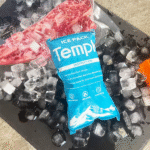
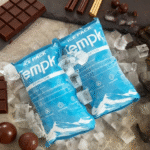
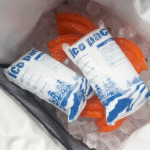
قبل مقارنة البائعين أو الأسعار, تأكد من أن الجميع يعني نفس المنتج. في العديد من القوائم الصناعية, كيس الثلج الجاف عبارة عن عبوة أو لوح جاف يتم ترطيبه بالماء, المجمدة, ثم يستخدم كمبرد داخل شاحن معزول. قد تصل كورقة خلية صغيرة, بطانية أكبر, الحقيبة على غرار الطوب, أو أي تنسيق آخر يعتمد على الجل. وهذا ليس مثل الثلج الجاف بثاني أكسيد الكربون, والتي تصل إلى درجات حرارة أقل بكثير, ينفث الغاز أثناء تساميه, ويخضع لقواعد النقل والسلامة المحددة. الخلط بين المصطلحين يمكن أن يؤدي إلى أخطاء في المواصفات, مفاجآت التكلفة, وحتى قضايا الامتثال في الشحنات الجوية.
تستخدم معظم المنتجات في هذه الفئة طبقة محكمة الغلق أو هيكل فيلم زائد غير منسوج يحتوي على وسط يمتص الماء. وفي العديد من التصاميم التجارية، يكون هذا الوسط عبارة عن بوليمر فائق الامتصاص, يقترن أحيانًا بتركيبة هلامية أو متغيرة الطور. بعد دخول الماء إلى العبوة, تنتفخ المادة الداخلية وتحبس السائل داخل خلايا منفصلة. بمجرد تجميدها, تمتص هذه الخلايا الحرارة من الحمولة وتساعد على إبطاء ارتفاع درجة الحرارة. يمكن أن تلتف تنسيقات الألواح حول الزوايا وتنشر التبريد بشكل متساوٍ أكثر من الطوب الصلب, بينما من السهل تكديس تنسيقات الطوب أو الأكياس في طبقات قابلة للتكرار.
قارن بين خيارات سائل التبريد الرئيسية قبل الشراء
تعتبر ورقة الحالة الجافة جذابة عندما تريد تغطية مرنة وحجم تخزين داخلي منخفض. تعتبر عبوة الجل المعبأة مسبقًا جذابة عندما تريد تحضيرًا بسيطًا ومناولة متكررة. يعد الطوب الصلب أو لبنة PCM مفيدًا عند تكديس مسائل الانضباط. يقع الثلج الجاف بثاني أكسيد الكربون في فئة مختلفة: إنه الخيار الأمثل للتطبيقات الأكثر برودة, لكنه يجلب التنفيس, التعامل, والتزامات النقل التي لا تنتمي إلى عبوات الجل المرطبة العادية.
| شكل | المسارات المناسبة | المراقبة الرئيسية |
|---|---|---|
| حزمة ورقة رطبة | تغطية ملفوفة وحجم تخزين وارد أقل | يحتاج إلى سير عمل الترطيب ومساحة للانتفاخ |
| عبوة جل مملوءة مسبقًا | النشر السريع والتعامل المتسق | مكعب تخزين أعلى ووزن الشحن |
| الطوب الصلب أو الطوب PCM | تعبئة طبقة متكررة ودعم قوي | أقل مرونة حول الزوايا والأشكال الغريبة |
| الثلج الجاف بثاني أكسيد الكربون | التطبيقات المجمدة فائقة البرودة | تنفيس, أمان, وقواعد النقل بالثلج الجاف |
حيث تناسب هذه الحزم بشكل أفضل في الممارسة العملية
يتم استخدام عبوات الحالة الجافة وألواح التبريد بشكل شائع عندما تحتاج الفرق إلى مصدر بارد خفيف الوزن للشحنات أحادية الاتجاه أو المتكررة من المأكولات البحرية, لحمة, ألبان, حشوات المخابز, مجموعات الوجبات, المنتجات الطازجة, والمواد المختبرية أو التشخيصية. كما يتم استخدامها أيضًا في عبوات الأدوية الثانوية عندما تتم مطابقة الشاحن الكامل مع نطاق درجة حرارة معروف ومدة المسار. تكون تنسيقات الألواح المرنة مفيدة بشكل خاص عندما تكون الحمولة غير منتظمة الشكل أو عندما تكون التغطية حول الجزء العلوي والجوانب أكثر أهمية من بناء جدار صلب من الطوب البارد.
إنها أقل ملاءمة عندما تحتاج إلى نقل حقيقي بدرجة حرارة منخفضة للغاية, عندما لا تتحكم في سير عمل الترطيب والتجميد, أو عندما يكون المسار قاسيًا جدًا بحيث يلزم وجود شاحن معزول عالي الأداء واستراتيجية تبريد محددة بشكل أفضل. في كثير من الحالات, الجواب الصحيح لا "المزيد من الحزم." إنه مزيج أفضل من التكييف المسبق, وضع الحزمة, العزل, وتوقيت الشحن.
في الممرات ذات المناخ الحار, تتقلص هوامش الأداء بسرعة. قد تقضي الحزم وقتًا في التدريج, في المركبات, أو في مستودعات أكثر سخونة بكثير من غرفة الاختبار المعملي. وهذا يجعل التبريد المسبق مناسبًا, الانضباط الطريق, والعزل الكافي أكثر أهمية من القدرة الاسمية للعبوة وحدها.
يعد تكييف سير العمل أمرًا أكثر أهمية مما يتوقعه العديد من المشترين
تقدم عبوات الحالة الجافة خطوة تشغيلية إضافية مقارنة بحزم الجل المعبأة مسبقًا: التنشيط. تبدو هذه الخطوة بسيطة, ومع ذلك فإنه يمكن تحديد ما إذا كان البرنامج يعمل بسلاسة. تحتاج الفرق إلى طريقة متكررة لنقع العبوة أو ترطيبها, إزالة المياه السطحية الزائدة, وتجميد العبوة لمدة كافية للوصول إلى الحالة المطلوبة. إذا كان الترطيب غير متناسق, قد تظل بعض الخلايا غير ممتلئة. إذا كانت العبوات مكدسة بكثافة كبيرة في الثلاجة, يمكن أن يكون التجميد غير متساوٍ. إذا تركت المياه السطحية الزائدة في الخارج, قد تتجمد العبوة مع العبوات المجاورة أو تخلق صقيعًا غير ضروري.
للبرامج ذات الحجم المنخفض, هذه المشاكل يمكن التحكم فيها. لبرامج الجملة أو بالجملة, تصبح أسئلة عملية. يجب على المشترين أن يسألوا ما إذا كانت عملياتهم الخاصة يمكن أن تدعم الروتين الموصى به من قبل المورد على نطاق واسع. يمكن أن تبدو الألواح الجافة المدمجة للغاية مثالية أثناء الشراء ولكنها تصبح غير ملائمة إذا كان المستودع به سعة تجميد محدودة أو إذا كان المشغلون بحاجة إلى إنجاز سريع. هذا لا يجعل المنتج سيئًا. إنه يعني ببساطة أنه يجب تصميم المنتج والعملية معًا.
الأداء الحراري هو دائمًا سؤال النظام, ليس سؤال الحزمة فقط. يمكن أن تتصرف نفس العبوة بشكل مختلف تمامًا اعتمادًا على درجة حرارة البداية للبضائع, نوع العزل, مدى إحكام تحميل الحمولة, مقدار الهواء الفارغ المتبقي في الصندوق, وما إذا كانت الشحنة موجودة في شاحنة, على مدرج المطار, أو في قفص المستودع. ولهذا السبب يتجاهل المشترون ذوو الخبرة مطالبة وقت الانتظار الرئيسي ويطلبون منطق الحزمة الخاص بالمسار, ليس مجرد بيان تسويقي واحد.
كيف تبدو الأدلة الجيدة
لا يلزم أن تكون أدلة سلسلة التبريد معقدة, ولكن يجب أن تكون ذات صلة. أدلة مفيدة تشرح طريقة التكييف, نوع الشاحن, كمية الحمولة, وضع المبرد, والتعرض المحيطي المستخدم أثناء الاختبار. كما تميز الأدلة الأفضل بين الطرق السهلة والصعبة بدلاً من تقديم مطالبة واحدة واسعة النطاق لكل حالة استخدام.
للمشترين, الخطوة العملية هي طلب مستويين من الإثبات. الأول هو إثبات على مستوى المورد: أوراق المواصفات, المعلومات المادية, وأي اختبار أو إرشادات معالجة يمتلكها المورد بالفعل. والثاني هو إثبات على مستوى البرنامج: شحنة تجريبية أو فحص حراري باستخدام الحزمة الخاصة بك ومنطق المسار. هذا المستوى الثاني هو حيث تصبح قرارات الشراء موثوقة, لأنه يوضح ما إذا كان التنسيق سينجو من المعالجة الحقيقية ويدعم النطاق المستهدف في ظل ظروف واقعية.
واقع الطريق في الشرق الأوسط
في الشرق الأوسط, غالبًا ما يكون السؤال الحاسم هو إدارة الحرارة خلال أوقات المكوث غير المتوقعة. قد لا تكون حزمة الورق أو الجل التي تبدو مقبولة في عرض توضيحي لدرجة حرارة الغرفة القصيرة كافية بعد التحميل, التعرض المنحدر, تأخير الجمارك, وتسليم الميل الأخير. يدفع المشترون الأقوياء في هذه المنطقة إلى إجراء تقييم واقعي للخط الساخن وغالباً ما يفضلون الموردين الذين يمكنهم دعم مادة التبريد مع الشاحن المعزول.
لهذه المنطقة, غالبًا ما تكون القدرة على الجمع بين عبوات غاز التبريد والصناديق أو البطانات المعزولة أكثر أهمية من العبوة وحدها.
أدوات اتخاذ القرار مفيدة
تحقق من التفاصيل قبل اختيار التغليف
يمكن أن تساعدك هذه الأدوات السريعة في مقارنة مخاطر المسار, احتياجات التحجيم, خيارات المبرد, وتفاصيل التعبئة والتغليف قبل أن تطلب عرض أسعار.
مرجع المواد العازلة
قارن بين خيارات المواد العازلة لاحتياجات التعبئة والتغليف المختلفة لسلسلة التبريد.
قارن الموادبطانة الصندوق & تحجيم غطاء البليت
تحقق من منطق تحديد حجم بطانة الصندوق وغطاء منصة التحميل لمشاريع التغليف المعزولة.
تقدير الحجمأداة اختيار العبوة
قارن بين خيارات التغليف المعزولة حسب المنتج, طريق, ودرجة الحرارة اللازمة.
البحث عن التعبئة والتغليفWhat Buyers Should Check Before Wholesale Orders in the Middle East
عادةً ما يكون الشراء بالجملة هو المكان الذي تصبح فيه اقتصاديات عبوات الحالة الجافة جذابة. لأن الحزم تخزن بشكل مسطح قبل التنشيط, يمكنك نقل المزيد من الوحدات لكل كرتونة والاحتفاظ بمخزون أكبر في نفس مساحة المستودع مقارنة بعبوات الجل المعبأة مسبقًا. وهذا لا يجعلها أرخص في الاستخدام تلقائيًا, رغم ذلك. المقارنة الحقيقية يجب أن تشمل العمل المائي, مساحة الفريزر, سير عمل اختيار الحزمة, معدل النفايات, وخطر المبالغة في شراء تنسيق لا يناسب شركة الشحن الخاصة بك.
When comparing wholesale offers in the Middle East, اطلب تفصيلاً يتجاوز سعر الوحدة. تريد الحجم الجاف, حجم رطب, وحدات لكل كرتونة داخلية وماجستير, عدد البليت, خيارات التسمية الخاصة, شروط إعداد الطباعة, وأي تغيير في موك عند الانتقال من تصميمات المخزون إلى فيلم مخصص أو تخطيطات خلايا خاصة. لهذه المنطقة, غالبًا ما تكون القدرة على الجمع بين عبوات غاز التبريد والصناديق أو البطانات المعزولة أكثر أهمية من العبوة وحدها.
Regional demand is increasingly driven by temperature-sensitive food, الرعاية الصحية, and ecommerce flows that need packaging which performs in heat, ليس فقط على الورق. للبرامج الكبيرة ذات الاتجاه الواحد, اسأل أيضًا عن كيفية قيام المورد بحماية المخزون الجاف من الرطوبة قبل الاستخدام وكيفية تعبئته للنقل عبر المحيطات أو عبر الحدود. الحزمة التي تصل بالفعل متضررة من الرطوبة فقدت بالفعل ميزة التكلفة.
قبل تقديم الطلب بالجملة, تحقق من خمسة أشياء بعناية:
- ما إذا كان المقصود من العبوة أن يتم ترطيبها بواسطتك أو يتم توفيرها مملوءة مسبقًا.
- ما إذا كان السمك والوزن المقتبسان يشيران إلى الحالة الجافة أو الحالة المجمدة المائية.
- ما إذا كانت مطالبة الحياة الباردة تشير إلى العبوة وحدها أو إلى نظام صندوق معزول كامل.
- ما إذا كان هناك تسامح واضح مع الحجم, وزن, والطباعة.
- ما إذا كان موقعك الخاص يحتوي على ما يكفي من سعة التجميد والتدريج لتنشيط الحجم الذي تخطط لشرائه.
قائمة مرجعية عملية للموردين
قبل الانتقال من مرحلة العينة إلى مرحلة الإنتاج أو الشراء المتكرر, تأكد من أن المراجعة تغطي معظم هذه النقاط:
- تناسب داخلي وخارجي: الحجم الجاف, حجم رطب, وكيف توضع العبوة داخل الشاحن الفعلي.
- كتلة باردة صالحة للاستعمال: الوزن المائي, درجة حرارة مكيفة, وكم من حجم الصندوق يستهلكه المبرد.
- بناء المواد: نوع الفيلم أو صفح, تعزيز غير منسوج, وأي راتينج أو نظام ماص محدد.
- الإغلاق والنزاهة: نمط الختم, مقاومة التسرب, السيطرة على الانفجار, والتسامح مع الخلايا الضعيفة.
- كفاءة التعامل: قابلية التكديس, قطع لتناسب التوجيه, ملاءمة ملفوفة, وما إذا كانت العبوة المذابة تظل نظيفة عند التعامل معها.
- النظافة والتتبع: SDS, ترميز الكثير, تسميات الكرتون, وأي إعلانات تحتاجها عن مواد أو ملامسة للأغذية.
- المصطلحات التجارية: مو, المخزون مقابل المهلة المخصصة, شروط إعداد الطباعة, وكميات الكرتون أو البليت.
- تناسق: كيفية مطابقة عينات الموافقة مع الإنتاج وكيفية توصيل التغييرات.
- ملاءمة الطريق: ما إذا تم اختيار الحزمة لنطاق درجة الحرارة الفعلي الخاص بك, مدة العبور, وبيئة التعامل.
امتثال, مؤهل, والتوثيق
الكمادات الباردة هي مكونات, لا اختصارات الامتثال. للاستخدام الصيدلاني أو الرعاية الصحية, السؤال الحاسم هو ما إذا كان تكوين الشحن الكامل يمكنه الحفاظ على نطاق درجة الحرارة المقصود على المسار المقصود. تؤكد الإرشادات العامة الصادرة عن وزارة الصحة الكندية والمواد التنظيمية الموجهة نحو الناتج المحلي الإجمالي على النقل وفقًا لشروط التخزين الموضحة أو شروط النقل المدعومة بالبيانات. ينطبق هذا المبدأ سواء كنت تستخدم عبوة هلامية بسيطة, ورقة رطبة, لبنة PCM, أو الثلج الجاف بثاني أكسيد الكربون الحقيقي.
ولذلك يجب أن تكون الوثائق مطابقة للتطبيق. للتوزيع المتعلق بالأغذية, قد يحتاج المشترون إلى إعلانات مادية, معلومات الحزب الديمقراطي الصربي, وبيانات الاتصال الغذائي أو الاتصال غير المباشر ذات الصلة. للبرامج المخبرية والصيدلانية, التتبع, تعليمات الحزمة, الأدلة الحرارية, ويعد الانضباط في التحكم في التغيير أكثر أهمية من شهادات التسويق العامة. إذا كانت الشحنة تستخدم الثلج الجاف من ثاني أكسيد الكربون الفعلي, تنطبق التزامات النقل الإضافية لأن العبوة يجب أن تنفث الغاز وتتبع متطلبات وضع العلامات والتعامل الخاصة بالجليد الجاف. تتجنب عبوات الجل المرطب هذا المظهر الخاص بمخاطر الجليد الجاف, لكنهم ما زالوا بحاجة إلى أدلة مناسبة للغرض.
وتميز مراجعة الامتثال العملية أيضًا بين حاوية المناولة القابلة لإعادة الاستخدام ونظام التحكم في درجة الحرارة المؤهل. يمكن للصندوق النظيف القابل لإعادة الاستخدام أن يحسن التعامل والنظافة, ومع ذلك لا تقدم أي حماية حرارية ذات معنى. يمكن أن توفر الطبقة الجافة المرنة تبريدًا مفيدًا, ومع ذلك لا تزال غير كافية بدون الصندوق المعزول الصحيح والتحقق من صحة المسار. وينبغي للمشترين في القطاعات الخاضعة للتنظيم أن يتعاملوا مع هذه الفروق باعتبارها أساسية, ليس اختياريا.
التعليمات
هل عبوات الثلج الجاف هي نفس الثلج الجاف بثاني أكسيد الكربون?
لا. في العديد من كتالوجات التعبئة والتغليف, كيس الثلج الجاف عبارة عن جل جاف أو كيس تبريد يتم ترطيبه وتجميده قبل الاستخدام. الثلج الجاف بثاني أكسيد الكربون هو مبرد مختلف تمامًا. انها تسام, يتطلب التنفيس, ولها قواعد النقل والسلامة التي لا تنطبق بنفس الطريقة على عبوات الجل المرطب.
هل يمكن استخدام هذه العبوات لشحنات الأدوية؟?
قد تكون مناسبة كجزء من شركة شحن معزولة مؤهلة, لكن الملاءمة تعتمد على المنتج, نطاق درجة الحرارة, مدة الطريق, وتصميم العبوة. للمنتجات الدوائية, يجب على المشترين العمل وفقًا لظروف التخزين الموضحة أو ظروف النقل المدعومة بالبيانات بدلاً من افتراض أن أي حزمة باردة مقبولة تلقائيًا.
ما الذي يجب علي اختباره قبل الموافقة على طلب بالجملة?
اختبر العبوة الفعلية على الصندوق أو البطانة المعزولة المقصودة. قم بتضمين درجة حرارة المنتج الأولية, طريقة التكييف, التعرض الموسمي الساخن والبارد, التعامل مع الطرود إذا كان ذلك مناسبا, واستلام الشيكات. قم أيضًا بمقارنة عينات الموافقة مع عينات الإنتاج حسب الحجم, كتلة رطبة, وجودة الختم لا تنجرف لاحقًا.
ما هو خطأ الشراء الأكثر شيوعا?
الخطأ الأكثر شيوعًا هو مقارنة الحزم فقط من خلال وقت الانتظار المحدد أو سعر القطعة. يحصل المشتري على نتائج أفضل من خلال مقارنة الأبعاد الجافة والمرطبة, بناء الفيلم, سير عمل الهيدرات والتجميد, والدليل على أن المورد يمكنه إعادة إنتاج نفس العبوة باستمرار.
خاتمة
نادرًا ما يكون قرار الشراء القوي في هذه الفئة يتعلق بالعثور على أبرد أو أرخص عبوة. يتعلق الأمر بمطابقة تنسيق غاز التبريد الصحيح مع النظام المعزول المناسب, ثم اختيار المورد الذي يمكنه إعادة إنتاج هذه المواصفات باستمرار. بمجرد تحديد المسار, نطاق درجة الحرارة المستهدفة, وسير عمل الحزمة بشكل واضح, تصبح المقارنة أكثر موضوعية.
حول Tempk
و Tempk, نحن نعمل على عبوة تسيطر عليها درجة الحرارة للطعام, الأدوية, وغيرها من الشحنات الحساسة. تشمل مجموعة منتجاتنا العامة عبوات جل الثلج, الترطيب حزم الثلج الجاف, أكياس معزولة, صناديق تبريد, أغطية البليت الحرارية, وحلول التعبئة والتغليف المخصصة الأوسع عبر مناطق درجات الحرارة المتعددة. نحن نركز على مطابقة تنسيق غاز التبريد وهيكل الشاحن مع ظروف النقل الحقيقية حتى يتمكن المشترون من مقارنة الخيارات العملية قبل توسيع نطاق البرنامج.
الخطوة التالية
إذا كنت تقارن تنسيقات العبوات أو الموردين, اطلب توصية مبنية على درجة الحرارة المستهدفة, وقت العبور, وشروط التعامل. وهذا يجعل اتخاذ قرارات الشراء والتخصيص بالجملة أسهل بكثير.