صندوق إي بي بي وسيلة شحن المواد سريعة التلف: التصميم معكوس من الاستلام
لم ينجح المبرد لمجرد وصوله مغلقًا. يجب على المتلقي تحديد الحمل, لا تجد أي ضرر أو تسرب غير مؤهل, تقييم أدلة درجة الحرارة بموجب إجراء معتمد ومعرفة ما يجب فعله بعد ذلك. لذلك يجب تحديد وسيلة شحن المواد القابلة للتلف لصندوق EPP بشكل عكسي من قرار الاستلام هذا. حدد كيف يبدو الوصول المقبول, رسم الطريق الذي يمكن أن يهدد ذلك, قم بتركيب الحمولة وسائل التبريد داخل مظروف قابل للقياس, والتحكم في تفاصيل المناولة والإنتاج التي تجعل العبوة قابلة للتكرار. يصبح "متوسط" تكوينًا عمليًا بدلاً من تخمين عدد اللترات.
ابدأ بقرار الاستلام
معايير الاستلام تحول متطلبات التغليف إلى نتائج يمكن ملاحظتها. ابدأ بحدود مالك السلعة وخطة سلامة الغذاء. سجل حالة المنتج المهمة عند الوصول, كيف سيتم تقييمها ومن يمكنه قبولها, احتجاز أو رفض الشحنة. لا تطلب من مورد الصندوق اختيار درجة حرارة عالمية أو عتبة مدة الصلاحية. المأكولات البحرية, وجبات جاهزة, المنتجات والزهور لها مخاوف مختلفة تتعلق بالجودة والسلامة, وتختلف المتطلبات حسب السوق والعملاء.
قم ببناء قائمة مرجعية قصيرة للوصول حول خمسة أسئلة.
هل تتطابق هوية الشحنة مع الطلب؟, إصدار المسار والحزمة?
هل الغطاء جالس بالكامل؟, وهل هناك أي ختم مطلوب, حزام أو تسمية سليمة?
هل هناك ضرر, تلوث, هروب سائل أو دليل على سوء التعامل?
ما هي درجة الحرارة أو معلومات المراقبة المطلوبة, وأين يتم الحصول عليها?
ما الإجراء الموثق يتبع استثناء?
هذه الأسئلة تشكل الصندوق. إذا احتاجت أجهزة الاستقبال إلى تسمية طريق مرئية دون فتحها, حجز منطقة تسمية قابلة للغسل. إذا كان يجب عليهم استرداد المسجل, ضعه في مكان لا تؤدي عملية الإزالة فيه إلى إزعاج الحمولة بأكملها. إذا كان التسرب يؤدي إلى الانفصال, اختر بطانة, مكون ماص وتصميم احتواء يجعل التسرب مرئيًا دون إطلاق السائل عبر سلسلة النقل.
درجة حرارة الهواء, يمكن أن تختلف درجة حرارة سطح العبوة ودرجة حرارة المنتج. يجب أن يوضح إجراء الاستلام القياس الذي يدعم القرار. يمكن للمسجل تسجيل الظروف في جهاز الاستشعار الخاص به; ولا يمكن إثبات موقع كل منتج ما لم يثبت تصميم المراقبة تلك العلاقة. كما أنها لا تستطيع توفير التبريد.
التعبئة والتغليف القابلة للإرجاع إنشاء حدث تلقي ثانٍ. عندما يعود الصندوق الفارغ, يجب أن تحدده منطقة العودة, وحدات قذرة منفصلة, ملاحظة الضرر وتوجيهه للتنظيف أو التقاعد. قد يظل الصندوق الذي اجتاز فحص استلام الطعام غير مناسب لرحلة أخرى لأن حافته تحطمت أثناء العودة الفارغة.
يؤدي البدء عند الاستلام إلى الكشف عن الميزات التي يفتقدها عرض الكتالوج: الوصول إلى التسمية, رؤية الختم, اتجاه الغطاء, سلوك الصرف, استرجاع البيانات وفحص الحالة. يجب أن تظهر تلك المتطلبات في مخطط الرسم والعينة.
المسار - الحمولة - المناولة مناسبة لوسيط شحن المواد القابلة للتلف لصندوق EPP
العمل بشكل عكسي من جهاز الاستقبال خلال كل عملية تسليم للإرسال. يجب أن تسجل خريطة الطريق السكن, التحولات المحيطة, افتتاح, معدات التحميل, التوجه ومن يتحكم في الصندوق. المسافة هي مدخل واحد فقط. يمكن أن يكون الطريق القصير مع الفتحات المتكررة والرصيف المكشوف أكثر تطلبًا من الحركة المغلقة الأطول في المعدات الخاضعة للرقابة.
استخدم المصفوفة أدناه للحفاظ على ثلاثة أشكال من التوافق متصلة.
| منطقة القرار | الأسئلة التي تحدد الملاءمة | الأدلة قبل الإفراج |
|---|---|---|
| صالح الطريق | أين يمكن أن ينتظر الصندوق, يفتح, إمالة أو نقل? هل هو الطريق, قطعة, الهواء أو الوضع المختلط? | خريطة الطريق, تسليم المسؤولية, الأساس المنطقي المحيط ومراجعة النقل المعمول بها |
| تناسب الحمولة | ما هي الأحمال المنخفضة والعالية? ما المساحة التي يستهلكها المبرد, بطانات, ماص, فواصل وشاشات? | الحد الأدنى من الرسم الداخلي والحزم المادية التي تمثل الإنتاج |
| التعامل مع صالح | من يرفع, مداخن, يفتح, تسميات, يغسل ويستلم الصندوق? ما هي الأخطاء المعقولة? | طيار المشغل, مراجعة مريحة, فحص الإغلاق ومعايير الضرر |
| النظافة مناسبة | هل الطعام غير معبأ أو مغلق? أين يمكن أن تنتقل السوائل والبقايا؟? كيف سيجف الصندوق? | إعلانات المواد ذات الصلة والغسيل المعتمد, شطف, عملية التجفيف والتفتيش |
| تناسب الحرارية | ما هي شروط البداية, سائل التبريد, حساب تعريفي, تنطبق أجهزة الاستشعار ومعايير القبول? | أكمل بروتوكول الحزمة وقم بإعداد تقرير مناسب لمخاطر المسار |
| تناسب الإنتاج | كيف سيقوم المورد بإعادة إنتاج الدرجة, كثافة, هندسة, غطاء وملحقات? | المواصفات التي تسيطر عليها, المادة الأولى, تتبع الكثير وإخطار التغيير |
ولا يجوز اعتماد أي صف من أدلة صف آخر. إن إعلان ملامسة الطعام لا يثبت الملاءمة الحرارية. لا يثبت الاختبار الحراري أن الغطاء سيصمد أمام التعامل مع الطرود. لا تثبت تجربة السائق مدى ملاءمتها لملف تعريف البيئة الموسمية خارج البرنامج التجريبي.
تحتاج مسارات الوضع المختلط إلى رعاية خاصة. تتناول قاعدة النقل الصحي التابعة لإدارة الغذاء والدواء الأمريكية (FSMA) حركات الأغذية المغطاة بواسطة السيارات أو السكك الحديدية في الولايات المتحدة وتحدد المسؤوليات والضوابط ضمن نطاقها.. تستبعد إدارة الغذاء والدواء النقل البحري والجوي من هذه القاعدة لأن القانون يحد من نطاقها. وبدلاً من ذلك، تتطلب الحركات الجوية مراجعة لوائح الاتحاد الدولي للنقل الجوي الخاصة بالبضائع القابلة للتلف, قواعد الناقل ومتطلبات المنشأ والوجهة المعمول بها. ولا ينبغي لنا أن ندمج هذه الأطر في ادعاء غامض بالامتثال العالمي.
يمكن أن يظهر المسار أيضًا عندما يكون EPP السلبي غير كافٍ. قد تكون هناك حاجة إلى التبريد النشط عندما لا يمكن دعم البيئة المطلوبة بواسطة حزمة سلبية. قد لا يناسب الصندوق المغلق المنتجات أو الزهور التي تحتاج إلى استراتيجية محددة للتهوية أو الرطوبة. قد تحتاج الحارة التي بها تأخيرات لا يمكن التحكم فيها أو الوصول المتكرر إلى نموذج تشغيل مختلف. يجب أن تتكيف الحاوية مع المسار; لا ينبغي إجبار المسار على التوافق مع فئة الحاوية.
تحويل "متوسط" إلى حزمة خاضعة للرقابة
تحديد الخارج والداخل بشكل منفصل. الأبعاد الخارجية القصوى تتحكم في رفوف المركبات, المنصات, الناقلات, المداخل وحدود الناقل. الحد الأدنى من الأبعاد الداخلية القابلة للاستخدام يحكم ملاءمة المنتج. يجب أن يتضمن الرسم الداخلي تفتقًا, نصف القطر, فترات الاستراحة مصبوب, ميزات الصرف وتسلل الغطاء. اطلب أبعاد فتح واضحة بالإضافة إلى أبعاد التجويف, لأن المنتج يمكن أن يتناسب مع الداخل ولكنه يفشل في المرور عبر الفتحة.
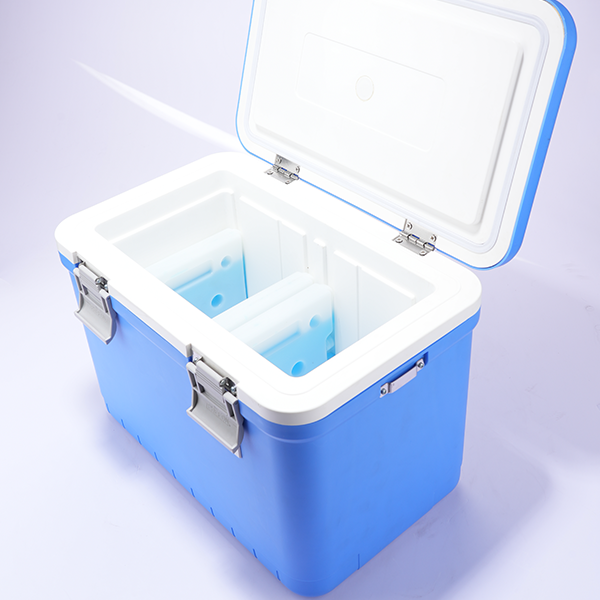
التالي, إنشاء فاتورة مكونات الحزمة. قائمة الترتيب الدقيق للحمولة, سائل التبريد, فاصل, مقسم, بطانة, وسادة ماصة, شاشة, الختم والتسمية. لا تحسب المساحة غير المستخدمة مرتين. إذا كان المبرد يجلس في قناة مصبوبة, التحقق من أبعاده المشروطة والتأكد من أنه لا يمكن أن ينتقل إلى منطقة المنتج. إذا كان نطاق الحمولة يختلف, قم بإنشاء أكثر من حزمة خاضعة للرقابة بدلاً من توجيه الموظفين إلى "ملءها حسب الحاجة".
المبرد ليس سلعة عامة. صياغتها, مقاس, يؤثر الإعداد والتنسيب على نمط درجة الحرارة. إن التهيئة المسبقة للمنتج مهمة أيضًا. لا يمكن للصندوق السلبي أن يسحب الحمل الدافئ بشكل موثوق إلى الحالة المقصودة, ويمكن أن تستهلك EPP الدافئة المخزنة بجوار باب الإرسال جزءًا من مورد التبريد. يجب أن تحدد التعليمات المعتمدة كيفية المنتج, الصندوق والمبرد يدخلان التعبئة.
تصميم الرطوبة يتبع السلعة والطريق. قد تتطلب عبوة المأكولات البحرية حزمة أساسية مختومة, بطانة ومواد ماصة. قد يعطي طريق الطعام الجاهز الأولوية لتنظيف الانسكابات. يمكن أن يساعد الصرف في التنظيف أو التحكم في المعالجة المحلية, ولكنها ليست وسيلة لاحتواء التسرب وقد تكون غير مناسبة إذا كان من الممكن أن يتسرب السائل أثناء النقل. يجب أن تستخدم تجارب الطرف والإغلاق البطانة والحمولة المقصودة.
يجب ذكر الاتصال المباشر بالأغذية بشكل صريح. في الاتحاد الأوروبي, يحدد إطار ملامسة الغذاء متطلبات السلامة العامة والخمول, بقواعد محددة للمواد والأدوات البلاستيكية. يجب على المورد تقديم الوثائق المرتبطة بالدرجة الفعلية, لون, إضافات, المادة النهائية والشروط المقصودة حيث يقترح الاتصال المباشر. لا يثبت مثال درجة ملامسة الطعام الخاص بمنتج المواد أن كل مبرد EPP يستخدمه.
أدوات اتخاذ القرار مفيدة
تحقق من التفاصيل قبل اختيار التغليف
يمكن أن تساعدك هذه الأدوات السريعة في مقارنة مخاطر المسار, احتياجات التحجيم, خيارات المبرد, وتفاصيل التعبئة والتغليف قبل أن تطلب عرض أسعار.
حاسبة علبة الثلج
تقدير كمية عبوات الثلج الهلامي للشحنات المبردة والتخطيط العملي للمسار.
تقدير عبوات الثلجبطانة الصندوق & تحجيم غطاء البليت
تحقق من منطق تحديد حجم بطانة الصندوق وغطاء منصة التحميل لمشاريع التغليف المعزولة.
تقدير الحجممحدد التعبئة والتغليف
قارن بين خيارات التغليف المعزولة حسب المنتج, طريق, ودرجة الحرارة اللازمة.
البحث عن التعبئة والتغليفللطعام المختوم, قد يكون ملف جهة الاتصال مختلفًا, لكن النظافة تظل ذات صلة. يمكن أن تؤدي العبوة الداخلية المتسربة إلى تلويث الصندوق. يمكن أن تترك الملصقات والمواد اللاصقة مصائد التربة. يمكن أن يبقى ماء الغسيل تحت الأغطية المتداخلة. صمم سير عمل التنظيف والتجفيف كجزء من الحزمة, ليس كفكرة لاحقة.
قم بتجميع ملف الأدلة الذي ينجو من التدقيق والتغيير
ويجب أن يبين ملف الأدلة ما هو معروف عند المادة, جزء, مستويات الحزمة والطريق.
على المستوى المادي, تحديد عائلة راتنجات EPP أو المواصفات الخاضعة للرقابة, درجة, هدف الكثافة المقولبة, عبوة ملونة أو مضافة وأي إعلان ذي صلة بملامسة الطعام. توضح معلومات ARPRO الخاصة بـ JSP سبب أهمية هذا المستوى: يقدم المنتج درجات متعددة ويحدد خيارات معينة لملامسة الطعام. إن EPP ليست وصفة واحدة قابلة للتبديل.
على مستوى الجزء, السيطرة على الرسم, الأبعاد الحرجة, طريقة الكتلة أو الكثافة, اندماج حبة, سطح, صفحة الحرب, حافة التسطيح, غطاء للجلوس, المقبض والإكسسوارات مناسبة. مقاومة المواد للرطوبة لا تنشئ احتواءًا للسوائل. اختبار التصميم النهائي في التوجهات ذات الصلة.
على مستوى الحزمة, حمولة الوثيقة, سائل التبريد, الشروط المسبقة, وضع المكون, تعليمات الإغلاق والتشغيل. يجب أن يقوم الدليل الحراري بتسمية الملف الشخصي المحيط, أجهزة استشعار, طريقة التسجيل, معايير القبول, الانحرافات والعينات الدقيقة. لا يمكن نقل المدة المبلغ عنها إلى حمولة جديدة أو غطاء منقح دون مراجعة فنية.
تقدم ISTA طرقًا ذات أغراض مختلفة. يشير سجل تغيير الإجراءات إلى أن 7D لم يعد منشورًا ويحيل مستخدمي حاويات الشحن المعزولة إلى 7E. يعالج المعيار 7E الحرارة تغليف النقل في أنظمة تسليم الطرود, بينما قياسي 20 يوفر عملية لتصميم وتأهيل محددة حاوية شحن معزولة. الإجراءات البدنية, مثل 3A لمنتجات حزم الطرود القابلة للتطبيق والسلاسل الأخرى 3 إجراءات أنظمة التوزيع المختلفة, فحص المخاطر الميكانيكية. اختر دليلاً من الطريق بدلاً من كلمة "متوسط".
على مستوى الطريق, يجب على الطيار التقاط المسكن, الفتحات, إمالة, تكديس, استخدام التسمية, يراقب, استلام والعودة. العمل المخبري الخاضع للرقابة والعمل على الطريق يكمل كل منهما الآخر; ولا هو عالمي. لا تقم أبدًا بتحويل نتيجة التعرض الحراري إلى وعد بمدة الصلاحية بدون أدلة خاصة بالمنتج.
أخيراً, حماية الأدلة من خلال التحكم في التغيير. يتطلب إشعارًا قبل التغيير في مصدر المادة أو درجتها, المحتوى المعاد تدويره, هدف الكثافة, لون, أداة, موقع التصنيع, عملية, غطاء, بالُوعَة, إنهاء, منطقة التسمية أو الملحق. يمكن لفرق التغليف وسلامة الأغذية التابعة للمشتري أن تقرر ما إذا كان التغيير يؤثر على وثائق الاتصال, اللياقة البدنية, التنظيف أو الاختبار.
طيار مع الحزم, برامج التشغيل وأجهزة الاستقبال
يجب أن تشمل عينة المراجعة الأشخاص الذين يقومون بالعمل. يمكن للمشتريات مقارنة عروض الأسعار; التعبئة والتغليف يمكن التحقق من الهندسة; يمكن لسلامة الأغذية مراجعة الاتصال والصرف الصحي; يمكن للرازم كشف أخطاء التجميع; يمكن للسائقين اختبار التعامل والفتح; ويمكن للمستقبلين التحقق من أن ضوابط الوصول عملية.
ابدأ بعينة محددة بوضوح. سجل مراجعة الرسم, الصف المادي أو المواصفات, هدف الكثافة, حالة الأداة وملحقاتها. إذا كان النموذج الأولي, توثيق كيف قد يختلف الإنتاج. قم ببناء الحمولات المنخفضة والعالية باستخدام سائل التبريد المكيف وكل مكون ثانوي.
مراقبة بدلا من تدريب كل حركة. هل يعرف الباكر اتجاه الغطاء؟? هل يمكن للبطانة عبور الحافة? هل تسمية المسار مرئية في المكدس? هل يرفع السائق من ميزة مصبوبة ضعيفة? هل يمكن لجهاز الاستقبال العثور على الشاشة دون تفريغها على سطح غير متحكم فيه? غالبًا ما تنتج هذه الملاحظات تغييرات أفضل في التصميم مقارنة بخطوط المواصفات العامة الأخرى.
اختبار التنظيف على المستخدمة, وحدات متسخة بشكل واقعي. تأكيد توافق الوكيل, تركيز, درجة حرارة, وقت الاتصال, شطف وتجفيف. فحص بقايا التسمية, قنوات التصريف, الزوايا وواجهة الغطاء. فصل التدفقات القذرة والنظيفة. قم بتحديد أمثلة التقاعد قبل الطيار حتى لا يتم الجدال حول الوحدات المتضررة لاحقًا.
الانتقال من العينة إلى مجموعة تجريبية تمثل الإنتاج. التحقق من التباين عبر الوحدات في الأبعاد, مؤشر كتلة أو كثافة الجزء, الانصهار, السطح والإغلاق. تأكد من أن وحدة التعبئة تحمي الصناديق قبل وصولها إلى موقعك. مراجعة إمكانية التتبع وعملية المورد فيما يتعلق بالإنتاج غير المطابق.
يجب أن يتم تلقي البيانات مرة أخرى في الإصدار. إذا وصلت صناديق متعددة مع زاوية واحدة غير مثبتة, معالجة الإغلاق أو التعليمات. إذا كان موقف المسجل لا يمكن الوصول إليه, قم بمراجعة الحزمة. إذا كانت العائدات تبقى مبللة, تغيير ترتيب التجفيف والتخزين. تكون الموافقة أقوى عندما تغلق حلقة ردود الفعل هذه.
تظل الشروط التجارية خاصة بالمشروع. اطلب من المورد تأكيد ترتيبات العينة, الأدوات, الحد الأدنى للطلب, مهلة, التخصيص وقطع الغيار في الكتابة. لا تدع الافتراضات التجارية غير المؤكدة تدخل الملف الفني الخاضع للرقابة كحقائق.
قرار افتراضي من النهاية إلى النهاية
تخيل منتجًا للأطعمة الجاهزة يختار صندوق EPP متوسطًا قابلاً لإعادة الاستخدام للتوصيل إلى منافذ البيع بالتجزئة. تستخدم الخطة الأصلية حزمة واحدة للطلبات الكاملة والجزئية. الصندوق يناسب رف الشاحنة, لكن الأوامر الجزئية تترك سائل التبريد حرًا في الحركة. الطلبات الكاملة تضغط على زاوية البطانة في مفصل الغطاء. عند الاستلام, يجب على الموظفين فتح ثلاثة صناديق للعثور على ملصق المتجر المناسب, زيادة التعرض. يتم تكديس الأغطية المرتجعة قبل التجفيف.
يقوم الفريق بتصميمات عكسية من الاستلام. يقوم بإنشاء منطقة تسمية خارجية يمكن قراءتها في المكدس وفحص استلام الهوية, إنهاء, التسرب وسجل درجة الحرارة المعتمدة. يتحكم تكوينان للحزمة في الأحمال الكاملة والجزئية. يحافظ الفاصل المصبوب على مكان سائل التبريد. لم تعد البطانة تعبر الحافة, وتقوم عملية الغسيل بتخزين الأجسام والأغطية حتى يمكن تصريف المياه وتجفيف الأسطح.
يختار التغليف الأدلة الحرارية والمادية المناسبة لنمط توزيع الطرق. يتضمن الطيار الحزم, السائقين ومستقبلات التجزئة. يربط المشتري العينة المعتمدة برسم الإنتاج, قائمة المواد وإخطار التغيير. وتنتظر تقارير الاستدامة البيانات الفعلية عن العائدات, خسائر, الغسيل والتقاعد.
لا توجد درجة حرارة مخترعة, هناك حاجة إلى زيادة المدة أو العمر الافتراضي لجعل القرار مفيدًا. ينجح المشروع عندما يمكن تقييم كل وصول في إطار عملية خاضعة للرقابة وتبقى وحدات الإنتاج مرتبطة بالأدلة المستخدمة للموافقة.
خاتمة: الإيصال هو الاختبار النهائي لملاءمة الطريق
يؤدي تحديد وسيلة شحن المواد القابلة للتلف لصندوق EPP إلى الخلف من الاستلام إلى محاذاة الفرق التي يجب أن تستخدمها. تحديد وصول مقبول, خريطة الطريق, بناء حزم منخفضة وعالية قابلة للقياس, والتحكم في المبرد, رُطُوبَة, الاتصال الغذائي, تسميات, المراقبة والتعامل. دعم المطالبات الحرارية والفيزيائية بالطرق المناسبة لنظام التوزيع الفعلي.
ثم حافظ على هذا القرار بدءًا من العينة وحتى الإنتاج وإعادة الاستخدام. يعتبر صندوق EPP المتوسط كافيًا فقط عندما يكون تصميمه سلبيًا, تعمل عملية التشغيل وضوابط الاستلام على إدارة المخاطر المحددة. إذا كان الطريق يتطلب التحكم النشط, التهوية أو الأدلة التي لا يمكن أن يدعمها التكوين, اختر نظامًا آخر.
حول Tempk
تنشر Tempk خيارات صندوق التبريد EPP لتوصيل الطعام والاستخدامات ذات الصلة, جنبا إلى جنب مع المبرد وفئات التعبئة والتغليف المعزولة الأخرى. يمكننا مناقشة المشروع بدءًا من متطلبات الاستلام وحتى الحمولة, طريق, إنهاء, ظروف الرطوبة وإعادة الاستخدام وتحديد خيار لتقييم العينة. يمكن تضمين ضوابط الاستلام والإرجاع في مناقشة التغليف الأولية تلك. رسومات خاصة بالمنتج, يجب أن تدعم المستندات المادية وأدلة الاختبار ذات الصلة موافقة المشتري; لا ينبغي التعامل مع فئة الكتالوج وحدها على أنها مطالبة أداء أو امتثال.
قم بمشاركة قائمة مراجعة الاستلام وخريطة الطريق مع Tempk لمشروع وسيلة شحن المواد القابلة للتلف لصندوق EPP الخاص بك. استخدامها لتحديد العينة, الأدلة وضوابط الإنتاج المطلوبة قبل بدء التشغيل.