كيفية الحصول على حزمة الجل المرنة المناسبة دون التخمين
إن أفضل منتج بالجملة في مجال التكنولوجيا الحيوية المرنة هو الذي يناسب الوظيفة دون خلق مخاطر إضافية في مكان آخر. في الممارسة العملية, يحتاج المشترين لمقارنة التصميم, سلوك المرحلة, الطريق صالح, انضباط المورد, واتساق الطلب بالجملة معًا. هذه هي الطريقة الوحيدة الموثوقة لاختيار حزمة تعمل بعد مجموعة العينة الأولى.
يوجد أدناه دليل شراء عملي يركز على الأسئلة التي عادةً ما تحتاج فرق المشتريات والعمليات إلى الإجابة عليها أولاً: ما يفعله المنتج حقا, حيث يناسب, ما يمكن أن يحدث الخطأ, وكيفية معرفة مورد موثوق به من خلال خيار الكتالوج فقط.
ما هو المنتج وما هو ليس كذلك
عادةً ما تكون حزمة الجل المرنة للبيع بالجملة في مجال التكنولوجيا الحيوية عبارة عن طرد أو مجموعة مبرد تم اختيارها لقدرتها على التناسب مع الحجم الصغير, غير منتظم, أو الحمولات الهشة. أنابيب, قوارير, لوحات, الكواشف, وغالبًا ما تترك مجموعات العينات مساحة صغيرة جدًا داخل الشاحن المعزول, لذلك يمكن أن توفر العبوة الناعمة مساحة اتصال أكبر ومساحة أقل إهدارًا من الطوب الصلب. التحذير المهم هو أن المرونة لا تقول شيئًا في حد ذاتها عن نطاق درجة الحرارة المستهدفة.
في مجال الخدمات اللوجستية في مجال التكنولوجيا الحيوية, هذه التفاصيل أمر بالغ الأهمية. بعض المنتجات سعيدة في المبردة 2 ل 8 الفرقة درجة مئوية. والبعض الآخر يجب أن يظل مجمداً, وبعضها حساس للتجميد على الرغم من شحنه باردًا. يمكن للحزمة المرنة أن تدعم أيًا من هذه الممرات من حيث المبدأ, ولكن فقط إذا كانت الصياغة, تكييف, ويتم مطابقة تصميم الصندوق مع متطلبات المنتج الفعلية.
للتكنولوجيا الحيوية وحركة العينة, يجب تقييم مادة التبريد ضمن تصميم العبوة الكاملة. تختلف المتطلبات حسب نوع المادة, طريق, وما إذا كانت الشحنة سريرية, بحث, أو تجاري.
كيف تغير اختيارات التصميم الأداء
تستخدم هذه العبوات عادةً طبقة متعددة الطبقات أو بنية بولي صلبة مع مادة هلامية أو حشوة متغيرة الطور مصممة للاستخدام المبرد أو تحت الصفر. تُظهر مراجع المنتجات العامة في السوق التركيبات القياسية المعتمدة على الماء وخيارات درجات الحرارة المنخفضة للممرات المجمدة. يقدم بعض الموردين أيضًا أنواعًا خالية من العرق أو منخفضة التكثيف بسبب الرطوبة حول الملصقات, الأوراق, أو يمكن أن تصبح الحاويات الثانوية مشكلة عملية.
من منظور المواد, المرونة ليست مجرد ميزة مريحة. أنه يؤثر على الاتصال السطحي, التحكم في فجوة الهواء, وكيف تتصرف العبوة حول الزوايا, رفوف, أو أصحاب الثانوية مصبوب. يمكن أن تؤدي العبوة التي تظل صلبة جدًا بعد التجميد إلى حدوث تلامس غير متساوٍ وتبريد نقطة واحدة على الحمولة بشكل زائد مع ترك منطقة أخرى مكشوفة.
يتشكل أداء حزمة التكنولوجيا الحيوية حسب نقطة الطور, تكييف, هندسة الاتصال, طبقات عازلة, وضع مسجل البيانات, والحساسية الحرارية للمادة المحددة التي يتم شحنها.
عادةً ما يتعلم المشترون أكثر من خلال قائمة قصيرة من نقاط البيانات الثابتة: الأبعاد النهائية, الوزن الصافي للتعبئة, سمك متجمد, نطاق تغيير الطور أو نطاق درجة الحرارة المقصود, تعليمات التكييف, وتكوين التعبئة والتغليف حسب الحالة أو البليت. تسمح هذه التفاصيل لفرق العمليات والجودة بتصور كيفية تصرف الحزمة قبل بدء التجربة.
الاختيار حسب التطبيق والطريق
وتشمل تطبيقات التكنولوجيا الحيوية نقل العينات, توزيع الكاشف, شحنة عدة, والمواد البحثية الحساسة لدرجة الحرارة. في كثير من الحالات, يتم استخدام العبوة خارج الحاوية الثانوية بحيث يتم التحكم في خطر التسرب وتبقى الحمولة منفصلة ماديًا عن مادة التبريد. يعد هذا الانضباط الأساسي للتعبئة أكثر أهمية مما يدركه العديد من المشترين.
لأن مسارات التكنولوجيا الحيوية يمكن أن تنطوي على عمليات تسليم بين المختبرات, سعاة, واستقبال الفرق, الاتساق مهم. يجب أن تتصرف نفس العبوة بنفس الطريقة دفعة بعد دفعة حتى تتوافق تعليمات التعبئة, تمرين, ويبقى عمل التأهيل ساري المفعول. ولذلك فإن تحديد مصادر البيع بالجملة يتطلب أكثر من مجرد التسوق بالسعر. يتطلب التحكم في العملية.
يتشكل أداء حزمة التكنولوجيا الحيوية حسب نقطة الطور, تكييف, هندسة الاتصال, طبقات عازلة, وضع مسجل البيانات, والحساسية الحرارية للمادة المحددة التي يتم شحنها. بعبارة أخرى, يبدأ الاختيار بمشكلة التشغيل, ليست صورة الكتالوج. المشترين الذين يحددون نطاق درجة الحرارة, وقت العبور, حساسية الحمولة, ومن الواضح أن طريقة التحميل تميل إلى اتخاذ قرارات أسرع وأكثر أمانًا.
عادةً ما تنتهي المقارنة الملائمة للمشتري إلى ستة عمليات فحص:
اختر ناعمة, حزمة مطابقة للغاية عندما يكون تجويف المجموعة ضيقًا وتتغير هندسة الحمولة النافعة بواسطة SKU.
برامج العبوات المبردة والمجمدة منفصلة إذا كانت محفظتك تتضمن مواد حساسة للتجميد ومجمدة.
ابحث عن أبعاد متسقة وإمكانية تتبع الكمية لأنه يمكن تقويض المؤهلات من خلال الانجراف الهادئ للمواصفات.
تحقق مما إذا كان خيار عدم التعرق أو إدارة الرطوبة مفيدًا حول الملصقات, مواد ماصة, أو الوثائق.
مراجعة تعليمات التكييف بالتفصيل, خاصة إذا كانت الحمولة بالقرب من مادة التبريد بدون حاجز سميك.
تعامل مع الملاءمة حول الحمولة والمسجل باعتبارها مشكلة تأهيل, ليس مجرد تفضيل تشغيلي.
غالبًا ما يكون الملاءمة حول الحمولات غير المنتظمة بنفس أهمية سعة التبريد الخام.
قائمة مرجعية عملية للموردين
لقائمة مختصرة من الموردين, اسأل عن نقطة المرحلة, كتلة هلام, مواصفات الفيلم, تصميم الختم, ترميز الكثير, تعليمات التخزين, وممارسة السيطرة على التغيير. إذا كانت الحزمة ستدخل في سير عمل تم التحقق من صحته أو شبه التحقق منه, أي تغيير في كيمياء الهلام, مستوى التعبئة, أو قد يتطلب سمك الفيلم إعادة المراجعة أو إعادة التأهيل من جانبك.
يجب عليك أيضًا التأكد مما إذا كان المورد يمكنه دعم البصمة المخصصة, وضع العلامات النظيفة, والتعبئة والتغليف التي تناسب تجميع المجموعة. يمكن أن تكون الاختلافات الصغيرة في هندسة العبوات ذات أهمية كبيرة في مجموعات التكنولوجيا الحيوية, حيث تحدد المليمترات ما إذا كانت الحزمة موضوعة بشكل صحيح حول الحمولة ومسجل البيانات.
نقطة المرحلة, كتلة هلام, وروتين تكييف مفصل
البصمة, سمك متجمد, وتتناسب مع التغليف الثانوي
مواصفات الفيلم, قوة الختم, وسلوك الرطوبة
إمكانية تتبع الكثير, مراقبة المواصفات, وإدارة التغيير
أدوات اتخاذ القرار مفيدة
تحقق من التفاصيل قبل اختيار التغليف
يمكن أن تساعدك هذه الأدوات السريعة في مقارنة مخاطر المسار, احتياجات التحجيم, خيارات المبرد, وتفاصيل التعبئة والتغليف قبل أن تطلب عرض أسعار.
سائل التبريد & مرجع PCM
قارن خيارات سائل التبريد وPCM عندما يحتاج المسار إلى دعم إضافي لدرجة الحرارة.
قارن الخياراتحاسبة علبة الثلج
تقدير كمية عبوات الثلج الهلامي للشحنات المبردة والتخطيط العملي للمسار.
تقدير عبوات الثلجبطانة الصندوق & تحجيم غطاء البليت
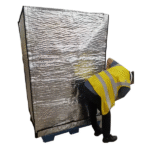
تحقق من منطق تحديد حجم بطانة الصندوق وغطاء منصة التحميل لمشاريع التغليف المعزولة.
تقدير الحجمالتعبئة والتغليف لتجميع المجموعة, وضع العلامات, والعرض النظيف
دعم تجارب الطريق, عينات, والتحجيم المخصص عند الحاجة
قبل توسيع النطاق, إجراء محاكمة بسيطة ولكن منضبطة. استخدم الحمولة الحقيقية أو البديل الحراري القريب, الحزمة الخارجية الفعلية, طريقة التكييف المقصودة, ومدة المسار الذي تتوقعه في الميدان. قم بتضمين تعرض محيطي واحد على الأقل أكثر صرامة من حالتك المثالية.
إذا كان المنتج سينتقل إلى بيئة أكثر تحكمًا, اسأل ما إذا كان بإمكان المورد الحفاظ على استقرار نقاط البيانات هذه بمرور الوقت وكيف سيتم الإبلاغ عن أي تغيير. تعتمد الموثوقية الفنية على انضباط العملية بقدر ما تعتمد على العينة الأولى.
أخطاء المصادر الشائعة التي يجب تجنبها
أحد أكبر الأخطاء في شحن التكنولوجيا الحيوية هو استخدام عبوة مجمدة بالكامل مقابل حمولة حساسة للتجميد بدون مخزن مؤقت, فاصل, أو خطوة التكييف. يمكن أن يؤدي ذلك إلى دفع نقطة باردة محلية إلى ما دون النطاق المقبول حتى عندما يبدو متوسط درجة حرارة الصندوق جيدًا. هناك خطأ آخر وهو الإفراط في التركيز على وقت الانتظار مع تجاهل كيفية اتصال الحزمة بالحمولة.
ومن الخطورة أيضًا التعامل مع العينات والمواد البيولوجية التجارية على أنها نفس المشكلة. قد تحتوي المنتجات المختلفة على ملفات تعريف استقرار مختلفة جدًا, معايير الاستلام, واحتياجات التوثيق. المورد الذي يفهم هذا التمييز عادة ما يكون شريكًا أكثر أمانًا من المورد الذي يتحدث فقط عن البرودة أو الأطول.
غالبًا ما تعتمد الاستدامة في عبوات التكنولوجيا الحيوية على التحسين بدلاً من الشعارات. يمكن للحزمة المرنة ذات الحجم المناسب أن تقلل من الحاجة إلى ملء الفراغ الزائد, تقليص التجويف المعزول, وانخفاض وزن الشحن. وهذه فوائد عملية يمكن قياسها بالعمليات.
يركز مشترو التكنولوجيا الحيوية بشكل أكبر على الملاءمة, الوثائق, وتغيير التحكم لأن هندسة المجموعة الصغيرة تترك مساحة أقل للارتجال. يمكن لحزمة مختلفة قليلاً أن تغير التصميم الحراري بالكامل.
أسئلة عملية قبل الإطلاق
حيث الطرق, منتجات, أو أن طلبات التوثيق أكثر حساسية, يجب على المشترين تأمين طريقة التكييف المقصودة, موقف الحزمة, واستلام الشيكات قبل أول طلب أكبر. هذا الانضباط البسيط يمنع الكثير من الارتباك الذي يمكن تجنبه لاحقًا.
خلال تلك المحاكمة, سجل ليس فقط درجة الحرارة. انظر إلى رطوبة السطح, سلامة الحزمة, سرعة التحميل, تناسب المجمدة, وحالة المنتج أو المجموعة التي تم تسليمها. غالبًا ما تكشف هذه الملاحظات عن الملاءمة الحقيقية أكثر من ادعاء وقت الانتظار الرئيسي.
بعد المحاكمة, قفل المواصفات. توثيق الأبعاد المعتمدة, كتلة هلام, هيكل الفيلم, طريقة التكييف, ووضع الحزمة. هذا الانضباط البسيط يقلل من الانحراف بين الموافقة على العينة والإنتاج الروتيني.
إجابات سريعة قبل وضع قائمة مختصرة للموردين
لماذا تختار حزمة مرنة بدلاً من الطوب الصلب لمجموعات التكنولوجيا الحيوية?
غالبًا ما تناسب العبوات المرنة التجاويف الضيقة بشكل أفضل ويمكنها الاتصال بتخطيطات الحمولة الصافية غير المنتظمة بشكل أكثر توازناً.
هل يمكن استخدام العبوات المرنة 2 ل 8 درجة مئوية الشحن?
نعم, ولكن فقط عندما يتم تصميم روتين التركيب والتكييف لنطاق درجة الحرارة هذا.
ما هي تفاصيل الشراء التي يتم تفويتها في أغلب الأحيان?
تغيير التحكم. إذا تغيرت المواصفات بعد الموافقة, قد يتغير أداء المجموعة معها.
التفاصيل التشغيلية التي تستحق الاهتمام
يؤدي التوريد بالجملة إلى تغيير القرار بطريقة مهمة: أنت لا توافق على حزمة واحدة, أنت توافق على طريقة تصنيع وتشغيل قابلة للتكرار. وهذا يعني الاقتباس, العينة, المستودع SOP, ويجب أن تشير جميع مواصفات إعادة الطلب إلى نفس المنتج. إذا كانت إحدى تلك القطع غامضة, عادة ما تظهر التكاليف لاحقًا من خلال التسريبات, إعادة المحاكمة, شكاوى العملاء, أو خطوط تعبئة بطيئة بدلاً من أمر الشراء الأول.
نقطة عملية أخرى هي التخزين والمعالجة قبل الشحن أو الاستخدام. يبدأ الأداء في غرفة التجميد, منطقة الإعدادية, أو المخزن, وليس في الوجهة النهائية. يجب على المشترين التحقق من كيفية تخزين المنتج, كم من الوقت يستغرق التكييف, ما إذا كان من الممكن تدوير الكراتين لأول مرة, وكيف تتصرف العبوة إذا تعاملت معها الفرق أثناء فترات الانشغال أو فترات الذوبان الجزئي. يمكن للتفاصيل التشغيلية الصغيرة أن تغير النتيجة المقدمة أكثر مما تقترحه لغة الكتالوج.
عند مقارنة الموردين, اسأل نفسك ما إذا كان البائع يساعدك على اتخاذ قرار حقيقي أم أنه يساعدك فقط في الحصول على عرض أسعار. يجيب الموردون المفيدون مباشرة على الأبعاد, تكييف, السيطرة على التغيير, الوثائق, وحدود التطبيق. تبقى اللغات الأقل فائدة على مستوى لغة القطاع الواسع وتترك لك التفسير الفني.
ولذلك ينبغي أن تشمل مراجعة العينة أكثر من مجرد الفحص البصري. قم بتجميد المنتج بالطريقة التي يقوم بها فريقك بتجميده بالفعل. قم بتحميله في العبوة الخارجية الحقيقية أو تنسيق المستخدم. تحقق من مدى سهولة وضعه, مدى وضوح وصفها, كيف يتصرف بعد الذوبان الجزئي, وما إذا كان الجانب المتلقي سيفهم كيفية التعامل معه.
ومن المفيد أيضًا مقارنة إجمالي تكلفة التشغيل بدلاً من سعر المنتج وحده. يمكن أن تظل العبوة الأكثر تكلفة قليلاً هي الخيار الأقل تكلفة إذا كانت تقلل من ازدحام الفريزر, يخفض معدلات التسرب, يحسن سرعة التعبئة, أو يتجنب إعادة الشحن. وينطبق الشيء نفسه على جانب العملاء: التخلص أسهل, عرض أفضل, أو غالبًا ما توفر التعليمات الأكثر وضوحًا أكثر مما يتوقعه المشترون.
الاتساق من العينة إلى الإنتاج يستحق اهتماما واضحا. اسأل ما إذا كان المورد يتحكم في وزن التعبئة, مقياس الفيلم, جودة الختم, الأبعاد الخارجية, وتكوين الكرتون ضمن نطاق التسامح المعروف. ثم اسأل كيف سيتم توصيل التغيير. غالبًا ما يفصل هذا السؤال بين شريك الإنتاج الحقيقي والتاجر ذي الرؤية المحدودة للعملية.
عادةً ما يكون مسار الموافقة الأقوى بسيطًا ولكنه منضبطًا. تحديد حالة الاستخدام, طلب مجموعة عينات خاضعة للرقابة, قم بتشغيل مسار واقعي أو تجربة التعبئة, توثيق المواصفات المعتمدة, واحتفظ بهذا المستند مرفقًا بكل إعادة طلب. يعد هذا التسلسل مهمًا بشكل خاص عندما يكون المنتج داخل سلسلة تبريد أو سير عمل للرعاية الصحية أكثر تحكمًا.
أخيراً, تذكر أن الاختيار الصحيح نادرًا ما يكون هو الأكثر تطرفًا. المزيد من الجل, درجة حرارة أقل, أو أن التنسيق الأثقل لا يكون أكثر أمانًا تلقائيًا. المنتج الأفضل هو المنتج الذي يتوافق مع المسار, الحمولة, طريقة التعامل, والأشخاص الذين سيستخدمونه بالفعل يومًا بعد يوم.
التنبؤ مهم أيضا. إذا كان فريقك يتوقع تقلبات موسمية أو ارتفاعات ترويجية, تأكد من كيفية قيام المورد بدعم تغييرات الحجم دون استبدال المواد بهدوء أو تعديل عدد الحالات. من الممكن أن يصبح المنتج المقبول تقنيًا معطلاً من الناحية التشغيلية عندما يكون الاتصال المتوقع ضعيفًا.
تعد الشيكات من جانب الاستلام مصدرًا آخر للتعلم يتم تجاهله. اسأل عما سيراه المستلم عند وصول الحزمة: الرطوبة السطحية, صلابة, وضع العلامات, وعلامات واضحة لسوء الاستخدام. إذا كان الشرط تسليمها من الصعب تفسيرها, قد تقضي فرق خدمة العملاء والجودة وقتًا غير ضروري في تحديد ما إذا كانت الشحنة مقبولة أم لا.
ماذا يعني هذا بالنسبة للمشترين
نادرًا ما يتعلق شراء عبوات هلامية مرنة قوية بشراء الأبرد, أرخص, أو الحزمة الأكثر تسويقًا. يتعلق الأمر بمطابقة تنسيق الحزمة, طريقة التكييف, وانضباط الموردين للوظيفة التي تديرها بالفعل.
إذا قمت بتحديد حالة الاستخدام بوضوح, طرح أسئلة أكثر وضوحًا حول المواد والتحكم في العمليات, واختبار الحزمة في المسار الحقيقي أو التعامل مع سير العمل, من الأرجح أن تختار موردًا يحقق أداءً جيدًا بعد الطرح بدلاً من أن يكون في مرحلة عرض الأسعار فقط.
حول Tempk
و Tempk, نحن نركز على عبوة تسيطر عليها درجة الحرارة للطعام, الأدوية, وغيرها من الشحنات الحساسة. مجموعتنا العامة تشمل عبوات جل الثلج, حزم الثلج الجاف, الطوب الجليد الفريزر, أكياس معزولة, بطانات الصندوق المعزولة, صناديق معزولة EPP, صناديق الشحن الباردة, صناديق تبريد طبية, و أغطية البليت الحرارية. لأننا نعمل عبر كل من المبردات والأشكال المعزولة, بالإضافة إلى عبوات مخصصة للتحكم في درجة الحرارة مدعومة بمختبر معتمد من CNAS, يمكننا مساعدة المشترين على مقارنة خيار الحزمة الواحدة ضمن نظام الشحن الأوسع.
الخطوة التالية
إذا كنت تقارن الموردين, اطلب عينات, توجيه التكييف, وتوصية التعبئة المرتبطة بنطاق درجة الحرارة الحقيقية ووقت العبور. ستكشف التجربة الخاضعة للرقابة مع الحمولة الفعلية والحزمة الخارجية عن أكثر بكثير من مجرد ورقة سعر الوحدة.