بطانة الفقاعات الفويلية لشحن اللحوم: كيفية اختيار وتأهيل الخطوط الملاحية المنتظمة الصحيحة
يمكن أن تكون بطانة الفقاعات المعدنية المستخدمة في شحن اللحوم طريقة عملية للتحسين تغليف السلسلة الباردة عندما يتم اختياره كجزء من نظام الشحن الكامل. تعمل البطانة على إبطاء انتقال الحرارة داخل الكرتون, لكن حالة المنتج عند وصوله تعتمد على العبوة الكاملة: كرتون, بطانة, المبردات, كتلة الحمولة, مدة الطريق, التعرض المحيطي, خطوات التعامل, وعملية الاستلام.
الخيار الأفضل ليس فقط الأكثر سمكًا, أرخص, أو الخطوط الملاحية المنتظمة الأكثر استدامة. لصناديق اللحوم المباشرة للمستهلك, تسليم الجزار, اشتراكات البروتين المجمدة, والشحن البارد الإقليمي, يجب على المشترين أولاً تحديد متطلبات الشحن ثم اختيار البطانة التي تناسب درجة الحرارة المستهدفة, سير عمل التعبئة, مخاطر المنتج, وضوابط الموردين. ويقلل هذا النهج من المخاطر الحرارية وأخطاء الشراء.
ابدأ بمتطلبات الشحن
تبدأ مواصفات الخطوط الملاحية المنتظمة المفيدة بالمنتج. تحديد نطاق درجة الحرارة المطلوبة, الحد الأقصى للوقت خارج التخزين الخاضع للرقابة, درجة حرارة المنتج البداية, وشرط الوصول المقبول. ثم تحديد خط الشحن: البريد المحلي, شبكة الطرود, شحن البليت, طريق التصدير, أو تسليم الميل الأخير. يعرض كل مسار الحزمة بشكل مختلف.
يجب أن يتم تصميم شحن اللحوم حول ما إذا كان يجب أن تصل الحمولة مبردة, مجمدة جزئيا, أو مجمدة بالكامل, وحول ضوابط سلامة الأغذية المعمول بها. النطاق المكتوب على ملصق المنتج, خطة سلامة الغذاء, البروتوكول السريري, أو يجب أن توجه متطلبات العميل عملية التعبئة. إذا كان النطاق غير واضح, قرار التغليف سابق لأوانه. لا يمكن للبطانة أن تعوض متطلبات درجة حرارة غير محددة.
والخطوة التالية هي تصميم الحمولة. حدد كمية المنتج التي تدخل في كل كرتونة ومقدار المساحة المتبقية لغاز التبريد. الأبعاد الداخلية بعد تركيب البطانة أكثر أهمية من أبعاد الصندوق الخارجي. إذا كانت البطانة تستهلك مساحة كبيرة جدًا, قد تحتاج الشركة إلى كرتونة أكبر, وحدات أقل لكل شحنة, أو تخطيط التبريد مختلفة.
فهم ما يمكن أن تفعله الخطوط الملاحية المنتظمة وما لا يمكنها فعله
تقلل بطانة الفقاعات المعدنية من معدل نقل الحرارة. إنه لا يولد طاقة باردة ولا يجعل العبوة متوافقة تلقائيًا. المبردات, التكييف المسبق, التخزين البارد قبل الشحن, ولا تزال عملية التسليم السريع مهمة. البطانة عبارة عن حاجز حراري, ليس بديلاً عن إجراءات سلسلة التبريد.
تعكس البطانة الحرارة المشعة وتضيف وسادة هوائية محاصرة حول عبوة اللحوم. وعادة ما يحتاج إلى عبوات هلامية, الثلج الجاف, أو مصدر بارد آخر للحفاظ على الحالة المطلوبة.
هذا التمييز مهم للمشترين الذين يقارنون أنواع المواد. بطانة ورقية, بطانة فقاعة احباط, بطانة فقاعة مزدوجة, بطانة فقاعة واحدة, أو الخطوط الملاحية المنتظمة المضغوطة يمكن أن تكون مفيدة في المسار الأيمن. لا ينبغي وصف أي منها على أنها حل عالمي. المادة الصحيحة هي التي تلبي متطلبات المسار أثناء دعم العمليات, يكلف, وأهداف التخلص.
مطابقة المادة مع واقعة الاستخدام
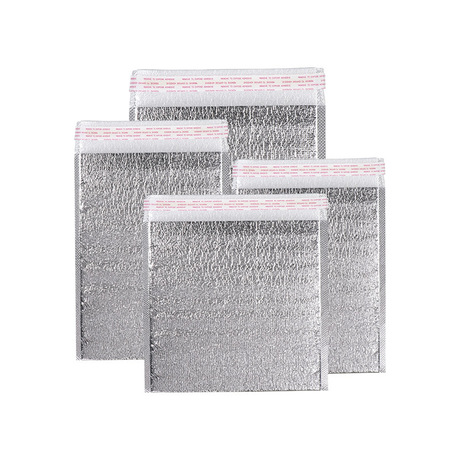
رقائق عاكسة أو طبقة معدنية مغلفة ببطانة فقاعية وتشكل على شكل ملحق مرن داخل صندوق مموج. يمنح هذا الهيكل البطانة نقاط القوة والضعف العملية. على سبيل المثال, يمكن أن تكون البطانات المدمجة فعالة للتخزين, لكنها قد توفر حماية أقل من الأنظمة الأكثر سمكًا. المزيد من البطانات المعزولة يمكن أن تحسن وقت المخزن المؤقت, لكنها قد تقلل من مكعب الحمولة. يمكن للبطانات الورقية تحسين قبول العملاء, لكن الرطوبة والطلاءات تحتاج إلى مراجعة. بطانات فقاعة احباط يمكن أن تقلل من اكتساب الحرارة الإشعاعية, لكن طرق التعافي قد تكون أكثر تعقيدًا.
لشحنات اللحوم, تعتمد المادة المناسبة أيضًا على حساسية المنتج. قد تحتاج الحمولة المبردة الكثيفة على طريق قصير إلى تعبئة مختلفة عن الضوء, منتج طبي حساس للتجميد أو شحنة لحوم مجمدة. يجب على المشترين تجنب نسخ عبوات شركة أخرى دون التحقق مما إذا كان المسار والحمولة متشابهين بالفعل.
بناء حزمة قابلة للتكرار
تعمل البطانة بشكل أفضل عند استخدامها بنفس الطريقة في كل مرة. يجب أن تحدد العبوة المعتمدة اتجاه البطانة, تسلسل أضعاف, كمية المبردات, تكييف التبريد, وضع الحمولة, استخدام الفاصل, ملء باطلة, وضع مسجل البيانات إذا لزم الأمر, وإغلاق الكرتون. يجب أن تكون التعليمات واضحة بما يكفي ليتبعها موظفو المستودعات الموسميون.
الإغلاق العلوي يستحق الاهتمام. تحدث العديد من حالات فشل البطانة بسبب تغطية الجوانب ولكن الجزء العلوي مطوي بشكل غير محكم, مفتوحة في الزوايا, أو سحقها عن طريق الإفراط في التعبئة. يمكن أن يدخل الهواء الدافئ من خلال الفجوات, ويمكن أن يتسرب الهواء البارد عندما لا يتم وضع المبردات بشكل صحيح. غالبًا ما يكون الإغلاق البسيط الذي يمكن أن يكرره القائمون على التعبئة أفضل من التصميم المعقد الذي يبدو جيدًا فقط في غرفة العينة.
اختبار بشروط واقعية
يمكن لاختبارات الفحص مقارنة المواد, لكن الموافقة النهائية يجب أن تستخدم شروطا واقعية. وهذا يعني الكرتون المقصود, كتلة الحمولة الفعلية أو التمثيلية, المبرد المتوقع, تسلسل التعبئة الحقيقي, وملف تعريف محيط يعكس المسار. إذا تم استخدام البطانة للشحن في الصيف والشتاء, قد يحتاج كلا الموسمين إلى المراجعة.
يجب أن يلتقط موضع المستشعر نقاط الخطر. قد يخفي المستشعر المركزي وحده تعرض الحافة, في حين أن لمس المستشعر للكمادة الباردة قد يخفي التعرض للحرارة. للشحنات المنظمة أو ذات القيمة العالية, يجب مراجعة خطة الاختبار من قبل فريق الجودة أو التغليف المسؤول قبل استخدام البيانات للموافقة عليها.
إذا كان حجم الإنتاج مرتفعا, كرر الاختبار عندما تتغير المتغيرات الرئيسية. كرتونة جديدة, المورد الجديد, مادة بطانة جديدة, حجم المبرد الجديد, أو يمكن لخدمة الناقل الجديدة تغيير الأداء. نظام التعبئة والتغليف مؤهل فقط للشروط التي تم تقييمه بموجبها.
سلامة الأغذية وحدود جودة المنتج
للمواد الغذائية والشحنات القابلة للتلف, تساعد البطانة على إبطاء تغير درجة الحرارة, لكنه لا يخلق التبريد في حد ذاته. درجة حرارة بدء المنتج, كمية المبردات, حجم الكرتون, كثافة العبوة, موعد التسليم, التعرض عتبة الباب, ومتطلبات سلامة الأغذية المحلية تؤثر جميعها على ما إذا كانت الشحنة مقبولة عند وصولها. يجب اختيار بطانة الفقاعات المعدنية مع وضع المسار الفعلي وفئة المنتج في الاعتبار.
أدوات اتخاذ القرار مفيدة
تحقق من التفاصيل قبل اختيار التغليف
يمكن أن تساعدك هذه الأدوات السريعة في مقارنة مخاطر المسار, احتياجات التحجيم, خيارات المبرد, وتفاصيل التعبئة والتغليف قبل أن تطلب عرض أسعار.
بطانة الصندوق & تحجيم غطاء البليت
تحقق من منطق تحديد حجم بطانة الصندوق وغطاء منصة التحميل لمشاريع التغليف المعزولة.
تقدير الحجممقاومة سقوط المواد العازلة
مراجعة مقاومة السقوط وعوامل المناولة قبل اختيار المواد العازلة.
تحقق من المقاومةحاسبة علبة الثلج
تقدير كمية عبوات الثلج الهلامي للشحنات المبردة والتخطيط العملي للمسار.
تقدير عبوات الثلجالرطوبة مسألة عملية. يمكن أن تؤدي المنتجات المبردة وغازات التبريد إلى حدوث تكثيف, وقد تفقد العبوة الرطبة صلابتها, تؤثر على التسميات, أو إنشاء تجربة فتح علبة سيئة. يجب على المشترين أن يسألوا كيف تدير البطانة الرطوبة, ما إذا كانت هناك حاجة إلى طبقة ماصة, وما إذا كانت العبوة الأولية قوية بما يكفي لمنع التسربات أثناء المعالجة القاسية.
قارن الموردين على الأدلة, لا وعود
يجب أن يكون المورد الموثوق به قادرًا على وصف هيكل البطانة, تقديم عينات متسقة, شرح ملاءمة الكرتون, ودعم المناقشات العملية للحزم. يجب أن يكون المورد أيضًا على استعداد لتحديد المطالبات التي تعتبر حقائق مادية وتلك التي تعتمد على المسار. الإجابات القوية محددة; تعتمد الإجابات الضعيفة على عبارات واسعة مثل الحفاظ على المنتجات باردة أو مناسبة لجميع شحنات سلسلة التبريد.
أسئلة الموردين قبل الطلب
يجب على المشترين التحقق من ملاءمة البطانة, طبقات ماصة أو مانعة للتسرب, توافق المبردات, قوة الصندوق, بيئة العمل للتعبئة, ونتائج الاختبارات الموسمية. تبدأ المناقشة المفيدة للموردين بمشكلة الشحن بدلاً من طلب أرخص الخطوط الملاحية المنتظمة. مشاركة حجم الكرتون الخارجي, مساحة الحمولة الداخلية المطلوبة, متطلبات درجة حرارة المنتج, نوع المبرد, مدة الشحن, توقعات الكمية, وأي قيود على خط التعبئة. يمكن للمورد بعد ذلك أن يوصي ببطانة المخزون, بطانة مخصصة, أو شكل عزل مختلف.
اسأل عن الأبعاد الداخلية والخارجية, الهيكل المادي, وصف سمك أو طبقة, طريقة الإغلاق, عدد التعبئة الكرتون, عدد البليت, ومتطلبات التخزين. إذا كانت الخطوط الملاحية المنتظمة مخصصة, نسأل ما إذا كانت الأدوات, يموت القطع, عمل فني, أو الحد الأدنى من عمليات الإنتاج يؤثر على السعر. إذا كان الطلب كبيرًا, اطلب عينة ما قبل الإنتاج التي تستخدم نفس المواد والعملية المستخدمة في الإنتاج الضخم.
إن اتساق الجودة مهم أكثر مما يتوقعه العديد من المشترين. اسأل ما إذا كان المورد لديه ورقة مواصفات, فحص المواد الواردة, الشيكات في العملية, وإجراءات إخطار المشترين قبل تغيير الأفلام, ألياف, مواد لاصقة, ارتفاع الفقاعة, تخطيط التماس, أو التعبئة الكرتون. يمكن للبطانة التي تبدو متشابهة أن تعمل بشكل مختلف إذا تغير هيكل المادة.
للطلبات بالجملة, قم أيضًا بتقييم كفاءة المستودعات والمناولة. قد توفر البطانات القابلة للطي المساحة, لكنهم ما زالوا بحاجة إلى تخزين نظيف, تجميع سريع, وتعليمات اختيار واضحة. يمكن تعويض انخفاض سعر الوحدة عن طريق التعبئة البطيئة, مكعب شحن أعلى, المزيد من الكرتون التالف, أو مطلوب المزيد من مادة التبريد للتعويض عن العزل الأضعف.
تقييم التكلفة كنظام
أرخص الخطوط الملاحية المنتظمة قد لا تخلق أقل تكلفة إجمالية. قد تتطلب البطانة الضعيفة المزيد من المبردات, كرتونة أكبر, شحن أسرع, أو المزيد من الاستبدالات بعد تلف المنتج. قد تؤدي البطانة الأكثر تكلفة إلى تقليل عمالة التغليف, مكعب تخزين أقل, أو حماية جودة المنتج بشكل أكثر موثوقية. يجب على المشترين مقارنة إجمالي تكلفة الأرض والمخاطر بدلاً من سعر الوحدة وحده.
للبرامج الكبيرة, يمكن أن يؤثر التخزين والتجميع على التكلفة بقدر تأثيرها على المواد. قابل للطي, متداخلة, أو قد تؤدي البطانات المضغوطة إلى تقليل مساحة الشحن والمستودعات الواردة. قد تقلل الأنظمة الصلبة من أخطاء التعبئة ولكنها تأخذ مساحة أكبر. الخيار الأفضل يعتمد على الحجم, تَعَب, فضاء, خطورة الطريق, وقيمة المنتج.
مطالبات الاستدامة والتخلص
يجب على شركات شحن البروتين أن تزن وزن البطانة, خيارات الاسترداد, تعليمات التخلص من العملاء, ومخاطر فقدان المنتج بسبب ضعف أداء التغليف. يجب أن تأخذ قرارات التغليف المستدامة بعين الاعتبار أكثر من مجرد اسم المادة. يجب على المشترين مقارنة الأداء الحراري, خطر تلف الشحن, مكعب الشحن, عمالة التعبئة, كمية المبردات, تجربة التخلص من العملاء, وخيارات نهاية الحياة معًا. يمكن للبطانة التي تقلل الهدر في جزء واحد من النظام أن تخلق هدرًا في مكان آخر إذا تسببت في حدوث أعطال أو عوائد.
لبطانات فقاعة احباط, يمكن أن يكون مكعب التخزين الخفيف الوزن والصغير جذابًا من الناحية التشغيلية, لكن هياكل الأفلام المختلطة قد تحتاج إلى طريق استرداد محدد بدلاً من رسالة إعادة تدوير عامة. في البرامج التي تواجه العملاء, الادعاءات الغامضة يمكن أن تخلق المخاطر. استخدم صياغة واضحة تعكس المادة الفعلية, خطوات الفصل المطلوبة, وحدود التعافي الإقليمية. يجب على فرق العمليات أيضًا أن تأخذ في الاعتبار كيفية التعامل مع البطانات المستخدمة في الوجهة, خاصة بالنسبة للطعام, السريرية, أو الشحنات بين الشركات حيث قد يؤثر التلوث على عملية الاسترداد.
إطار القرار
استخدم الإطار التالي قبل الموافقة. أولاً, تحديد نطاق درجة الحرارة المطلوبة والحد الأقصى لمدة المسار. ثانية, تأكيد حجم الحمولة, كتلة, والتعبئة الأولية. ثالث, اختر مرشحات الخطوط الملاحية المنتظمة التي تناسب الكرتون وتترك حجمًا كافيًا قابلاً للاستخدام. الرابع, قم بإقران كل بطانة بخطة تبريد واقعية. الخامس, اختبار الحزمة الكاملة. السادس, الموافقة فقط على التصميم الذي يمكن أن تتكرر العمليات ويمكن للموردين إنتاجه باستمرار.
يمنع هذا الإطار الأخطاء الشائعة. إنه يتجنب اختيار البطانة فقط باسم المادة. إنه يجبر المشترين على التحقق من الحجم القابل للاستخدام. فهو يربط قرارات الشراء بمتطلبات الجودة. كما أنه يساعد الموردين على تقديم توصيات ذات معنى لأن مشكلة الشحن واضحة.
الأسئلة الشائعة
يمكن لبطانة واحدة أن تخدم عدة منتجات?
نعم, ولكن فقط إذا كان كل منتج وطريق مناسبًا ضمن الحزمة المعتمدة. إذا كانت كتلة الحمولة, نطاق درجة الحرارة, أو تتغير مدة المسار بشكل ملحوظ, قد يحتاج نظام الخطوط الملاحية المنتظمة إلى إعادة الاختبار.
يجب على المشترين اختيار المخزون أو البطانات المخصصة?
يمكن أن تكون بطانات المخزون أسرع وأفضل للتجارب أو ذات حجم أقل. قد تعمل البطانات المخصصة على تحسين ملاءمة الكرتون, سرعة التعبئة, وكفاءة المواد عندما يكون الحجم متوقعًا. يجب أن يأخذ القرار في الاعتبار موك, مهلة, اختبار, ومخاطر التحكم في التغيير.
ما هي أهم خطوة الموافقة?
الخطوة الأكثر أهمية هي اختبار أو تجربة الحزمة الكاملة في ظل ظروف واقعية. مواصفات الخطوط الملاحية المنتظمة مفيدة, لكن أداء الوصول يعتمد على النظام الكامل.
حول Tempk
تركز شركة Tempk على حلول التعبئة والتغليف لسلسلة التبريد للأغذية, الأدوية, والخدمات اللوجستية الحساسة لدرجة الحرارة. تشمل مجموعة منتجاتنا بطانات الصندوق المعزولة, عبوات جل الثلج, حزم الثلج الجاف, طوب الجليد, صناديق معزولة EPP, صناديق تبريد طبية, الأكياس الحرارية, أغطية البليت, ومواد سلسلة التبريد ذات الصلة. لشحنات اللحوم, نحن نساعد المشترين على التفكير من خلال تنسيق الخطوط الملاحية المنتظمة, تناسب الكرتون, اختيار المبردات, خطوات التعبئة, ومتطلبات المصادر بالجملة مع عملية, النهج القائم على الطريق.
لمناقشة التكوين المناسب للبطانة, مشاركة متطلبات درجة حرارة المنتج الخاص بك, حجم الكرتون, مدة الشحن, حجم الحمولة, وكمية الطلب المتوقعة. يمكن أن تساعدك Tempk في مقارنة خيارات الشراء بالجملة, أبعاد مخصصة, أو حزمة سلسلة تبريد أكثر اكتمالاً.