صندوق EPP معزول وصديق للبيئة من الدرجة الغذائية: كيفية اختيار الخيار الصحيح دون المبالغة في الأداء
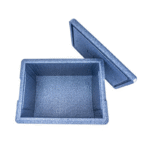
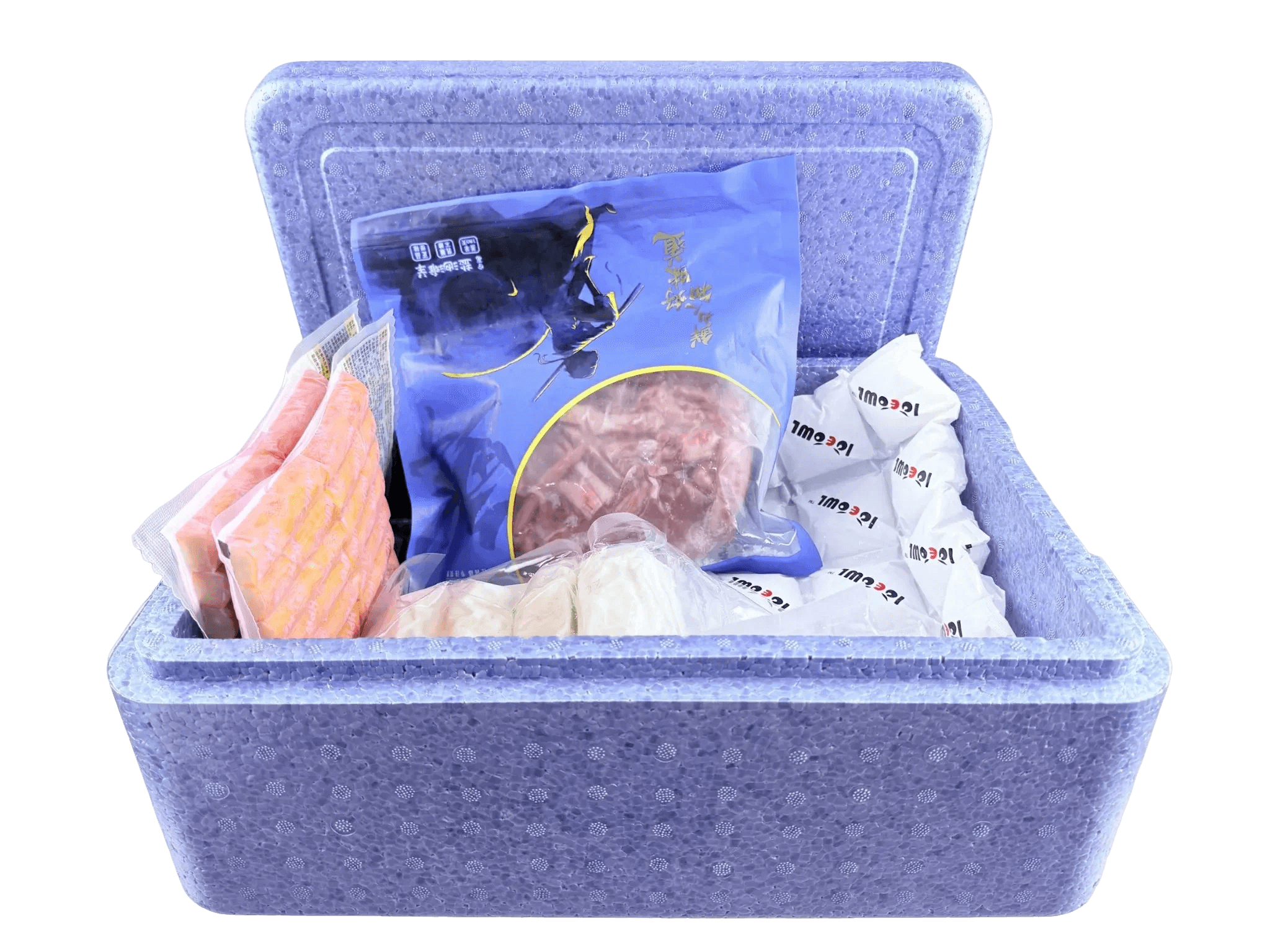
معزول صديق للبيئة من الدرجة الغذائية صندوق EPP لم يتم تحديده بالاسم وحده. الاختيار الصحيح يعتمد على الحمولة, مساحة قابلة للاستخدام, التعرض للطريق, عادات التعامل, خطة المبرد, والأدلة التي يمكن للمورد تقديمها. لمصدري المواد الغذائية, مشغلي مجموعة الوجبات, فرق توصيل البقالة, ومديرو الجودة المسؤولون عن نظافة التغليف وتوقعات العلامة التجارية, هذه النسخة النهائية التي تركز على المشتري تجلب المواد, التشغيلية, وطرح الأسئلة معًا حتى يمكن تقييم الصندوق كجزء من عملية تعبئة حقيقية وليس كعنصر كتالوج عام.
القرار أصغر من النظام وأكبر من الصندوق
الحدود الأولى بسيطة: يجب أن تكون صياغة المواد الغذائية مدعومة بالإعلانات ذات الصلة بالسوق المستهدف وبضوابط النظافة العملية أثناء التشغيل. وهذا أمر مهم لأن العديد من أخطاء الشراء تأتي من علاج حاوية معزولة كما لو أنها مؤهلة بالفعل لكل شحنة. في توصيل الطعام, وهذا يمكن أن يعني شكاوى العملاء أو البضائع المرفوضة. في مجال الرعاية الصحية أو العمل في مجال التكنولوجيا الحيوية, يمكن أن يعني وجود فجوة في الوثائق لا يتم اكتشافها إلا بعد نقل الشحنة.
تختلف متطلبات درجة حرارة الطعام حسب المنتج, طريق, والقواعد المحلية; يجب تحديد حماية الجودة المبردة قبل اختيار العبوة. يمكن للمورد مساعدتك في اختيار صندوق واقتراح حزمة, ولكن يجب على مالك المنتج أو فريق الجودة تحديد معايير القبول. وهذا التمييز يحمي جانبي الصفقة.
ومن المفيد أيضًا التمييز بين صندوق EPP معزول من مسجل بيانات درجة الحرارة. يساعد الصندوق على إبطاء نقل الحرارة. يسجل المسجل ما حدث. ولا أحد يحل محل الآخر. إذا كانت الشحنة حساسة, يجب أن تكون العبوة مصممة لتقليل المخاطر ويجب اختيار خطة المراقبة لتوثيق المخاطر.
خريطة مناسبة للاستخدام الحقيقي
| منطقة القرار | ماذا يعني | ماذا تفعل بعد ذلك |
|---|---|---|
| مناسبا جيدا | تسليم وجبة, التجارة الإلكترونية البقالة, شحن عينات المأكولات البحرية ومنتجات الألبان, المخابز وتسليم المنتجات, الخدمات اللوجستية الغذائية القابلة للإرجاع | عندما الحمولة, طريق, ويتم تعريف التعامل معها بشكل واضح |
| يحتاج إلى مراجعة إضافية | الرعاية الصحية, التكنولوجيا الحيوية, الأدوية, أو السلع الحساسة للجودة | عندما تتراوح درجة الحرارة, الوثائق, أو المراقبة مطلوبة |
| سوء اللياقة | طرق غير محددة, حمولات غير معروفة, أو المطالبات الحرارية غير المدعومة | عندما يتوقع المشترون أن يثبت الصندوق أداءه بدون دليل على العبوة |
| مناقشة الموردين | وثائق الاتصال الغذائي, حالة السطح, طريقة التنظيف, احتباس الرائحة, إدارة التسمية, العودة اللوجستية, وفصل المبرد | عندما يتم التخطيط للموافقة على العينة أو الطلب بالجملة |
تُعد الخريطة الملائمة طريقة سريعة لتجنب الإفراط في الشراء أو التقليل من التحديد. إنه يوضح أن حاوية EPP نفسها يمكن أن تكون اختيارًا ذكيًا في سير عمل واحد واختيارًا غير مكتمل في سير عمل آخر. والخطوة التالية هي تحويل الاستخدام المقصود إلى أسئلة قابلة للقياس.
مواصفات للقفل قبل الموافقة على العينة
الحجم ليس مجرد مسألة أبعاد خارجية. غالبًا ما يطلب المشترون وسيطًا, مضغوط, مخصص, أو صندوق مناسب للجزء الأكبر, لكن الجواب التشغيلي موجود داخل الحاوية. مساحة الحمولة الصالحة للاستخدام هي ما تبقى بعد المبرد, فواصل, ملء باطلة, اتجاه المنتج, ويتم التعامل مع العمال في الاعتبار. يمكن أن يبدو الصندوق واسعًا من حيث الحجم الداخلي الإجمالي ولكنه لا يزال ضيقًا بالنسبة للحمل الفعلي.
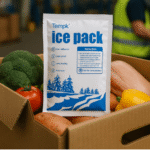
لتوصيل الوجبات, التجارة الإلكترونية البقالة, شحن عينات المأكولات البحرية ومنتجات الألبان, المخابز وتسليم المنتجات, الخدمات اللوجستية الغذائية القابلة للإرجاع, اسأل كيف سيتم وضع الحمولة وإزالتها. إذا تم تحميل الكراتين عموديا, عمق الغطاء وتخليص اليد مهمان. لو حزم هلام أو يتم استخدام حزم PCM, يجب أن يكون هناك مسافة كافية لتجنب خطر التجميد المباشر للمنتجات التي لا ينبغي أن تلامس سائل التبريد المتجمد. إذا كان الطريق يتضمن فتحًا متكررًا, يجب أن يجعل تصميم الصندوق الإغلاق الصحيح أمرًا سهلاً بدلاً من الاعتماد على سلوك المشغل المثالي.
تؤثر الأبعاد الخارجية أيضًا على تكلفة المسار. قد يؤدي الصندوق الكبير جدًا إلى تقليل استخدام السيارة أو زيادة ضغط تخزين الإرجاع. الصندوق الصغير جدًا قد يجبر العمال على التحميل الزائد, ثني كرتون, أو ترك مساحة أقل لسائل التبريد. تبدأ المواصفات الأفضل برسومات الحمولة أو العينات المقاسة, ثم يؤكد كيفية التعامل مع الحاوية قبل وبعد الشحن.
يجب أن يبدأ التخصيص برسم أو بورقة قياس واضحة. العرض الداخلي, ارتفاع, والعمق ليس سوى البداية. يجب على المشترين تحديد شكل الحمولة, كم عدد الوحدات المناسبة لكل طبقة, ما إذا كان المبرد يجلس بجانبه, فوق, أو أسفل البضائع, وما إذا كانت هناك حاجة إلى فاصل لمنع الاتصال المباشر.
لتصنيع التصميم الشخصي أو المشاريع ذات الحجم المخصص, الأدوات والموافقة على العينة تستحق المزيد من الاهتمام. قد يبدو النموذج الأولي صحيحًا, ولكن يجب على المشتري تأكيد التسامح, مادة الإنتاج, غطاء مناسب, أسطح وضع العلامات, وما إذا كان سيتم الإبلاغ عن تغييرات التصميم المستقبلية قبل أن تؤثر على طلب متكرر. وهذا مهم بشكل خاص عندما تكون العبوة جزءًا من سير عمل تم التحقق من صحته أو مراجعة الجودة.
شهادة, المطالبات, والتحكم في التسليم
الأداء الحراري هو نتيجة لانتقال الحرارة, وقت, كتلة, والتعامل معها. يقوم جسم EPP بإبطاء حركة الحرارة. المبرد يمتص الحرارة. تستجيب الحمولة وفقًا لحساسيتها الخاصة. الغطاء, فواصل, والمساحة الفارغة تؤثر على كيفية تحرك الهواء داخل الصندوق. لأن هذه العناصر تعمل معًا, لا ينبغي التعامل مع المطالبة العامة بوقت الانتظار كدليل على مسار مختلف.
عندما يذكر المورد الاختبار الحراري, اسأل عن الشروط: ملف تعريف المحيط, حمولة الحمولة, نوع المبرد, تكييف المبرد, حجم المربع, درجة حرارة البداية, وضع المسجل, ومعايير النجاح أو الفشل. يمكن أن يكون الاختبار مفيدًا حتى عندما لا يكون متطابقًا مع حارتك, ولكن ينبغي قراءتها كدليل في ظل ظروف محددة, وليس كوعد عالمي.
لشحن الطرود أو الرعاية الصحية, قد تصبح الملفات الحرارية ISTA أو ممارسات IATA الخاصة بشحن الرعاية الصحية جزءًا من المناقشة. تساعد هذه المراجع المشترين على طرح أسئلة أفضل, ولكن لا يزال يتعين على مالك المنتج تأكيد نطاق درجة الحرارة المطلوبة والدليل المقبول للشحنة المحددة.
تفشل الطرق عند نقاط التسليم في كثير من الأحيان أكثر مما يتوقعه المشترون. قد يجلس الصندوق على رصيف التحميل, انتظر في السيارة, التحرك من خلال قفص الاتهام عبر, أو يتم فتحه للتفتيش. كل عملية تسليم تضيف حالة من عدم اليقين. يقلل الاختيار الجيد لحاوية EPP من بعض المخاطر, ولكنه يحتاج أيضًا إلى تعليمات تتوافق مع المسار.
انظر إلى أين سيتم فتح الصندوق ومن سيفتحه. إذا قام الفريق المتلقي بفتحه على الفور وسجل الحالة, تختلف العملية عن المسار الذي تنتظر فيه الصناديق في ثلاجة فرعية أو على طاولة العملاء. يجب أن يقرر نموذج التشغيل وضع الملصق, موقف المسجل, أدلة التلاعب, وتنظيف خطوات العودة.
أسئلة الموردين التي تهم في الواقع
يجب تقييم المورد من خلال الأسئلة التي يمكنه الإجابة عليها. هل يمكنهم شرح الفرق بين الحجم الداخلي الإجمالي ومساحة الحمولة القابلة للاستخدام? هل يمكنهم تقديم معلومات مادية دون تحويلها إلى وعد أداء عالمي? هل يمكنهم مناقشة الموافقة على العينة, اتساق الإنتاج, التعبئة والتغليف للتصدير, والتعامل مع ما بعد البيع?
للبيع بالجملة, موزع, مصدر, ومشاريع ODM, التواصل مهم بقدر تنوع الكتالوج. قد يحتاج المشتري إلى الرسومات, أبعاد الكرتون, خيارات الشعار, مناطق التسمية, إرشادات التنظيف, أو معلومات دعم الاختبار. إذا لم يتمكن المورد من توفير هذه الأساسيات قبل الطلب, قد يكون من الصعب حل المشاكل بعد وصول الشحنة.
أدوات اتخاذ القرار مفيدة
تحقق من التفاصيل قبل اختيار التغليف
يمكن أن تساعدك هذه الأدوات السريعة في مقارنة مخاطر المسار, احتياجات التحجيم, خيارات المبرد, وتفاصيل التعبئة والتغليف قبل أن تطلب عرض أسعار.
بطانة الصندوق & تحجيم غطاء البليت
تحقق من منطق تحديد حجم بطانة الصندوق وغطاء منصة التحميل لمشاريع التغليف المعزولة.
تقدير الحجمحاسبة الثلج الجاف
تقدير احتياجات الثلج الجاف للشحنات المجمدة أو شديدة البرودة قبل التعبئة.
تقدير الثلج الجافسائل التبريد & مرجع PCM
قارن خيارات سائل التبريد وPCM عندما يحتاج المسار إلى دعم إضافي لدرجة الحرارة.
قارن الخياراتسيقول المورد الدقيق أيضًا ما يجب على المشتري التحقق منه. هذه علامة جيدة. ويعني ذلك أن المورد يفهم الحد الفاصل بين بيع حاوية EPP والموافقة على عملية سلسلة تبريد كاملة. في التطبيقات الحساسة, هذه الحدود هي جزء من السيطرة على المخاطر.
سيناريو عملي لمراجعة المشتري
على سبيل المثال, قد يرغب موزع الأطعمة الجاهزة في الحصول على صندوق قابل لإعادة الاستخدام الذي يحافظ على المنتجات المبردة محمية أثناء التسليم المحلي. يمكن لجسم EPP أن يقلل من اكتساب الحرارة ويحمي الكراتين من التعامل القاسي, ولكن لا يزال يتعين على المشتري أن يقرر كيفية فصل المنتجات عن سائل التبريد, كيف يتم تنظيف الصناديق بعد المرتجعات, وكيف سيتم إدارة الرائحة أو البقايا. قد يحتاج الصندوق الذي يعمل جيدًا للكرتون المختوم إلى عملية مختلفة للصواني المفتوحة أو المنتجات الرطبة.
السؤال العملي ليس فقط ما إذا كان الصندوق معزولاً أم لا. هو ما إذا كانت العملية الغذائية يمكن تنظيفه, قم بتحميله بنفس الطريقة كل يوم, إعادته دون خسارة الوحدات, والتحقق من أن العبوة تتوافق مع توقعات الجودة. هذا هو المكان الشراء, جودة, ويجب أن تستعرض العمليات العينة معًا.
التعليمات
عبارة عن صندوق EPP معزول وصديق للبيئة بدرجة الطعام ويتم التحكم في درجة حرارته تلقائيًا?
لا. يوفر صندوق EPP العزل والحماية المادية, لكن التحكم في درجة الحرارة يعتمد على العبوة الكاملة. نوع المبرد, تحميل الحمولة, فواصل, مدة الطريق, التعرض المحيطي, انضباط الغطاء, ومراقبة كل ذلك يؤثر على النتيجة. تعامل مع الصندوق باعتباره جزءًا من النظام, ليس كحل كامل لدرجة الحرارة في حد ذاته.
ما الذي يجب أن أتحقق منه قبل طلب العينات؟?
ابدأ بأبعاد الحمولة, مساحة داخلية قابلة للاستخدام, نطاق درجة الحرارة المطلوبة إن وجدت, وقت الطريق المتوقع, طريقة التنظيف, احتياجات وضع العلامات, وكيف سيقوم المشغلون بحمل الصندوق أو تكديسه. لتوصيل الوجبات, التجارة الإلكترونية البقالة, شحن عينات المأكولات البحرية ومنتجات الألبان, المخابز وتسليم المنتجات, الخدمات اللوجستية الغذائية القابلة للإرجاع, يجب أن تشمل مراجعة العينة فرق المستودعات والاستلام, ليس فقط فريق الشراء.
هل يمكن استخدام EPP للأغذية؟, طبي, أو شحنات التكنولوجيا الحيوية?
يمكن استخدام EPP في التعبئة والتغليف للعديد من المواد الغذائية, الرعاية الصحية, معمل, والسيناريوهات الصناعية, لكن الملاءمة تعتمد على الحمولة والوثائق المطلوبة. يجب على المشترين التحقق من إعلانات الاتصال بالأغذية, توقعات التنظيف, متطلبات درجة الحرارة, وأي مراجعة تنظيمية أو جودة قبل استخدام العبوة للسلع الحساسة.
كيف يمكنني مقارنة اثنين من الموردين?
مقارنة أكثر من السعر. مراجعة اتساق العينة, غطاء مناسب, رسومات, التفاصيل المادية, إرشادات التنظيف, تعبئة الكرتون, صياغة المطالبة, وما إذا كان بإمكان المورد شرح حدود الأداء الحراري. قد يكون المورد الذي يقدم إجابات دقيقة أكثر أمانًا من المورد الذي يعد بصندوق واحد سيحل كل حارة.
ملاحظات إضافية للمشتري قبل الطلب
قبل الموافقة على صندوق EPP المعزول والصديق للبيئة, اسأل من سيمتلك إجراء التشغيل. غالبًا ما تكون قرارات التعبئة والتغليف بين المشتريات, مستودع, الخدمات اللوجستية, جودة, والمبيعات. إذا لم يكن أحد يملك هذا الإجراء, قد يقوم العمال بتعبئة الصندوق بشكل مختلف من نوبة إلى أخرى. وهذا مهم بالنسبة للسلع الحساسة لدرجة الحرارة، كما أنه مهم بالنسبة للسلع العادية التعبئة والتغليف القابلة لإعادة الاستخدام لأن الاستخدام غير المتناسق يقلل من عمر الخدمة.
يجب أن تتضمن مراجعة العينة ملاحظات سلبية بالإضافة إلى ملاحظات إيجابية. إذا قال العامل أن الصندوق صعب التنظيف, إذا كان من السهل ترك الغطاء مفكوكًا, أو إذا كانت الملصقات تتجعد على السطح, سجل تلك التعليقات. قد تبدو هذه التعليقات صغيرة, لكنهم يتوقعون كيف سيتصرف الصندوق بعد مئات من أحداث المعالجة المزدحمة.
للمشترين مقارنة الموردين عبر الأسواق, كن حذرا مع المطالبات المترجمة. كلمات مثل الطبية, جودة الطعام, صديقة للبيئة, متينة, أو المهنية يمكن أن تعني أشياء مختلفة في كتالوجات مختلفة. اطلب الأدلة الأساسية أو استخدم صياغة محايدة في مواد المبيعات الخاصة بك حتى يؤكد فريقك ما يمكن المطالبة به بأمان.
الفحص النهائي هو التخلص أو التخطيط لنهاية العمر. إذا كان الصندوق مخصصًا لإعادة الاستخدام, تقرر ما يحدث عندما يتم تصدعها, ملطخة, في عداد المفقودين غطاء, أو لم تعد مقبولة للطريق. يمكن لقاعدة الفحص البسيطة أن تمنع العبوات التالفة من الدخول مرة أخرى إلى الخدمة وتحمي مصداقية برنامج التغليف بأكمله.
يجب على المشترين أيضًا مراجعة كيفية شحن الصناديق نفسها قبل أن تحمل أي حمولة. كرتونة التصدير, تكديس البليت, الضغط أثناء النقل, ويمكن أن يؤثر فحص استلام المستودعات على حالة الأغطية والزوايا. قد يبدو الصندوق الفارغ التالف وكأنه مشكلة واردة صغيرة, ولكن يمكن أن تصبح مشكلة متكررة عندما يُتوقع من الحاوية حماية البضائع ذات القيمة الأعلى لاحقًا.
إذا كان الطلب جزءًا من برنامج ODM أو برنامج ذو علامة خاصة, يجب الموافقة على لغة المطالبة بعناية. عادةً ما يفسر الوصف الأكثر أمانًا المادة, الاستخدام المقصود, وخطوات التحقق من المشتري دون الالتزام العالمي الواعد أو المدة الحرارية الثابتة. هذه الصياغة أسهل للمبيعات, جودة, وفرق لوجستية للدفاع عندما يطرح العملاء أسئلة مفصلة.
أخيراً, قرر ما يجب أن يظل قياسيًا وما يمكن أن يتغير. لون, شعار, أو قد تكون منطقة التسمية مرنة, بينما الأبعاد الداخلية, غطاء مناسب, تباعد المبرد, وينبغي أن تظل درجة المواد خاضعة للرقابة بمجرد الموافقة على العينة. تقلل نقاط التحكم الواضحة من احتمال أن تبدو عملية إعادة الترتيب اللاحقة متشابهة ولكنها تتصرف بشكل مختلف في الميدان.
خاتمة
إن أفضل خيار لصندوق EPP المعزول والصديق للبيئة من حيث المواد الغذائية هو الخيار الذي يناسب المسار, حمولة, روتين التعامل, ومتطلبات الأدلة. يمكن أن يكون EPP مادة قوية قابلة لإعادة الاستخدام العبوة المعزولة, ولكن لا ينبغي للمشتري أن يحول المنافع المادية إلى وعود أداء غير مدعومة.
قبل الطلب, تأكيد المساحة القابلة للاستخدام, توافق المبرد, سلوك الغطاء, طريقة التنظيف, احتياجات التوثيق, واتساق العينة إلى الإنتاج. بالنسبة للسلع الخاضعة للتنظيم أو الحساسة للجودة, إشراك مالك المنتج أو فريق الجودة في وقت مبكر. توفر هذه الخطوة الوقت لأنها توضح ما يُتوقع من الصندوق أن يفعله وما يجب إثباته من خلال العبوة الكاملة.
حول Tempk
يدعم Tempk المشترين B2B الذين يحتاجون تغليف السلسلة الباردة المكونات وتوصيات التعبئة العملية. لمشاريع صندوق EPP, والتي يمكن أن تتضمن مناقشة الأبعاد المخصصة, التعامل مع قابلة لإعادة الاستخدام, توافق المبرد, أسطح وضع العلامات, وما إذا كان المنتج مخصصًا للأغذية بشكل أساسي, طبي, التكنولوجيا الحيوية, أو الخدمات اللوجستية الصناعية. الهدف هو مساعدة المشتري على تحديد متطلبات أكثر وضوحًا قبل مقارنة الأسعار, أخذ العينات, أو يبدأ تطوير ODM.
اطلب من Tempk توصية بالتعبئة قبل التوسع من العينة إلى الطلب بالجملة, خاصة إذا كانت الشحنة عبارة عن مواد غذائية, طبي, التكنولوجيا الحيوية, أو حساسة للطريق.