صندوق EPP محمول قابل للتخصيص: دليل الاختيار العملي لمشتري سلسلة التبريد
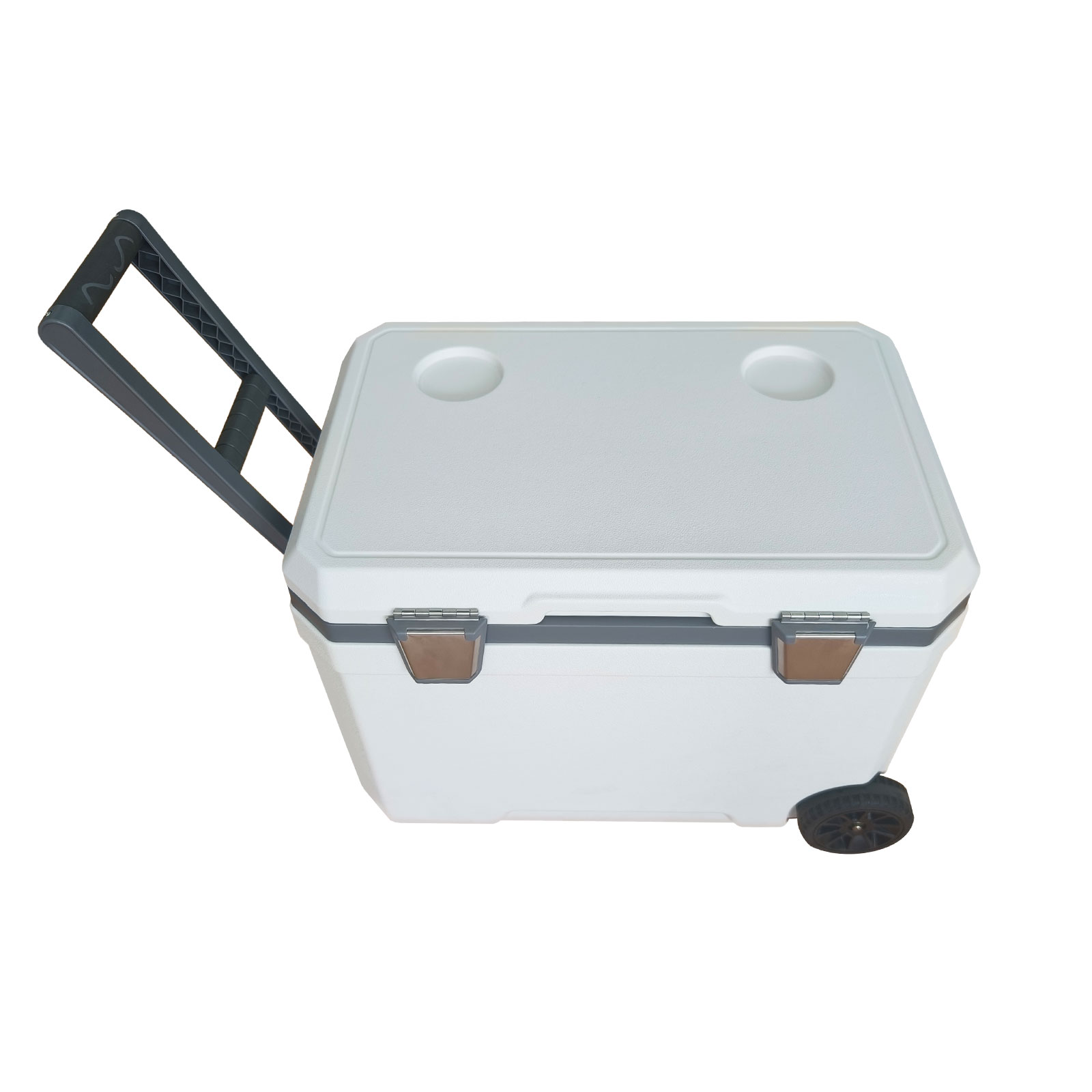
For portable customizable صندوق EPP القرارات, a portable customizable EPP box should be selected as a working part of your logistics system, ليس بمثابة وعد مستقل للتحكم في درجة الحرارة. The right choice depends on designing a portable صندوق EPP معزول for repeat delivery, hand-carry transport, أخذ العينات الميدانية, خدمة الطعام, or small medical logistics, متطلبات درجة حرارة المنتج, الحمولة, المصدر البارد, والأدلة وراء أي مطالبة الأداء. استخدم الإرشادات أدناه لمقارنة الخيارات, سؤال الموردين, والانتقال من تقييم العينة إلى الاستخدام الموثوق دون المبالغة في تقدير ما يمكن أن يفعله صندوق EPP.
إجابة سريعة: a portable customizable EPP box is a strong candidate when you need lightweight insulation, حماية التأثير, والتعامل المتكرر, ولكن يجب أن تتم الموافقة عليه مع المصدر البارد, حمولة, طريق, وعملية الاستلام. إنه ليس اختصارًا حول مراقبة درجة الحرارة أو مراجعة الجودة.
ما يمكن أن يفعله الصندوق وما لا يمكنه فعله
يمكن أن يوفر صندوق EPP الحماية من الصدمات, العزل, ومزايا التعامل مع الاستخدام المتكرر. يمكن أن يجعل سير عمل سلسلة التبريد أو التعبئة والتغليف الواقية أسهل عن طريق تقليل الوزن, دعم إدراجات مصبوب, ومقاومة الضربات اليومية بشكل أفضل من بعض خيارات الرغوة التي تستخدم لمرة واحدة. For designing a portable insulated EPP box for repeat delivery, hand-carry transport, أخذ العينات الميدانية, خدمة الطعام, or small medical logistics, يمكن أن تكون هذه المزايا ذات معنى.
ما لا يمكنه فعله هو تحديد متطلبات المنتج, توليد البرد, توثيق الشحنة, أو ضمان القبول التنظيمي. تنتمي هذه الأدوار إلى ملصق المنتج, المصدر البارد, الحزمة, أجهزة المراقبة, إجراءات الجودة, والأشخاص الذين يقومون بتشغيل الطريق. المواصفات القوية تبقي هذه الأدوار منفصلة.
هذا هو مبدأ الشراء المركزي: اختر المربع الخاص بالوظيفة التي يمكنه القيام بها بالفعل, ثم قم ببناء بقية سير العمل حوله. عندما يتخطى المشترون هذا المبدأ, غالبًا ما ينتهي بهم الأمر بتغليف يبدو احترافيًا ولكنه يفشل في ظل المعالجة الروتينية.
ابدأ بالطريق, حمولة, ونطاق القبول
قبل مقارنة الموردين, اكتب المسار باللغة التشغيلية. أين يتم تخزين المنتج قبل التعبئة؟? من يحزمها? كم من الوقت يمكن أن تنتظر قبل التحميل? ما هي السيارة أو الناقل الذي يتعامل معها? أين يمكن أن يتعرض للحرارة, بارد, أو تأخير? من يستلمها, ومدى سرعة تفريغها? تكشف هذه الأسئلة ما إذا كانت العبوة تحتاج إلى هامش حراري أكبر, وضع العلامات بشكل أفضل, أو تنسيق مختلف.
التالي, تحديد الحمولة. القدرة الإجمالية ليست كافية. عليك أن تعرف أبعاد المنتج, كتلة المنتج, حدود التوجه, الفواصل المطلوبة, حجم المصدر البارد, وثائق, وأي جهاز مراقبة. مساحة الحمولة القابلة للاستخدام بعد تضمين تلك العناصر هي المساحة المهمة. يمكن أن يؤدي عدم التطابق البسيط إلى الضغط على الغطاء أو العبوة غير المتناسقة.
أخيراً, تأكيد نطاق القبول. Portability does not remove the need to confirm the target temperature range, مصدر بارد, كتلة الحمولة, والتعرض للطريق. إذا لم تحدد حالة المنتج بشكل واضح, لا يمكن لأي مورد أن يؤكد بشكل مسؤول ما إذا كان الصندوق أو العبوة المقترحة مناسبين أم لا.
ينبغي تحويل مطالبات الموردين إلى نقاط التحقق
تعتبر مطالبات الموردين مفيدة عند بدء محادثة فنية. إنهم محفوفون بالمخاطر عندما ينهون المحادثة في وقت مبكر جدًا. عبارة مثل "عزل جيد" ينبغي أن يؤدي إلى أسئلة حول ظروف الاختبار. عبارة مثل "قابل لإعادة الاستخدام" ينبغي أن يؤدي إلى معايير التنظيف والتفتيش. عبارة مثل "قابل للتخصيص" يجب أن يؤدي إلى الرسومات, مراجعة العفن, التسامح, وتسجيل الخروج العينة.
For a box that balances hand-carry ergonomics, internal protection, العزل, إدراج, العلامة التجارية, and repeated opening events, يتضمن ملف الشراء الأفضل كلاً من بيان المورد وخطوة التحقق من المشتري. إذا كان الأداء الحراري مهم, احتفظ بملاحظات على الحمولة, مصدر بارد, التعرض المحيطي, وحدود القبول. إذا كانت النظافة مهمة, طرق تنظيف المستندات وحالة السطح المقبولة بعد الاستخدام المتكرر.
وهذا النهج يحمي كلا الجانبين. يتجنب المشتري افتراض أكثر مما تدعمه البيانات. يتلقى المورد متطلبات أكثر وضوحًا ويمكنه التوصية بخيار أكثر واقعية.
| نقطة القرار | ما للتأكيد | لماذا يحمي المشتري |
|---|---|---|
| المنتج والنطاق | نطاق درجة الحرارة المطلوبة, حساسية, والتعرض المسموح به. | يمنع الصندوق من الموافقة على حالة المنتج الخاطئة. |
| واقع الطريق | أسوأ وقت للعبور, التدريج, عمليات التسليم, وتأخير الاستلام. | يوضح ما إذا كانت العبوة تحتاج إلى هامش حراري إضافي أو التحكم في العملية. |
| تصميم الحزمة | نوع المبرد, موضع, تكييف, إدراج, ومساحة الرأس. | يحول صندوق EPP إلى نظام قابل للتكرار بدلاً من حاوية فضفاضة. |
| أدلة المورد | بيانات الاختبار, اتساق العينة, رسومات, وتغيير السيطرة. | يقلل من مخاطر المطالبات غير المدعومة وعدم تطابق الإنتاج. |
| عملية يومية | تنظيف, تقتيش, وضع العلامات, تكديس, وتدفق العودة. | يبقي البرنامج قابلاً للاستخدام بعد عملية الشراء الأولى. |
يعد الجدول مفيدًا لأنه يفصل بين ماهية الصندوق فعليًا وما لا يزال المشتري بحاجة إلى تأكيده. كما أنه يبقي مناقشات الموردين عملية. إذا كان لا يمكن تأكيد نقطة خلال مرحلة العينة, ويجب أن يظل مفتوحًا بدلاً من أن يتحول إلى مطالبة منتج غير مدعومة.
Custom Design Choices That Affect Daily Use
يجب إكمال هذه الوحدة قبل الطلب بالجملة أو الموافقة المخصصة النهائية. It turns the search for a portable customizable EPP box into a controlled selection process instead of a catalog comparison.
A portable design should be tested as a complete system, including the product load, مصدر بارد, سلوك فتح الغطاء, and receiving routine. إذا كانت الشحنة ذات مخاطر عالية, تنطوي على الجودة, العمليات, واستلام الموظفين قبل الموافقة على الشراء. أ صندوق السلسلة الباردة يؤثر على أقسام أكثر من المشتريات وحدها.
| نقطة القرار | ما للتأكيد | لماذا يحمي المشتري |
|---|---|---|
| المنتج والنطاق | نطاق درجة الحرارة المطلوبة, حساسية, والتعرض المسموح به. | يمنع الصندوق من الموافقة على حالة المنتج الخاطئة. |
| واقع الطريق | أسوأ وقت للعبور, التدريج, عمليات التسليم, وتأخير الاستلام. | يوضح ما إذا كانت العبوة تحتاج إلى هامش حراري إضافي أو التحكم في العملية. |
| تصميم الحزمة | نوع المبرد, موضع, تكييف, إدراج, ومساحة الرأس. | يحول صندوق EPP إلى نظام قابل للتكرار بدلاً من حاوية فضفاضة. |
| أدلة المورد | بيانات الاختبار, اتساق العينة, رسومات, وتغيير السيطرة. | يقلل من مخاطر المطالبات غير المدعومة وعدم تطابق الإنتاج. |
| عملية يومية | تنظيف, تقتيش, وضع العلامات, تكديس, وتدفق العودة. | يبقي البرنامج قابلاً للاستخدام بعد عملية الشراء الأولى. |
يعد الجدول مفيدًا لأنه يفصل بين ماهية الصندوق فعليًا وما لا يزال المشتري بحاجة إلى تأكيده. كما أنه يبقي مناقشات الموردين عملية. إذا كان لا يمكن تأكيد نقطة خلال مرحلة العينة, ويجب أن يظل مفتوحًا بدلاً من أن يتحول إلى مطالبة منتج غير مدعومة.
من الموافقة على العينة إلى الاستخدام اليومي
يجب اختبار العينة للتأكد من ملاءمتها, سهولة الاستخدام, وتطابق العملية. احزمه مع المنتج الحقيقي أو البديل الواقعي, تشمل المصدر البارد, أغلق الغطاء كما يفعل المشغلون أثناء نوبة العمل المزدحمة, وتحريكه عبر طريق واقعي. إذا كان الفريق يحتاج إلى جهد خاص لجعل العينة تعمل, قد يصبح استخدام الإنتاج غير متناسق.
للبرامج المخصصة, تسجيل الرسومات المعتمدة, ملاحظات مادية, متطلبات اللون أو العلامة التجارية, تفاصيل الغطاء, إدراج التخطيط, وتوقعات التعبئة بالكرتون أو البليت. للبرامج السائبة, تحديد معايير القبول للتفتيش الوارد. ابحث عن التشوه, غطاء مناسب, حالة السطح, أبعاد, ووضع العلامات. هذه الشيكات ليست بيروقراطية. إنها تمنع العيوب الصغيرة من أن تصبح مشاكل تشغيلية متكررة.
أدوات اتخاذ القرار مفيدة
تحقق من التفاصيل قبل اختيار التغليف
يمكن أن تساعدك هذه الأدوات السريعة في مقارنة مخاطر المسار, احتياجات التحجيم, خيارات المبرد, وتفاصيل التعبئة والتغليف قبل أن تطلب عرض أسعار.
مولد قائمة التحقق من الامتثال
قم ببناء قائمة مرجعية عملية لمراجعة التغليف, شحن, والتوثيق.
بناء قائمة مرجعيةمدقق مخاطر الطريق
قم بمراجعة ظروف المسار قبل اختيار التغليف لمتطلبات التشغيل الحقيقية.
تحقق من مخاطر الطريقسائل التبريد & مرجع PCM
قارن خيارات سائل التبريد وPCM عندما يحتاج المسار إلى دعم إضافي لدرجة الحرارة.
قارن الخياراتبمجرد استخدام الصندوق, إنشاء حلقة بسيطة للتعليقات. يجب على المشغلين الإبلاغ عن الأغطية التالفة, قضايا التنظيف, رائحة, التسميات المفقودة, والارتباك التعبئة. عبوة قابلة لإعادة الاستخدام تظل موثوقة فقط عندما تتعامل معها المنظمة كأصل مُدار.
ملاحظات التشغيل العملية قبل الموافقة
اكتب إجراء التعبئة بنفس اللغة التي يستخدمها المشغلون. تضمين التكييف المسبق للمنتج, وضع المصدر البارد, إغلاق الغطاء, وضع التسمية, والشخص المسؤول عن الفحص النهائي. إذا كان الإجراء معقدًا جدًا بحيث لا يمكن تكراره أثناء نوبة العمل المزدحمة, يجب تبسيط تصميم العبوة قبل توسيع البرنامج.
تعريف تلقي التوقعات. يجب ألا تنتظر الشحنة الحساسة لدرجة الحرارة في منطقة الاستلام العامة دون الاهتمام. يجب أن يعرف المتلقي ما يجب فحصه عند الوصول, ماذا تسجل, أين تضع البضائع, ومن يجب الاتصال به في حالة تلف الصندوق أو ظهور قلق على جهاز مراقبة درجة الحرارة.
قم بتخطيط عمليات الإرجاع الفارغة عندما يكون الصندوق مخصصًا لإعادة الاستخدام. يؤثر تدفق العائد على التكلفة الإجمالية, الاستدامة, ومخزون الاستبدال. قد لا يكون الصندوق المتين والذي يتم فقده بشكل متكرر هو الخيار الأكثر اقتصادا. علامات تحديد الهوية, ملكية الطريق, ونقاط تفتيش العودة يمكن أن تقلل من هذه المشكلة.
إبقاء المواصفات تحت السيطرة. إذا قام المورد بتغيير درجة المواد, تصميم الغطاء, هندسة الجدار, إدراج التخطيط, أو طريقة الإنتاج, يجب على المشتري أن يفهم ما إذا كان التغيير يؤثر على التعبئة, تنظيف, أو الافتراضات الحرارية. يعد التحكم في التغيير مهمًا بشكل خاص للبرامج المخصصة والمجمعة.
استخدم التعليقات التجريبية قبل القياس. غالبًا ما يلاحظ المشغلون التفاصيل التي تفوتها فرق الشراء: مقبض يقرص, غطاء يصعب محاذاته, منطقة التسمية التي تتبلل, أو ملحق يبطئ التعبئة. تؤثر هذه التفاصيل على الاعتماد ويجب مراجعتها بينما لا تزال التغييرات ممكنة.
One useful rule for product designers, delivery operators, laboratory teams, and procurement managers needing portable العبوة المعزولة is to separate approval into three layers: تناسب المنتج, الطريق صالح, وتناسب العملية. يسأل تناسب المنتج ما إذا كانت الحمولة, حالة درجة الحرارة, والحساسية منطقية بالنسبة للحاوية المقترحة. يسأل "ملاءمة المسار" عما إذا كان الصندوق والحزمة بها هامش كافٍ للتعرض المتوقع. تسأل عملية التشغيل ما إذا كان بإمكان الأشخاص حزم أمتعتهم, يتحرك, يستلم, ينظف, وأعد الصندوق باستمرار. يمكن أن يؤدي الضعف في أي طبقة إلى التراجع عن الاختيار الجيد للمواد.
هناك فحص عملي آخر يتمثل في مقارنة الاستخدام الأفضل مع أسوأ يوم عادي. غالبًا ما يتم تقييم عينة المورد في ظل ظروف هادئة, بينما تتضمن الخدمات اللوجستية الحقيقية عمليات التقاط متأخرة, أبواب قفص الاتهام مفتوحة, مناطق الاستقبال المزدحمة, والمشغلين الذين يحتاجون إلى تعليمات واضحة. The right portable customizable EPP box should be forgiving enough for normal variation but not used as a substitute for process control.
للطلبات المخصصة أو المتكررة, يجب أن تظل الوثائق بسيطة ولكنها كاملة. رسم, مذكرة عينة معتمدة, تعليمات الحزمة, ملاحظة التنظيف, وتوقع التحكم في التغيير يمكن أن يمنع الارتباك لاحقًا. وهذا مفيد بشكل خاص عندما يتم استخدام نفس تصميم الصندوق من قبل أكثر من موقع واحد أو عندما تتولى فرق مختلفة عملية الشراء, التعبئة, تلقي, ومراجعة الجودة.
يجب على المشتري أيضًا مراجعة التكلفة الإجمالية بعد عملية الشراء الأولى. معدل الاستبدال, عمالة التنظيف, مساحة التخزين, إعادة الشحن, الأصول المفقودة, إعادة التسمية, ويمكن أن تكون مخاطر رفض المنتج أكثر أهمية من وجود فرق بسيط في سعر الوحدة. قد يقلل صندوق EPP المصمم بشكل أفضل قليلاً من احتكاك التعامل ويجعل صيانة البرنامج القابل لإعادة الاستخدام أسهل.
أخيراً, تجنب تحويل لغة المورد الحذرة إلى مطالبات مطلقة. إذا قال المورد أن الصندوق مناسب لنوع التطبيق, اسأل تحت أي ظروف. إذا ذكروا العزل, اسأل ما هي الحزمة التي تم استخدامها. إذا ذكروا إمكانية إعادة التدوير, اسأل عن تحديد المواد وطريق الاسترداد العملي. يجب أن يُظهر ملف الشراء ما هو معروف وما لا يزال يعتمد على عمليتك.
One useful rule for product designers, delivery operators, laboratory teams, and procurement managers needing portable insulated packaging is to separate approval into three layers: تناسب المنتج, الطريق صالح, وتناسب العملية. يسأل تناسب المنتج ما إذا كانت الحمولة, حالة درجة الحرارة, والحساسية منطقية بالنسبة للحاوية المقترحة. يسأل "ملاءمة المسار" عما إذا كان الصندوق والحزمة بها هامش كافٍ للتعرض المتوقع. تسأل عملية التشغيل ما إذا كان بإمكان الأشخاص حزم أمتعتهم, يتحرك, يستلم, ينظف, وأعد الصندوق باستمرار. يمكن أن يؤدي الضعف في أي طبقة إلى التراجع عن الاختيار الجيد للمواد.
التعليمات
Is a portable customizable EPP box automatically temperature controlled?
لا. إنه حاوية معزولة, ليست وحدة تبريد نشطة. يمكن أن يبطئ نقل الحرارة ويحمي الحمولة من تأثير التعامل, لكن أداء درجة الحرارة يعتمد على درجة حرارة بدء تشغيل المنتج, مصدر بارد, تصميم الحزمة, التعرض للطريق, انضباط الغطاء, وعملية الاستلام. للسلع الحساسة, تعامل مع الصندوق كجزء من نظام التعبئة والتغليف الكامل.
ماذا يجب أن أسأل قبل طلب العينات?
اسأل عن الأبعاد الداخلية القابلة للاستخدام, تفاصيل المواد والغطاء, التوافق مع المصدر البارد, إرشادات التنظيف, رسومات عينة, معلومات الاختبار المتاحة, وكيف يتحكم المورد في تغييرات الإنتاج. For a box that balances hand-carry ergonomics, internal protection, العزل, إدراج, العلامة التجارية, and repeated opening events, قم أيضًا بوصف طريقك, حمولة, نطاق درجة الحرارة, ونقاط التسليم حتى يمكن تقييم العينة بشكل واقعي.
هل يمكن إعادة استخدام صناديق EPP؟?
يتم اختيار EPP بشكل شائع للتغليف القابل لإعادة الاستخدام لأنه خفيف, مرن, وقادر على التعافي من العديد من تأثيرات التعامل. إعادة الاستخدام لا تزال تعتمد على التصميم, عملية التنظيف, روتين التفتيش, وكيف يتم إرجاع الصندوق وتخزينه. يجب على المشترين تحديد معايير الضرر وقواعد التقاعد قبل البدء في برنامج قابل لإعادة الاستخدام.
كيف أعرف ما إذا كان الصندوق يناسب طريقي أم لا?
ابدأ بالمنتج, ليس الصندوق. تأكيد حالة درجة الحرارة المطلوبة, كتلة المنتج, مدة الطريق, وقت الانتظار, التعرض للمركبة, تردد الافتتاح, وعملية الاستلام. ثم قم باختبار أو تقييم الصندوق باستخدام نفس نوع المصدر البارد وترتيب الحمولة الذي تخطط لاستخدامه في العمليات اليومية.
هل تعني إمكانية إعادة التدوير أن الصندوق سيتم قبوله في كل مكان؟?
ليس بالضرورة. EPP عبارة عن رغوة تعتمد على مادة البولي بروبيلين ويمكن إعادة تدويرها في أنظمة الاسترداد المناسبة, لكن القبول المحلي يعتمد على التحصيل, فرز, تلوث, وقنوات إعادة التدوير. يجب على المشترين الذين يخططون لبرنامج الاستدامة مناقشة وضع العلامات, تدفق العودة, تنظيف, والتعامل مع نهاية العمر بدلاً من الاعتماد على مطالبة عامة بإعادة التدوير.
خاتمة
A portable customizable EPP box can be a strong packaging choice when the buyer connects material benefits with route reality. استخدم EPP لوزنه الخفيف, العزل, مقاومة التأثير, وإمكانات قابلة لإعادة الاستخدام, لكن لا تفترض أن الصندوق وحده يتحكم في درجة الحرارة أو يثبت الامتثال. قم بتأكيد نطاق المنتج, تناسب الحمولة, عبوة, مصدر بارد, عملية الاستلام, روتين التنظيف, وأدلة المورد قبل القياس. إن قرار الشراء الأقوى هو الذي يحمي الشحنة وسير العمل اليومي المحيط بها.