حلول سلسلة التبريد الخاصة بسلامة الأغذية: كيفية حماية المنتجات والكوكب?
الطريقة التي تدير بها food safety سلسلة التبريد solutions يحدد ما إذا كانت المواد القابلة للتلف تصل بأمان وما إذا كان عملك يلبي توقعات الاستدامة المتزايدة. في 2025 العالمية تغليف السلسلة الباردة ومن المتوقع أن ينمو السوق في 11.3 % سنويا, ارتفاعًا من 34.28 مليار دولار أمريكي 2024 إلى 89.84 مليار دولار أمريكي 2034. بعد يقدر 14 % يتم فقدان جميع المواد الغذائية قبل الوصول إلى المستهلكين بسبب عدم كفاية التبريد, و سلسلة تبريد الطعام حسابات تقريبًا 4 % من انبعاثات الغازات الدفيئة العالمية. الولايات المتحدة. قانون تحديث سلامة الأغذية (FSMA) يضع قواعد صارمة للنقل الصحي سارية المفعول منذ ذلك الحين 2016, وقواعد وكالة حماية البيئة الجديدة بشأن المبردات في 2024 فرض حدود منخفضة على القدرة على إحداث الاحترار العالمي. للتنقل بين هذه المطالب، تحتاج إلى إرشادات قابلة للتنفيذ, ليس المصطلحات. يساعدك هذا الدليل على فهم المشهد التنظيمي اليوم, اختيار التقنيات التي تحافظ على جودة المنتج, وتنفيذ استراتيجيات مستدامة تقلل من الهدر والتكاليف.
Why food safety سلسلة التبريد solutions are vital and how poor temperature control contributes to food waste and emissions.
ما هي اللوائح وإرشادات درجة الحرارة التي يجب عليك اتباعها, بما في ذلك FSMA وأفضل الممارسات للتخزين الآمن.
How to build a resilient سلسلة التبريد using smart packaging, مؤشرات الوقت ودرجة الحرارة والتحليلات التنبؤية.
ما هي المواد والتقنيات – الألواح المعزولة بالفراغ, مواد تغيير المرحلة, حاويات قابلة لإعادة الاستخدام - تقدم أفضل فوائد الاستدامة.
كيف 2025 اتجاهات مثل الذكاء الاصطناعي, وحدات التبريد الكهربائية, and natural refrigerants are reshaping the سلسلة التبريد.
Why Do Food Safety سلسلة التبريد Solutions Matter?
Effective food safety سلسلة التبريد solutions are critical to public health, الربحية والمحافظة على البيئة. Improperly managed سلسلة التبريدs contribute to tremendous waste: يتم إهدار حوالي ثلث جميع الأغذية المنتجة, إطلاق 4.4 جيجا طن من انبعاثات الغازات الدفيئة. يؤدي سوء استخدام درجة الحرارة إلى 20 % من المستحضرات الصيدلانية الحساسة للحرارة التي تتعرض للخطر أثناء النقل وتكلف صناعة الأغذية العالمية حوالي 35 مليار دولار أمريكي سنويًا. تنبعث من وحدات النقل البارد ما يصل إلى 16 × المزيد من أكاسيد النيتروجين و 40 × كمية جسيمات أكبر لكل كيلو وات ساعة من محركات الشاحنات. استجابة, قاعدة FSMA 204 يتطلب من الشركات تنفيذ ممارسات التتبع والنقل الصحي, في حين أن قاعدة نقل التكنولوجيا الخاصة بوكالة حماية البيئة (EPA). (TTR) قدم في 2024 يقيد المبردات ذات القدرة العالية على إحداث الاحترار العالمي التخزين البارد معدات. إن تلبية هذه المتطلبات لا تحمي المستهلكين فقط; كما أنه يقلل من تكاليف الطاقة ويضع علامتك التجارية على أنها مسؤولة.
ال "منطقة الخطر" على سلامة الغذاء– درجات الحرارة بين 40 ° f (4 درجة مئوية) و 140 ° f (60 درجة مئوية)– يسمح لمسببات الأمراض بالتكاثر بسرعة. الولايات المتحدة. تنصح إدارة الغذاء والدواء الأمريكية (FDA) ببقاء الثلاجات عند مستوى أو أقل 40 درجة فهرنهايت والمجمدات عند 0 ° f. لا ينبغي أبدًا ترك الأطعمة القابلة للتلف في درجة حرارة الغرفة لأكثر من ساعتين (أو ساعة واحدة إذا تجاوزت درجات الحرارة المحيطة 90 ° f). من خلال التحكم في درجات الحرارة في جميع أنحاء النقل والتخزين, يمكنك التخفيف من مخاطر الأمراض المنقولة بالغذاء وتجنب عمليات السحب المكلفة.
قواعد النقل الصحي FSMA
أدى قانون تحديث سلامة الأغذية إلى إحداث تحول في سلامة الأغذية من خلال تحويل التركيز من رد الفعل إلى الوقاية. إنه قاعدة النقل الصحي للأغذية البشرية والحيوانية, تم الانتهاء منه في أبريل 6 2016 ويسري في شهر يونيو 6 2016, يلزم الشاحنين, لوادر, الناقلون والمستقبلون لاستخدام الممارسات الصحية. تشمل المتطلبات الرئيسية:
| متطلبات | ملخص | ماذا يعني هذا بالنسبة لك |
| نظافة المركبات والمعدات | يجب أن تكون المركبات والمعدات المستخدمة لنقل الأغذية قابلة للتنظيف وأن تظل في حالة صحية. | فحص الشاحنات والحاويات قبل التحميل; بروتوكولات تنظيف المستندات. |
| التحكم في درجة الحرارة | يجب على شركات النقل الحفاظ على درجات حرارة كافية لمنع المخاطر. | استخدم موازين الحرارة المُعايرة وأجهزة قياس درجة الحرارة الزمنية لتسجيل درجات الحرارة. |
| تمرين | يجب تدريب العاملين في مجال نقل الأغذية على الممارسات الصحية وحفظ السجلات. | تطوير برامج التدريب والاحتفاظ بسجلات لعمليات تدقيق إدارة الغذاء والدواء. |
| السجلات وإمكانية التتبع | يجب على الشركات الاحتفاظ بسجلات التحكم في درجة الحرارة, أنشطة التنظيف والتدريب على الأقل 12 شهور. | رقمنة السجلات لتبسيط الامتثال وتمكين التتبع السريع أثناء عمليات الاستدعاء. |
Temperature Categories in the سلسلة التبريد
تتطلب المنتجات المختلفة نطاقات مختلفة. يلخص الجدول أدناه الفئات النموذجية والنمو البكتيري المرتبط بكل منها, مقتبس من دليل الشحن المبرد لشركة ميرسك:
| فئة | نطاق درجة الحرارة | نمو البكتيريا | الصلة |
| المحيط | 15-25 درجة مئوية (59-77 درجة فهرنهايت) | بطء النمو الميكروبي | يمكن للأغذية القابلة للتخزين وبعض الأدوية أن تنتقل في درجة حرارة الغرفة. |
| مبردة | 1-7 درجة مئوية (34-45 درجة فهرنهايت) | نمو معتدل; يتطلب رقابة صارمة | المنتجات الطازجة, يجب أن تبقى اللحوم ومنتجات الألبان مبردة; الانحرافات الطفيفة تؤدي إلى تدهور الجودة بسرعة. |
| المجمدة | أقل من -18 درجة مئوية (0 ° f) | الحد الأدنى من النمو; يبطئ التفاعلات الأنزيمية | معظم اللحوم, تعتمد المأكولات البحرية والآيس كريم على التجميد العميق للحفاظ على قوامها وسلامتها. |
| تجميد عميق | أقل من -29 درجة مئوية (-20 درجة فهرنهايت) | نمو ضئيل; تخزين طويل الأمد | تستفيد السلع المتخصصة مثل التونة والمواد الخام الصيدلانية من التخزين فائق البرودة. |
نصائح عملية للحفاظ على درجات حرارة آمنة
معايرة ومراقبة موازين الحرارة بانتظام; يجب أن تقرأ الثلاجات ≥ 40 درجة فهرنهايت والمجمدات ≥ 0 ° f.
تجنب منطقة الخطر: لا تدع الأطعمة القابلة للتلف تجلس بينهما 40 درجة فهرنهايت و 140 درجة فهرنهايت لأكثر من ساعتين (ساعة واحدة أعلاه 90 ° f).
التعبئة والتغليف شرط مسبق عن طريق تبريد المواد المتغيرة الطور (PCMS) و حزم هلام قبل الشحن للتأكد من أنها تبدأ عند درجة الحرارة الصحيحة.
تدريب السائقين وموظفي المستودعات على ممارسات التحميل التي تقلل من فتحات الأبواب والصدمة الحرارية.
توثيق كل شيء: السجلات الرقمية للتنظيف, تعمل بيانات التحميل ودرجة الحرارة على تبسيط عمليات تدقيق الامتثال ودعم إمكانية التتبع.
دراسة حالة: قامت إحدى شركات الدواجن المبردة بتنفيذ تدريب FSMA وتركيب أجهزة تسجيل بيانات الوقت ودرجة الحرارة في جميع المقطورات. على مدى ستة أشهر، خفضت درجة الحرارة الرحلات بنسبة 35٪, خفضت الأحمال المرفوضة بنسبة 10% واجتازت تدقيق إدارة الأغذية والعقاقير (FDA) دون اتخاذ أي إجراءات تصحيحية.
What Are the Essential Components of a Resilient سلسلة التبريد?
A resilient سلسلة التبريد integrates العبوة الذكية, التحكم الدقيق في درجة الحرارة, المراقبة الرقمية و البنية التحتية المستدامة. Below are the building blocks that every food safety سلسلة التبريد solution should include.
مواد التعبئة والتغليف الذكية وتغيير الطور
التغليف الحديث يفعل أكثر من مجرد العزل; فهو يتفاعل مع بيئته. مواد تغيير المرحلة (PCMS) امتصاص وإطلاق الطاقة الحرارية أثناء الذوبان أو التجميد, الحفاظ على درجة حرارة ثابتة لفترات طويلة. بالمقارنة مع عبوات الجل التقليدية, تتكيف أجهزة PCM مع الظروف المحيطة القاسية, تقليل تقلبات درجات الحرارة وتمديد وقت التشغيل أثناء التأخير. يمكن إعادة شحن أجهزة PCM وإعادة استخدامها, تقديم بديل آمن ل الثلج الجاف.
مؤشرات تكامل الوقت ودرجة الحرارة (TTIs) هي ملصقات تستخدم مرة واحدة توفر سجلاً مرئيًا للوقت التراكمي ودرجة الحرارة. الشريط الزمني 2025 يشير تقرير الاتجاهات إلى أن التغليف النشط يشتمل الآن على حجرات تبريد متكاملة ووحدات TTI التي تشير إلى ما إذا كان الطعام قد تعرض لدرجات حرارة غير آمنة. تكتسب المواد القابلة للتحلل الحيوي والقابلة لإعادة التدوير المزيد من الاهتمام مع اعتماد الشركات لها التعبئة والتغليف القابلة لإعادة الاستخدام أنظمة للحد من النفايات. ألواح معزولة بالفراغ (كبار الشخصيات) توفر عزلًا أعلى بخمس إلى عشر مرات من البوليسترين الموسع (EPS) وتمكين أصغر, حزم أخف.
طاولة: سلسلة التبريد Packaging Materials and Their Benefits
| المادة أو النظام | صفات | فائدة الاستدامة | ماذا يعني هذا بالنسبة لك |
| موسع البوليسترين (EPS) | عزل رغوي خفيف الوزن; غير مكلف | تستخدم على نطاق واسع ولكنها غير قابلة للتحلل البيولوجي; يمكن إعادة تدويرها في بعض البرامج | مثالية للشحنات قصيرة المدى ولكنها تساهم في النفايات إذا لم يتم إعادة تدويرها. |
| لوحات معزولة فراغ (كبار الشخصيات) | ألواح رقيقة للغاية تحبس الفراغ بين الطبقات | توفير عزل أعلى بنسبة 5-10 مرات من EPS, تمكين حزم أصغر | قم بتقليل احتياجات غاز التبريد وحجم الشحن - وهو الأفضل للرحلات الطويلة. |
| مواد تغيير المرحلة (PCMS) | المواد التي تمتص أو تطلق الحرارة عند درجات حرارة محددة | الحفاظ على درجة حرارة ثابتة أثناء النقل ويمكن إعادة استخدامها | تقليل مخاطر الرحلات; السماح بشحنات DryiceFree. |
| حاويات صلبة قابلة لإعادة الاستخدام | صناديق بلاستيكية أو معدنية متينة مع عزل متكامل | من المتوقع أن ينمو السوق من الدولار الأمريكي 4.97 مليار في 2025 إلى دولار أمريكي 9.13 مليار من قبل 2034 | تقليل النفايات ذات الاستخدام الواحد; انخفاض تكلفة الملكية على مدى رحلات متعددة. |
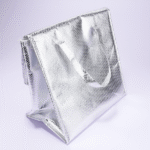
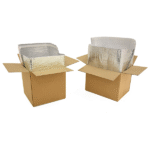
| كرتون مموج مع بطانات | العزل الورقي مع عبوات الهلام أو PCMs | قابلة لإعادة التدوير بالكامل; انخفاض انبعاثات المواد | مناسبة لشحنات الأدوية أو المواد الغذائية داخل المنطقة; أخف وزنا وسهل التخلص منها. |
المراقبة المتقدمة والتحليلات التنبؤية
Digital sensors and IoT platforms provide realtime visibility across the سلسلة التبريد. علم التتبع 2025 تسليط الضوء على الاتجاهات الأتمتة والروبوتات اعتماد بسبب نقص العمالة ونمو المراقبة في الوقت الفعلي عبر أجهزة استشعار إنترنت الأشياء ومسجلات البيانات. لا تزال الأجهزة تهيمن على أسواق التتبع, لكن البرمجيات تلحق بالتحليلات التنبؤية. فقط 7 % من قادة سلسلة التوريد يتمتعون حاليًا بشفافية متعددة المستويات فيما يتعلق بالموردين, حتى الآن 86 % انظر إلى blockchain كميزة تنافسية. يدمج التغليف الذكي رموز QR وعلامات NFC لإمكانية التتبع ومراقبة الجودة. توفر أجهزة تسجيل البيانات المصغرة العديد من فوائد الأجهزة الكاملة بتكلفة أقل.
نصائح عملية:
نشر مستشعرات إنترنت الأشياء التي تراقب درجة الحرارة, الرطوبة والصدمات وإرسال التنبيهات إلى لوحة القيادة المركزية. قم بإقران أجهزة الاستشعار مع البرامج التنبؤية لتوقع الانحرافات وإعادة توجيه الشحنات في الوقت الفعلي.
يستخدم blockchain أو تكنولوجيا دفتر الأستاذ الموزع لتسجيل بيانات المستشعر وإنشاء سلسلة رعاية غير قابلة للتغيير, تمكين عمليات السحب السريعة وبناء ثقة المستهلك.
ينفذ تحليلات تعتمد على الذكاء الاصطناعي للتنبؤ بفشل المعدات, تحسين الطرق وتقليل استهلاك الطاقة. بحسب استطلاع لشركات الأغذية, ويخطط ما يقرب من النصف للاستثمار في الذكاء الاصطناعي وتتبع سلسلة التوريد 2025.
تزويد العملاء ب مؤشرات قابلة للقراءة للمستخدم النهائي (على سبيل المثال, الشريط الزمني الجديد) تلك الإشارة إذا ظلت عمليات التسليم ضمن النطاقات الآمنة, تعزيز الشفافية وثقة المستهلك.
البنية التحتية الموفرة للطاقة والمبردات الطبيعية
يزدهر قطاع التخزين البارد، حيث تبلغ قيمته 188.81 مليار دولار أمريكي 2025 ومن المتوقع أن تصل قيمتها إلى 435.18 مليار دولار أمريكي بحلول عام 2034، لكن العديد من المستودعات قد انتهت 42 سنة. تعمل ترقية المرافق على تقليل استخدام الطاقة وتضمن الامتثال التنظيمي. عروض أنظمة التبريد الجديدة 20 % انخفاض استهلاك الطاقة و 50 % المزيد من القدرة على التدفئة من الوحدات الأقدم. يمكن لتركيبات الطاقة الشمسية وتخزين البطاريات في الموقع توفير ملايين الكيلووات/ساعة كل عام, تجنب عشرات الآلاف من الأطنان من انبعاثات الكربون. تقدم المرافق حوافز استجابة للطلب والتي تخفض تكاليف الكهرباء بنسبة 30-50 %.
أصبح اختيار المبردات سياسيًا بشكل متزايد. المبردات الطبيعية مثل ثاني أكسيد الكربون (co₂), الأمونيا (NH₃) و البروبان (R290) لها إمكانات ضئيلة في إحداث ظاهرة الاحتباس الحراري ولكنها يمكن أن تشكل تحديات القابلية للاشتعال أو السمية. تتميز الغازات المفلورة الاصطناعية بالكفاءة ولكنها تحمل قدرة عالية على إحداث الاحترار العالمي إذا تسربت. وكالة حماية البيئة قاعدة انتقال التكنولوجيا (TTR) قدم في 2024 يحظر بعض معدات التبريد ويعين قبعات GWP; يقتصر التخزين البارد على المستوى الصناعي على قدرة الاحترار العالمي التي تتراوح بين 150-300. تقدم كبار المشغلين بالتماس إلى وكالة حماية البيئة لإعادة النظر, المطالبة بالمساواة مع القطاعات الصناعية الأخرى. وفي الوقت نفسه، تستثمر العديد من المرافق في أنظمة التبريد الطبيعية, والتحسينات في السلامة والكفاءة تجعل هذه الأنظمة قابلة للحياة.
تدابير توفير الطاقة التي يمكنك تنفيذها
ترقية العزل والختم: يمكن أن تؤدي إضافة العزل عالي الأداء وأختام الرصيف إلى تقليل استخدام الطاقة بنسبة 20-30 %.
اعتماد وحدات تبريد المقطورة الكهربائية والهجينة (وحدات eTRUS): تُظهر النماذج المبكرة توفيرًا في الوقود يبلغ تقريبًا 50 %, وتقوم شركات مثل Blue Water باختبار مقطورات كهربائية في جميع أنحاء أوروبا لتحقيق أهداف طموحة لخفض الانبعاثات.
تركيب الألواح الشمسية وتخزين البطارية: أ 268 000 منشأة قدم مربع في ولاية ماريلاند تولد 2.5 مليون كيلووات ساعة سنويا, بينما أ 28.7 محفظة MW للطاقة الشمسية عبر 16 تنتج المواقع 27.7 مليون كيلوواط ساعة ويتجنب 21500 طن من الانبعاثات الكربونية.
أدوات اتخاذ القرار مفيدة
تحقق من التفاصيل قبل اختيار التغليف
يمكن أن تساعدك هذه الأدوات السريعة في مقارنة مخاطر المسار, احتياجات التحجيم, خيارات المبرد, وتفاصيل التعبئة والتغليف قبل أن تطلب عرض أسعار.
حاسبة عبوات التبريد
تقدير كمية عبوات الثلج الهلامي للشحنات المبردة والتخطيط العملي للمسار.
تقدير عبوات الثلجحاسبة الثلج الجاف
تقدير احتياجات الثلج الجاف للشحنات المجمدة أو شديدة البرودة قبل التعبئة.
تقدير الثلج الجافأداة اختيار العبوة
قارن بين خيارات التغليف المعزولة حسب المنتج, طريق, ودرجة الحرارة اللازمة.
البحث عن التعبئة والتغليفالمشاركة في برامج الاستجابة للطلب: قد تدفع المرافق 100 دولار أمريكي لكل كيلووات مقابل الاستهلاك المنخفض خلال فترات الذروة.
التحول إلى المبردات الطبيعية حيثما كان ذلك ممكنا; أصبحت أنظمة الأمونيا وثاني أكسيد الكربون شائعة بالفعل في أنظمة التخزين البارد واسعة النطاق.
مثال العالم الحقيقي: في 2024 قام مشغل مخزن تبريد متعدد المواقع باستبدال أنظمة R404A بالتبريد عبر الحرج لثاني أكسيد الكربون في أكبر منشآته, الحد من انبعاثات غازات التبريد السنوية بنسبة 80 % وخفض استهلاك الطاقة بنسبة 10 %. استثمرت الشركة في الألواح الشمسية على الأسطح وتشارك في الاستجابة للطلب, قطع فواتير الكهرباء عن طريق 35 %.
2025 Food Safety سلسلة التبريد Trends and Market Insights
يتطور مشهد سلسلة التبريد بسرعة. وفيما يلي تشكيل الاتجاهات الرئيسية 2025 وما وراءها:
نمو السوق وأولويات الاستثمار
التوسع المتفجر في السوق: the سلسلة التبريد market is projected to grow from US$ 324.85 billion in 2024 إلى 862.33 مليار دولار أمريكي 2032, معدل نمو سنوي مركب (CAGR) ل 13 %. North America’s food سلسلة التبريد logistics market alone is expected to reach US$ 86.67 billion in 2025.
طفرة التعبئة والتغليف: the سلسلة التبريد packaging market is set to expand at 11.3 % كل سنة, من 34.28 مليار دولار أمريكي 2024 إلى 89.84 مليار دولار أمريكي 2034. تكتسب الحاويات القابلة لإعادة الاستخدام والصناديق المجهزة لكبار الشخصيات حصة كبيرة.
الاستثمار في الذكاء الاصطناعي والتتبع: ويخطط ما يقرب من نصف شركات الأغذية للاستثمار في الذكاء الاصطناعي (50 %) وتقنيات تتبع سلسلة التوريد (48 %) في 2025. تحليلات البيانات الضخمة, تتابع ترقيات الروبوتات وتخطيط موارد المؤسسات (ERP) عن كثب.
التجارة الإلكترونية والابتكار Lastmile: تعمل خدمات البقالة ومجموعة الوجبات عبر الإنترنت على زيادة الطلب على حلول التعبئة والتغليف المدمجة وحلول Lastmile. يؤدي تتبع درجة الحرارة في الوقت الفعلي إلى بناء ثقة المستهلك وتمييز العلامات التجارية.
الاستدامة والاقتصاد الدائري
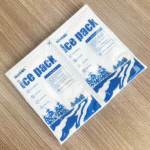
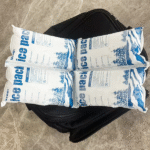
الاستدامة الحقيقية: يطالب المستهلكون والمنظمون بتغليف صديق للبيئة وتخفيض حقيقي لآثار الكربون. أساسه مائي حزم الجليد تقليل انبعاثات ثاني أكسيد الكربون بحوالي 5.7 طن لكل مليون عبوة مقارنة بعبوات الهلام. تتبنى الشركات عبوات قابلة لإعادة التدوير وإعادة الاستخدام مع تثقيف المستهلكين حول التخلص السليم.
Sustainable سلسلة التبريدs as critical infrastructure: تحدد مراجعة حلول التبريد المستدامة وسلسلة التبريد التابعة للأمم المتحدة "التبريد النظيف" باعتباره نهجًا شاملاً يوفر التبريد دون الإضرار بالبيئة, باستخدام التصميم الذكي, الموارد الطبيعية ومبادئ الاقتصاد الدائري. تتطلب تلبية الطلب المتزايد بسرعة ابتكارًا على مستوى النظام وقد تستلزم ذلك 14 مليار جهاز تبريد 2050 إذا تركت دون تحديد.
المباني الموفرة للطاقة والطاقة المتجددة: المزيد من المرافق تدمج الطاقة الشمسية, تخزين البطاريات وأنظمة إدارة الطاقة. وتجعل الحوافز وبرامج الاستجابة للطلب هذه الاستثمارات جذابة من الناحية المالية.
التكنولوجيا والأتمتة
الروبوتات والأتمتة: حول 80 % من المستودعات ليست مؤتمتة بعد. إن نقص العمالة ومتطلبات الكفاءة يدفعان إلى اعتماد الانتقاء الآلي, منصات نقالة آلية وأنظمة تخزين/استرجاع آلية.
الذكاء الاصطناعي والتحليلات التنبؤية: يساعد الذكاء الاصطناعي على التنبؤ بالطلب, إدارة المخزون والتنبؤ بأعطال المعدات. جنبا إلى جنب مع أجهزة استشعار إنترنت الأشياء, الذكاء الاصطناعي يقلل من استخدام النفايات والطاقة.
Blockchain والشفافية متعددة المستويات: فقط 7 % من قادة سلسلة التوريد لديهم رؤية متعددة المستويات, حتى الآن 86 % اعتبار blockchain ميزة تنافسية. تعمل إمكانية التتبع الممكّنة بتقنية Blockchain على تسريع عملية الاسترجاع وتقليل الهدر.
تكامل التغليف الذكي: رموز الاستجابة السريعة, توفر علامات NFC وأجهزة تسجيل البيانات منخفضة التكلفة مثل Timestrip Neo رؤى في الوقت الفعلي وتمكين مشاركة المستهلك.
القطاعات المتنامية: المواد النباتية والصيدلانية
تتطلب الأطعمة النباتية والمستحضرات الصيدلانية الخلوية أو الجينية إدارة أكثر دقة لدرجة الحرارة. يشير Trackonomy إلى ذلك 20 % من الأدوية الجديدة تعتمد على الخلايا أو الجينات وتحتاج إلى تحكم صارم في درجة الحرارة. تتطلب بدائل اللحوم النباتية أيضًا النقل المبرد أو المجمد وتكون حساسة لتقلبات درجات الحرارة. Investing in flexible سلسلة التبريد solutions ensures you can support these emerging categories.
السلامة وشفافية المستهلك
يطالب المستهلكون بشكل متزايد بالشفافية حول كيفية التعامل مع طعامهم. التتبع في الوقت الفعلي يعزز الثقة, في حين أن تحسين إمكانية التتبع يمكن أن يسرع من عمليات سحب المواد الغذائية ويقلل من الهدر. كل عام, يصاب واحد من كل عشرة أشخاص على مستوى العالم بالمرض بسبب الأمراض المنقولة بالغذاء, مع ما يقرب من نصف مليون حالة وفاة, التأكيد على الطبيعة الحرجة للتحكم المناسب في درجة الحرارة والنظافة.
الأسئلة المتداولة
س 1: ما هي درجة الحرارة المثالية لتخزين الأطعمة المبردة؟? احتفظ بالأطعمة المبردة بين 1 درجة مئوية و 7 درجة مئوية (34-45 درجة فهرنهايت) لإبطاء نمو البكتيريا والحفاظ على الجودة. استخدم موازين الحرارة المعايرة وتجنب ترك الأطعمة في درجة حرارة الغرفة لأكثر من ساعتين.
Q2: How can I tell if my سلسلة التبريد packaging has been compromised? استخدم مؤشرات الوقت ودرجة الحرارة (TTIs) أو مسجلات البيانات الإلكترونية التي تغير اللون أو تسجل البيانات عندما تتجاوز درجات الحرارة الحدود الآمنة. افحص أختام التغليف وابحث عن التكثيف أو ذوبان المنتج.
س 3: لماذا يجب أن أتحول إلى المبردات الطبيعية؟? تتمتع المبردات الطبيعية مثل ثاني أكسيد الكربون والأمونيا بقدرة ضئيلة على الاحتباس الحراري. تحد قاعدة نقل التكنولوجيا الخاصة بوكالة حماية البيئة (EPA) من المبردات ذات القدرة العالية على إحداث الاحترار العالمي. يؤدي التحول إلى المبردات الطبيعية إلى تقليل التأثير البيئي ويحمي عملياتك من المستقبل.
س 4: ما هو الفرق بين VIPs و PCMs في التغليف? VIPs عبارة عن ألواح عازلة للغاية تقلل من انتقال الحرارة. تمتص PCMs الحرارة أو تطلقها عند درجة حرارة معينة, الحفاظ على بيئة مستقرة. تعمل الشخصيات المهمة على تقليل الحاجة إلى سائل التبريد وحجم الشحن, بينما تقوم أجهزة PCM بتثبيت درجة الحرارة أثناء النقل.
س 5: كيف يعمل الذكاء الاصطناعي على تحسين إدارة سلسلة التبريد? يقوم الذكاء الاصطناعي بتحليل بيانات المستشعر للتنبؤ بأعطال المعدات, تحسين الطرق وإدارة المخزون. ويخطط ما يقرب من نصف شركات الأغذية للاستثمار في الذكاء الاصطناعي لهذه الأسباب. الذكاء الاصطناعي يقلل من النفايات, يحسن كفاءة الطاقة ويعزز رضا العملاء.
اقتراح
الوجبات الرئيسية: فعال food safety سلسلة التبريد solutions تقليل النفايات, الامتثال للوائح الصارمة ودعم الاستدامة. الحفاظ على درجات حرارة الثلاجة عند أو أقل 40 درجة فهرنهايت ودرجات حرارة الفريزر عند 0 ° f, ولا تترك أبدًا المواد القابلة للتلف في منطقة الخطر لأكثر من ساعتين. اعتماد التغليف الذكي مع أجهزة PCM, VIPs وTTIs للحفاظ على درجات حرارة دقيقة; استثمر في أجهزة استشعار إنترنت الأشياء والذكاء الاصطناعي للحصول على رؤية فورية; ترقية البنية التحتية بأنظمة موفرة للطاقة والطاقة المتجددة; والانتقال إلى المبردات الطبيعية لتلبية المتطلبات التنظيمية. Recognize that the سلسلة التبريد market is growing rapidly and that sustainable practices reduce costs and emissions.
خطة العمل:
قم بتقييم سلسلة التبريد الحالية لديك. تدقيق ضوابط درجة الحرارة, عمر المعدات وأنواع المبردات. تحديد نقاط الألم مثل الرحلات المتكررة لدرجات الحرارة أو الثلاجات القديمة.
ترقية التغليف. PCMs التجريبية والحلول المستندة إلى VIP للشحنات طويلة المدى. اعتماد حاويات قابلة لإعادة الاستخدام والتأكد من التهيئة المسبقة المناسبة لتجنب الصدمات الباردة.
تنفيذ المراقبة الرقمية. قم بتثبيت أجهزة استشعار إنترنت الأشياء واختر منصة برمجية ذات تحليلات تنبؤية. خذ بعين الاعتبار تقنية blockchain لتعزيز إمكانية التتبع وثقة المستهلك.
مرافق التحديثية. الاستثمار في التبريد الموفر للطاقة, العزل والطاقة المتجددة. استكشف المقطورات الكهربائية وبرامج الاستجابة للطلب.
تدريب فريقك. توفير التدريب على FSMA ووضع إجراءات التشغيل الموحدة الخاصة بالصرف الصحي, مراقبة التحميل ودرجة الحرارة. تعزيز ثقافة التحسين المستمر والاستدامة.
شريك استراتيجي. التعاون مع شركات النقل, موردي التعبئة والتغليف ومقدمي التكنولوجيا لمشاركة البيانات وتحسين الأداء.
حول Tempk
نحن تيمبك, an industry leader in sustainable سلسلة التبريد packaging and logistics solutions. مهمتنا هي مساعدتك في الحفاظ على سلامة المنتج مع تقليل التأثير البيئي. نحن نقدم مجموعة كاملة من الصناديق المعزولة, حزم الثلج القابلة لإعادة الاستخدام, PCMs والألواح المعزولة بالفراغ, جنبا إلى جنب مع تكنولوجيا تسجيل البيانات. لدينا ص&يقوم مركز D باستمرار باختبار المواد والتصميمات التي تحقق النجاح 20 % انخفاض استهلاك الطاقة و تحسين الأداء الحراري, ونحن نقوم بالتصنيع وفقًا لمعايير الجودة والسلامة الغذائية الصارمة. مع حلولنا يمكنك إطالة مدة الصلاحية, تقليل النفايات وتلبية FSMA واللوائح البيئية.
If you’re ready to elevate your سلسلة التبريد to the next level, اتصل بنا للحصول على استشارة شخصية. دعونا نبني مكانًا أكثر أمانًا, مستقبل أكثر استدامة معًا.