تغليف شحن المنتجات الطازجة: كيفية اختيار حزمة سلسلة التبريد الموثوقة
يجب اختيار عبوات شحن المنتجات الطازجة من الطريق الخلفي, ليس من صفحة الكتالوج إلى الأمام. ابدأ بحالة المنتج المطلوبة عند الاستلام, مدة الشحنة, نقاط التسليم, وعملية الاستلام. ثم تقرر ما العزل, سائل التبريد, كرتون, والتعليمات يمكن أن تدعم هذا الملف بشكل واقعي. للتوت, قطع الخضر, الخضار الورقية, الأعشاب, الفطر, الفاكهة المبردة, وصناديق المنتجات المختلطة, هذا هو الفرق بين الطرود ذات المظهر البارد والطرود الخاضعة للرقابة, حزمة قابلة للتكرار.
تركز هذه المقالة على قرارات الشراء العملية. إنه يفصل مكونات التغليف عن الأداء المؤهل, يوضح ما يجب طرحه على الموردين, ويشرح فيها سلامة الغذاء, التعامل مع الثلج الجاف, التحكم في الرطوبة, والاستدامة تؤثر على الاختيار النهائي.
تحديد النضارة قبل اختيار المواد
الخطوة الأولى الأكثر فائدة هي وصف معنى الوصول المقبول. للتوت, قطع الخضر, الخضار الورقية, الأعشاب, الفطر, الفاكهة المبردة, وصناديق المنتجات المختلطة, قد يشمل القبول درجة الحرارة, مظهر, رُطُوبَة, نسيج المنتج, سلامة الكرتون, تعليمات السلامة, أو توثيق استلام الشيكات. إذا لم يتمكن الفريق من تحديد القبول, سيكون من المغري شراء العبوات حسب اسم المادة أو مطالبة المورد. وهذا عادةً ما يؤدي إلى نقص الحماية أو تكلفة غير ضرورية.
تختلف متطلبات درجة حرارة الإنتاج بشكل كبير; قد تتطلب بعض العناصر المقطوعة أو الجاهزة للأكل رقابة صارمة على التبريد, في حين أن بعض الفواكه يمكن أن تتضرر بسبب التبريد الزائد. يجب تحويل هذه الجملة إلى متطلبات تشغيل عملية لكل مجموعة SKU. مادة مجمدة, عنصر مبرد, وقد يتم نقل العناصر الحساسة للحرارة في علب كرتونية مماثلة, لكنهم لا يشتركون في نفس وضع الفشل. تحديد الفشل أولا: ذوبان الجليد, تليين, التكثيف, كدمات, تسرب, رحلة درجة الحرارة, حزمة البيع بالتجزئة المسحوقة, أو معلومات الجليد الجاف مفقودة.
بمجرد أن يكون شرط القبول واضحا, مقارنة المواد مع هذا الشرط. لم يعد السؤال هو ما إذا كانت الخطوط الملاحية المنتظمة أفضل بشكل عام من الأخرى. يصبح السؤال ما إذا كانت المجموعة المختارة من العزل, سائل التبريد, وضع المنتج, قوة الكرتون, وتلقي التعليمات يدعم ملف الشحن الدقيق.
قم ببناء الحزمة حول حساسية الإنتاج
ملف تعريف المسار هو وصف تشغيلي قصير لكيفية تحرك الشحنة. يجب أن تتضمن حالة بدء المنتج, موقع التعبئة, وقت التدريج, خدمة الناقل, نقاط السكن المتوقعة, موسم, نوع المتلقي, وماذا يحدث إذا تأخر التسليم. هذا الملف الشخصي لا يحتاج إلى أن يكون معقدا, ولكن يجب أن تكون صادقة. يمكن أن تفشل الحزمة التي يتم تنفيذها في اختبار خاضع للرقابة إذا كان المسار الحقيقي يتضمن رصيفًا دافئًا أو تعرضًا طويلًا للشرفة.
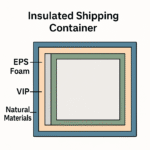
ينبغي بعد ذلك بناء قائمة المكونات بشكل خارجي من الطعام. تشمل العناصر النموذجية التغليف الأولي الجاهز للإنتاج, طبقة التحكم في الرطوبة, توسيد أو فواصل, خطة التنفيس, بطانة حرارية أو صندوق معزول, المبرد المكيف, الكرتون الخارجي مناسب للرطوبة. يجب أن يكون لكل عنصر سبب. الغلاف الداخلي يحمي المنتج. التحكم في الرطوبة يحمي الكرتون والعرض. العزل يبطئ اكتساب الحرارة. يدير المبرد الحمل الحراري. يتعامل الكرتون الخارجي مع الضغط, وضع العلامات, وفرز الناقل. إذا لم يكن للعنصر وظيفة واضحة, قد يكون إضافة تكلفة دون تقليل المخاطر.
تمنع مطابقة المسار أيضًا البدائل ذات الثقة الزائدة. أ الحقيبة الحرارية المستخدمة لتوصيل السائق قد لا تعمل كشاحن طرود معزول. أ بطانة الصندوق الذي يصلح للأطعمة المبردة قد لا يحمي الحلوى المجمدة. قد لا تكون عبوة الثلج الجاف مناسبة لمنتج يمكن أن يتلف بسبب البرد الشديد أو للممر الذي لا يكون فيه الشاحن مستعدًا لعلامات الثلج الجاف.
| سؤال التعبئة والتغليف | ما يتضمنه الجواب القوي | ماذا لتجنب |
|---|---|---|
| ما هو الشرط الذي يجب أن يصل? | مسح حالة المنتج, المتطلبات البصرية, وتلقي الإجراءات | لغة غامضة مثل إبقائها باردة. |
| أي طريق تتم حمايته? | الناقل, مدة, تسليم, موسم, ونوع المتلقي | استخدام عبوة واحدة لكل حارة دون مراجعة. |
| كيف تتم إدارة المبرد? | تكييف, الموضع, الانفصال, وقواعد الثلج الجاف إذا تم استخدامها | إضافة المزيد من سائل التبريد دون التحقق من تلف المنتج أو الملصقات. |
| هل الحزمة قابلة للتكرار؟? | طلب حزمة بسيط وتجربة شبيهة بالإنتاج | عينة تم تجميعها بشكل مختلف عن واقع المستودع. |
| وما الأدلة التي تدعم ذلك? | سياق الاختبار, مواصفات المورد, واستلام الشيكات | مطالبات غير مؤهلة بشأن وقت الانتظار أو وعود امتثال واسعة النطاق. |
السيطرة على الرطوبة, تدفق الهواء, والحركة
درجة الحرارة هي إحدى الطرق التي يمكن أن تفشل بها شحنة الغذاء. الرطوبة يمكن أن تخفف الكراتين, تسميات وصمة عار, تلف تغليف الهدايا, وجعل الطرود تشعر بعدم الأمان. يمكن أن تؤدي الحركة إلى سحق صناديق البيع بالتجزئة أو نقل سائل التبريد بعيدًا عن المنطقة التي كان من المفترض أن يحميها. قد يؤدي فشل الاتصال إلى لمس أجهزة الاستقبال للثلج الجاف, ترك المنتجات خارجا, أو أخطأت في تقدير الشرط المقبول. تعالج عبوات شحن المنتجات الطازجة الجيدة هذه المخاطر غير المرتبطة بدرجات الحرارة بشكل متعمد.
قد يتضمن التحكم في الرطوبة تعبئة أولية محكمة الغلق, طبقات ماصة, أكياس مقاومة للتسرب, أو المواد التي تتحمل التكثيف. قد يشمل التحكم في الحركة علب كرتون ذات حجم مناسب, المقسمات, ملء الفراغ الثابت, أو بطانة تناسب دون أن تنهار. قد يتضمن التواصل لغة التعامل البسيطة, الحذر من الثلج الجاف حيثما ينطبق ذلك, وتلقي التعليمات المطابقة لفئة الطعام. هذه التفاصيل صغيرة مقارنة باختيار العزل, لكنهم غالبًا ما يقررون ما إذا كانت الشحنة يتم التعامل معها بشكل احترافي أم لا.
يجب على المشتري أيضًا مراعاة قوة الكرتون في ظل الظروف الحقيقية. إن الكرتون الذي يكون قويًا عندما يجف قد يضعف إذا تعرض للتكثيف أو لتسرب المنتج. البطانة التي تبدو أنيقة عندما تكون فارغة قد تتشوه تحت وزن المنتج. أ حزمة المبرد التي يتم وضعها بشكل آمن في العينة قد تنزلق أثناء فرز الطرود. يجب أن تبحث تجارب الإنتاج عن نقاط الفشل العملية هذه.
استخدم مطالبات الموردين بحذر خاص بالمنتج
تعتبر بيانات المورد ذات قيمة عندما تكون محددة. اسأل ما تم اختباره, كيف كانت معبأة, ما هو الملف الشخصي المحيط الذي تم استخدامه, حيث تم وضع المجسات, وما اعتبر تمريرة. قد يكون الادعاء بأن الحزمة تدعم مدة معينة مفيدًا للمقارنة, ولكن لا ينبغي التعامل معها على أنها ضمان طريق عالمي. حمولة, سائل التبريد, موسم, والتعرض للناقل يمكن أن يغير النتيجة.
لغة الامتثال تحتاج إلى نفس الحذر. التعبئة والتغليف يمكن أن تدعم سلامة الأغذية أو قبول الناقل, ولكنها لا تجعل الشحنة متوافقة تلقائيًا في كل سوق. قد يتطلب الثلج الجاف علامات التغليف والتهوية الآمنة. قد تتطلب بعض الأطعمة تحكمًا أو توثيقًا محددًا لدرجة الحرارة. قد تتطلب شحنات التصدير مراجعة إضافية. النهج الأكثر أمانًا هو تأكيد المتطلبات مع فريق الجودة, الناقل, والقواعد المحلية المعمول بها قبل الإطلاق.
تتضمن مناقشة الموردين الناضجة حدودًا. اسأل أين لا ينبغي استخدام الحزمة المقترحة. اسأل عن التغيير الذي قد يؤدي إلى إعادة الاختبار أو المراجعة. اسأل ما إذا كانت العينة ومواد الإنتاج متطابقة. اسأل عن كيفية توصيل التغييرات المادية. تحمي هذه الأسئلة المشترين من الاعتماد على ادعاءات جذابة ولكنها غير كاملة.
سيناريو التوت المختلط والخضر
يقوم موزع المنتجات بتعبئة التوت المختلط والخضار الورقية لطريق اليوم التالي. التوت يحتاج إلى حماية من الكدمات, يحتاج الخضر إلى معالجة مبردة, وكلاهما يمكن أن يعاني إذا تجمعت المياه داخل الطرد. يجب أن توازن الحزمة التبريد, تدفق الهواء, والتحكم في الرطوبة. لن تبدأ المراجعة المستندة إلى المسار بكتالوج. سيبدأ بمجموعة المنتجات, حالة الوصول المطلوبة, الوقت المتوقع للسكن, عرض الكرتون, وعمل المتلقي. من هناك, يمكن للمشتري أن يقرر ما إذا كان سيتم اختباره أم لا بطانة صندوق معزولة, شاحن معزول جامد, كيس حراري للتسليم المحلي, أو تخطيط المبرد الموسمي.
أدوات اتخاذ القرار مفيدة
تحقق من التفاصيل قبل اختيار التغليف
يمكن أن تساعدك هذه الأدوات السريعة في مقارنة مخاطر المسار, احتياجات التحجيم, خيارات المبرد, وتفاصيل التعبئة والتغليف قبل أن تطلب عرض أسعار.
حاسبة الثلج الجاف
تقدير احتياجات الثلج الجاف للشحنات المجمدة أو شديدة البرودة قبل التعبئة.
تقدير الثلج الجافبطانة الصندوق & تحجيم غطاء البليت
تحقق من منطق تحديد حجم بطانة الصندوق وغطاء منصة التحميل لمشاريع التغليف المعزولة.
تقدير الحجممولد قائمة التحقق من الامتثال
قم ببناء قائمة مرجعية عملية لمراجعة التغليف, شحن, والتوثيق.
بناء قائمة مرجعيةيجب أن تكون العينة الأولى معبأة مثل الإنتاج. إذا كان موظفو المستودع سوف يحزمون بسرعة, ولا ينبغي للمحاكمة أن تعتمد على ترتيب دقيق لمرة واحدة. إذا سيتم تكييف المبرد في الثلاجة الموجودة, يجب أن تستخدم المحاكمة نفس العملية. إذا كانت الشحنات الاستهلاكية تتضمن بطاقة تعليمات, وينبغي للمحاكمة أن تشمل ذلك. الهدف ليس إنشاء عرض مثالي; بل هو اكتشاف ما إذا كانت الحزمة تعمل في ظل ظروف التشغيل التي ستستخدمها الشركة بالفعل.
بعد المحاكمة, مراجعة نقاط الفشل بعبارات محددة. هل تغيرت حالة المنتج? هل كانت الكرتونة مبللة؟? هل تحرك المبرد? هل فهم المتلقي التعليمات؟? هل تناسب العبوة مقعد التعبئة? ينتج عن هذا النوع من المراجعة تحسينات أفضل من مجرد طلب بطانة أكثر سمكًا أو المزيد من سائل التبريد.
التكلفة والاستدامة لطرق الإنتاج
غالبًا ما تتم مناقشة التكلفة والاستدامة بشكل منفصل, لكنهم يشتركون في نفس الجذر: ملائم. الحزمة ذات الحجم المناسب تقلل من نفايات الشحن, مساحة التخزين, الطلب المبرد, والتخلص من المواد. الشحنة الفاشلة تهدر كل شيء في الصندوق. يمكن أن يكون المكون القابل لإعادة الاستخدام خيارًا قويًا على طريق العودة الخاضع للتحكم, في حين أن البطانة القابلة لإعادة التدوير أو التي يمكن التخلص منها بسهولة قد تناسب شحن المستهلك في اتجاه واحد بشكل أفضل.
كرتونة إنتاج ذات حجم مناسب, توسيد قابل لإعادة التدوير, حقائب معزولة قابلة لإعادة الاستخدام على طرق العودة, والحزم التي تمنع الهدر الناتج عن الأحمال المرفوضة هي خيارات عملية فقط عندما تتطابق مع المسار. لا تفرض إعادة الاستخدام عندما تكون لوجستيات الإرجاع ضعيفة. لا تختار مادة خفيفة إذا كانت تزيد من فقدان المنتج. لا تختر نظامًا عالي الأداء لحارة محلية منخفضة المخاطر دون التحقق من التكلفة الإجمالية. أفضل قرار يوازن بين حماية المنتج, تَعَب, تخزين, الشحن, يضيع, وقبول العملاء.
يجب على فرق المشتريات مقارنة التأثير التشغيلي الإجمالي بدلاً من سعر الوحدة وحده. مراجعة تكلفة المواد, وقت التعبئة, احتياجات الفريزر أو التخزين, مكعب كرتون, معدل الضرر أو الرفض, عبء خدمة العملاء, وتعليمات التخلص منها أو إعادتها. وهذا يمنح المشترين رؤية أفضل للقيمة بدلاً من مجرد اختيار المكون المعزول الأقل تكلفة.
قائمة مراجعة الشراء النهائية لتغليف المنتجات
قبل الموافقة على تغليف شحن المنتجات الطازجة, تأكيد خمسة أشياء. أولاً, حالة المنتج المطلوبة عند الوصول مكتوبة بشكل واضح. ثانية, ملف تعريف المسار واقعي, بما في ذلك سلوك المسكن والمتلقي. ثالث, يتوافق اختيار سائل التبريد مع قواعد المنتج والناقل. الرابع, تمت تجربة الحزمة بتعبئة تشبه الإنتاج. الخامس, لقد قدم المورد المواصفات وأي سياق اختبار متاح دون وعود واسعة النطاق.
قم أيضًا بتأكيد ما سيتم مراجعته بعد الإطلاق. تغليف السلسلة الباردة لا ينبغي أن يكون قرارا لمرة واحدة. موسم, خدمة الناقل, مزيج المنتج, حجم الطلب, وتوقعات العملاء يمكن أن تتغير. قد تحتاج الحزمة التي تعمل في الربيع إلى التعديل في الصيف. قد يتطلب تغيير SKU صغيرًا تعبئة فراغات أو تخطيطًا مختلفًا لسائل التبريد. قد يقدم الناقل الجديد نقاط سكن مختلفة.
عندما يتم التعامل مع القائمة المرجعية كجزء من العمليات, يصبح التغليف أسهل في الإدارة. يمكن للفرق شرح سبب استخدام أحد المكونات, ما هي المخاطر التي تسيطر عليها, ومتى ينبغي مراجعتها. يعد هذا الوضوح أكثر فائدة من الاعتماد على ادعاء عام بأن الصندوق معزول أو أن المبرد طويل الأمد.
التعليمات
كيف أعرف خيار تغليف شحن المنتجات الطازجة المناسب لمنتجي?
ابدأ بحالة المنتج المطلوبة عند الوصول, وليس مع اسم المادة. تأكد مما إذا كان يجب أن يظل المنتج مجمداً, مبردة, محمية من الحرارة, محمية من الرطوبة, أو محمية للعرض. ثم تطابق العزل, سائل التبريد, كرتون, وتعليمات التعبئة على الطريق. إذا لم يتمكن المورد من شرح كيفية تناسب الحزمة مع حمولتك ومسارك, اطلب المزيد من السياق قبل الطلب.
هل يجب أن أستخدم الثلج الجاف, حزم هلام, أو حزم PCM?
الجواب يعتمد على حساسية المنتج, الشرط المطلوب, طريق, قبول الناقل, والقدرة على التعامل. يمكن أن يكون الثلج الجاف مفيدًا لبعض الشحنات المجمدة ولكنه قد يتطلب تغليفًا مهووسًا, علامات, ومراجعة الناقل. حزم هلام ويمكن أن تكون حزم PCM أسهل بالنسبة للسلع المبردة أو الحساسة للحرارة, لكنهم ما زالوا بحاجة إلى التكييف والتنسيب الصحيحين. لا تقم بتبديل المبردات دون مراجعة العبوة الكاملة.
هو صندوق معزول بدرجة كافية لشحن المواد الغذائية القابلة للتلف?
العزل وحده يبطئ انتقال الحرارة; ولا يؤدي إلى إنشاء شحنة خاضعة للرقابة. تحتاج الحزمة العملية أيضًا إلى حالة بدء المنتج المناسبة, المبرد أو المبرد عند الحاجة, التحكم في التسرب أو الرطوبة, قوة الكرتون, إنهاء, وتلقي التعليمات. قد يحافظ الصندوق المعزول المغلق على البرودة بداخله, ولكنه يمكن أيضًا أن يحبس مشاكل الرطوبة والإيثيلين الحساسة إذا لم يتم أخذ نوع المنتج في الاعتبار. تعامل مع الصندوق باعتباره أحد مكونات النظام.
ماذا يجب أن أسأل المورد قبل الشراء بكميات كبيرة؟?
اسأل عن الأبعاد الداخلية والقابلة للاستخدام, مواصفات المواد, توافق المبرد, اتساق العينة إلى الإنتاج, وأي سياق اختبار وراء مطالبات الأداء. اسأل أيضًا عن الشروط التي لم يتم تصميم الحزمة من أجلها. غالبًا ما يكون المورد الذي يمكنه وصف الحدود أكثر فائدة من المورد الذي يقدم مطالبة واسعة النطاق دون توضيح الحمولة, ملف تعريف المحيط, أو افتراضات الطريق.
متى يجب مراجعة الحزمة مرة أخرى?
قم بمراجعة العبوة كلما كان المنتج, موسم, طريق, خدمة الناقل, حجم الطلب, نوع المبرد, أو تغييرات مورد التعبئة والتغليف. قم بمراجعته أيضًا بعد الشكاوى, عمليات التسليم المرفوضة, كرتونة مبللة, الوصول في وقت متأخر, أو سجلات درجات الحرارة غير العادية. يجب الحفاظ على عبوات السلسلة الباردة مثل عملية التشغيل, لم تتم الموافقة مرة واحدة والنسيان.
خاتمة
أقوى قرار لتغليف شحن المنتجات الطازجة هو قرار قائم على المسار ومدرك للأدلة. تحديد الوصول المقبول, قم ببناء العبوة خارجًا من المنتج, السيطرة على الرطوبة والحركة, والتحقق من مطالبات الموردين في السياق. حقيبة, بطانة, سائل التبريد, أو الكرتونة ليست سوى جزء واحد من الجواب. يجب أن يتطابق النظام النهائي مع فئة الغذاء, مدة الطريق, نقاط التسليم, توقعات المتلقي, وسير عمل المستودع. عندما يتم تدوين تلك العوامل, يصبح اختبار التغليف أسهل, يحسن, وحجم.
حول Tempk
و Tempk, نحن ندعم فرق الخدمات اللوجستية الغذائية بأكياس معزولة, بطانات معزولة, حزم الجليد, هيدرات الثلج الجاف, طوب الجليد, وتغليف الكرتون العازل. للمنتجات الطازجة, تكمن قيمتنا في مساعدة المشترين على التفكير في تنفس المنتج, رُطُوبَة, تدفق الهواء, والتعامل مع الطريق قبل اختيار البطانة أو المبرد.
CTA
أرسل Tempk فئة المنتج الخاص بك, طريق الشحن, حمولة, ومتطلبات درجة الحرارة لمناقشة توصية التعبئة العملية.