دليل التعبئة والتغليف لسلسلة التبريد للزبادي المجمد للتسليم المجمد
تغليف السلسلة الباردة guide for frozen yogurt cups and tubs, covering frozen texture, أمن الغطاء, التكثيف, الثلج الجاف الموضع, وقت العبور, and Tempk packaging options.
Why frozen yogurt need a specific frozen packout
Frozen yogurt often uses lighter cups and softer frozen texture than hard-packed ice cream, so lid security and temperature recovery after depot dwell are more important than carton strength alone. الحلويات المجمدة لا تفشل إلا عندما تصبح سائلة. نَسِيج, حالة المجمع, غطاء مناسب, إزهار الصقيع, ويمكن أن يؤثر جفاف الكرتون على قبول المستلم للشحنة. قد يؤدي الطريق الذي يناسب حوضًا كثيفًا إلى إتلاف أغلفة المصاصة الرقيقة أو دفع أغطية الزبادي المجمد خارج مكانها.
لمعظم ممرات طرود الحلوى المجمدة, الهدف العملي هو الحفاظ على المنتج مجمداً خلال التعبئة, مستودع يسكن, مسافة الخط, تسليم الميل الأخير, والتعرض عتبة الباب. ال حزمة الثلج الجاف أو يجب أن يكون حجم سائل التبريد المجمد مناسبًا للحارة وفصله عن عبوات البيع بالتجزئة بحيث يظل المنتج مجمداً بدون علامات ضغط, التسميات الرطبة, أو الأغطية المسحوقة.
متطلبات الحزمة
| عامل السلسلة الباردة | Frozen Yogurt requirement |
|---|---|
| درجة الحرارة المستهدفة | -18 C or below for frozen transport |
| الرطوبة والتكثيف | Moderate risk around paper cups, تسميات, الأغطية, وعلب كرتون متعددة |
| التبريد المسبق | Freeze product fully before loading and keep cups in cold staging until the insulated shipper is ready. |
| ضغط التغليف | Medium to high for cups and lids; compression can loosen lids or deform retail packs. |
| موقف المبرد | Dry ice above or perimeter-positioned with liner pockets, never pressing directly on cup lids. |
| مدة العبور | Frozen parcel routes from local same-day to 24-48 h lanes after route testing. |
| نقاط الخسارة المشتركة | Texture graininess, melted rim, غطاء البوب, تسمية الرطب, انهيار الكرتون, and thaw-refreeze separation. |
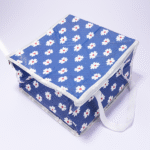
| استجابة التعبئة والتغليف Tempk | Tempk rigid insulated shipper, conditioned dry ice pack, cup divider, lid-protection layer, بطانة جافة, and temperature logger for route approval. |
ملاحظات تصميم الطريق
ابدأ بتحديد النقاط الدافئة في المسار: انطلاق المنتج, وقت التعبئة, التسليم إلى الناقل, يسكن مركز الفرز, يسكن مركبة التسليم, والتقاط العملاء. تحتاج الحلويات المجمدة ذات الوزن الأصغر إلى توقيت تعبئة أكثر صرامة لأنها تتعافى بشكل سيئ بعد التعرض للدفء. إذا تم تعبئة المنتج قبل الشاحن, الثلج الجاف, والاكسسوارات جاهزة, لقد فقد المسار بالفعل جزءًا من هامش الأمان الخاص به.
أدوات اتخاذ القرار مفيدة
تحقق من التفاصيل قبل اختيار التغليف
يمكن أن تساعدك هذه الأدوات السريعة في مقارنة مخاطر المسار, احتياجات التحجيم, خيارات المبرد, وتفاصيل التعبئة والتغليف قبل أن تطلب عرض أسعار.
حاسبة الثلج الجاف
تقدير احتياجات الثلج الجاف للشحنات المجمدة أو شديدة البرودة قبل التعبئة.
تقدير الثلج الجافبطانة الصندوق & تحجيم غطاء البليت
تحقق من منطق تحديد حجم بطانة الصندوق وغطاء منصة التحميل لمشاريع التغليف المعزولة.
تقدير الحجمسائل التبريد & مرجع PCM
قارن خيارات سائل التبريد وPCM عندما يحتاج المسار إلى دعم إضافي لدرجة الحرارة.
قارن الخياراتيجب أن تثبت العبوة الداخلية وحدات البيع بالتجزئة في مكانها دون الضغط عليها. استخدم الفواصل, الصواني, أو دعامات الكرتون عندما يمكن أن تنحني المنتجات الضيقة أو يمكن أن تضغط الأكواب على بعضها البعض. إذا كانت الشحنة تحتوي على نكهات مختلطة أو عبوات متعددة, تأكد من أن الملصقات تظل قابلة للقراءة وأن الصقيع أو الرطوبة لا يجعل النكهات تتسرب بشكل مرئي إلى الكرتون الخارجي.
المقارنة مع الحلويات المجمدة ذات الصلة
| منتج | الفرق في التعامل مع المجمدة | أولوية التغليف |
|---|---|---|
| المصاصات / مصاصات الجليد | كتلة صغيرة, مساحة سطحية عالية, مغلفات رقيقة, خطر محاذاة العصا | تحميل سريع, ضبط النفس الحزمة, التعامل مع الغلاف الجاف |
| الزبادي المجمد | ملمس أكثر نعومة, حساسية ضغط الكوب والغطاء, تسمية خطر الرطب | حماية الغطاء, بطانات جافة, وضع الثلج الجاف المتوازن |
| أحواض الآيس كريم | يعتبر تليين الطبقة العليا وحالة الكرتون من نقاط القبول المرئية | التبريد العلوي, حماية الغطاء, جفاف الكرتون |
توصية التعبئة والتغليف Tempk
تستخدم شحنة الحلوى المجمدة النموذجية من Tempk مادة صلبة الشاحن المعزول, علبة ثلج جاف أو تخطيط سائل تبريد متوافق مع الثلج الجاف, طبقة تقييد المنتج, فواصل جافة, وقائمة مرجعية للاستلام. للطرق المباشرة للمستهلك, يمكن لتنسيق الطرود المضغوط أن يقلل من المساحة الهوائية ويحسن كفاءة التبريد. للشحنات بالجملة أو متعددة العبوات, قد تكون هناك حاجة إلى فواصل داخلية أقوى وكتلة ثلج جاف أكبر.
قم بإجراء التحقق الأول من الصحة باستخدام مسجل درجة الحرارة على مستوى المنتج وقائمة مرجعية للاستلام المرئي. التحقق من صلابة المنتج, حالة الغلاف أو الغطاء, جفاف الكرتون, الصقيع, نقل الرائحة, وما إذا كان بإمكان العميل إزالة المنتج بشكل نظيف من شركة الشحن. الموافقة على الحزمة فقط بعد اختبار المسار الحقيقي, حجم المنتج, كمية الطلب, وظروف الموسم الدافئ.