صناديق الاشتراك في الأغذية الطازجة، دليل التعبئة والتغليف لسلسلة التبريد لتسليم الطرود
تجمع صناديق الاشتراك في الأطعمة الطازجة بين سلامة الأغذية المبردة, جودة المكونات, وعرض العملاء في طرد واحد. يجب أن تحافظ العبوة على برودة الطعام, حماية المكونات الطازجة من الرطوبة والضغط, ولا تزال تبدو نظيفة عندما يفتح العميل الصندوق.
لماذا تحتاج صناديق الاشتراك في الأطعمة الطازجة إلى عبواتها الخاصة؟
عادةً ما يكون مربع الاشتراك عبارة عن حمل مختلط: بروتين, العناصر المعدة, المنتجات الطازجة, الصلصات, ألبان, وقد تشترك بطاقات الوصفات في نفس المساحة المعزولة. يمكن لتصميم سائل تبريد واحد أن يفرط في تبريد الخضر, سحق المنتجات الناعمة, تسميات الورق الرطب, أو ترك البروتينات الكثيفة أكثر دفئا من المتوقع. الهدف ليس فقط الحفاظ على نطاق بارد, ولكن للسيطرة على الرطوبة, ضغط, وفصل المنتج من خلال التعامل مع الطرود.
لتوصيل الطرود الغذائية المبردة, يستخدم العديد من المشغلين هدفًا عمليًا حوله 0-4 C للمنطقة الباردة وتحقق من صحة المسار مقابل موقع المنتج الأكثر دفئًا. يجب أن يتبع المتطلبات الدقيقة نوع الطعام, اللوائح المحلية, وعد العميل, ومدة الطريق.
أدوات اتخاذ القرار مفيدة
تحقق من التفاصيل قبل اختيار التغليف
يمكن أن تساعدك هذه الأدوات السريعة في مقارنة مخاطر المسار, احتياجات التحجيم, خيارات المبرد, وتفاصيل التعبئة والتغليف قبل أن تطلب عرض أسعار.
مولد قائمة التحقق من الامتثال
قم ببناء قائمة مرجعية عملية لمراجعة التغليف, شحن, والتوثيق.
بناء قائمة مرجعيةبطانة الصندوق & تحجيم غطاء البليت
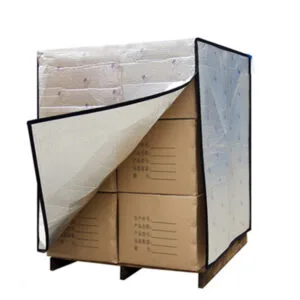
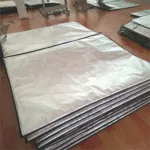
تحقق من منطق تحديد حجم بطانة الصندوق وغطاء منصة التحميل لمشاريع التغليف المعزولة.
تقدير الحجممحدد التعبئة والتغليف
قارن بين خيارات التغليف المعزولة حسب المنتج, طريق, ودرجة الحرارة اللازمة.
البحث عن التعبئة والتغليفجدول متطلبات الحزمة
| عامل السلسلة الباردة | متطلبات صندوق الاشتراك في المواد الغذائية الطازجة | استجابة التعبئة والتغليف Tempk |
|---|---|---|
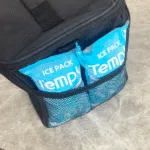
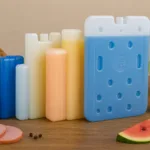
| نطاق درجة الحرارة | طريق الطرود المبردة, التحقق من صحة عادة حولها 0-4 C للمحتويات المبردة عالية الخطورة. | صندوق معزول يحتوي على عبوات جل مكيفة الحجم لتوجيه الوقت وكتلة المنتج. |
| رطوبة | مخاطر عالية حول المنتجات الورقية, بطاقات وصفة, تسميات, والكرتون الورقية. | بطانة جافة, وسادة ماصة, أكياس المكونات مختومة, وفصل المبرد. |
| التبريد المسبق | البروتينات, ألبان, ويجب أن تدخل المكونات المعدة إلى الصندوق من التدريج البارد. | حزمة فقط بعد المنتجات, حزم هلام, بطانات, والشاحن جاهز. |
| ضغط التغليف | يمكن سحق المكونات المختلطة بواسطة سائل التبريد أو بواسطة منتجات أثقل أثناء التعامل مع الناقل. | استخدم الفواصل, دعم صينية, وطبقة حماية سائل التبريد المسطحة. |
| موقف المبرد | يجب أن تعمل عبوات الجل على تبريد منطقة المنتج دون الضغط المباشر على العناصر الحساسة. | وضع سائل التبريد العلوي أو الجانبي مع فصل المنتج واختبار المسار. |
| مدة العبور | في نفس اليوم ل 48 ح طرق الطرود, مع تضمين الميل الأخير ومسكن عتبة الباب. | التحقق من صحة الممرات في الموسم الدافئ باستخدام بيانات المسجل وتلقي الشيكات. |
| الخسائر المشتركة | بروتين دافئ, الخضر الذابلة, بطاقات مبللة, الصلصات المتسربة, المنتجات المسحوقة, ورفض العملاء. | مصدر بارد متوازن, التحكم في الرطوبة, تقسيم المكونات, واستلام قائمة المراجعة. |
ملاحظات تصميم الطريق
قم بتخطيط النقاط الدافئة قبل اختيار الشاحن: وقت التعبئة مقاعد البدلاء, تسليم الناقل, يسكن مركز الفرز, مسافة الخط, يسكن مركبة التسليم, والتعرض عتبة الباب. قد يفشل المسار الذي يتم تنفيذه في الشتاء في الصيف إذا لم تتغير كتلة عبوة الجل أو سمك العزل.
يجب أن يكون التصميم الداخلي منفصلاً كثيفًا, المواد المبردة عالية الخطورة من المنتجات والمواد الورقية الحساسة. مكان حزم هلام حيث يقومون بتبريد منطقة الطعام بالتساوي, ولكن تجنب الاتصال المباشر مع الخضر, تسميات الورق, أغطية صلصة, أو حزم التجزئة رقيقة. للصناديق التي تحتوي على البروتينات والمنتجات الطازجة معًا, استخدم تقسيم المنتج بدلاً من تجويف واحد فضفاض.
توصية تيمبك
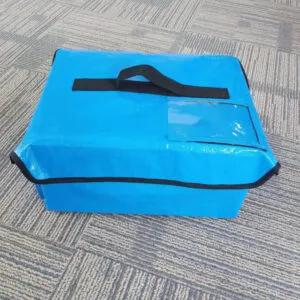
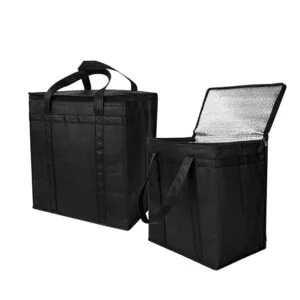
تستخدم حزمة الاشتراك النموذجية للأطعمة الطازجة Tempk مربع معزول أو بطانة, عبوات جل مكيفة, طبقة فصل جافة, فواصل المنتج, مادة ماصة عند الحاجة, والتحقق من صحة حارة محددة. ابدأ باختبار المسجل على مستوى المنتج, ثم تحقق من درجة حرارة الطعام, التكثيف, العناصر المسحوقة, تسرب, حالة التسمية, وتجربة فتح العلبة بشكل عام.