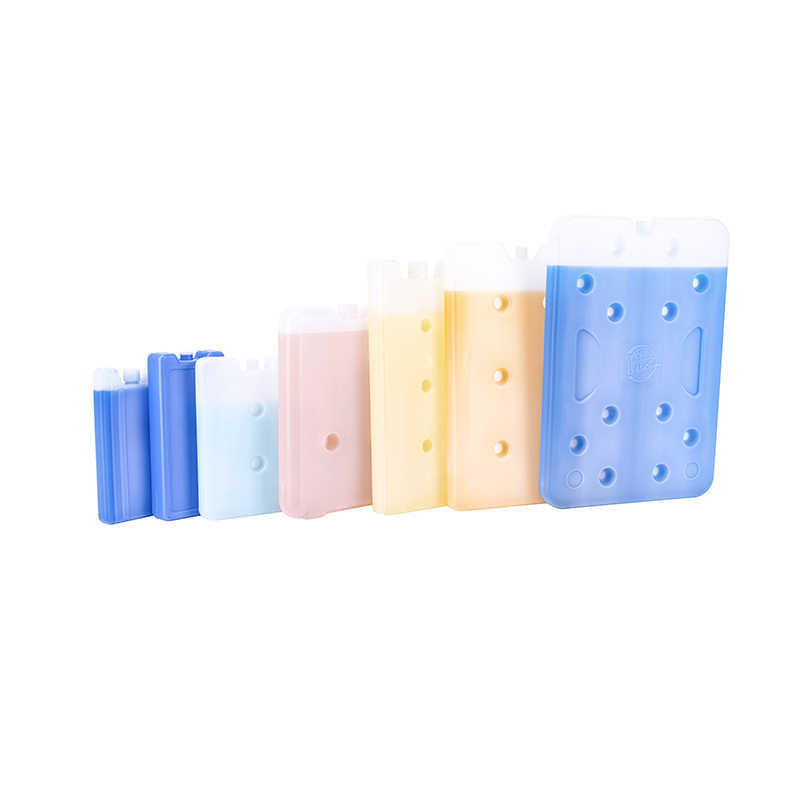
Gel Brick Cross-Country Shipping Starts With Lane Control
Gel brick cross-country shipping is not primarily a mileage problem. A parcel experiences packing-room staging, يلتقط, sort hubs, مسافة الخط, exposed transfers, مركبات الميل الأخير, وتلقي التأخير. Each segment consumes part of a passive shipper’s finite thermal reserve. A dependable program converts that journey into a timed risk profile, then qualifies one or more complete packouts for the product, حمولة, موسم, والخدمة. The gel brick supplies cooling capacity; it does not replace insulation, الانضباط الطريق, يراقب, or a receiver who is ready to act.
The practical objective is a shipment that remains controlled when the lane behaves credibly, not only when every scan happens on schedule.
Draw the boundary from cold storage to cold storage
Carrier transit time usually begins after tender and ends at delivery. The thermal journey begins earlier and can end later. Include the interval while products wait for packing, bricks move from conditioning equipment, cartons stand for pickup, and receivers transfer goods into suitable storage. If Quality needs to review a logger before release, define how the product is held during that review.
Build the timeline from real events. Carrier scans show movement and dwell; warehouse records show packing and staging; receiving timestamps reveal delays after proof of delivery. Historical weather can help describe seasonal exposure, but reported outdoor temperature does not capture a parcel in direct sun, beside a dock door, or inside a frequently opened van. Field monitoring is valuable because it connects these conditions to the actual package.
Pay special attention to time that lacks a clear owner. A completed shipper may wait after a missed pickup. A parcel can arrive at a building while the named receiver is away. Remote-area delivery may add a handoff not visible in the standard service description. Packaging must account for justified variability, while scheduling and escalation should remove avoidable dwell.
Turn the lane into controlled design inputs
Use one lane-control record for each route group or service pattern. It should distinguish what packaging can address from what needs an operational response.
| منطقة القرار | Questions that define the lane | Resulting control |
|---|---|---|
| منتج | What condition is approved, is freezing prohibited, and how are excursions assessed? | Written thermal acceptance and quality-disposition process |
| وقت | When does thermal exposure begin and end, and which delays occur in practice? | Planned duration, justified contingency, and shipping-day rules |
| بيئة | Which origin, مَركَز, وجهة, and last-mile hot or cold conditions are credible? | Seasonal profiles and packout-selection triggers |
| حمولة | What are the minimum and maximum loads, هندسة, حالة البداية, and void pattern? | Defined payload configurations and approved filler or insert |
| التعامل | How many transfers occur, can orientation change, and where may damage happen? | Brick restraint, حماية الكرتون, sealing and inspection controls |
| خدمة | Does the carrier move on weekends, support remote areas, and offer intervention? | Service selection, tracking alerts, وكتاب اللعب الاستثناء |
| إيصال | Who accepts the shipment, reviews data, and stores or quarantines product? | جهات الاتصال المسماة, unpacking instruction, and response ownership |
This record becomes the link between risk assessment, اختبار, الحجز, warehouse work, والاستلام. Review it when a route, الناقل, حمولة, منتج, أو تغييرات المكونات. A lane that was stable under one schedule can acquire a new hub or weekend pattern without changing its mileage.
Design for both sides of the temperature range
Cross-country teams naturally worry about summer heat, yet cold weather can be equally damaging. A chilled product may face freezing air outside the carton and a deeply conditioned gel brick inside it. An acceptable average temperature can hide a local cold point where product touches coolant.
Start with the approved product requirement rather than a generic phrase such as “refrigerated.” The product owner should define the range, حساسية, and excursion process using appropriate stability and regulatory information. Food-safety requirements, pharmaceutical labeling, laboratory protocols, and quality expectations differ. A coolant selected for one application should not be transferred to another merely because both are described as cold.
Frozen bricks may need a specified divider or an alternative conditioning state for freeze-sensitive payloads. European GDP guidance for medicinal products warns against direct contact with cool-packs where freezing may result. CDC vaccine guidance similarly cautions that frozen حزم المبرد can freeze refrigerated vaccines and distinguishes laboratory-tested qualified packouts from ordinary consumer coolers. These facts do not provide a universal arrangement; they show why cold-side mapping and product-specific instructions are necessary.
Seasonal configurations can reduce unnecessary weight, but they introduce selection risk. If summer, شتاء, or shoulder-season versions are used, give each a distinct component kit and visual identity. Define who chooses the version, which data inform the decision, and what happens when forecasts are uncertain. A calendar date alone may not reflect a route crossing several climate zones.
Match payload geometry, العزل, and gel bricks
A passive shipper works through the interaction of four elements. Insulation reduces heat flow. الطوب هلام absorb heat as they warm or change state. The product contributes thermal mass. الفواصل, السيطرة على الفراغ, and pack sequence preserve the intended geometry.
Minimum payload can be the harder case because it contains less product mass and more internal air. Maximum payload can also create risk if cartons displace coolant, press against cold surfaces, or prevent the lid from closing. Establish representative load bands or separate shipper sizes instead of allowing packers to improvise.
Brick dimensions should support a stable arrangement. Flat units can form side walls or layers; dedicated holders can make omissions visible. Check fit after conditioning and allow for stated dimensional tolerances. Secure the pieces so vibration and orientation changes cannot move them into the product cavity. An unqualified pad, air pillow, or sheet of cardboard is not necessarily equivalent to the divider used in testing.
The outer carton and closure protect the thermal design through parcel handling. Evaluate relevant mechanical hazards in addition to chamber performance. A cracked insulation joint, opened seam, displaced brick, or crushed lid can change heat leakage even if every component began at the correct temperature.
Choose the service and packout as one decision
A faster service may reduce duration but introduce air-hub transfers and schedule sensitivity. Ground service may take longer yet follow a predictable corridor. Remote destinations, residential stops, and weekend movement can change both. Compare actual origin-to-receiver history rather than assuming that one transport mode is always safer.
Segmenting the network is often more efficient than forcing one design to cover every extreme. An operation might use a regional configuration, a standard national configuration, and a higher-risk version for longer, hotter, or remote lanes. The exact number should remain manageable. Each version needs a distinct bill of materials, selection rule, أدلة التأهيل, وتعليمات التعبئة.
Calculate freight using the closed package. Extra gel bricks add mass and may enlarge the insulated cavity. More capable insulation can sometimes reduce coolant or external cube, but only complete-system testing can show whether the trade is sound. A service upgrade may cost less than carrying excess thermal mass on every easy lane.
Air movement introduces additional acceptance questions. Dry ice is regulated for air transport and has packing, تنفيس, وضع العلامات, الوثائق, and operator provisions. Gel bricks can avoid that specific dry-ice behavior, but the exact coolant formulation, سلعة, biological contents, البطاريات, and monitoring devices still require appropriate carrier review.
Prove the design before national rollout
Qualification begins with predefined acceptance criteria and the exact commercial configuration. سجل حاوية معزولة, كرتون, جزء وكمية الطوب الهلامي, طريقة التكييف, المقسمات, عصابات الحمولة, إنهاء, مواقع الاستشعار, الملفات الشخصية المحيطة, مدة, وتعليمات التشغيل.
Controlled thermal testing should challenge credible heat and cold conditions, process tolerances, and minimum and maximum loads. معيار ISTA 20 يصف عملية التصميم والتأهيل ل حاويات شحن معزولة, and ISTA 7E provides parcel thermal profiles. They offer a disciplined framework, but the selected conditions still need to fit the product and route. Passing one profile does not make a package suitable for every national lane.
أدوات اتخاذ القرار مفيدة
تحقق من التفاصيل قبل اختيار التغليف
يمكن أن تساعدك هذه الأدوات السريعة في مقارنة مخاطر المسار, احتياجات التحجيم, خيارات المبرد, وتفاصيل التعبئة والتغليف قبل أن تطلب عرض أسعار.
حاسبة الثلج الجاف
تقدير احتياجات الثلج الجاف للشحنات المجمدة أو شديدة البرودة قبل التعبئة.
تقدير الثلج الجافحاسبة علبة الثلج
تقدير كمية عبوات الثلج الهلامي للشحنات المبردة والتخطيط العملي للمسار.
تقدير عبوات الثلجمحدد التعبئة والتغليف
قارن بين خيارات التغليف المعزولة حسب المنتج, طريق, ودرجة الحرارة اللازمة.
البحث عن التعبئة والتغليفSensor placement must support the decision. Air near a lid can react faster than the product, while a logger against a frozen brick reports a cold interface rather than a representative payload. Development mapping should identify relevant warm and cold positions. Routine monitoring can then be based on that knowledge and the program’s risk.
After laboratory work, use monitored route trials where required to test operational assumptions. Include normal packers, real pickup cutoffs, representative services, and prepared receivers. Compare temperature records with scans, حالة الحزمة, حمولة, and assembly records. Field success supports the defined lane; it is not a universal duration claim.
Challenge the awkward shipment
The neat full carton dispatched early in the week is rarely the only commercial case. Include the smallest approved order, the heaviest or largest load, a late-day pickup, and any shipping day that the program permits. If Friday tender or unattended weekend delivery is unacceptable, prevent it through the ordering and booking process. A prohibited scenario should not remain possible simply because a training document advises against it.
Run the lane through routine control and exceptions
Conditioning is a production process. Freezer set point, حالة البدء بالطوب, batch density, تباعد الرف, تدفق الهواء, door use, يسكن, and warm stock added during the cycle all influence readiness. Verify the routine loading pattern at peak volume. Separate unconditioned, مستعد, tempered where applicable, عاد, and rejected units so staff cannot select by touch alone.
The packing instruction should show component identity, layer sequence, brick orientation, موقف المقسم, فرقة الحمولة, موقع المسجل, إغلاق الخطوط الملاحية المنتظمة, نمط الشريط, and final view. Use kits, عمليات المسح, صور فوتوغرافية, or concise checks at critical steps. If the design can be assembled two plausible ways, simplify it before scaling.
Set a maximum period between brick removal, pack completion, and carrier collection. When pickup is delayed, move the shipper to its approved holding location and follow the escalation procedure. Opening a qualified carton to insert an extra frozen brick changes the arrangement and should not be an improvised rescue.
Respond to delay before thermal capacity is exhausted
Define tracking alerts for missed pickup, stalled hub, weather exception, address correction, وفشل التسليم. Name the logistics owner, carrier contact, quality decision-maker, والمتلقي. Preapprove feasible actions such as holding the unopened carton at a staffed facility, redirecting to an authorized location, expediting the next segment, or returning to origin.
Monitoring helps interpret an exception; it does not cool the product. عندما يحدث انحراف, combine the trace with qualification limits, معلومات استقرار المنتج, أحداث الطريق, and package condition. The authorized quality owner should decide product disposition under the applicable procedure.
Receiving closes the process. The consignee needs advance notice, unpacking priority, خطوات التفتيش, data-retrieval instructions, storage capacity, and a method for quarantining questionable goods. Record delivery and unpacking times. A parcel that meets the carrier commitment can still lose control while waiting in a mailroom.
For returned gel bricks, define leak, ختم, تلوث, تورم, تشوه, تعريف, تنظيف, تجديد, وقواعد التقاعد. Cross-country reuse is most credible in consolidated business loops. Shipping individual empty bricks back from dispersed receivers may provide little economic or environmental benefit, so measure actual recoveries before claiming success.
Supplier evidence for a cross-country packout
Give suppliers the route groups, حالة المنتج, عصابات الحمولة, تنسيق العزل, مواقف الطوب, موارد التكييف, التعرض الموسمي, planned and contingency duration, مستوى الخدمة, والحجم. Then ask for measurable information: filled dimensions and tolerances, كتلة, البناء الخارجي, وصف المبرد, توجيه التكييف, تحديد الكثير, وثائق السلامة, commercial case pack, and change-notification practice.
Ask what complete configuration supports any performance statement. The relevant details are the box, حمولة, كمية الطوب وحالته, ملف تعريف المحيط, مواقف الاستشعار, مدة, وحدود القبول. Samples used for final development should represent the proposed commercial product and production site.
Supplier support can narrow options and improve fit, but the shipper remains responsible for product criteria, lane selection, carrier agreements, مؤهل, and routine control. A component brochure cannot approve a national network.
الأسئلة المتداولة
How many gel bricks are needed for cross-country delivery?
There is no dependable count based on distance. Quantity depends on the brick, العزل, كتلة المنتج, شروط البداية, الهندسة الداخلية, الملف الموسمي, journey time, والطوارئ. Develop a candidate arrangement, then test the exact commercial packout across its approved payload and route conditions.
Is overnight air safer than multi-day ground transport?
It can reduce elapsed time, but air services introduce terminal handoffs, قطع, and missed-connection risk. Ground can be predictable on some corridors and variable on others. Compare real scan histories, door-to-door time, seasonal environments, توافر المتلقي, تتبع, خيارات الاسترداد, and the package qualified for that service.
Can one packout cover summer and winter?
قد يكون ذلك, if controlled evidence supports both warm and cold exposures and the resulting weight remains economical. Other programs use seasonal versions to reduce mass or freeze risk. When versions differ, document the selection trigger, use clearly separated kits, and qualify each approved arrangement.
أين يجب وضع مسجل درجة الحرارة?
Place it where the reading supports the program’s acceptance or investigation decision. Development mapping should identify warm and cold product locations. Routine placement then follows the written plan. Avoid casual placement in empty space or directly against a gel brick unless that location is intentionally being evaluated.
When should the lane be reviewed again?
Review is appropriate after changes in product, حمولة, سائل التبريد, العزل, كرتون, مزود, عملية التكييف, الناقل, خدمة, محاور, جدول, receiving site, or recurring excursion pattern. The quality system should determine whether the change needs a document update, التحقق المركز, أو إعادة التأهيل على نطاق أوسع.
Cross-country reliability is engineered door to door
Effective gel brick cross-country shipping combines a product-specific requirement, timed lane profile, الحزمة الموسمية, تكييف قابل للتكرار, suitable service, الأدلة المراقبة, and a prepared receiver. ابدأ في التخزين البارد and end at cold storage. Use process controls to remove predictable delays, and reserve packaging capacity for credible exposure rather than unknown assumptions.
حول Tempk
و Tempk, نحن نقدم عبوات جل الثلج و العبوة المعزولة تنسيقات للطعام, طبي, وغيرها من التطبيقات الحساسة لدرجة الحرارة. We can review your route groups, أبعاد الحمولة, موارد التكييف, and current container to discuss candidate brick sizes and packout formats. Our recommendations are inputs to your design process; the completed system should be tested and controlled for the product, مواسم, مستويات الخدمة, and receiving conditions you intend to use.
CTA: Share one representative cross-country lane, its seasonal risks, نطاق الحمولة, الشرط المطلوب, خدمة, and delay history with Tempk. We can help you shortlist components for an instrumented packout trial.