فحوصات السلامة غير السامة للطوب الهلامي للمشترين من الشركات: دليل الاختيار العملي
أ الطوب هلام يجب اختيار المواد غير السامة كجزء من العبوة, وليس بمثابة وعد قائم بذاته. يحتاج المشتري إلى معرفة ما يحتويه الطوب, كيف مختومة, كيف سيتم تجميدها أو تكييفها, حيث يجلس في حاوية معزولة, وما هو الدليل المطلوب قبل التوسع في الاستخدام بالجملة. يجمع هذا الدليل الأمثل بين تعليم المنتج, الحدود التقنية, ونصائح الشراء على مستوى المسار حتى تتمكن من اتخاذ قرار أكثر قابلية للدفاع عن المصادر. فهو يحافظ على ربط مطالبات الأداء بالحمولة الفعلية, خط, وعملية التعبئة.
الوجبات الجاهزة العملية: اكتب متطلبات المسار والحمولة أولاً, ثم حدد الطوب الهلامي غير السام كعنصر تبريد يمكن اختباره, معبأة, تفتيشها, وتحجيمها دون خلق مخاطر معالجة جديدة.
ابدأ بالوظيفة, وليس اسم المنتج
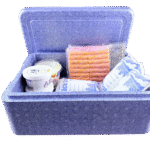
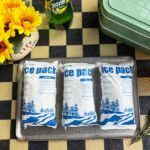
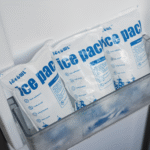
الطوب الهلامي هو مصدر بارد جامد أو شبه جامد يستخدم داخل الشاحن المعزول, مربع مبرد, حمل, أو كيس التسليم. اعتمادا على التصميم, قد تكون الحشوة عبارة عن هلام مائي, صياغة PCM, أو مزيج تبريد آخر. الشكل الصلب يجعل العد, الموضع, والتعامل المتكرر أسهل من العديد من العبوات الناعمة, بينما توفر الحشوة كتلة حرارية تمتص الحرارة أثناء تسخينها أو ذوبانها. تلك هي المساهمة المفيدة: يبطئ الطوب اكتساب الحرارة داخل الحاوية. ولا يقوم بإنشاء شحنة مؤهلة في حد ذاته.
للمشترين, القرار الأول ليس ما إذا كان اسم المنتج يبدو قويًا أم لا. هو ما إذا كان الطوب يدعم صناديق تبريد وحقائب معزولة حيث التسرب, اتصال مباشر, التعامل مع المشغل, ويجب مراعاة تعليمات التخلص منها. إذا كان الطريق قصيرا, الحاوية المعزولة فعالة, ويمكن للمنتج أن يتحمل الظروف المبردة على نطاق واسع, قد يكون الطوب الجل القياسي كافيًا بعد اختبار العينة. إذا كان المنتج حساسًا للتجميد أو كان النطاق المقبول ضيقًا, قد يحتاج المشتري إلى لبنة PCM, طبقات الانفصال, الشروط المسبقة التي تسيطر عليها, خطة المسجل, ومراجعة الجودة. وبالتالي فإن نفس التنسيق المادي يمكن أن يخدم أغراضًا مختلفة جدًا اعتمادًا على كيفية استخدامه.
قارن تنسيقات سائل التبريد قبل قفل المواصفات
تبدأ العديد من أخطاء الشراء عندما تستخدم الفرق أسماء المنتجات بشكل فضفاض. قد يكون من السهل لف عبوة الجل الناعمة حول زوايا المنتج, في حين أن الطوب الهلامي الصلب أسهل في العد, كومة, ينظف, ووضعها في خريطة تحميل قابلة للتكرار. يمكن أن يكون الطوب الجليدي المملوء بالماء فعالاً من حيث التكلفة عندما يكون التبريد واسع النطاق مقبولاً. قد تكون حزمة PCM أفضل عندما تحتاج الشحنة إلى سلوك أكثر تحديدًا لدرجة الحرارة. لا يتفوق أي من هذه التنسيقات تلقائيًا; الاختيار الصحيح يعتمد على متطلبات درجة الحرارة, تصميم الحاوية, طريق, عملية العمل, والميزانية.
لبنة هلامية غير سامة, يجب أن تركز المقارنة على ما يريد المشتري السيطرة عليه. إذا كانت الأولوية هي الدعم البسيط المبرد, قد يكون الجل القياسي أو الطوب المائي عمليًا. إذا كانت الأولوية هي إدارة مخاطر التجميد أو نطاق مستهدف أضيق, قد يكون تنسيق PCM يستحق التقييم. إذا كانت الأولوية هي الاستدامة, السؤال ليس فقط ما إذا كان الطوب قابلاً لإعادة الاستخدام, ولكن هل يعود بشكل موثوق ويظل نظيفًا وسليمًا. إذا كانت الأولوية هي التعامل مع الخام, قد يؤدي التنسيق الصلب للخدمة الشاقة إلى تقليل مخاطر الثقب ولكنه قد يشغل أيضًا مساحة حمولة أكثر قابلة للاستخدام.
| حالة المشتري | اتجاه وسائط التبريد | ما يجب التحقق منه قبل الطلب |
|---|---|---|
| الأطعمة المبردة الروتينية أو البقالة | الطوب الهلامي أو الطوب الجليدي المائي | تناسب الصندوق, التكثيف, فصل المنتج, قدرة التجميد, وحالة الوصول |
| الرعاية الصحية المبردة أو حمولة المختبر | طوب جل مكيف, PCM لبريك, أو حزمة الهجين | نطاق تسمية المنتج, خطر التجميد, خطة المسجل, ملف تعريف الطريق, وموافقة الجودة |
| الطريق المحلي المتكرر | الطوب الصلب القابل لإعادة الاستخدام | عملية العودة, تنظيف, فحص الضرر, السيطرة على الخسارة, وتحول الفريزر |
| طريق أطول أو أكثر سخونة | كتلة حرارية أعلى, بي سي إم, أو تصميم هجين | ملف تعريف المحيط, حمولة, العزل, تخطيط الحزمة, واختبار الأدلة |
| هندسة المربع المخصص | الطوب بحجم مخصص أو شكل مصبوب | الأبعاد الداخلية, تخليص المنتج, موافقة العينة, والتسامح الإنتاج |
استخدم الجدول كمرشح للمصادر, وليس كقاعدة عالمية. فهو يساعد فريق المشتريات على طرح أسئلة أكثر وضوحًا قبل إجراء العينات. لا يزال القرار النهائي بحاجة إلى تجربة باستخدام المنتج الحقيقي أو جهاز محاكاة الحمولة النافعة المبررة, الحاوية المعزولة المقصودة, وعملية التعبئة التي يمكن لموظفي المستودع تكرارها.
ترجمة ميزات المنتج إلى تعليمات التشغيل
نقطة الضعف الأكثر شيوعًا ليست الطوب وحده; إنها الفجوة بين مواصفات المنتج وسلوك المستودع. يجب تجميد الطوب الهلامي غير السام أو تكييفه بطريقة محددة, وضعت في المربع باستمرار, منفصلة عن المنتجات التي لا ينبغي أن تلمس سطحًا متجمدًا, وتفتيشها قبل الاستخدام. إذا كان المشغلون يحزمون بالذاكرة, تغيير عدد الطوب خلال فترات الانشغال, أو قم بتحميل الطوب الدافئ لأن مساحة الفريزر محدودة, لن تحمي مواصفات المنتج الواردة في أمر الشراء الشحنة.
يجب أن تخبر تعليمات التعبئة العملية المشغل بالمكان الذي تذهب إليه كل قطعة من الطوب, ما هي حالة البداية المقبولة, كيفية التعامل مع التكثيف, ما هو الحاجز أو المقسم المطلوب, ومتى يجب رفض الطوب بسبب التسرب, تشوه, تلوث, أو زوايا مكسورة. ويجب أن يحدد أيضًا ما يحدث عند الاستلام. فريق الاستلام الذي يتحقق فقط مما إذا كانت البضائع قد وصلت باردة قد يفتقد دليلاً على تجميد الاتصال, المبرد المذاب, أو تأخير في المسار يحتاج فريق الجودة إلى مراجعته.
لصناديق التبريد والحقائب المعزولة حيث يوجد تسرب, اتصال مباشر, التعامل مع المشغل, ويجب مراعاة تعليمات التخلص منها, تعتبر خريطة التحميل ذات أهمية خاصة لأن السطح الأكثر برودة قد يكون الطوب نفسه. يمكن أن يكون الاتصال المباشر مفيدًا لبعض المنتجات ومحفوفًا بالمخاطر بالنسبة للآخرين. قد تحتاج المنتجات الغذائية إلى حاجز صحي. قد تتطلب المنتجات الصيدلانية فصلًا موثقًا ومراقبة درجة الحرارة. قد تحتاج عبوات التجزئة الهشة إلى مساحة لتجنب التكسير. هذه ليست تفاصيل صغيرة; إنها الفرق بين مكون التبريد وعملية سلسلة التبريد المتكررة.
تستخدم هذه المقالة لغة حذرة حول متطلبات سلسلة التبريد. يتم تخطيط العديد من مسارات الأدوية واللقاحات وفقًا لظروف تخزين محددة أو محددة, وتستخدم بعض شحنات الرعاية الصحية المبردة نطاقات مثل 2 درجة مئوية إلى 8 درجات ج. وهذا لا يعني كل دواء, عينة, أو أن المنتج الغذائي يشترك في نفس المتطلبات. يجب على المشترين تأكيد تسمية المنتج, اتفاقية الجودة, ملف تعريف الطريق, والقواعد المحلية. المعايير والممارسات مثل الملامح الحرارية ISTA, إجراءات الشحن الحساسة لدرجة الحرارة لدى اتحاد النقل الجوي الدولي (IATA)., قواعد الاتصال الغذائي لدى إدارة الغذاء والدواء, وتعد إرشادات تخزين اللقاحات الصادرة عن مراكز مكافحة الأمراض والوقاية منها (CDC) مراجع مفيدة, ولكنها لا تحل محل مؤهلات المشتري أو وثائق المورد.
ما يجب تأكيده قبل الموافقة على العينة والإنتاج بالجملة
قبل طلب الطوب الهلامي غير السام بكميات كبيرة, اطرح الأسئلة التي تربط المنتج بمسارك. يجب أن تغطي المحادثة المفيدة للموردين مدى توفر SDS, الكشف عن المكونات, سلامة الفيلم أو القشرة, فصل الاتصال الغذائي, استجابة التسرب, ولغة التسمية. إذا لم يتمكن المورد من شرح كيفية تكييف الطوب, كيف يتم التحكم في وزن التعبئة, كيف يتم التعامل مع التسرب, أو ما هي الشيكات عينة واقعية, يجب على المشتري أن يبطئ. يمكن أن يصبح سعر الوحدة المنخفض باهظ الثمن إذا كان المنتج لا يتناسب مع الحاوية, يستغرق وقتا طويلا للتجميد, أو يخلق نزاعات الجودة بعد التسليم.
اطلب SDS, تأكيد شروط الاستخدام المقصود, احتفظ بسائل التبريد منفصلاً عن المنتجات غير المعبأة, وتجنب ادعاءات السلامة العامة بدون وثائق. اسأل أيضًا ما إذا كان بإمكان المورد الحفاظ على توافق العينة مع مواصفات الإنتاج الضخم. العينة التي تعمل لأنها تم إعدادها بعناية قد لا تمثل إنتاجًا روتينيًا إذا كانت أبعادها, تعبئة, تصميم الختم, تعبئة الكرتون, أو تتغير تعليمات التكييف لاحقًا.
يمكن لفرق المشتريات استخدام الأسئلة التالية أثناء فحص الموردين:
- ما هو بالضبط داخل الطوب, وهو SDS أو بيان المواد متاح?
- هل يشير الاستخدام المذكور إلى لبنة قائمة بذاتها أو إلى عبوة تم اختبارها مع العزل والحمولة?
- كيف ينبغي تجميد الطوب, مشروط, مخزنة, محملة, وتفتيشها قبل الاستخدام?
- ما هو الفرق بين الأبعاد الخارجية, مساحة حزمة قابلة للاستخدام, والمساحة المتبقية للمنتج?
- ما هي الأدلة التي تدعم أي بيان الأداء, وهل يتطابق مع المسار المقصود?
- كيف تتضرر, تسرب, منتفخة, أو الوحدات الملوثة التي تم تحديدها وإزالتها?
- لحجم مخصص أو عمل العلامة الخاصة, ما هي خطوات الموافقة التي تمنع الانجراف من العينة إلى الإنتاج?
لا يلزم أن تكون الإجابة دائمًا عبارة عن حزمة رسمية للتحقق من الصحة. لتوصيل المواد الغذائية منخفضة المخاطر, قد تكون تجربة العينة العملية وتعليمات التعبئة الواضحة كافية. للرعاية الصحية, البيولوجيا, التشخيص, أو الممرات المنظمة, قد يطلب فريق الجودة التابع للمشتري أدلة أكثر صرامة, مراقبة درجة الحرارة الموثقة, والموافقة الخاصة بالمسار. والمفتاح هو مطابقة مستوى الأدلة مع مستوى مخاطر الشحنة.
أدوات اتخاذ القرار مفيدة
تحقق من التفاصيل قبل اختيار التغليف
يمكن أن تساعدك هذه الأدوات السريعة في مقارنة مخاطر المسار, احتياجات التحجيم, خيارات المبرد, وتفاصيل التعبئة والتغليف قبل أن تطلب عرض أسعار.
سائل التبريد & مرجع PCM
قارن خيارات سائل التبريد وPCM عندما يحتاج المسار إلى دعم إضافي لدرجة الحرارة.
قارن الخياراتحاسبة عبوات التبريد
تقدير كمية عبوات الثلج الهلامي للشحنات المبردة والتخطيط العملي للمسار.
تقدير عبوات الثلجأداة تقييم مخاطر المسار
قم بمراجعة ظروف المسار قبل اختيار التغليف لمتطلبات التشغيل الحقيقية.
فحص مخاطر المسارأعلام حمراء يجب التقاطها قبل أول طلب كبير
أ لبنة التبريد يمكن أن تفشل بطرق غير مرئية في قائمة المنتجات. قد يكون كبيرًا جدًا بالنسبة للصندوق, ترك مساحة أقل للمنتج. قد يكون الجو باردًا جدًا بالنسبة للحمولة الحساسة للتجميد. قد يكون من الصعب تجميدها بسرعة كافية للعمليات اليومية. قد يتسرب بعد التعامل المتكرر. قد يصل مع تعبئة غير متناسقة. وقد يتم وضعها فوق البضائع الهشة لعدم وجود خريطة تحميل. لا تعني أي من هذه المشكلات أن فكرة استخدام الطوب الهلامي غير السام هي فكرة خاطئة; فهذا يعني أن عملية الشراء لم تكن مرتبطة بالعملية الحقيقية.
الاختصار الأكثر خطورة هو التعامل مع المكون كنظام. لبنة هلامية, PCM لبريك, مربع معزول, بطانة, مسجل البيانات, أو التسمية لديها وظيفة مختلفة. يوفر الطوب مصدرًا باردًا. العزل يبطئ تدفق الحرارة. يتحكم تخطيط الحزمة في الاتصال وتدفق الهواء. يسجل المسجل ما حدث. وتقرر عملية الجودة ما إذا كانت الأدلة مقبولة. عندما تختلط هذه الأدوار معاً, قد يتوقع المشترون أن يقوم الطوب بعمل ينتمي إلى تصميم العبوة الكاملة.
علامة حمراء أخرى هي رقم الأداء بدون سياق. إذا ذكر المورد وقت الانتظار, يجب على المشتري أن يسأل عن الملف المحيطي, حمولة, حاوية, كمية المبرد, حالة البداية, وتم استخدام معايير القبول. يمكن أن تكون النتيجة المختبرية مفيدة, ولكنه ليس وعداً لكل حارة. إذا لم يتمكن المورد من توفير السياق, تعامل مع الرقم كمطالبة تسويقية حتى تدعمه العينة أو اختبار المسار الخاص بك.
كيف يمكن للمشتري الانتقال من العينة إلى الإنتاج
يمكن لفريق المشتريات الذي يقوم بتطوير صندوق معزول جديد أن يتعامل مع اختيار الطوب الهلامي غير السام كعملية موافقة مرحلية. أولاً, تحديد الحمولة, نطاق درجة الحرارة المطلوبة, الأبعاد الداخلية للصندوق, مدة الطريق, والتعرض المحيطي المحتمل. ثانية, اطلب عينات تناسب خريطة التحميل بدلاً من الحجم العام. ثالث, قم بتشغيل حزمة تجريبية بنفس الفريزر, مشغلي, المقسمات, واستلام الشيكات التي سيتم استخدامها لاحقا. الرابع, مقارنة البيانات وحالة المنتج قبل تغيير المواصفات.
هذا الأسلوب أبطأ من الاختيار من صورة الكتالوج, لكنه يقلل من التغييرات التي يمكن تجنبها بعد الأدوات, عمل فني, تعبئة الكرتون, أو تعليمات المستودع مقفلة. كما أنه يساعد المورد على فهم التفاصيل المهمة والتفاصيل المرنة. والنتيجة هي قرار شراء أسهل للعمليات, جودة, والمشتريات للدفاع.
تحتاج المطالبات غير السامة إلى وثائق وشروط الاستخدام
تكون الصياغة غير السامة مفيدة للغاية عندما تكون مرتبطة بـ SDS, بيان مادي, أو شرح الاستخدام المقصود. وهذا لا يعني تلقائيًا أن المبرد معتمد لكل حالة اتصال بالطعام أو الاتصال الطبي. يجب على المشتري أيضًا التأكد مما إذا كانت مادة الغلاف الخارجي أو مادة الحقيبة مناسبة للاستخدام المخطط له وما إذا كان سيتم فصل الطوب عن الحمولة.
يجب كتابة الرد على التسرب قبل بدء الشحنات. يجب أن يعرف المشغلون ما إذا كانوا سيشطفون أم لا, عزل, ينبذ, أو الإبلاغ عن وحدة تالفة. يجب عليهم أيضًا معرفة ما يجب فعله إذا لامس الجل علبة كرتون خارجية, حزمة الغذاء, أو التغليف الثانوي الطبي. تعمل هذه التعليمات على تقليل الارتباك أثناء فترات التعبئة والاستلام المزدحمة.
للمنتجات الغذائية, يعد الاتصال المباشر بمواد التعبئة والتغليف موضوعًا منظمًا في العديد من الأسواق. لا ينبغي للمشترين أن يفترضوا أن بيان التعامل الآمن يغطي كل سيناريوهات الاتصال. إذا كان من الممكن أن يلمس الطوب الأطعمة غير المعبأة, استخدم حاجزًا تم التحقق منه أو اطلب وثائق محددة قبل الموافقة على الحزمة.
التعليمات
هو عبارة عن لبنة هلامية غير سامة بدرجة كافية للتحكم في درجة حرارة الشحنة بمفردها?
لا. يعتبر الطوب الهلامي غير السام أحد مكونات التبريد, ليس نظامًا كاملاً للتحكم في درجة الحرارة. ويجب استخدامه مع حاوية معزولة مناسبة, تخطيط حزمة محدد, التكييف الصحيح, وتعليمات التعامل. للشحنات ذات المخاطر العالية, يجب على المشترين أيضًا مراجعة مراقبة درجة الحرارة, التعرض للطريق, ومتطلبات الموافقة على الجودة قبل استخدام الطوب في الإنتاج.
متى يجب أن أفكر في PCM بدلاً من الطوب الهلامي القياسي?
خذ بعين الاعتبار PCM عندما تحتاج الحمولة إلى سلوك أكثر تحديدًا لدرجة الحرارة, تحكم أفضل في مخاطر التجميد, أو نطاق مستهدف لا يمكن لبنة هلامية مجمدة بسيطة أن تدعمه بشكل موثوق. يجب أن تتوافق نقطة تغيير الطور مع متطلبات المنتج, وينبغي اختبار الحزمة مع الحمولة المقصودة, الشاحن المعزول, والملف الشخصي المحيط.
ماذا يجب أن أطلب من المورد قبل الطلب بالجملة?
اسأل عن الحشوة, مادة القشرة أو الحقيبة, سلامة الختم, تعليمات التكييف, ملء الاتساق, تعبئة الكرتون, وما هي الأدلة التي تدعم أي بيان الأداء. لبنة هلامية غير سامة, اسأل أيضًا عن كيفية فحص المنتج قبل إعادة استخدامه أو تعبئته, وما إذا كانت العينات ستتطابق مع وحدات الإنتاج الضخم.
هل يعني غير سام أن الطوب يمكنه لمس الطعام مباشرة؟?
ليس تلقائيا. يصف مصطلح "غير سام" عادة ملف تعريف سلامة المواد في ظل ظروف المناولة المقصودة. الاتصال المباشر مع المواد الغذائية غير المعبأة, السلع الطبية المعقمة, أو قد تتطلب المنتجات الصيدلانية ملامسة طعام منفصلة, حاجز, أو مراجعة الجودة. يجب على المشترين طلب الوثائق وإبقاء المبرد منفصلاً عن المنتجات ما لم تتم الموافقة بشكل واضح على الاتصال المباشر.
خاتمة
يجب الحكم على الطوب الهلامي غير السام من خلال الملاءمة, شهادة, والانضباط التشغيلي. إن قرار الشراء الأكثر فائدة هو ربط لبنة التبريد بمتطلبات المنتج, حاوية معزولة, التعرض للطريق, عملية التكييف, وروتين التفتيش. إذا كانت الشحنة بسيطة, قد يعمل الجل القياسي أو الطوب المائي بعد الاختبار العملي. إذا كانت الشحنة حساسة, ضيقة النطاق, قابل لإعادة الاستخدام, مخصص, أو عالية المخاطر, ويجب على المشتري أن يطلب معلومات مادية أوضح, توجيه الحزمة, والأدلة التي تعكس الاستخدام المقصود.
الخطوة التالية الأكثر أمانًا هي تحويل مسارك إلى مواصفات: نوع المنتج, نطاق درجة الحرارة المقبولة, أبعاد الصندوق, وقت العبور المتوقع, التعرض المحيطي, خريطة التحميل, عملية العودة, واحتياجات التوثيق. بتلك التفاصيل, يمكن مقارنة الطوب الهلامي غير السام كجزء من نظام سلسلة تبريد حقيقي وليس كعنصر في الكتالوج.
حول Tempk
يركز Tempk على تغليف السلسلة الباردة منتجات للشحنات الحساسة لدرجة الحرارة, مشتمل حزم هلام, طوب الجليد, الصناديق المعزولة, بطانات, أكياس, ومواد سلسلة التبريد ذات الصلة. عادة ما تكون مناقشة المورد الأكثر فائدة بالنسبة للطوب الهلامي محددة وليست واسعة النطاق: نطاق درجة الحرارة للحماية, مدة الطريق, الشاحن المعزول, الحمولة, طريقة التكييف, وعملية التعامل. يمكن لـ Tempk مساعدة المشترين على تحويل هذه المدخلات إلى توصية أكثر واقعية لوسائط التبريد.
مشاركة الحمولة الخاصة بك, طريق, حجم المربع, ومتطلبات درجة الحرارة مع Tempk لمناقشة ما إذا كان الطوب الهلامي غير سام أو أي تنسيق آخر لوسائط التبريد هو نقطة البداية الأفضل للعينات والتخطيط بالجملة.