دليل شراء أفضل لإدراج جل الثلج لشحن أدوات الوجبات
من الأفضل التعامل مع تاجر الجملة لمجموعة أدوات الوجبات المصنوعة من هلام الثلج كقرار نظام, وليس شراء سلعة. إن مُدخل الثلج الهلامي لبرامج البيع بالجملة لمجموعة الوجبات هو عبارة عن مبرد سلبي يوضع حول البروتينات, ألبان, وإنتاج داخل الشاحن المعزول. يعمل الإدخال الصحيح على تحسين سرعة الخط واستقرار درجة الحرارة, ولكن فقط عندما يكون مطابقًا لحجم الكرتون, العزل, طول الطريق, والظروف المحيطة الموسمية.
يبدأ المشترون الأكثر موثوقية بالطريق, منتج, وملف المخاطر, ثم اختر تنسيق المبرد الذي يناسب تلك الظروف. يعتبر إدراج الجل أحد مكونات التبريد, ليس نظام شحن كامل. يعتمد أداء مجموعة الوجبات على العبوة الكاملة, بما في ذلك الخطوط الملاحية المنتظمة, الصندوق الخارجي, ترتيب المنتج, طريقة التكييف, وتوقيت التسليم. يؤدي هذا النهج عادة إلى التحكم بشكل أفضل في درجة الحرارة, التعامل الأنظف, ومفاجآت أقل عند قياس الحجم.
ما هو المنتج وما هو ليس كذلك
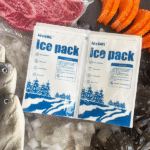
إدراج هلام الجليد من الأفضل اعتبار شحن مجموعة الوجبات بمثابة مصادر باردة يتم التحكم فيها داخل الشاحن السلبي. فهي ليست التبريد النشط, فهي ليست شهادات امتثال عالمية, ولا تعوض عن سوء تصميم الكرتون. تكمن قيمتها في إعطائك مخزنًا حراريًا يمكن التنبؤ به ويمكن تكييفه, عد, وضعت, ويتم تقييمها كجزء من نظام تعبئة أوسع.
هذا التمييز مهم لأن المشترين غالبًا ما يفرطون في التركيز على مادة التبريد ويقللون التركيز على المسار. يتم التحكم في درجة الحرارة عن طريق التفاعل بين المصدر البارد, العزل, الحمولة, وشروط التعامل. بمجرد عرض المنتج بهذه الطريقة, تصبح أسئلة الموردين أكثر وضوحًا ويصبح الحكم على المفاضلات في الشكل أسهل.
كيفية مطابقة المصدر البارد للطريق
ابدأ بمتطلبات الحمولة الصافية ومدة المسار الحقيقي, بما في ذلك وقت التعبئة, يسكن الناقل, تعرض الميل الأخير, وتأخير الاستلام. ثم انظر إلى النظام المعزول, ليس فقط المبرد. يمكن للعبوة الرقيقة الموجودة في علبة كرتونية معزولة ومجهزة جيدًا أن تتفوق على العبوة الأثقل في التصميم السيئ. الهدف هو الاحتفاظ بالشريط المناسب لفترة كافية بأقل قدر من التعقيد غير الضروري.
التالي, تحديد مقدار التوحيد الذي تحتاجه العملية. إذا تم تشغيل نفس الكرتونة بشكل متكرر مع مزيج منتجات مستقر, يصبح تبرير التنسيقات الصارمة أسهل لأنها تبسط العد والموضع. إذا تغيرت أحجام الصناديق أو أحمال المنتجات بشكل متكرر, قد توفر الإدخالات المرنة أو العبوات المرتبطة كفاءة تعبئة إجمالية أفضل. أخيراً, حساب الموسمية. يمكن أن تشير حرارة الصيف وبرد الشتاء إلى حالات تكييف مختلفة أو حتى عبوات مختلفة معتمدة.
مواد, بناء, والسلوك الحراري
تظهر صفحات المنتجات العامة في سوق سلسلة التبريد أنه ليست كل عبوات الجل تتصرف بنفس الطريقة. يتم تقديم العبوات المبردة عادةً بتركيبات مصممة حول نقطة انصهار تبلغ 0 درجة مئوية, بينما قد تستخدم منتجات التوزيع المجمدة معادلات درجة حرارة مكبوتة تبلغ حوالي -23 درجة مئوية أو نقاط ضبط أقل أخرى. تضيف بعض التنسيقات الخالية من العرق طبقة خارجية منسوجة أو ماصة للتحكم في التكثيف. قد يستخدم الطوب الصلب غلافًا بلاستيكيًا متينًا حول مادة هلامية أو قلب PCM. تؤثر هذه الاختلافات على وقت التجميد, صلابة السطح, مقاومة الثقب, سلوك الرطوبة, ومعدل انتقال الحرارة إلى الحمولة.
الهندسة مهمة بقدر أهمية الكيمياء. إدراجات مسطحة تزيد من تغطية الجدار, تلتف الأوراق المرتبطة جيدًا حول المحتويات غير المنتظمة, ويقدم الطوب الصلب كتلة حرارية مركزة مع سهولة العد على خط التعبئة. لا يوجد أي من هذه التنسيقات أفضل عالميًا. يعتمد الاختيار الصحيح على مساحة الصندوق المتوفرة, تخطيط المنتج, سواء كان الطريق مبردًا أو مجمدًا, وما إذا كان المشغلون لديك بحاجة إلى السرعة, المرونة, أو الانضباط الصارم لعدد العبوات.
التكييف هو متغير رئيسي آخر. يمكن أن تكون الحزمة صحيحة من الناحية الفنية على الورق وتظل فاشلة من الناحية العملية إذا كانت مجمدة بشكل أقل من اللازم, الإفراط في المجمدة للتطبيق, أو تم تنظيمها لفترة طويلة جدًا في البيئة المحيطة قبل الملاكمة. في العديد من الحزم الفاشلة, المشكلة ليست في تركيبة الجل نفسها ولكن في ظروف التجميد غير المتسقة, تعليمات العمل غير واضحة, أو عدم تطابق بين حالة العبوة ومتطلبات المنتج.
حدود الجودة والامتثال
لبرامج الأغذية والألبان, يجب أن يدعم المصدر البارد هدف السلامة الفعلي للشحنة. تؤكد التوجيهات العامة لتوصيل الأغذية مباشرة إلى المستهلك العبوة المعزولة مقترنًا بحزم هلام مجمدة أو مبردات أخرى مناسبة, وتحتاج الأطعمة المبردة عمومًا إلى البقاء في حالة مبردة آمنة بدلاً من الانجراف إلى منطقة خطر درجة الحرارة. وهذا يعني أنه يجب على المشترين تقييم العبوة بأكملها, ليس فقط حالة المبرد.
مراجعة المواد مهمة أيضًا. عندما حزمة, بطانة, أو قد يلامس السطح المجاور الطعام أو طبقة ملامسة للطعام, يجب على المشترين طلب معلومات الاتصال بالأغذية ذات الصلة بالسوق الوجهة. في الولايات المتحدة, يتم تنظيم المواد الملامسة للأغذية من قبل إدارة الغذاء والدواء, وفي الاتحاد الأوروبي, يجب أن تستوفي العبوات التي تتصل بالأغذية قواعد السلامة التي تهدف إلى منع الهجرة الضارة أو التغييرات في الأغذية. حتى عندما حزمة باردة ليس على اتصال مباشر مع الطعام, عادةً ما تشير عادات التوثيق هذه إلى مورد أكثر انضباطًا.
لماذا تعتبر التكلفة الإجمالية للاستخدام مقياسًا أفضل من سعر القطعة
عادةً ما يجعل عرض أسعار تاجر الجملة سعر حزمة الوحدة مرئيًا ويترك الباقي مخفيًا. لكن المشغلين ما زالوا يدفعون مقابل سعة التجميد, عمالة الخط, إزاحة مساحة المنتج, حجم مموج إضافي, التسميات التالفة, يعود, ومشكلات خدمة العملاء الناجمة عن سوء العرض أو الانحراف في درجة الحرارة. وهذا هو السبب في أن الكمادات الباردة الأكثر تكلفة قليلاً لا تزال تقلل التكلفة الإجمالية إذا كانت تناسب الكرتون بشكل أفضل أو تقلل من مشاكل التعامل.
لنفس السبب, يجب على المشترين مقارنة عائلات العبوات بالنظام المعزول الذي يعتزمون استخدامه. قد لا يكون مصدر التبريد الأفضل أداءً أو الأكثر استدامة على الورق هو الأكثر اقتصادًا في حجم الكرتون, تكلفة الشحن, وتضاف شروط الاستلام إلى المعادلة. يساعد الموزعون الجيدون الفرق على رؤية تلك الصورة الأوسع.
التنسيق الذي عادة ما يكون أكثر منطقية?
عادةً ما يذهب المشترون إلى أبعد من ذلك من خلال مقارنة التنسيقات من الناحية التشغيلية بدلاً من السؤال عن مادة التبريد "الأفضل" في الملخص. يعتمد الاختيار الصحيح على كيفية تعبئة الصندوق, مدى حساسية المنتج للتلامس البارد المباشر, ومدى توحيد تصميم المسار والكرتون حقًا.
| شكل | الأفضل متى | القوة الرئيسية | الحذر الرئيسي |
|---|---|---|---|
| إدراج مسطح | كرتونة ضيقة وحزم الطبقات | يستخدم مساحة الجدار بكفاءة ويحمي مساحة الحمولة | يمكن أن يسخن بسرعة إذا كان حجمه أقل من الحجم أو تم وضعه بشكل سيء |
| ورقة هلام مرتبطة | تخطيطات غير منتظمة لمجموعة الوجبات والتبريد الملتف | وضع سريع وتغطية جيدة حول وحدات SKU المختلطة | أقل جمودا, لذلك قد يكون العد والتكديس أبطأ |
| الطوب هلام جامدة | حزم متكررة كبيرة الحجم | من السهل العد, مكان, وتوحيد على الخط | يأخذ مساحة أكبر وقد يكون باردًا جدًا بالنسبة لبعض المنتجات |
القاعدة المفيدة بسيطة: إذا كانت العبوة موحدة بدرجة عالية ويمكن للمنتج أن يتحمل تصميمًا أكثر صرامة, الطوب والكتل تصبح أكثر جاذبية. إذا كان مزيج المنتج يتغير بشكل متكرر أو أن الكرتون يحتوي على العديد من الفجوات غير المنتظمة, عادةً ما تمنحك التنسيقات المسطحة أو الأكثر مرونة كفاءة تعبئة أفضل.
قائمة مرجعية عملية للموردين
نظرًا لأن الاستعلام وراء تاجر الجملة لمجموعة أدوات الوجبات المصنوعة من مادة هلامية يحمل بوضوح نية الشراء بالجملة, يجب أن يتجاوز اختيار المورد السعر الأساسي وكمية الحالة. عادةً ما تتلخص القائمة المختصرة العملية في الأسئلة الواردة أدناه.
1. الأبعاد الداخلية والخارجية, لأن الوزن الاسمي لا يخبرك تقريبًا بأي شيء عن مدى ملاءمة الإدخال داخل علبة مجموعة الوجبات.
2. طريقة التكييف والحالة المستهدفة عند التعبئة. تحتاج بعض الممرات إلى ملحق مجمد بالكامل, بينما يعمل البعض الآخر بشكل أفضل مع مصدر بارد مبرد مسبقًا أو مشروط جزئيًا.
3. متانة الفيلم وسلامة الختم. يمكن أن تفشل الأغشية الرقيقة في الخطوط السريعة حيث تحتك الحواف بالجدران المموجة أو صواني البروتين.
أدوات اتخاذ القرار مفيدة
تحقق من التفاصيل قبل اختيار التغليف
يمكن أن تساعدك هذه الأدوات السريعة في مقارنة مخاطر المسار, احتياجات التحجيم, خيارات المبرد, وتفاصيل التعبئة والتغليف قبل أن تطلب عرض أسعار.
أداة اختيار العبوة
قارن بين خيارات التغليف المعزولة حسب المنتج, طريق, ودرجة الحرارة اللازمة.
البحث عن التعبئة والتغليفحاسبة الثلج الجاف
تقدير احتياجات الثلج الجاف للشحنات المجمدة أو شديدة البرودة قبل التعبئة.
تقدير الثلج الجافمقاومة سقوط المواد العازلة
مراجعة مقاومة السقوط وعوامل المناولة قبل اختيار المواد العازلة.
تحقق من المقاومة4. سلوك التكثيف. يمكن للأغشية الخارجية المقاومة للعرق أو الماصة أن تحدث فرقًا حقيقيًا عند وضع الملصقات, بطاقات وصفة, أو عزل الورق داخل نفس الصندوق.
5. الأوراق الملامسة للأغذية أو إرشادات التطبيق إذا كانت العبوة قد تلمس حاوية طعام أساسية أو سطح بطانة يلامس عبوات المواد الغذائية.
6. كمية القضية, كثافة البليت, وتأثير مساحة التجميد. قد تظل الحشوة الرخيصة باهظة الثمن إذا كانت تستهلك قدرًا كبيرًا من سعة التكييف.
7. دعم التعبئة الموسمية. يجب أن يساعدك الموردون الجادون في مقارنة تخطيطات الصيف والشتاء بدلاً من دفع حجم حزمة واحدة طوال العام.
8. اتساق العينة إلى الإنتاج. اسأل ما إذا كان ملء الوزن, أبعاد, ويتم التحكم في تصميم الختم بإحكام كافٍ للحفاظ على إمكانية تكرار العبوات على نطاق واسع.
لاحظ كم من هذه الأسئلة تتعلق حقًا بالاتساق بدلاً من الأداء الرئيسي. على نطاق الجملة, أبعاد مستقرة, تعبئة قابلة للتكرار, تعليمات تكييف واضحة, وغالبًا ما يكون الدعم الفني سريع الاستجابة أكثر أهمية من مطالبات الاحتفاظ بالتجميد المثيرة للإعجاب ولكنها معزولة.
يجب ألا يتجاهل المشترون نقاط الفشل
نقاط الضعف الأكثر شيوعًا هي الصمت والإجرائية: درجة حرارة الفريزر غير متناسقة, حزم تحت مكيفة, تم تغيير الفيلم أو تعبئته دون سابق إنذار, سوء فصل المنتج عن العبوة, والحزم التي لم تتم مراجعتها مطلقًا لتناسب الظروف الموسمية المتطرفة. غالبًا ما يتم تشخيص هذه المشكلات بشكل خاطئ على أنها فشل عام في الحزمة الباردة عندما تكون المشكلة الحقيقية هي التحكم في العملية.
نقطة فشل أخرى هي عدم تطابق الوثائق. قد يوافق المشتري على العبوة بناءً على الوزن والأبعاد التقريبية, بينما تحتاج العمليات حقًا إلى تعليمات تكييف مفصلة, السيطرة على التسامح, استلام الشيكات, والوضوح بشأن المكان الذي يجب أن توضع فيه العبوة في الكرتون. من الصعب توسيع نطاق المورد الذي لا يمكنه دعم هذه التفاصيل, حتى لو بدت العينة مقبولة.
طريقة عملية لمراجعة الحزمة قبل القياس
تخيل شحنة عادية في شحن عدة الوجبات: يتم تعبئة المنتج عند درجة حرارة البداية المقصودة, يتم تكييف المبرد وفقًا للتعليمات, يتم تجميع المكونات المعزولة على الخط, ثم يتم وضع الصندوق خلال عمليات تسليم الناقل الحقيقية قبل الاستلام النهائي. يعد هذا السيناريو البسيط أكثر فائدة من الادعاء المجرد بالاحتفاظ بالبرودة لأنه يكشف ما إذا كانت العبوة تناسب الكرتون بشكل نظيف, ما إذا كان يمكن للمشغلين وضعه باستمرار, وما إذا كانت الحمولة محمية في الأماكن الأكثر عرضة للخطر.
قبل الطرح الكامل, يجب على المشترين اختبار أكثر من شرط واقعي. انظر إلى حارة اليوم الدافئ, ممر روتيني, وأي طريق به تسليم غير عادي أو تأخير في الاستلام. عادةً ما يضيف تاجر الجملة الذي يدعم هذا النوع من المراجعة العملية قيمة أكبر بكثير من البائع الذي يقتبس فقط السعر التالي للأحرف الصغيرة.
التعليمات
هل يعتبر الثلج الهلامي أفضل من الثلج الجاف لمجموعات الوجبات؟?
لمجموعات الوجبات المبردة, في كثير من الأحيان نعم. تعتبر حشوات الجل أسهل في التعامل معها وعادة ما تكون أكثر ملاءمة للأطعمة المبردة بدلاً من الأطعمة المجمدة. عادةً ما يتم حجز الثلج الجاف للمنتجات التي يجب أن تظل مجمدة بالكامل.
يمكن إدراج حجم واحد لتغطية كل مربع وصفة?
عادة لا. هندسة الصندوق, تحميل البروتين, العزل, ووعد التسليم كل تغيير متطلبات البرد, لذلك تستخدم معظم البرامج الأكبر حجمًا أكثر من حزمة معتمدة واحدة.
هل تعتبر العبوات الخالية من العرق أمرًا مهمًا لمجموعات الوجبات?
يمكنهم ذلك. عندما تسميات الورق, فواصل من الورق المقوى, أو منشورات الوصفة في نفس الصندوق, يمكن أن يؤدي التحكم في التكثيف إلى تحسين العرض وتقليل التغليف المبلّل.
الوجبات الجاهزة النهائية
بالنسبة لمعظم المشترين, الخيار الفائز ليس الحزمة الأكثر برودة أو الطوب الأكثر سمكًا. إنه تنسيق المبرد الذي يعطي سلوك درجة الحرارة الصحيح, أنظف التعامل, والمصدر الأكثر موثوقية للممرات التي تديرها بالفعل. وهذا هو ما يحول شراء العبوات الباردة إلى معيار تشغيل مستقر.
حول Tempk
و Tempk, لقد ركزنا على منتجات التحكم في درجة الحرارة منذ ذلك الحين 2011. مجموعتنا تشمل عبوات جل الثلج, أكياس معزولة, صناديق العزل, وغيرها عبوة تسيطر عليها درجة الحرارة للطعام, الأدوية, وغيرها من الشحنات الحساسة. نحن ندعم أيضًا حلول التغليف المخصصة وننشر معلومات موجهة نحو الجودة حول أداء العزل, سلوك مرحلة التغيير, واختبار المنتج. للفرق التي تقوم بتقييم عبوات هلام توصيل الأغذية والتعبئة المعزولة, يمكننا المساعدة في ربط اختيار المصدر البارد بتصميم الشاحن, ملف تعريف الطريق, ونموذج التعامل.
الخطوة التالية
إذا كنت تقوم بمراجعة مسار حالي أو تخطط لمسار جديد, اطلب التوجيه بناءً على نطاق درجة الحرارة المطلوبة, وقت العبور, وتنسيق الحزمة. للمشاريع السائبة أو المخصصة, فهو يساعد على مقارنة المبرد والشاحن المعزول معًا.