عبوات الجل مقابل الثلج الجاف لشحن الأطعمة المجمدة: طريقة أفضل لاختيار الحزمة
حزم هلام vs dry ice for frozen food shipping should be selected as a route-specific cold-chain system, ليس كشراء مادة واحدة. ابدأ بمتطلبات درجة حرارة المنتج, ثم تطابق العزل, المبردات, حجم الكرتون, الوثائق, واستلام التعليمات للشحنة الحقيقية. This optimized guide focuses on the decisions that help frozen food shippers, فرق التجارة الإلكترونية, مهندسي التعبئة والتغليف, فرق الجودة, and procurement buyers comparing refrigerants reduce soft arrivals, تجنب المبالغة في الأداء, ومقارنة الموردين بأسئلة أكثر فائدة.
تحديد وعد درجة الحرارة أولا
الخيار الأفضل هو الخيار الذي يتوافق مع حساسية المنتج, مدة الطريق, التعرض المحيطي, وقدرة المتلقي على التصرف بعد الولادة. frozen food refrigerants, dry ice vs gel packs food shipping are useful search terms, ولكن قرار الشراء ينبغي أن يتخذ من الأدلة: اختبارات العينة, وثائق المورد, صور العبوة, ومعايير قبول واضحة.
للوجبات المجمدة, بوظة, المأكولات البحرية, frozen bakery items, meat portions, and temperature-sensitive food samples, سؤال التغليف الصحيح ليس "ما هي المادة الأفضل".?"إنه" ما هي الحالة التي يجب أن يكون عليها المنتج عندما يفتح المستلم العبوة "?قد تتضمن الإجابة حدًا رقميًا لدرجة الحرارة, شرط الجودة, قاعدة استلام العميل, أو حالة بدنية بسيطة مثل استمرار تجميدها. كلما كان المنتج أكثر قيمة أو حساسية, كلما كان هذا الوعد أكثر دقة.
Dry ice is much colder than a frozen gel pack and can support deep frozen conditions, but it can also over-freeze sensitive products and requires safe venting and labeling for many shipments. هذا البيان ينتمي إلى موجز الشراء. يخبر المورد ما إذا كان الطريق يحتاج إلى تبريد, المجمدة, مجمدة بعمق, أو نهج درجات الحرارة المختلطة. كما أنه يمنع الخطأ الشائع المتمثل في شراء العزل قبل تحديد ما يجب أن يحققه العزل.
بناء النظام حول مخاطر الطريق
A useful gel packs vs dry ice for frozen food shipping decision includes the whole route: مراحل الفريزر, وقت التعبئة, بيك اب الناقل, مراكز الفرز, مسكن المركبة, نقطة التسليم, واستلام الفحص. الصندوق ليس سوى جزء واحد من هذا الطريق. يمكن أن تفشل الشحنة قبل أن تغادر المستودع إذا لم تكن الحمولة مشروطة بالكامل أو إذا انتظرت الصناديق الكرتونية المعبأة لفترة طويلة في الخارج التخزين البارد.
مخاطر الطريق موسمية أيضًا. قد لا تعمل العبوة التي تعمل في الطقس المعتدل أثناء موجة الحر أو تأخير العطلة. يجب على المشترين تحديد الممرات المعتمدة, مستويات الخدمة المعتمدة, أقصى الافتراضات يسكن, وماذا تفعل عندما تفوت الشحنة فترة التسليم المتوقعة. This is especially important when situations where the product requirement is unknown, the receiver cannot handle dry ice, the route is unmapped, or the packaging has not been tested with the planned refrigerant mass.
تستخدم أقوى البرامج الأدلة في طبقات. توفر ورقة بيانات المورد نقطة انطلاق. يُظهر نموذج اختبار ما إذا كان التكوين معقولًا. تُظهر تجربة المسار كيف تتصرف الحزمة في المسار اللوجستي الحقيقي. توضح فحوصات الوصول ما إذا كانت العمليات اليومية قريبة من الوصفة المعتمدة.
قم بمطابقة المكونات مع الوظيفة التي يقومون بها بالفعل
| عنصر | ما يفعله بشكل جيد | الحد الذي لا ينبغي تجاهله |
|---|---|---|
| الكرتون الخارجي أو الشاحن | يوفر الهيكل, حماية التعامل, وسطح التسمية | لا يتحكم في درجة الحرارة ما لم يقترن بالعزل والمبرد |
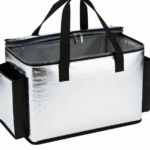
| بطانة أو صندوق معزول | يبطئ اكتساب الحرارة ويحمي من التعرض للبيئة المحيطة | لا يسبب البرد وقد يفقد قيمته إذا تم إغلاق الطبقات أو الأغطية بشكل سيء |
| عبوة جل أو لبنة مجمدة | يضيف احتياطي التبريد ويبسط العديد من عمليات التعبئة غير الخطرة | قد لا يكون كافيًا للطرق الطويلة أو الساخنة المجمدة دون إجراء اختبار |
| الجليد الجاف | يوفر تبريدًا قويًا للغاية في درجات الحرارة المنخفضة للشحنات المجمدة المناسبة | يتصاعد إلى غاز وقد يحتاج إلى تنفيس, وضع العلامات, والمعاملة الخاصة |
| مسجل درجة الحرارة أو المؤشر | إنشاء أدلة لمراجعة المسار وتلقي القرارات | يسجل درجة الحرارة ولكنه لا يحمي المنتج |
هذه المقارنة تبقي القرار عمليًا. المكونات غير قابلة للتبديل لمجرد استخدامها تغليف السلسلة الباردة. بطانة, المبرد, والمسجل يحل مشاكل مختلفة. ودور المشتري هو الجمع بينهما فقط حيث الطريق, منتج, وعملية التشغيل تدعم الاختيار.
ما يجب التحقق منه قبل الطلب بكميات كبيرة
يجب أن يبدأ الشراء بالجملة بعد أن تثبت العينة مظهرها أكثر من مظهرها. يجب على المشتري التحقق من الأبعاد الداخلية القابلة للاستخدام, تناسب الحمولة, اتساق المواد, توافق المبرد, طريقة الإغلاق, عمالة التعبئة, وأي أدلة اختبار متاحة. If the quote is based on frozen food refrigerants, dry ice vs gel packs food shipping, تأكد من أن هذه المصطلحات تشير إلى المواد الفعلية وحدود الأداء المقترحة, ليست أسماء الفئات العامة.
- اسأل ما إذا كان قد تم قياس وقت الانتظار المذكور باستخدام نفس الحمولة والملف الشخصي المحيط الذي تتوقعه.
- تأكيد ما إذا كانت الأبعاد إجمالية, داخلي, أو صالحة للاستخدام بعد العزل والمبردات.
- تحقق مما إذا كانت مادة العينة هي نفس المادة التي سيتم شحنها في الإنتاج.
- اسأل كيف يتعامل المورد مع بدائل المواد, تغييرات التصميم, وتكرار الأوامر.
- اطلب مخططًا للتعبئة أو صورًا يمكن لموظفي المستودعات استخدامها.
- قم بتحديد خطوات فحص الاستلام قبل مغادرة أول شحنة متدرجة منشأتك.
هذه الأسئلة لا تبطئ عملية الشراء; أنها تمنع إعادة العمل التي يمكن تجنبها. إذا لم يتمكن المورد من شرح حدود التشغيل الخاصة بالعبوة, قد يتحمل المشتري مخاطر خفية. إذا كان المورد يستطيع مناقشة القيود بوضوح, لدى المشتري أساس أفضل للاختبار والقياس.
الضوابط التشغيلية بعد مغادرة الصندوق لمقعد التعبئة
لا يمكن الاعتماد على عملية التعبئة إلا عند تكرار العملية. تحديد وقت تكييف الفريزر لغازات التبريد, الحد الأقصى للوقت الذي يمكن أن يبقى فيه المنتج خارج مخزن التبريد, ترتيب الحزمة, طريقة إغلاق الكرتون, وفحص الافراج. لشحنات الثلج الجاف, تشمل التنفيس ومراجعة التسمية. لحزمة الهلام أو شحنات الطوب المجمد, تشمل التحقق من التكييف. للبطانات, تشمل إغلاق الرفرف وفحص التماس.
يجب أن يكون لدى المتلقي تعليمات تتوافق مع المنتج. يجب أن يعرفوا ما إذا كانوا سيفتحون على الفور, ما هي حالة الوصول المقبولة, أين تضع البضائع, ما الأدلة لالتقاط إذا كان هناك مشكلة, ومن يجب عليه مراجعة الاستثناءات. إن تلقي التعليمات الجيدة ليس بمثابة إدراج تسويقي. إنها خطوة للتحكم في المخاطر والتي تغلق حلقة السلسلة الباردة.
عندما تفشل الشحنة, قم بمراجعة السلسلة قبل إلقاء اللوم على مادة واحدة. هل تم تجميد المنتج بالكامل؟? كانت المبردات مكيفة? هل تم تغيير حجم الكرتون? هل حدث تأخير الناقل? هل بقي الصندوق دون فتحه؟? هل كان فريزر الاستقبال متاحا؟? تؤدي هذه الأسئلة إلى حلول مفيدة بدلاً من التخمين.
منع المخاطر عن طريق حالة الاستخدام
comparison projects, new product launches, cost reviews, hazardous-handling avoidance, lane upgrades, and seasonal pack-out planning are often good candidates for passive packaging when the system is designed carefully. لا يزال المشتري بحاجة إلى الفصل بين الطرق منخفضة المخاطر وعالية المخاطر. قد تسمح الطرق منخفضة المخاطر باستخدام بطانة وتنسيق أبسط لحزمة الجل. قد تحتاج الطرق ذات المخاطر العالية إلى شاحن معزول وصلب, المزيد من احتياطي المبردات, الثلج الجاف, أو مستوى خدمة مختلف.
أدوات اتخاذ القرار مفيدة
تحقق من التفاصيل قبل اختيار التغليف
يمكن أن تساعدك هذه الأدوات السريعة في مقارنة مخاطر المسار, احتياجات التحجيم, خيارات المبرد, وتفاصيل التعبئة والتغليف قبل أن تطلب عرض أسعار.
سائل التبريد & مرجع PCM
قارن خيارات سائل التبريد وPCM عندما يحتاج المسار إلى دعم إضافي لدرجة الحرارة.
قارن الخياراتمدقق مخاطر الطريق
قم بمراجعة ظروف المسار قبل اختيار التغليف لمتطلبات التشغيل الحقيقية.
تحقق من مخاطر الطريقمرجع المواد العازلة
قارن بين خيارات المواد العازلة لاحتياجات التعبئة والتغليف المختلفة لسلسلة التبريد.
قارن الموادsituations where the product requirement is unknown, the receiver cannot handle dry ice, the route is unmapped, or the packaging has not been tested with the planned refrigerant mass should trigger a different discussion. في هذه الحالات, قد يحتاج المشتري إلى التبريد النشط, نظام شحن حراري مؤهل, اختبار خاص بالطريق, أو قرار على مستوى المنتج حول ما إذا كان ينبغي تقديم الشحنة على الإطلاق. أحيانًا يكون رفض المسار غير المناسب هو القرار الأكثر مسؤولية فيما يتعلق بالتعبئة والتغليف.
A frozen food brand is choosing between gel packs and dry ice for a regional parcel program. Gel packs simplify handling but may not protect a hot two-day lane; dry ice offers stronger freezing power but adds safety and carrier requirements. في هذه الحالة, يجب على الفريق تجنب القفز مباشرة إلى الطلب بالجملة الكامل. المسار الأفضل هو اختبار عدد صغير من الحزم, سجل حالة الوصول, مراجعة ردود فعل المتلقي, ومن ثم توحيد الوصفة التي توفر أفضل توازن للحماية, تَعَب, يكلف, وتجربة العملاء.
الأخطاء الشائعة التي يجب إزالتها من العملية
تظهر نفس الأخطاء التي يمكن الوقاية منها في العديد من برامج التجميد وسلسلة التبريد. تشتري الفرق بالأبعاد الخارجية بدلاً من الحجم القابل للاستخدام. يتم اختبارهم في الطقس المعتدل ويتم إطلاقهم في الصيف. إنهم يكيفون المبردات بشكل غير متسق. يتركون الطرود على الرصيف أثناء اكتمال الأعمال الورقية. يقومون بنسخ العبوة من منتج مختلف لأن الكرتونة تبدو متشابهة.
- Do not normalize selecting by coolant price only.
- Do not normalize forgetting that dry ice disappears by sublimation.
- Do not normalize using gel packs for deep frozen routes without testing.
- Do not normalize sealing dry ice in airtight packaging.
- Do not normalize ignoring customer unboxing safety.
يجب أن يزيل إجراء التشغيل المعياري (SOP) الجيد تلك الأخطاء من العمل اليومي. يجب أن تكون قصيرة بما يكفي ليستخدمها القائمون على التعبئة ومحددة بما يكفي لتدقيقها من قبل فرق الجودة. صور, تعداد المكونات, وغالبًا ما تكون عمليات فحص القبول البسيطة أكثر فعالية من التعليمات الطويلة التي لا يقرأها أحد أثناء فترة الشحن المزدحمة.
التعليمات
How do I choose gel packs vs dry ice for frozen food shipping for a new route?
ابدأ بحالة وصول المنتج المطلوبة, ثم قم بتعيين مدة الطريق, نقاط التسليم, موسم, حمولة, وعملية الاستلام. اختر العزل وغاز التبريد معًا, ليس بشكل منفصل. قم بإجراء اختبار عينة يطابق حجم الكرتون الحقيقي والحمولة قبل القياس.
ما الدليل الذي يجب أن يقدمه المورد؟?
يتضمن الدليل المفيد تفاصيل مادية, أبعاد قابلة للاستخدام, مخططات التعبئة, شروط الاختبار حيثما كان ذلك متاحا, وحدود التشغيل الواضحة. عدد واسع من وقت الانتظار بدون حمولة, ملف تعريف المحيط, كمية المبردات, أو يجب التعامل مع معايير النجاح/الفشل كمطالبة أولية, ليس قرارا نهائيا.
هل يمكنني استخدام عبوة واحدة لكل موسم؟?
أحيانا, ولكن ينبغي إثباته. تحتاج العديد من البرامج إلى تعديلات موسمية بسبب التعرض للظروف المحيطة, يسكن الناقل, وتتغير ظروف الوجهة. يمكن أن تكون الخطة الموسمية بسيطة: تغيير سائل التبريد المعتمد, قطع الشحن, مستوى خدمة مطور, أو حزمة بديلة للممرات عالية الخطورة.
هو الخيار الأكثر استدامة دائما الخيار الأخف?
لا. ويجب أن يحمي الخيار الأكثر استدامة المنتج أيضًا. مادة أخف وزنا تزيد من فقدان المنتج, المطالبات, أو قد تؤدي عمليات إعادة الشحن إلى نتيجة إجمالية أسوأ. تقييم الأدلة الحرارية, طريق التخلص, جدوى العودة, تَعَب, ومعدل الضرر معا.
خاتمة
ملاحظات المشتريات الإضافية
When the buying team compares quotes for gel packs vs dry ice for frozen food shipping, يجب أن يفصل سعر المواد عن إجمالي تكلفة التشغيل. مساحة تخزين, وقت التعبئة, معدل الضرر, تمرين, التعامل مع الثلج الجاف, تلقي النزاعات, والشحنات البديلة يمكن أن تغير التكلفة الحقيقية للتعبئة. يمكن تبرير تكلفة الوحدة الأعلى قليلاً إذا كان تجميع العبوة أسهل, أسهل للتدقيق, وأقل عرضة للتسبب في درجة الحرارة أو شكاوى التسرب.
يجب أن تؤكد عملية الشراء أيضًا مسار العينة إلى الإنتاج. نسأل ما إذا كان نفس الفيلم, أضعاف الخطوط الملاحية المنتظمة, هيكل الصندوق, ملء المبرد, وسيتم استخدام تصميم الإغلاق في الإنتاج. إذا كان المورد قد يغير المواد, يجب على المشتري تحديد متى يلزم الإخطار وإعادة الاختبار. هذا مهم بشكل خاص للوجبات المجمدة, بوظة, المأكولات البحرية, frozen bakery items, meat portions, and temperature-sensitive food samples, حيث يمكن أن تؤثر التغييرات الصغيرة على استقرار درجة الحرارة وتجربة العملاء.
أخيراً, تحديد من يملك قرار الانتقال أو عدم الانتقال عند حدوث استثناء للمسار. يمكن لمورد التغليف أن يوصي بالمكونات, ولكن يجب على الشاحن تحديد مواعيد الشحن, مراجعة التسليم المتأخر, تعليمات المتلقي, وتصعيد الجودة. That division of responsibility keeps gel packs vs dry ice for frozen food shipping from becoming a vague promise and turns it into a controllable operating procedure.
Choosing gel packs vs dry ice for frozen food shipping well means making the cold-chain promise visible. تحديد حالة المنتج المطلوبة, اختيار المكونات لأدوارها الفعلية, التحقق من العبوة في ظل ظروف واقعية, وكتابة ضوابط التشغيل التي يمكن للأشخاص تكرارها. الخيار الأقل خطورة ليس دائمًا هو الخيار الأكثر تكلفة, والخيار الأرخص ليس اقتصاديًا دائمًا. الخيار الأفضل هو الذي يحمي جودة المنتج بشكل واضح, تم اختباره, والحدود القابلة للتكرار.
حول Tempk
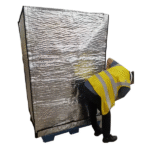
Tempk offers gel packs, حزم الثلج الجاف, الطوب الجليد الفريزر, بطانات الصندوق المعزولة, صناديق الشحن الباردة, صناديق معزولة EPP, أغطية البليت, and related materials for frozen food pack-out comparisons. نحن نعمل مع المشترين الذين يحتاجون إلى توصيات عملية بشأن التغليف للطرق الحقيقية, بما في ذلك مراجعات العينة, مناقشات تناسب الكرتون, ومقارنات المبردات. يتمثل دورنا في المساعدة في ربط المواد باحتياجات المنتج وسير عمل التعبئة, أثناء ترك تأهيل الطريق, قواعد السوق, ومعايير قبول العميل للجودة والعملية اللوجستية للمشتري.
شارك بنوع منتجك, وقت الطريق, حمولة, حجم الكرتون, and target arrival condition with Tempk to compare gel packs vs dry ice for frozen food shipping options before scaling up.