كيفية تصميم صندوق بولي بروبيلين موسع عازل للحرارة وقابل للتخصيص
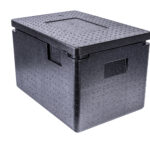
عازل للحرارة قابل للتخصيص صندوق من مادة البولي بروبيلين الموسع يؤدي بشكل موثوق فقط عندما دوره الحراري, نطاق الحمولة, سائل التبريد, طريق, هندسة, إجراءات التشغيل, ويتم تعريف الأدلة معا. يمكن لـ EPP تقليل تدفق الحرارة وامتصاص طاقة المناولة, ولكنه عزل سلبي وليس تحكم نشط في درجة الحرارة. يجب أن يبدأ المشتري بالنطاق المطلوب للمنتج ومخاطر المسار, صمم عبوة قابلة للتكرار حول الأبعاد القابلة للاستخدام وسلامة الغطاء, اختبار الأنظمة التمثيلية للإنتاج في ظل ظروف محيطة مبررة, والتحكم في التنظيف, ضرر, وتغييرات الإنتاج طوال فترة إعادة الاستخدام.
حدد المهمة قبل اختيار العزل
ابدأ بمتطلبات المنتج. يجب على مالك المنتج التأكد من نطاق درجة الحرارة المقبول, قواعد الرحلة, درجة حرارة التعبئة, وأي حدود للتوجه أو الاتصال. يجب على الفريق اللوجستي تحديد مدة الطريق, عمليات التسليم, ظروف السيارة, أرصفة التحميل, المخاطر الجمركية أو المحورية, تعرض الميل الأخير, والاستلام. يجب على فريق الجودة تحديد الأدلة وعملية اتخاذ القرار.
لا تستخدم المبردة عامة, المجمدة, أو التسمية المحيطة كالمواصفات الكاملة. يمكن أن يكون للمنتجات المختلفة ضمن نفس الفئة متطلبات مختلفة. يجب أن يستخدم تصميم الصندوق النطاق المعتمد وافتراضات التشغيل دون المطالبة بالملاءمة العالمية.
التالي, تصنيف العمارة:
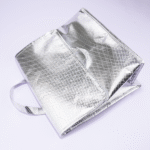
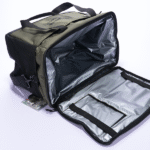
- حقيبة معالجة معزولة: يبطئ عملية التبادل أثناء الحركة الداخلية أو المبردة.
- حزمة سلبية يمكن التحكم في درجة حرارتها: يجمع بين العزل مع سائل التبريد وتعليمات التعبئة الخاضعة للرقابة.
- نظام هجين: يستخدم الصندوق داخل بيئة مبردة أو يتم التحكم فيها بشكل فعال.
- حاوية خارجية واقية: يحمي النظام الحراري الآخر من التعامل مع المخاطر.
- الشاحن المؤهل: تكوين محدد مدعوم باختبارات للمنتج والاستخدام المذكورين.
التسمية مهمة لأنها تحدد الأدلة المطلوبة. قد تكون ورقة بيانات المادة كافية للاختيار الأولي, بينما أ الشاحن المؤهل يحتاج إلى وثائق النظام كاملة.
قم ببناء غلاف الحمولة والوسائط الحرارية
قياس الحمولة كما تم شحنها, ليس كمنتج غير ملفوف. تشمل كرتونة الأولية, زجاجات, الحقائب, الصواني, المقسمات, مادة ماصة, تسميات, تحقيقات, الحطابين, سائل التبريد, وتخليص التحميل. تحديد الحد الأدنى والحد الأقصى للأحمال العادية. يمكن أن تكون الأحمال الجزئية أكثر عرضة للحرارة وقد تسمح للمكونات بالتحرك.
إنشاء مناطق في التجويف:
- منطقة المنتج مع أسطح التلامس المسموح بها;
- مناطق التبريد ذات التوجه المتحكم فيه;
- مناطق الفصل التي تمنع التبريد الزائد أو التدفئة المحلية;
- مناطق الاستشعار المختارة لتمثيل التطرف المحتمل;
- خلوص إغلاق حتى يجلس الغطاء بالكامل;
- معالجة التخليص للتحميل والتفريغ بالقفازات.
الحجم القابل للاستخدام هو المساحة المتبقية بعد كل تلك المناطق. الحجم الداخلي الإجمالي ليس قدرة تشغيلية. الجدران المرسومة, زوايا مدورة, الأضلاع, تداخل الغطاء, ميزات المكدس, والمقابض يمكن أن تقلل المساحة بشكل أكبر.
يمكن للإدخال أو الجيب المصبوب المخصص أن يجعل العبوة مقاومة للأخطاء. وينبغي أيضًا أن يتحمل أبعاد المبرد الفعلية وحالة التكييف. العبوات المرنة يمكن أن تغير شكلها; قد تتطلب لوحات PCM الصلبة تصريحًا للإدراج. يجب أن يمنع تحديد المكونات اختلاط الوسائط الحرارية المختلفة أو المراجعات.
إدارة نقل الحرارة في كل مسار
تصل الحرارة إلى الحمولة أو تخرج منها عبر عدة مسارات. التوصيل يعبر الجدران والغطاء. يحدث الحمل الحراري على الأسطح. يساهم الإشعاع في الحدود الخارجية. يمر تبادل الهواء عبر فجوات الغطاء, فتحات التهوية, المصارف, قنوات الاستشعار, أو الفتحات المتكررة. تعمل المكونات الصلبة والميزات المصبوبة الرقيقة على إنشاء جسور حرارية.
وبالتالي فإن سمك الجدار يمثل رافعة تصميم واحدة فقط. قد يؤدي الجسم السميك جدًا ذو الغطاء غير الملائم إلى أداء أقل من النظام الأكثر توازناً. يمكن أن يصبح المقبض الداخلي مسارًا هوائيًا. يمكن للحزام تحسين الإغلاق. يمكن للعبوة المموجة أن تحمي الغطاء وتعديل الحمل الحراري. يجب مراجعة كل ميزة كجزء من الشبكة الحرارية.
| المسار الحراري | استجابة التصميم | طريقة التحقق |
|---|---|---|
| توصيل الجدار | حدد الصف, استراتيجية الكثافة, وسمك القسم | بيانات المواد بالإضافة إلى المقارنة على مستوى الصندوق |
| غطاء تسرب مشترك | تداخل التحكم, التسطيح, إنهاء, وارتداء | تكرار الملاءمة والاختبار الحراري |
| الفتحات والقنوات | قم بإزالة المسارات غير الضرورية أو حدد المقابس | فحص التكوين واختبار الحساسية |
| اتصال المبرد | استخدم الجيوب, الفواصل, أو فواصل | رسم خرائط درجة حرارة واجهة المنتج |
| مساحة الرأس الداخلية | الحمولة ذات الحجم الصحيح والتحكم في الأحمال الجزئية | تجارب الحد الأدنى والحد الأقصى للحمولة |
| الحدود الخارجية | تمثل ضوء الشمس, الاتصال بالأرضية, سرعة الهواء, وملف تعريف الغرفة | اختبار محيطي مبرر أو بيانات المسار |
| الفتح المتكرر | صمم الوصول السريع أو الأغطية الثانوية عند الحاجة | تسلسل الافتتاح التشغيلي في المحاكمة |
يربط الجدول مسار الحرارة المشتبه به بالتصميم والأدلة. ويوضح أيضًا لماذا لا تستطيع الموصلية المادية وحدها دعم المطالبة بمدة المسار.
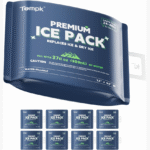
اختيار وحالة المبرد عمدا
يجب تحديد الوسائط الحرارية حول المنتج والنطاق المطلوب. العبوات ذات الأساس المائي المجمد, مشروط حزم هلام, مواد تغيير الطور المهندسة, أو الثلج الجاف له سلوك مختلف في درجات الحرارة, متطلبات السلامة, والتعامل معها. الثلج الجاف غير قابل للتبديل مع أ حزمة باردة, ولا ينبغي استبدال PCM المحدد لنطاق واحد دون مراجعة.
يتحكم التكييف في حالة البداية. يجب أن يحدد الإجراء المعدات, ترتيب, نقطة النهاية أو الوقت, الاختلاف المسموح به, والفترة بين الإزالة والتعبئة. يمكن أن تؤدي العبوة ذات السطح البارد جدًا إلى تعرض المنتج المحلي حتى عندما يبدو متوسط درجة حرارة الشحنة مقبولًا لاحقًا.
ضوابط التنسيب التدرجات. قد يقاوم سائل التبريد الموجود في الأعلى دخول الهواء الدافئ أثناء الفتحات, في حين أن الألواح الجانبية قد تخلق مساحة سطحية أكثر اتساقًا. يمكن أن يتأثر المبرد الأساسي بحرارة الأرضية. لا يوجد نمط عالمي. استخدم النمذجة الحرارية لمقارنة المفاهيم إذا كان ذلك مفيدًا, ثم قم بتعيين درجات الحرارة في حزمة فعلية.
يجب أن تكون كمية سائل التبريد مدعومة بميزان الطاقة والاختبارات. إن إضافة المزيد ليس أكثر أمانًا تلقائيًا. أنه يقلل من سعة الحمولة, يزيد من كتلة الشحن, ويمكن أن يفرط في تبريد المنتجات الحساسة. استخدم قائمة محددة من المواد ومنع الاستبدالات.
صمم جزء EPP لضمان المتانة الميكانيكية والحرارية
يمكن أن يتعافى البولي بروبيلين الموسع بعد العديد من التأثيرات المعتدلة, لكن الأداء النهائي يعتمد على الدرجة, كثافة صب, الانصهار, هندسة, والاستخدام. يمكن أن يتحول الضرر الميكانيكي إلى ضرر حراري عندما تتشوه الحافة, الغطاء يخفف, أو لم يعد جيب المبرد يحدد موقع العبوة.
مراجعة مسارات التحميل. يجب أن تنقل المقابض الوزن المعبأ إلى الجدران الجانبية والقاعدة. يجب أن تمر حمولة المكدس حول الحمولة من خلال الجدران أو الأعمدة المعززة. تحتاج الزوايا إلى قسم ونصف قطر كافٍ للتأثيرات. قد تتطلب الألواح الطويلة أضلاعًا, ولكن لا ينبغي أن تخلق الأضلاع نقاط ضغط للحمولة أو مصائد تنظيف.
تقييم المقاييس الزمنية المختلفة. القطرات والصدمات قصيرة. ينطبق الاهتزاز على العديد من الدورات. يؤدي التراص إلى إنشاء ضغط وزحف مستدامين. يطبق التنظيف الحرارة المتكررة, كيميائية, والتعرض الميكانيكي. ولا يمكن لاختبار قوة واحد أن يغطيها كلها.
ينبغي أن تشمل معايير الفحص الحراري:
- غطاء محيطي كامل للجلوس;
- هندسة الحافة والزاوية;
- تسجيل المكدس واستقرار القاعدة;
- المقبض والانصهار الجدار;
- جيوب المبرد والفواصل;
- تكوين الصرف أو المكونات;
- إمكانية قراءة التسمية وإصدار الحزمة;
- تلوث, رائحة, واحتفظ بالرطوبة.
يمكن أن تظل الوحدة بالية بشكل تجميلي إذا تم الحفاظ على هذه الوظائف. يجب أن يتم إيقافه عندما يؤدي التلف إلى تغيير العبوة أو الإغلاق.
اختبار الأدلة في طبقات
استخدم كل نوع من الأدلة للسؤال الذي يمكنه الإجابة عليه. تدعم بيانات المواد اختيار الدرجة والنمذجة. تقارن اختبارات التسرب الحراري على مستوى الصندوق بين الأشكال الهندسية أو الأغطية. تدعم اختبارات الحزمة الكاملة الحمولة المختبرة, سائل التبريد, والملف الشخصي. يعالج تأهيل المسار ظروف الطريق الفعلية. مراقبة الشحنة تتحقق من التعرض المستمر.
يجب أن يسجل البروتوكول الحراري الكامل:
- مراجعة الصندوق والغطاء;
- الحمولة أو المحاكاة الحرارية ونطاق الحمولة;
- هوية المبرد, تكييف, كمية, والتنسيب;
- فواصل, إدراج, تسميات, والإغلاق;
- درجات الحرارة الأولية;
- ملف تعريف المحيط, التحكم في الغرفة, وحركة الهواء;
- نوع المستشعر, معايرة, المواقع, والفاصل الزمني للتسجيل;
- الفتحات المخطط لها أو التعامل مع الأحداث;
- نطاق القبول وطريقة التحليل;
- الانحرافات وتكرار التشغيل.
يقدم ISTA 7E ملفات تعريف محيطة موحدة لـ حاوية شحن معزولة الاختبارات. تدعم الملفات التعريفية الموحدة المقارنة والاتساق; ربما لا تزال هناك حاجة إلى بيانات خاصة بالحارة. يمكن أن تستخدم الاختبارات الميكانيكية إجراءات ISTA المناسبة أو ASTM D4169 لتمثيل مخاطر التوزيع. تقوم هذه الإجراءات بتقييم المنتجات المعبأة المحددة, ليست مادة EPP ككائن عالمي.
أدوات اتخاذ القرار مفيدة
تحقق من التفاصيل قبل اختيار التغليف
يمكن أن تساعدك هذه الأدوات السريعة في مقارنة مخاطر المسار, احتياجات التحجيم, خيارات المبرد, وتفاصيل التعبئة والتغليف قبل أن تطلب عرض أسعار.
منشئ قائمة التحقق من الامتثال
قم ببناء قائمة مرجعية عملية لمراجعة التغليف, شحن, والتوثيق.
بناء قائمة مرجعيةمقاومة سقوط المواد العازلة
مراجعة مقاومة السقوط وعوامل المناولة قبل اختيار المواد العازلة.
تحقق من المقاومةحاسبة عبوات التبريد
تقدير كمية عبوات الثلج الهلامي للشحنات المبردة والتخطيط العملي للمسار.
تقدير عبوات الثلجتشغيل الحالات الحدودية المبررة بالمخاطر. الحد الأدنى من الحمولة, الحمولة القصوى, المواسم الدافئة والباردة, اختلاف التكييف, والأحداث الافتتاحية قد تكشف عن حساسية. لا تقم بإضافة أسوأ الحالات التعسفية التي لا تعكس المسار, لكن لا تختبر الحالة الأسهل فقط.
لا ينتهي التأهل بجولة ناجحة في الغرفة
يمكن أن ينجح الاختبار بينما تظل العمليات الروتينية هشة. قد يستخدم المعبئون المبرد الخاطئ, حالتها بشكل مختلف, اترك الغطاء مفتوحًا جزئيًا, حذف فاصل, أو شحن حمولة أصغر. ولذلك ينبغي أن يتضمن التأهيل قائمة واضحة من المواد, تعليمات التعبئة المصورة, تمرين, الشيكات الخط, وقواعد الانحراف.
يستخدم طيار الطريق المشغلين العاديين وعمليات التسليم. إنه يؤكد ما إذا كان من الممكن تجميع الحزمة خلال الوقت المتاح, ما إذا كانت المكونات يمكن تمييزها, ما إذا كان الصندوق يناسب المعدات, وما إذا كان الاستلام يمكنه استرداد البيانات وتفسيرها. سجل الأحداث الافتتاحية والاستثناءات.
السيناريو الشائع هو صندوق مصمم حول حمولة كاملة ويتم اختباره بدون فتحات. يتضمن المسار لاحقًا عمليات تسليم المتجر المتكررة وشروط نصف الحمولة. تزداد التدرجات الحرارية مع تقلص الحمل. قد يتطلب الإجراء التصحيحي ترتيبًا مختلفًا لسائل التبريد, وحدة الحشو, غطاء الوصول الثانوي, أو الحزمة الخاصة بالطريق. يظل الاختبار الأصلي صالحًا فقط لإعداده المعلن.
يمكن للمراقبة المستمرة اكتشاف الانجراف. ضرر الاتجاه, انحرافات التعبئة, رحلات درجة الحرارة, تحول الصندوق, ورفض التنظيف. يمكن للمراجعة الدورية تحديد متى تغير مظروف التشغيل بما يكفي ليتطلب إعادة التقييم.
تنظيف, الاتصال الغذائي, وحدود الجودة
قابلة لإعادة الاستخدام الصناديق الحرارية تحتاج إلى عملية تنظيف محددة. تحديد المنظفات أو المطهر, تركيز, درجة حرارة, وقت الاتصال, العمل الميكانيكي, شطف, والتجفيف. تأكد من التوافق مع درجة EPP الدقيقة وكل مكون ثانوي. فحص التسميات, مواد لاصقة, الأختام, الأشرطة, وإدراج جامدة بعد التعرض المتكرر.
هيكل الخلية المغلقة لا يزيل المخاطر الصحية. يمكن أن يبقى الماء والتربة في حالة خدوش, فتحات التهوية, مقابض, فترات الاستراحة العميقة, واجهات الغطاء, والمناطق المتضررة. تصميم للصرف والوصول البصري. احتفظ بالعائدات القذرة منفصلة عن المخزون النظيف وحدد معايير التقاعد.
يجب دعم حالة الاتصال المباشر بالأغذية من أجل التركيبة النهائية والاستخدام المقصود. تشمل المتطلبات الأوروبية السلامة العامة عند ملامسة الأغذية والخمول, ممارسات التصنيع الجيدة, وضوابط محددة للمواد البلاستيكية. يتطلب استخدام ملامسة الغذاء في الولايات المتحدة أيضًا أساسًا تنظيميًا مناسبًا. طلب وثائق للأصباغ, إضافات, المحتوى المعاد تدويره, تسميات, وغيرها من المكونات حيثما كان ذلك مناسبا.
إن ممارسة التوزيع الجيد للمستحضرات الصيدلانية ليست شهادة مادية. أنها تنطوي على نظام التوزيع الخاضع للرقابة. قد تحتاج الحزمة الحرارية الكاملة إلى التأهيل, يراقب, إجراءات, تمرين, الوثائق, معالجة الانحراف, وتغيير السيطرة. قم بوصف المربع بدقة وتجنب مطالبات الامتثال العالمية.
جعل التخصيص مرنًا لتغييرات المنتج والمسار
الأدوات الصلبة يمكن أن تصبح عفا عليها الزمن. احتفظ بالتغييرات المحتملة في العناصر المعيارية مثل إدراجات المنتج, الفواصل المبردة, لوحات التسمية, أصحاب أجهزة الاستشعار, أو وحدات الحشو. الحفاظ على منصة خارجية مستقرة حيث البليت, رف, وواجهات المركبات طويلة العمر.
النمطية تخلق مخاطرها الخاصة. يمكن فقدان الأجزاء, مختلط, مثبتة إلى الوراء, أو تنظيفها بشكل منفصل. استخدم التحديد الإيجابي والهندسة التي تمنع الاقتران غير الصحيح. التحكم في فاتورة المواد عن طريق مراجعة الصندوق والتغليف.
عندما يكون المنتج, نطاق الحمولة, سائل التبريد, طريق, ملف تعريف المحيط, غطاء, إدراج, مادة, كثافة صب, موقع الإنتاج, طريقة التنظيف, أو تغييرات عملية التعبئة والتغليف, تقييم التأثير. تتعرف إرشادات ISTA على هذا المنتج, طَرد, وتغييرات العملية يمكن أن تبرر إعادة الاختبار. يجب على فريق الجودة تحديد المحفزات القائمة على المخاطر بدلاً من افتراض أن الأدلة المسبقة تظل صالحة إلى الأبد.
السيطرة على حالة التصنيع
يجب أن يحدد التصميم المعتمد درجة EPP, نطاق الكثافة أو الإستراتيجية, اللون والمواد المضافة, مراجعات الجسم والغطاء, المكونات الثانوية, والأبعاد الحرجة. يجب أن تتناول مراجعة الأداة ملء الخرزة, وصول البخار, فتحات التهوية, تبريد, مسودة, طرد, التشذيب, وصفحة الحرب.
تحتاج الأجزاء المصبوبة أولاً إلى التكييف قبل القياس. تحقق من الحد الأدنى للفتح, تجويف صالح للاستخدام, مشاركة الغطاء, قاعدة, ميزات المكدس, مقابض, وجيوب المبرد عبر العينات التمثيلية والتجاويف. قم بإقران الأجسام والأغطية في مجموعات مختلفة لكشف مشاكل التسامح.
يجب أن تربط خطة التحكم متغيرات التصنيع بالمخاطر الوظيفية. قد يشير وزن الجزء إلى شحنة المادة أو اتساق الكثافة ولكن لا يمكن أن يثبت اندماجًا موحدًا أو أداء حراريًا. تظل فحوصات الأبعاد والوظيفية ضرورية. ينبغي احتواء القطع غير المطابقة مع التصرف الموثق.
يجب أن يشمل التحكم في التغيير مورد المواد والدرجة, هدف الكثافة, تلوين, إضافات, المحتوى المعاد تدويره, إصلاحات العفن, تنفيس, إعدادات العملية الرئيسية, موقع, الأغطية, تسميات, الأشرطة, الأختام, ويدرج حيث يمكن تغيير الوظيفة أو الامتثال. يجب أن تتلقى التغييرات الهامة بيانات المقارنة, موافقة العينة, وإعادة الاختبار حسب الاقتضاء.
قائمة مراجعة المشتريات لاقتراح موثوق
قبل اختيار المورد, التأكد من أن المقترح يجيب على ما يلي:
- نطاق المنتج, نطاق الحمولة, طريق, وحالة درجة الحرارة المطلوبة واضحة.
- تم تسمية دور الصندوق بدقة على أنه حقيبة معزولة, مكون الحزمة السلبي, هجين, أو النظام المؤهل.
- الحد الأدنى من الأبعاد القابلة للاستخدام يناسب المنتج, سائل التبريد, فواصل, وخطة الاستشعار.
- غطاء, مقبض, كومة, وميزات الفتح لها وظائف حرارية وميكانيكية محددة.
- يتضمن أي بيان مدة تكوين الاختبار الكامل والملف الشخصي المحيط.
- الاتصال المباشر بالطعام, الأدوية, أو أن مطالبات الامتثال الأخرى لها النطاق الصحيح.
- تنظيف, تجفيف, يعود, تقتيش, والتقاعد جزء من التصميم.
- يمكن للأدوات وضوابط الإنتاج إعادة إنتاج العينة المعتمدة.
- تم الاتفاق على مشغلات إشعار التغيير وإعادة الاختبار.
- قام برنامج إعادة الاستخدام ونهاية العمر بتسمية المالكين والخدمات اللوجستية الواقعية.
إن الاقتراح الذي يجعل القيود مرئية هو أسهل في التأهيل والتشغيل من الاقتراح المبني على مطالبة غير مبررة "بالعزل العالي"..
الأسئلة المتداولة
ما الذي يجب تخصيصه أولاً في صندوق EPP الحراري?
إعطاء الأولوية للواجهات التي تخلق الاختلاف: تجويف صالح للاستخدام, وضع المبرد, فصل المنتج, إغلاق الغطاء, التعامل مع وهندسة المكدس, موقع الاستشعار, والمعدات مناسبة. يجب أن يأتي اللون أو الملمس الزخرفي لاحقًا. قد يحل الجسم القياسي المزود بإدخالات مخصصة مشكلة التحكم الحراري بدون قالب جديد تمامًا.
كيف يمكن للمشترين مقارنة مطالبات الموردين بشأن وقت الانتظار؟?
تطبيع ظروف الاختبار. قارن بين الحمولة والحد الأدنى للحمولة, هوية المبرد وتكييفه, الكمية والتنسيب, أبعاد الصندوق والحجم القابل للاستخدام, ملف تعريف المحيط, درجات الحرارة الأولية, أجهزة استشعار, الفتحات, نطاق القبول, عدد العينات, وجودة التقرير. المطالبات غير قابلة للمقارنة عندما تختلف تلك المتغيرات أو لم يتم الكشف عنها.
هل يمكن للصندوق القابل لإعادة الاستخدام استخدام نفس العبوة بعد التآكل المرئي؟?
فقط إذا أكد الفحص أن التآكل لم يغير ملاءمة الغطاء, حالة الحافة, وضع المبرد, أبعاد قابلة للاستخدام, استقرار المكدس, أو النظافة. قد تكون جرجر مستحضرات التجميل مقبولة, في حين أن الحافة الصغيرة المسحوقة قد تزيد من التسرب. استخدم معايير الرفض الوظيفي وتأكد بشكل دوري من الأسطول المعاد استخدامه مقابل التكوين المعتمد.
ما الذي يجعل الاختبار الحراري ممثلاً للإنتاج?
يجب أن يستخدم الاختبار درجة EPP المقصودة, كثافة صب, عملية الإنتاج, الجسم والغطاء, إدراج, سائل التبريد, حمولة, طريقة التعبئة, إنهاء, والتسميات. يجب توثيق بدائل النماذج الأولية أو الأجزاء المصنعة يدويًا. يجب أيضًا أن يتطابق ملف التعريف والعمليات المحيطة مع السؤال الذي يهدف الاختبار إلى الإجابة عليه.
خاتمة
عازل حراري مخصص صندوق EPP تصبح موثوقة من خلال الواجهات والأدلة الخاضعة للرقابة. ابدأ بالمنتج والطريق. قم ببناء غلاف الحمولة والوسائط الحرارية. إدارة كل مسار الحرارة, وخاصة الغطاء والفتحات. تصميم المتانة الميكانيكية لحماية التكرار الحراري. اختبار تكوين الإنتاج الكامل, ثم قم بدعمها باستخدام ضوابط التعبئة, تنظيف, تقتيش, الانضباط التصنيعي, وإدارة التغيير. العزل هو وظيفة مادية مفيدة; التحكم في درجة الحرارة هو نتيجة النظام.
حول Tempk
لوازم تيمبك العبوة المعزولة, وسائط التبريد, مراقبة درجة الحرارة, وما يتصل بها حلول سلسلة التبريد. يمكننا مساعدة المشترين في وضع مشروع حراري EPP مخصص حول المتغيرات التي يجب تحديدها واختبارها: حمولة, أبعاد قابلة للاستخدام, متطلبات درجة الحرارة, مدة, سائل التبريد, طريق, الفتحات, التعامل, تنظيف, وإعادة استخدام. يجب أن يظل أي بيان أداء مرتبطًا بحزمة الإنتاج الدقيقة والتقييم الموثق.
شارك مجموعة المنتجات المطلوبة, خيارات الحمولة, الطريق المحيط, ومشكلة التغليف الحالية لوضع مواصفات أكثر وضوحًا قبل أخذ العينات.