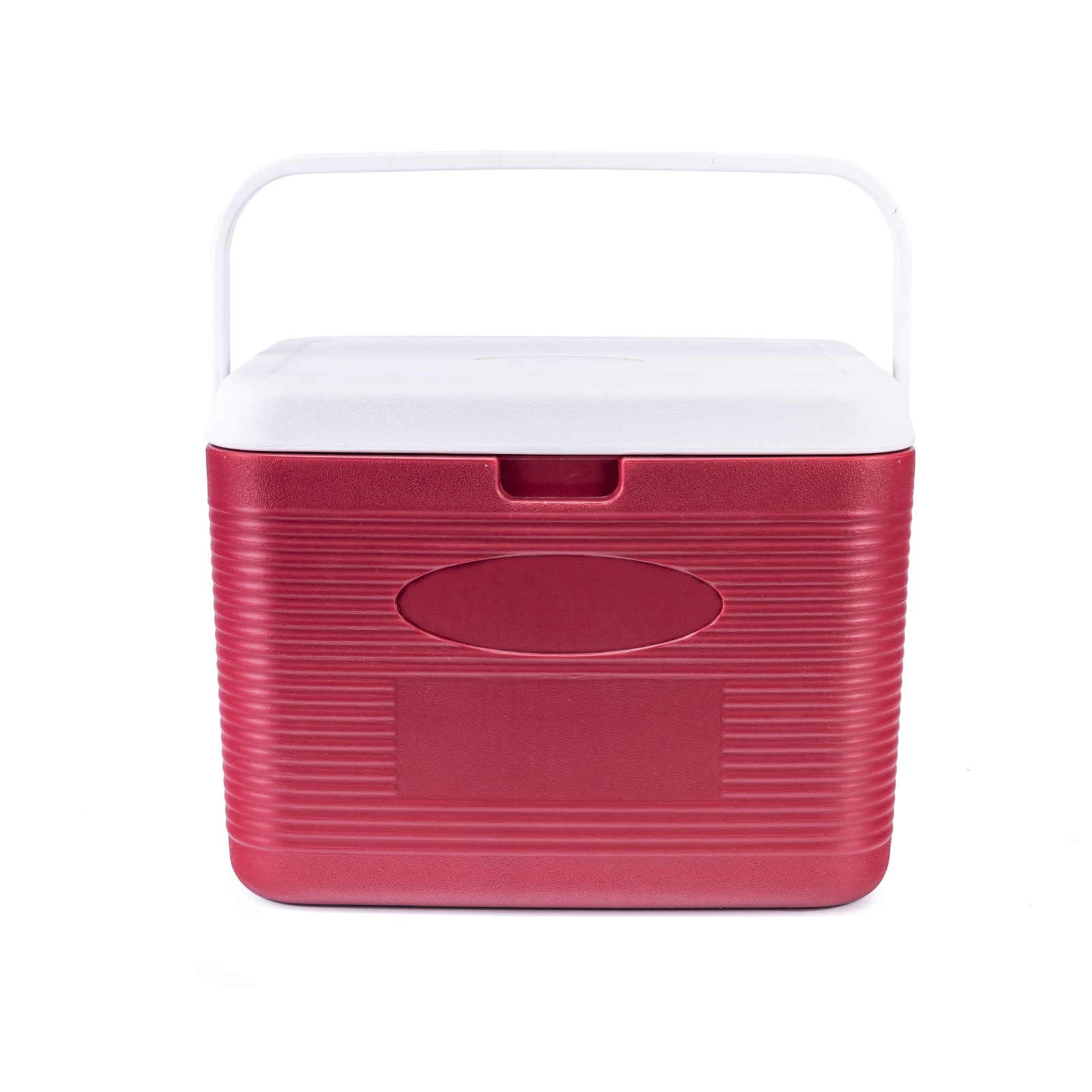
كيفية تحديد صندوق EPP قابل للتكديس للمنتجات الطازجة
يجب تحديد صندوق EPP قابل للتكديس للمنتجات الطازجة كجزء من المسار, لم يتم شراؤه كمنتج رغوي معزول. التصميم الناجح يناسب مجموعة السلع والبيع بالتجزئة, يسمح بتدفق هواء التبريد المطلوب, يحمل أحمالًا مكدسة حول المنتج وليس من خلاله, يبقى قابلاً للتنظيف, ويعود اقتصاديا لإعادة الاستخدام. يمكن أن يوفر البولي بروبيلين الموسع وزنًا خفيفًا, جسم مرن وعازل, لكنها لا تستطيع إزالة حرارة الحقل, إنشاء التبريد, إثبات ملاءمة الاتصال بالأغذية, أو ضمان عمر الخدمة من تلقاء نفسها. يجب على المشترين تحديد مظروف التشغيل, الموافقة على الأبعاد القابلة للاستخدام والواجهات المكدسة, اختبار البليت الكامل, والتحكم في تغييرات الإنتاج قبل القياس.
القرار الأول: أين سيعمل الصندوق في السلسلة الباردة?
يمكن أن تتصرف نفس الحاوية بشكل مختلف تمامًا قبل التبريد المسبق وبعده. تحتاج المنتجات الدافئة المحملة في الحقل إلى إزالة الحرارة بسرعة. مغلق, للغاية مربع معزول يقاوم تدفق الحرارة وقد يطيل وقت التبريد. قد تستفيد المنتجات المبردة مسبقًا والتي تنتقل عبر الأرصفة وطرق التسليم من العزل الذي يبطئ اكتساب الحرارة. عادةً ما تؤدي محاولة تحسين كلتا المرحلتين دون ذكر الأولوية إلى حل وسط يصعب التحقق من صحته.
قم بتعيين المربع عبر العملية بأكملها:
- درجة حرارة التحميل وحالة المنتج;
- الوقت بين الحصاد والتبريد;
- طريقة التبريد واتجاه تدفق الهواء;
- كومة الغرفة الباردة ويسكن;
- ترتيب البليت والمركبة;
- عمليات التسليم, اختيار النظام المختلط, وفتحات الغطاء;
- تلقي التفتيش وتفريغ المنتج;
- عودة فارغة, فرز, غسل, تجفيف, والتخزين.
حدد المرحلة التي تكون فيها جودة المنتج أكثر عرضة للخطر. قد يهيمن الضغط والاهتزاز على التوت الرقيق. قد يهيمن على الخضر الورقية التبريد السريع وفقدان الرطوبة. قد يتطلب الفطر إدارة دقيقة للرطوبة والتكثيف. قد تسمح الثمار الصلبة بتحميل أعمق ولكنها لا تزال تعاني من التأثيرات المتكررة. يجب أن يخدم التصميم المخاطر ذات العواقب الأعلى بدلاً من جمع الميزات العامة.
ترجمة حزمة الإنتاج إلى أبعاد قابلة للاستخدام
الأبعاد الخارجية تحدد نمط البليت, تناسب الرف, مكعب السيارة, واجهة الناقل, تخليص الباب, وإرجاع التخزين. الأبعاد الداخلية تصف التجويف المصبوب. تصف الأبعاد القابلة للاستخدام المساحة المتبقية بعد المسودة, نصف قطر الزاوية, تفتق الجدار, فتحات التهوية, الأضلاع, مشاركة الغطاء, بطانات, الصواني, والتعامل مع التخليص. يحتاج المشترون إلى الثلاثة.
أنشئ مظروف حمولة من أكبر تكوين حزمة معتمد. قم بتضمين البونتس, أكياس, الصواني, منصات, طبقات ماصة, تسميات, وأي مبرد. قياس أوسع وأطول الظروف, ليست عينة متوسطة. تأكد من أن العبوة تمر عبر الفتحة ويمكن إزالتها دون قلبها, الضغط, أو سحب المنتج.
العمق هو قرار جودة المنتج. مزيد من العمق يمكن أن يحسن مكعب البليت, لكن الطبقات السفلية تحمل وزنًا أكبر وقد تتلقى تدفقًا أقل للهواء. يعمل الصندوق الضحل على تقليل ضغط السرير ولكنه يزيد من عدد الوحدات والتعامل معها. حيث تحمل عبوات البيع بالتجزئة حمولتها الرأسية الخاصة, قد يكون الصندوق أعمق; حيث تحمل المنتجات السائبة العبء, قد يحتاج العمق إلى تحكم أكثر صرامة. قم بإنشاء خط تعبئة ومساحة للغطاء يمكن للمشغلين رؤيتها.
تجنب الصندوق العالمي ما لم يكن النطاق متوافقًا حقًا. قد يدعم الغلاف الخارجي المعياري المزود بإدخالات أو فواصل يمكن التحكم فيها العديد من المنتجات, ولكن يجب ألا تسد الإدخالات فتحات التهوية أو تنشئ مصائد تنظيف جديدة. تحتاج السلع المختلطة أيضًا إلى مراجعة لدرجة الحرارة, رطوبة, رائحة, وتوافق الإيثيلين. لا تتوفر المساحة الفارغة تلقائيًا لمنتج آخر.
تصميم مسار تدفق الهواء, ليست مجموعة من الثقوب
تؤثر طرق التغليف على تدفق الهواء, درجة حرارة, وإدارة الرطوبة حول المنتجات الطازجة. لتبريد الهواء القسري, يجب أن يمر الهواء عبر وجه البليت, جدار الصندوق, حزمة المنتج, الجدار المقابل, ومسار العودة. كل عنصر يمكن أن يخلق المقاومة. التفاف تمتد, لوحات البليت, بطانات, تسميات, أكياس, ويمكن للصناديق المجاورة أن تسد الفتحات التي تبدو كبيرة في عينة معزولة.
ابدأ بالمعدات. هل تقوم غرفة التغليف بسحب الهواء أفقيًا من خلال أنفاق المنصات؟, تعميم الهواء حول المداخن, استخدام التبريد الفراغي, التبريد المائي, أو عملية أخرى? لا ينبغي افتراض أن الصندوق متوافق لمجرد أنه "مهووس". تتبع الاتجاه المتوقع وتحقق من محاذاة فتحة التهوية في كل اتجاه معتمد.
التصميم له احتياجات متنافسة:
| متطلبات | الآثار المترتبة على التصميم | الفشل في تجنب |
|---|---|---|
| تبريد مسبق سريع | محاذاة, مسارات تدفق الهواء دون عائق | المناطق الدافئة مخبأة داخل البليت |
| التراص الهيكلي | أقسام عمودية مستمرة أو أعمدة زاوية | فتحات التهوية تضعف مسار التحميل الرئيسي |
| احتواء الإنتاج | فتحات أصغر من المنتج المعرض للخطر أو محمية بتنسيق العبوة | انتفاخ, كشط, أو قذف الخطوط الملاحية المنتظمة |
| صحة | يمكن الوصول إليها, فتحات قابلة للتصريف | التربة ومياه الغسيل محاصرة في فترات الاستراحة |
| الحماية بعد التبريد | التحكم في تسرب الحرارة والإغلاق المستقر | معالجة العزل كتبريد نشط |
| كفاءة البليت | اتجاه متكرر والحد الأدنى من المساحة المحظورة | تم تدوير الصناديق إلى نمط غير فعال |
يجب أن يوجه هذا الجدول تجربة البليت المادية. محاكاة تدفق الهواء قد تقارن المفاهيم, لكن المنتجات الحقيقية تخلق مقاومة غير منتظمة تتغير مع كثافة العبوة وتسويتها. قم بقياس مواقع المنتجات التمثيلية بدلاً من قياس الهواء بالقرب من الجدار الخارجي فقط.
اصنع صناديق حمل المكدس, ليس الفاكهة
لا يمكن تكديس الصندوق حقًا لأن العينات الفارغة موضوعة بشكل أنيق على الطاولة. تتمتع الأكوام الكاملة بوزن مستدام, انحراف البليت, الآثار, الكبح, المنعطفات, اهتزاز, الأسطح الرطبة, والتغيرات في درجات الحرارة. يجب أن تسجل ميزات التزاوج الصناديق وتقاوم الحركة الجانبية دون جعل الانفصال صعبًا.
يجب أن تمر الأحمال الرأسية عبر الزوايا المسلحة أو أقسام الجدار المستمرة. يمكن للغطاء تحديد موقع الصندوق العلوي, ولكن لا ينبغي أن تنحني أمام الحمولة. يجب أن يأخذ التخليص في الاعتبار تباين المنتج, بطانات, تفاوتات الصندوق, يرتدي, والفائض. إذا كانت الكومة تعتمد على إغلاق كل غطاء بشكل مثالي, يجب أن يجعل إجراء التشغيل الإغلاق غير الكامل واضحًا.
يمكن للبولي بروبيلين الموسع أن يمتص طاقة الصدمات ويتعافى من العديد من التشوهات المعتدلة, ولكن يتم التحكم في المتانة النهائية حسب الدرجة, كثافة, هندسة, اندماج حبة, ومسار التحميل. يمكن للألواح الطويلة غير المدعومة أن تنحني. التحولات الداخلية الحادة يمكن أن تركز التوتر. فتحات التهوية الكبيرة يمكن أن تقلل من القسم. يمكن أن تتمزق المادة الرقيقة الموجودة فوق قبضة اليد حتى عندما يكون باقي الصندوق قويًا.
تقييم أربع آليات على الأقل بشكل منفصل:
- تأثيرات قصيرة على الزوايا, حواف, قاعدة, وغطاء;
- الرفع المتكرر والتثبيت عند الكتلة المعبأة المعتمدة;
- الاهتزاز وهجرة المنتج أثناء النقل;
- التراص المحمل المستدام في الظروف البيئية ذات الصلة.
يمكن لإجراءات ASTM D4169 وISTA أن تفيد في اختبار التوزيع. وهي تنطبق على المنتجات المعبأة وشروط الاختبار المحددة; فهي لا تحول مادة EPP إلى نظام شحن معتمد عالميًا. يجب أن يحتوي عنصر الاختبار على حمولة تمثيلية, بطانة, إنهاء, البليت, وضبط النفس.
الحفاظ على العزل في دوره الصحيح
EPP يبطئ نقل الحرارة, والتي يمكن أن تقلل من التعرض أثناء التدريج أو التوزيع. لا يولد التبريد. يظل الصندوق المحمل بالمنتجات الدافئة دافئًا ما لم تزيل العملية الحرارة. علبة تستخدم مع حزم هلام, مواد تغيير المرحلة, الجليد, أو يصبح سائل تبريد آخر جزءًا من الحزمة الحرارية السلبية التي يعتمد أدائها على التكوين الكامل.
لا تقبل مطالبة وقت الانتظار بدون سياق. اسأل عن المنتج أو الحمولة المحاكية, درجات الحرارة الأولية, نوع المبرد والتكييف, وضع المبرد, حجم قابل للاستخدام, ملف تعريف المحيط, مواقع الاستشعار, جدول فتح الغطاء, ومعايير القبول. لا يمكن تعميم مدة المختبر ضمن تكوين واحد على كل سلعة أو طريق.
يؤثر التصميم الحراري أيضًا على حالة الإنتاج. قد يؤدي ملامسة سائل التبريد بشكل مباشر إلى إنشاء بقع باردة محلية أو إصابة متجمدة بالمنتجات الحساسة. يمكن للبطانة أن تحمي من التلامس ولكنها قد تحد من تدفق الهواء. يمكن أن تؤدي مساحة الرأس الزائدة إلى زيادة حركة الهواء أثناء المناولة وتغيير السلوك الحراري. تحتاج العبوة إلى مراجعة درجة الحرارة والمراجعة الميكانيكية.
يمكن لمسجل بيانات درجة الحرارة توثيق التعرض والمساعدة في تحديد تقلب المسار. ولا يعوض عن مسار تدفق الهواء المسدود أو العبوة غير المصممة جيدًا. يجب أن يعكس موضع المستشعر المواقع الدافئة والباردة المتوقعة, ويجب على فريق الجودة تحديد كيفية مراجعة البيانات.
الاتصال الغذائي, تنظيف, وحالة العودة
تنتمي ملاءمة ملامسة الغذاء إلى التركيبة النهائية وشروط الاستخدام المقصودة. تحدد القواعد الأوروبية مبادئ السلامة العامة والخمول, ممارسات التصنيع الجيدة, وضوابط محددة للمواد البلاستيكية. تعتمد متطلبات الولايات المتحدة أيضًا على أساس تنظيمي مناسب للمادة الملامسة للأغذية والاستخدام المقصود. يجب على المشترين طلب الوثائق الخاصة بدرجة EPP المقترحة, لون, إضافات, المحتوى المعاد تدويره إن وجد, تسميات, الأحبار, وغيرها من المكونات.
الإعلان لا يحل محل برنامج النظافة. صناديق قابلة لإعادة الاستخدام الانتقال من العوائد القذرة إلى المخزون النظيف وتحتاج إلى تسلسل متحكم فيه. تحديد الفرز, التنظيف المسبق, غسل, شطف, تجفيف, تقتيش, والتخزين. اذكر المنظف أو المطهر, تركيز, درجة حرارة الماء, وقت الاتصال, عمل الرش أو التنظيف, وعدد التعرضات المستخدمة في اختبار التوافق.
أدوات اتخاذ القرار مفيدة
تحقق من التفاصيل قبل اختيار التغليف
يمكن أن تساعدك هذه الأدوات السريعة في مقارنة مخاطر المسار, احتياجات التحجيم, خيارات المبرد, وتفاصيل التعبئة والتغليف قبل أن تطلب عرض أسعار.
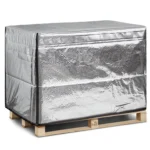
بطانة الصندوق & تحجيم غطاء البليت
تحقق من منطق تحديد حجم بطانة الصندوق وغطاء منصة التحميل لمشاريع التغليف المعزولة.
تقدير الحجممرجع المواد العازلة
قارن بين خيارات المواد العازلة لاحتياجات التعبئة والتغليف المختلفة لسلسلة التبريد.
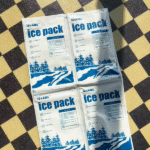
قارن الموادسائل التبريد & مرجع PCM
قارن خيارات سائل التبريد وPCM عندما يحتاج المسار إلى دعم إضافي لدرجة الحرارة.
قارن الخياراتفحص الميزات التي تحتفظ بالفعل بالتلوث: فتحات التهوية, جيوب عميقة للملصقات, أسطح حبة التالفة, طبقات, واجهات الغطاء, مقابض, واستراحات الصرف. يجب أن يجف الصندوق تمامًا في الوقت المتاح. يمكن أن يؤدي تكديس الوحدات الرطبة إلى احتجاز الرطوبة حتى عندما تمتص المادة الأساسية القليل من الماء.
إنشاء فئات التخلص التي يمكن لعوامل التشغيل تطبيقها بشكل متسق:
- نظيفة وجاهزة للاستخدام;
- يتطلب إعادة الغسيل;
- تالفة ولكنها قابلة للاستخدام فقط في دور محدد منخفض المخاطر;
- قابلة للإصلاح بموجب طريقة معتمدة;
- تم رفضه نهائيًا بسبب الأضرار الجسيمة, تلوث, رائحة, أو فقدان الوظيفة.
لا تكون مطالبة إعادة الاستخدام ذات مصداقية إلا عندما تعرف العملية متى لا يجب إعادة استخدام الوحدة.
بناء حالة العمل حول الحلقة
سعر الشراء هو عنصر واحد فقط من التعبئة والتغليف القابلة لإعادة الاستخدام يكلف. قم بإضافة عدد المربعات اللازمة لتغطية الحجم الصادر وتأخير العودة, مساحة التوصيل, المسح أو الودائع, خسارة, غسل العمل, الماء والطاقة, تجفيف, تقتيش, تخزين, بصلح, التقاعد, والتعامل مع نهاية العمر. قم بتضمين تلف المنتج وتأثيرات عملية التبريد لأن التغليف الذي يقلل من تكلفة الصندوق ولكنه يزيد من فقدان الإنتاج ليس فعالاً.
يمكن أن يهيمن مكعب العودة. شكل ثابت صناديق إي بي بي قد يسافرون فارغين ما لم يتداخلوا أو يتحركوا على وصلة توصيل متاحة. يؤدي التداخل إلى تقليل الحجم ولكنه يقدم استدقاقًا في الجدار وقد يتعارض مع هندسة المكدس أو المساحة القابلة للاستخدام. البدائل القابلة للطي توفر مكعب الإرجاع ولكنها تضيف مفصلات, المفاصل, خطوات التجميع, وتعقيد التنظيف. يعتمد الحل الصحيح على كثافة المسار والتحكم فيه.
لا تفترض عددًا قياسيًا من الدورات. تتبع الوحدات التجريبية بشكل فردي أو على دفعات. تسجيل الوحدات المفقودة, الأضرار الكبيرة والصغيرة, رفض الغسيل, الوقت المستغرق, حوادث المكدس, شكاوى المشغلين, ونتائج المنتج. ولا تصبح التكلفة لكل دورة ناجحة ذات معنى إلا بعد ملاحظة تلك المتغيرات.
ويتبع التقييم البيئي منطقا مماثلا. يمكن أن تكون EPP قابلة لإعادة التدوير حيثما توجد عملية جمع ومعالجة مناسبة, لكن قابلية إعادة التدوير تعتمد على البنية التحتية المحلية والحالة الفعلية للصندوق المستخدم. يمكن أن تؤدي إعادة الاستخدام إلى تقليل الطلب على العبوات ذات الاستخدام الواحد, في حين أن نقل العودة والغسيل يخلقان تأثيرات. إن حماية المنتج أمر مهم لأن المنتجات المهملة تحمل العبء البيئي للزراعة, تبريد, والنقل. تحسين النظام, ليست مطالبة مادية واحدة.
ما يجب قفله قبل طلب الأدوات
يجب أن تكون المواصفات مفصلة بدرجة كافية بحيث لا يؤدي تغيير الإنتاج إلى تغيير الوظيفة بهدوء. قفل درجة EPP المعتمدة أو البدائل المحددة, نطاق كثافة صب حيثما كان ذلك مناسبا, الأبعاد الخارجية والحد الأدنى القابل للاستخدام, مشاركة الغطاء, تسجيل المكدس, الواجهة الأساسية, التعامل مع الهندسة, نمط تنفيس, منطقة تحديد الهوية, لون, وحالة الاتصال الغذائي.
الاتفاق على القياسات والأساليب الهامة للجودة. قد تحتاج أجزاء الرغوة إلى التكييف قبل فحص الأبعاد, والأسطح المصاغة تتطلب بيانات محددة. طول اسمي واحد لا يكفي. حدد الارتفاع الذي يتم عنده قياس الأبعاد الداخلية والحد الأدنى للفتحة التي يجب أن تمر من خلالها الحمولة.
اطلب من المورد أن يشرح لك ضوابط دمج الخرزات, مؤشرات العملية, أخذ العينات الكثير, احتواء عدم المطابقة, وخطط رد الفعل. قد يكون وزن الجزء مفيدًا عندما يرتبط بالعملية المعتمدة, لكنه لا يثبت كل الخصائص الوظيفية. يجب فحص العينات الوظيفية للتأكد من ملاءمة الغطاء, تكديس, رفع محملة, ومحاذاة تنفيس.
يجب أن تغطي اتفاقية التحكم في التغيير درجة المواد, تلوين, إضافات, المحتوى المعاد تدويره, مراجعات العفن, تغييرات العملية الرئيسية, المكونات الثانوية, موقع الإنتاج, وبناء التسمية عندما يمكن أن تؤثر هذه التغييرات على الملاءمة, الاتصال الغذائي, تنظيف, تدفق الهواء, أو المتانة. منتج كبير, طَرد, أو قد تتطلب تغييرات العملية إعادة الاختبار.
قم بتشغيل دليل المسار قبل القياس
يجب أن يكون طيار الطريق عاديًا عن عمد. استخدم عوامل التشغيل العادية, إنتاج حقيقي, أوقات التحميل القياسية, الخطوط الملاحية المنتظمة والبليت المقصود, معدات التبريد العادية, عمليات التسليم النموذجية, ممارسات الاستلام, عملية الغسيل المخطط لها, وعودة واحدة على الأقل للخدمة. إن اليد الاستثنائية من قبل فريق المشروع تخفي الأخطاء التي يجب أن يتحملها التصميم.
تحديد الملاحظات قبل الطيار. لإنتاج, فحص الكدمات, علامات الضغط, جفاف, التكثيف, فساد, توزيع درجة الحرارة, وحركة الحزمة. للصندوق, فحص إغلاق الغطاء, تحول المكدس, مقابض, زوايا, فتحات التهوية, ارتداء قاعدة, المياه المحتجزة, تسميات, وجهود التنظيف. تم تدوير صناديق التسجيل بشكل غير صحيح, مملوء, تركت مفتوحة, أو وضعها على المنصات التالفة. تكشف هذه الأحداث ما إذا كان النظام يحتاج إلى تغيير في التصميم أو إلى تحكم أكثر وضوحًا في التشغيل.
تخيل أن المزارع يقوم بنقل التوت المعبأ مسبقًا من خلال تبريد الهواء القسري. يحتوي الصندوق على عزل جيد وغطاء ثابت, لكن فتحات النهاية مسدودة جزئيًا بواسطة ترتيب العقدة واللفائف الممتدة. تبرد الحالات الخارجية بسرعة بينما تظل الحالات المركزية دافئة. إن استبدال EPP بمادة أخرى لن يؤدي بالضرورة إلى حل المشكلة. يبدأ الحل بشبكة تدفق هواء متوازية واختبار مستوى منصة التحميل.
مقياس فقط بعد أن يؤكد الطيار التصميم, عملية, تنظيف, وإرجاع الافتراضات. احتفظ بعينة رئيسية معتمدة واحتفظ بحزمة الأدلة المستخدمة لاتخاذ القرار.
أسئلة المشتري التي تكشف العروض الضعيفة
يجب أن يجيب الاقتباس القوي على هذه الأسئلة مباشرة:
- اي سلعة, تنسيق الحزمة, أقصى كتلة معبأة, ومرحلة التبريد يفترضها التصميم?
- ما هو الحد الأدنى لأبعاد الفتح والتجويف القابلة للاستخدام بعد كل الميزات المصبوبة?
- كيف تدعم البليت الكامل اتجاه تدفق الهواء المطلوب?
- الأقسام التي تحمل حمولة المكدس, وما الذي يحمي طبقة الإنتاج العليا?
- ما هو دليل الاختبار الذي يستخدم التكوين المعبأ الفعلي بدلاً من الصندوق الفارغ?
- ما هي وثائق الاتصال بالأغذية التي تنطبق على التركيبة النهائية والسوق بالضبط?
- ما هي شروط التنظيف التي تم تقييمها, وكيف يستنزف الصندوق ويجفف?
- كيف يتم اندماج الخرزة, أبعاد, غطاء مناسب, فتحات التهوية, وميزات المكدس التي يتم التحكم فيها في الإنتاج?
- التغييرات التي تتطلب إشعار المشتري وإعادة الاختبار?
- ما هي الخطة اللوجستية العكسية ونهاية الحياة?
عادةً ما يقدم المورد الذي يحدد الحدود ويطلب بيانات المسار قيمة أكبر من المورد الذي يربط المطالبات العامة بصندوق قياسي.
الأسئلة المتداولة
هل EPP أفضل من التغليف المموج للمنتجات؟?
ولا يوجد أي منهما أفضل على المستوى العالمي. قد يوفر EPP توسيدًا قابلاً لإعادة الاستخدام, العزل, مقاومة الرطوبة, وميزات المكدس المتكاملة. يمكن أن تكون الأشكال المموجة خفيفة, للطباعة, قابلة للاسترداد على نطاق واسع في بعض الأسواق, ومريحة للطرق ذات الاتجاه الواحد. قارن حماية المنتج, تدفق الهواء, التعرض للغرفة الباردة, أداء البليت, العودة اللوجستية, تنظيف, خسارة, التكلفة لكل شحنة ناجحة, وأنظمة الاسترداد المحلية.
يجب أن يحتوي صندوق التبريد المسبق على أكبر عدد ممكن من فتحات التهوية?
لا. يحتاج تدفق الهواء إلى ما يكفي من الفتح, منطقة محاذية, لكن تصميم فتحات التهوية يجب أيضًا أن يحافظ على مسارات الأحمال الهيكلية, تحتوي على المنتج, تجنب قذف الخطوط الملاحية المنتظمة, وتبقى قابلة للتنظيف. يمكن أن تؤدي الفتحات المفرطة أو التي تم وضعها بشكل سيء إلى إضعاف الجدران دون إنتاج تبريد موحد. تحديد طريقة التبريد, نموذج البليت المجمعة, والتحقق باستخدام منتج حقيقي أو حزمة تمثيلية.
هل يمكن الاستدلال على الامتثال لملامسة الغذاء من راتينج البولي بروبيلين?
لا. قد تتضمن المقالة النهائية درجة EPP محددة, أصباغ, إضافات, المحتوى المعاد تدويره, الأحبار, تسميات, وأجزاء أخرى. الامتثال يعتمد على السوق المقصود, نوع الطعام, وقت الاتصال ودرجة الحرارة, والأساس التنظيمي. اطلب الوثائق الخاصة بالبناء المقترح بالضبط ولا تقبل "درجة الغذاء" كبيان كامل.
متى يجب إعادة اختبار النظام?
وينبغي النظر في إعادة الاختبار عندما تؤثر التغييرات على الأداء. تتضمن الأمثلة سلعة جديدة أو حزمة بيع بالتجزئة, تغيير ارتفاع الحمولة أو الكتلة, بطانة مختلفة, تنفيس أو مراجعة العفن, تغيير المادة أو الكثافة, نمط البليت الجديد, معدات التبريد المختلفة, تغيير الطريق, تنظيف كيميائي, أو تغيير موقع الإنتاج. يجب على فريق الجودة تحديد المحفز بناءً على المخاطر.
خاتمة
يعد تحديد صندوق إنتاج EPP مهمة متعددة الوظائف. تحدد بيولوجيا المنتج الضغط المقبول, درجة حرارة, رطوبة, وظروف تدفق الهواء. هندسة التعبئة والتغليف تخلق مساحة قابلة للاستخدام, فتحات التهوية, مسارات التحميل, ومميزات التعامل. ضوابط الجودة الاتصال الغذائي, صحة, أدلة الاختبار, وإدارة التغيير. تقوم الخدمات اللوجستية بإغلاق الحلقة من خلال منصة التحميل, أداء السيارة, يعود, والغسيل. عندما تشترك هذه الوظائف في مواصفات تشغيل واحدة, يمكن لـ EPP توفير منصة متينة بدلاً من الوعد المادي المعزول.
حول Tempk
يوفر تيمبك تغليف السلسلة الباردة منتجات, مشتمل حاويات معزولة, وسائط التبريد, وخيارات مراقبة درجة الحرارة للتوزيع الحساس لدرجة الحرارة. لمشروع EPP للمنتجات الطازجة, يمكننا المساعدة في تنظيم المدخلات اللازمة لمراجعة مفهوم مفيدة, مثل تنسيق السلع والحزمة, أبعاد قابلة للاستخدام, طريقة التبريد, نمط البليت, التعرض المحيطي, استخدام المبرد, تنظيف, وإعادة الخدمات اللوجستية. يجب تأكيد أي أداء مقترح لدرجة الحرارة أو استخدام ملامسة الطعام للتكوين الدقيق وسوق الوجهة.
شارك تدفق الإنتاج الكامل والقيود التي لا يمكن تغييرها لمقارنة المعايير المناسبة, معدل, أو خيارات EPP المخصصة.