الدواء تغليف السلسلة الباردة يجب السيطرة على خطرين متعارضين في نفس الوقت: الاحترار والتجميد. العديد من الأدوية المبردة, اللقاحات, البيولوجيا, ويتم تصنيف المواد السريرية للتخزين في درجة حرارة 2-8 درجة مئوية. قد يتم رفض الشحنة التي تصبح دافئة جدًا. شحنة تمس المجمدة حزم هلام مباشرة قد تتضرر أيضًا بسبب التجميد.
تشرح هذه المقالة كيفية تصميم عبوة غير قابلة للتجميد بدرجة حرارة 2-8 درجة مئوية لشحن الأدوية. ويستخدم نطاقات تخزين اللقاحات الرسمية من مراكز السيطرة على الأمراض (CDC) كنقطة مرجعية, ولكن يجب أن تتبع كل شحنة دوائية ملصق المنتج المحدد, بيانات الاستقرار, اتفاقية الجودة, واللوائح المعمول بها.
النطاق المرجعي 2-8 درجة مئوية
توفر إرشادات تخزين اللقاحات الصادرة عن مركز السيطرة على الأمراض (CDC) تخزينًا بالثلاجة عند درجة حرارة 2 درجة مئوية إلى 8 درجات مئوية / 36درجة فهرنهايت إلى 46 درجة فهرنهايت. كما أنه يوفر تخزينًا في الفريزر عند -50 درجة مئوية إلى -15 درجة مئوية وفائقة-التخزين البارد عند -90 درجة مئوية إلى -60 درجة مئوية للمنتجات التي تتطلب تلك الظروف. توضح هذه النطاقات لماذا يجب أن تبدأ عبوات الأدوية بمتطلبات المنتج المحددة بدلاً من الطلب "البارد" العام.
لدواء مكتوب عليه 2-8 درجة مئوية, لا ينبغي أن تكون الحزمة مصممة كشحنة مجمدة. الهدف هو التحكم في التبريد دون التعرض للتجميد المباشر.
جدول تخطيط درجة الحرارة الدوائية
| نوع الشحنة | النطاق المرجعي النموذجي | الاهتمام الرئيسي بالتعبئة | استجابة التصميم |
|---|---|---|---|
| الدواء المبرد أو اللقاح | 2درجة مئوية إلى 8 درجة مئوية / 36درجة فهرنهايت إلى 46 درجة فهرنهايت, عندما تكون مدعومة بملصق المنتج ومرجع CDC للقاحات. | ارتفاع درجة الحرارة أثناء النقل والتجميد من ملامسة سائل التبريد المجمد. | غرفة عدم التجميد, PCM أو المبرد المكيف, مسجل البيانات, تعليمات التحقق من صحتها. |
| منتج صيدلاني مجمد | تشير مجموعة أدوات لقاح مراكز مكافحة الأمراض والوقاية منها (CDC) إلى تخزين الفريزر من -50 درجة مئوية إلى -15 درجة مئوية لبعض ظروف تخزين اللقاحات. | الحفاظ على النطاق المجمد دون ذوبان الجليد غير المنضبط. | حزمة المجمدة, شاحن متوافق مع الفريزر, التحقق من صحة المسار المحدد. |
| منتج شديد البرودة | تشير مجموعة أدوات لقاح مراكز مكافحة الأمراض والوقاية منها إلى -90 درجة مئوية إلى -60 درجة مئوية لظروف التخزين شديدة البرودة. | مصدر بارد متخصص ومعالجة صارمة. | استخدم عبوات فائقة البرودة خاصة بالمنتج وعملية مدربة. |
| العينة السريرية أو البيولوجية | النطاق يعتمد على الاختبار, عينة, أو المتطلبات البيولوجية. | سلامة العينة, سلسلة الحضانة, خطر التأخير. | اتبع بروتوكول المختبر والحزم التي تم التحقق من صحتها. |
لماذا تتجمد الأدوية في الشحنات "الباردة"؟
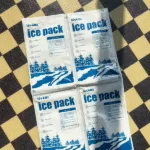
من الأخطاء الشائعة وضع عبوات الجل المجمدة مباشرة على الدواء. قد يكون الهواء الموجود داخل الصندوق متوسطًا ضمن النطاق بينما ينخفض سطح المنتج بجوار عبوة الجل إلى أقل من الحد الأدنى المسموح به. هذه مشكلة التعرض للتجميد المحلي. قد لا يكون مرئيًا ما لم يلتقطه موضع مسجل البيانات.
هناك خطر آخر يحدث أثناء الشحن في فصل الشتاء. يمكن أن تتعرض العبوة لدرجات حرارة خارجية باردة, المركبات غير المدفأة, أو يسكن قفص الاتهام لفترة طويلة. قد تفشل العبوة المصممة فقط للتدفئة في الصيف بسبب التجميد في الشتاء.
مبادئ تصميم العبوات غير القابلة للتجميد
| مبدأ التصميم | لماذا يهم |
|---|---|
| فصل سائل التبريد عن المنتج | يمنع الاتصال المباشر المتجمد والبقع الباردة المحلية. |
| استخدم غرفة منتج محددة | يحافظ على الحمولة في منطقة خاضعة للرقابة بدلاً من لمس الجدران أو سائل التبريد. |
| حدد PCM أو المبرد المكيف بعناية | يمكن أن يساعد PCM في التحكم في درجة الحرارة بالقرب من نطاق الطور المختار عند تحديده بشكل صحيح. |
| استخدم الفواصل, الأكمام, أو المخازن المؤقتة | يقلل من درجات الحرارة القصوى بالقرب من الدواء. |
| شرط مسبق لجميع المكونات | قد يؤدي التكييف غير الصحيح لسائل التبريد إلى خطر التجمد أو الاحترار. |
| ضع مسجلات البيانات بذكاء | التقاط نقاط خطر المنتج, ليس فقط المجال الجوي الأكثر دفئًا. |
| توثيق تسلسل الحزمة | يجب على موظفي المستودع تكرار التصميم الذي تم اختباره تمامًا. |
حزم هلام, حزم PCM, والطوب الجليدي للطب
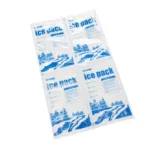
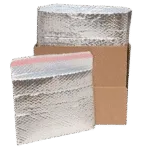
قد تكون عبوات الجل المجمدة القياسية مناسبة لبعض الشحنات الطبية فقط إذا كانت العبوة تمنع التعرض المباشر للتجميد وكانت بيانات الاختبار تدعم التصميم. تشير FedEx إلى أنه يمكن أيضًا استخدام المبردات كمشتتات حرارية في درجة حرارة الغرفة لمنع المنتجات من التجمد. هذا تذكير مفيد: لا ينبغي تجميد كل سائل التبريد الموجود في علبة الدواء بشكل صلب. تستخدم بعض العبوات مبردات مكيفة, المخازن المؤقتة نظموا, أو حزم PCM لتقليل مخاطر التجميد.
غالبًا ما تُستخدم عبوات PCM في تصميمات الأدوية لأن المواد المتغيرة الطور تمتص الحرارة وتطلقها أثناء تغيير الطور. عندما تتوافق درجة حرارة انتقال PCM وعملية التكييف مع متطلبات المنتج, قد تحافظ العبوة على نطاق أضيق من نظام عبوات الجل المجمد البسيط. لكن, PCM ليس آمنًا تلقائيًا. لا يزال من الممكن أن يفشل التكييف غير الصحيح أو نقطة تغيير الطور الخاطئة.
أدوات اتخاذ القرار مفيدة
تحقق من التفاصيل قبل اختيار التغليف
يمكن أن تساعدك هذه الأدوات السريعة في مقارنة مخاطر المسار, احتياجات التحجيم, خيارات المبرد, وتفاصيل التعبئة والتغليف قبل أن تطلب عرض أسعار.
حاسبة الثلج الجاف
تقدير احتياجات الثلج الجاف للشحنات المجمدة أو شديدة البرودة قبل التعبئة.
تقدير الثلج الجافمدقق مخاطر الطريق
قم بمراجعة ظروف المسار قبل اختيار التغليف لمتطلبات التشغيل الحقيقية.
تحقق من مخاطر الطريقحاسبة علبة الثلج
تقدير كمية عبوات الثلج الهلامي للشحنات المبردة والتخطيط العملي للمسار.
تقدير عبوات الثلجيجب على المشترين طلب الوثائق
| الوثيقة أو السيطرة | غاية |
|---|---|
| تعليمات الحزمة | يظهر تكييف المبرد الدقيق, ترتيب التعبئة, موقف المنتج, وطريقة الإغلاق. |
| تقرير اختبار درجة الحرارة أو المنحنى | يقدم دليلاً على أن الحزمة بقيت ضمن النطاق المقصود في ظل الظروف المحددة. |
| خطة وضع مسجل البيانات | يوضح مكان جمع أدلة درجة الحرارة. |
| مادة SDS أو الإعلان | يدعم الجودة والمراجعة التنظيمية لحزم الجل, حزم PCM, بطانات, ومواد الشاحن. |
| تلقي قائمة المراجعة | يساعد المستلم على تحديد ما إذا كان يجب قبول الشحنة أم لا, في الحجر الصحي, أو مراجعتها. |
| قاعدة التحكم في التغيير | يمنع التغييرات غير المعتمدة في حجم الصندوق, كمية المبرد, بطانة, أو تسلسل الحزمة. |
كيفية اختبار حزمة 2-8 درجة مئوية
يجب أن يستخدم الاختبار حمل المنتج النهائي أو بديل الكتلة الحرارية الواقعي, مكونات التغليف النهائية, المبرد المكيف, حجم الصندوق النهائي, وتسلسل الحزمة المقصود. يجب وضع مسجلي البيانات حيث تكون المخاطر ذات معنى: بالقرب من المنتج, بالقرب من البقع الباردة المحتملة, وأحيانا في الفضاء الجوي. يمكن أن يؤدي الاختبار الذي يقيس الهواء المحيط في الصندوق فقط إلى تفويت خطر تجميد الاتصال المباشر.
قبل الاستخدام الروتيني, توصي إرشادات تخزين اللقاحات الخاصة بمراكز مكافحة الأمراض والوقاية منها (CDC) بفحص وتسجيل درجات الحرارة الدنيا والقصوى للوحدات التي يتم التحكم في درجة حرارتها على مدار عدة أيام حتى تستقر. ل تغليف الشحن, تنطبق نفس العقلية: لا تعتمد على الافتراضات. تأكد من أن النظام مستقر وقابل للتكرار قبل شحنات المنتجات الحية.
معيار ISTA 20 ويمكن أخذ 7E في الاعتبار عندما يحتاج العميل إلى اختبار النقل الحراري الموحد. تعتمد ملفات تعريف ISTA 7E على بيانات درجة حرارة النقل في العالم الحقيقي وتتضمن ملفات تعريف التعرض للحرارة والبرودة. يمكن أن يكون هذا مفيدًا لتطوير عبوات الأدوية الموثقة, لكن المتطلبات الخاصة بالمنتج تأتي دائمًا في المقام الأول.
التعليمات
هل يمكنني شحن الدواء مع عبوات هلامية مجمدة؟?
فقط إذا كانت العبوة التي تم اختبارها تمنع التعرض للتجميد المباشر وتبقي المنتج ضمن النطاق المطلوب. يمكن أن تتلف العديد من المنتجات التي تتراوح درجة حرارتها بين 2 و8 درجات مئوية بسبب التجميد المحلي.
هل عبوات PCM مطلوبة لشحن الأدوية بدرجة حرارة تتراوح من 2 إلى 8 درجات مئوية?
ليس دائما. تعد حزم PCM مفيدة عند الحاجة إلى نطاق درجة حرارة ضيق أو تصميم مانع للتجميد, لكن القرار النهائي يعتمد على ملصق المنتج, طريق, عقد الوقت, والتحقق من الصحة.
أين يجب وضع مسجل درجة الحرارة؟?
ضعه حيث يعكس مخاطر المنتج. لتصاميم عدم التجميد, من المفترض أن يساعد جهاز تسجيل واحد على الأقل في اكتشاف البقع الباردة بالقرب من سائل التبريد أو أسطح المنتج, ليس فقط الهواء الدافئ بالقرب من الغطاء.
هل يمكن إعادة استخدام العبوات الغذائية في شحنات الأدوية؟?
عادة لا يخلو من المراجعة. تتطلب شحنات الأدوية التحكم في درجة الحرارة الخاصة بالمنتج, الوثائق, تحليل عدم التجميد, وتعليمات التعبئة المعتمدة.
الوجبات الجاهزة النهائية
يجب تصميم شحنة الأدوية بدرجة حرارة 2-8 درجة مئوية لمنع كل من الاحترار والتجميد. استخدم ملصق المنتج كشرط تحكم, فصل المبرد عن الحمولة, ضع في اعتبارك PCM أو سائل التبريد المكيف عند الحاجة, توثيق تسلسل الحزمة, والتحقق من صحة الحزمة الكاملة مع مراقبة درجة الحرارة المناسبة.